

How to Style Sexy Cocktail Dresses for a Night Out
The allure of a night out is often encapsulated in the transformative power of what we wear. Among the myriad of choices, the sexy cocktail dress stands as a sartorial icon, a garment designed to command attention, exude confidence, and navigate the delicate balance between sophistication and allure. This is not merely about following trends; it is about understanding the architectural and psychological elements of a dress that can make you feel powerful and captivating. The journey from your closet to the dance floor or the dimly lit bar is paved with decisions about silhouette, fabric, accessory, and attitude. Let’s dissect this art form, moving beyond subjective taste to incorporate principles of design, social psychology, and styling science to master the evening.
The Architectural Foundation: Silhouette and Your Body
Before a single accessory is considered, the foundation of your night-out look is the dress’s silhouette. The term “silhouette” in fashion refers to the overall shape or outline of a garment. Choosing the right one is less about chasing an idealized body type and more about understanding lines, proportions, and focal points. A well-chosen silhouette acts as a visual guide, directing the eye to your chosen assets. For instance, the classic A-line dress, which is fitted at the bodice and flares out from the waist, is renowned for creating an hourglass illusion. This design principle finds resonance in the “Golden Ratio,” a mathematical ratio of 1:1.618 often observed in nature and art, which is also considered aesthetically pleasing in human proportions. A dress that cinches at the natural waist and skims over the hips can mimic this desirable balance. Conversely, a bodycon sexy cocktail dress, made from stretchy materials like scuba knit or ponte, celebrates curves by following the body’s contours closely. This style draws from the minimalist aesthetic of the 1990s, popularized by designers like Hervé Léger, whose “bandage dresses” became synonymous with a confident, form-fitting allure. The key is intentionality: is the goal to create a curve, to elongate the line, or to highlight a specific area? Your silhouette is the first and most powerful statement you make.

Fabric: The Language of Texture and Movement
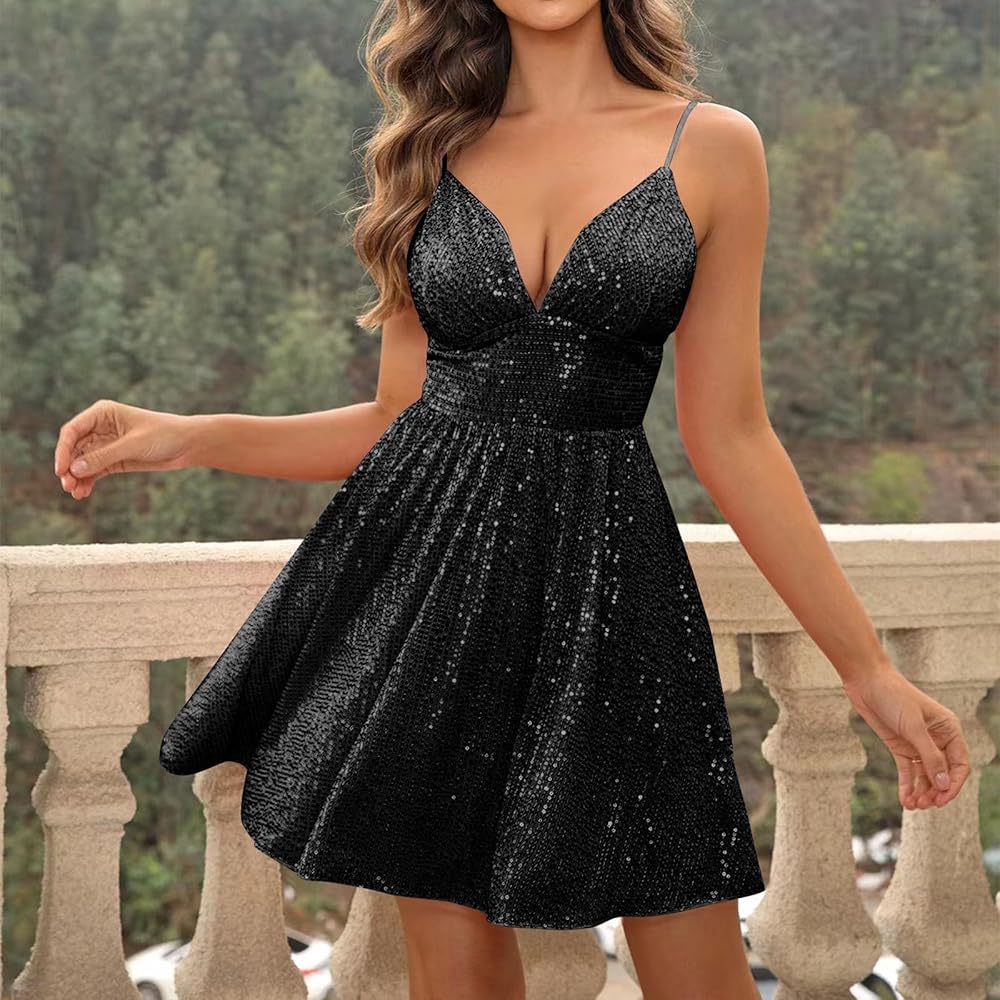
If silhouette is the sentence structure, fabric is the vocabulary and tone of voice. The material of your sexy cocktail dress communicates subliminally before you utter a word. Luxurious fabrics like silk charmeuse or velvet possess a inherent sensuality due to their interaction with light and their tactile quality. Silk, a natural protein fiber, has a unique prism-like structure that refracts light, giving it a luminous sheen—a property documented in textile science. This makes it perfect for a sleek slip dress, a style immortalized by Carolyn Bessette-Kennedy and in the 1996 film Romeo + Juliet, where it symbolized a modern, understated sexiness. In contrast, sequins or metallic lamé are fabrics of high visual impact, designed to capture and reflect dynamic light in a dark environment, a tactic rooted in attention-attraction principles studied in environmental psychology. Lace, with its intricate patterns and play of opacity and transparency, introduces texture and a hint of vintage romance. The weight and drape of the fabric also dictate movement. A heavy brocade stands regally, while a light chiffon flows ethereally. Consider the environment: a sleek satin for a rooftop lounge, a playful ruffled tulle for a birthday celebration, or a daring cut-out jersey for a club. The fabric you choose is a direct dialogue with the night’s ambiance.
The Psychology of Color and Detail
Color psychology is not a mere marketing gimmick; it is a field of study that examines how hues affect human perception and behavior. For a night out, color choice is a strategic tool. Classic Little Black Dress (LBD), a concept solidified by Coco Chanel in the 1920s and later epitomized by Audrey Hepburn in Breakfast at Tiffany’s, leverages the power of black—a color associated in color theory with sophistication, power, and mystery. It creates a slimming, elongated silhouette and serves as a flawless canvas for statement accessories. Red, however, is the color of dynamism. Research, such as that cited by Andrew Elliot and Daniela Niesta in the Journal of Personality and Social Psychology, has explored the “red-effect,” linking the color to increased perceived attractiveness and status. A red sexy cocktail dress is a confident, unabashed choice. Beyond block colors, details like strategic cut-outs, keyhole backs, or thigh-high slits function as calculated focal points. These elements employ the principle of “reveal and conceal,” a concept explored in aesthetics and fashion theory, which suggests that suggestion is often more powerful than outright exposure. A single slit can elongate the leg (a styling trick documented by countless fashion editors), while a cut-out at the waist emphasizes the body’s narrowest point. These are not random trends but applications of visual design principles to the human form.
Orchestrating the Ensemble: Accessories and Footwear
A perfect dress can be undermined or elevated by what accompanies it. Accessorizing a sexy cocktail dress requires a principle of equilibrium. If the dress is detailed—beaded, laced, or brightly colored—the accessories should recede. Think minimalist: delicate gold chains, simple studs, or a sleek clutch. This follows the minimalist design philosophy of “less is more,” often attributed to architect Ludwig Mies van der Rohe, which prioritizes function and essential form. If the dress is a simple sheath, this is your moment for boldness. A statement necklace, chandelier earrings, or an embellished cuff can become the centerpiece. Footwear is equally critical. A stiletto heel does more than add height; it alters posture, arching the back and tightening the calf muscles, creating a silhouette often associated with glamour. As fashion historian Caroline Cox notes in her writings, high heels have long been symbols of status and sexuality. However, practicality is a form of empowerment. A stylish block heel or even a fashion-forward flat (like a pointed-toe ballet or a glittering sandal) can provide comfort without sacrificing style, ensuring you own the night from start to finish. Your bag should be functional enough for essentials—phone, lipstick, cardholder—embodying the intersection of aesthetics and utility.
The Final Layer: Attitude and Personal Grooming
The most exquisitely styled outfit is inert without the confidence to animate it. Attitude is the invisible, essential accessory. This isn’t mere platitude; social psychology research on “enclothed cognition” suggests that the clothes we wear can systematically influence our psychological processes. Wearing a garment you perceive as powerful and attractive can genuinely boost your confidence and performance. Own your choice. Personal grooming is the finishing polish that signals effort and self-respect. Flawless skin, a manicure, and considered hair and makeup complete the narrative. Makeup should complement, not compete. A smoky eye paired with a neutral lip, or a bold red lip with subdued eyes—these are classic balances taught in professional makeup artistry. Fragrance, the most visceral of senses, forms a lasting impression. Choose a scent that resonates with your personal identity and the evening’s mood. As Coco Chanel famously said,
“A woman who doesn’t wear perfume has no future.”
While hyperbolic, it underscores fragrance’s role in personal branding. This holistic preparation transforms wearing a dress into embodying a persona for the night.

Smart Styling: Investment Pieces and Strategic Finds
Cultivating a night-out wardrobe that feels both luxurious and sustainable involves strategic acquisition. The core of your collection should be one or two impeccable, timeless sexy cocktail dresses in neutral colors or classic silhouettes. These are investment pieces—look for quality construction (French seams, lined bodices, secure zippers) from reputable brands or designers. They form your sartorial backbone. For trend-driven pieces—vibrant colors, specific cut-out patterns, or bold prints—turn to the high-street or contemporary brands. Retailers like Revolve, ASOS, or & Other Stories often offer on-trend designs at accessible price points, frequently with discounts during seasonal sales or for new customers. The savvy shopper knows that a dress doesn’t need a designer tag to look expensive; it needs excellent fit, interesting fabric, and thoughtful detail. Don’t underestimate the power of rental services for high-end designer pieces for a special occasion, or the treasure trove of vintage stores for a unique find that tells a story. Building a versatile arsenal allows you to be perpetually night-ready without perpetual spending.

Stepping out in a perfectly styled cocktail dress is an exercise in personal narrative. It is the application of design principles to self-presentation, a blend of art and science where color theory meets confidence, and fabric technology meets personal flair. It’s about choosing a silhouette that speaks your body’s language, a fabric that whispers (or shouts) your intent, and details that highlight your chosen story. It’s completed by accessories that balance, footwear that empowers, and an attitude that radiates from within. This knowledge transforms the act of dressing from routine to ritual, ensuring that when you walk into the room, the night aligns with your vision.