

Styling Tips for a Timeless Look
Fashion is a river, constantly flowing with new trends and fleeting moments. Yet, some styles possess an anchor, a quality that allows them to transcend seasons and decades. This isn’t about chasing the latest fad; it’s about cultivating a personal aesthetic rooted in enduring principles of color, cut, and quality. A timeless look communicates confidence, thoughtfulness, and an understanding of what truly complements you. It’s the art of looking polished without appearing as if you tried too hard, of investing in pieces that reward you with longevity and versatility. Whether you’re building a foundational wardrobe or selecting a standout piece for a special occasion, the principles remain the same. Let’s explore how to achieve this, and along the way, we’ll see how a choice like a sage green prom dress can perfectly embody these timeless ideals.
The Foundation: Color Theory and Psychological Impact
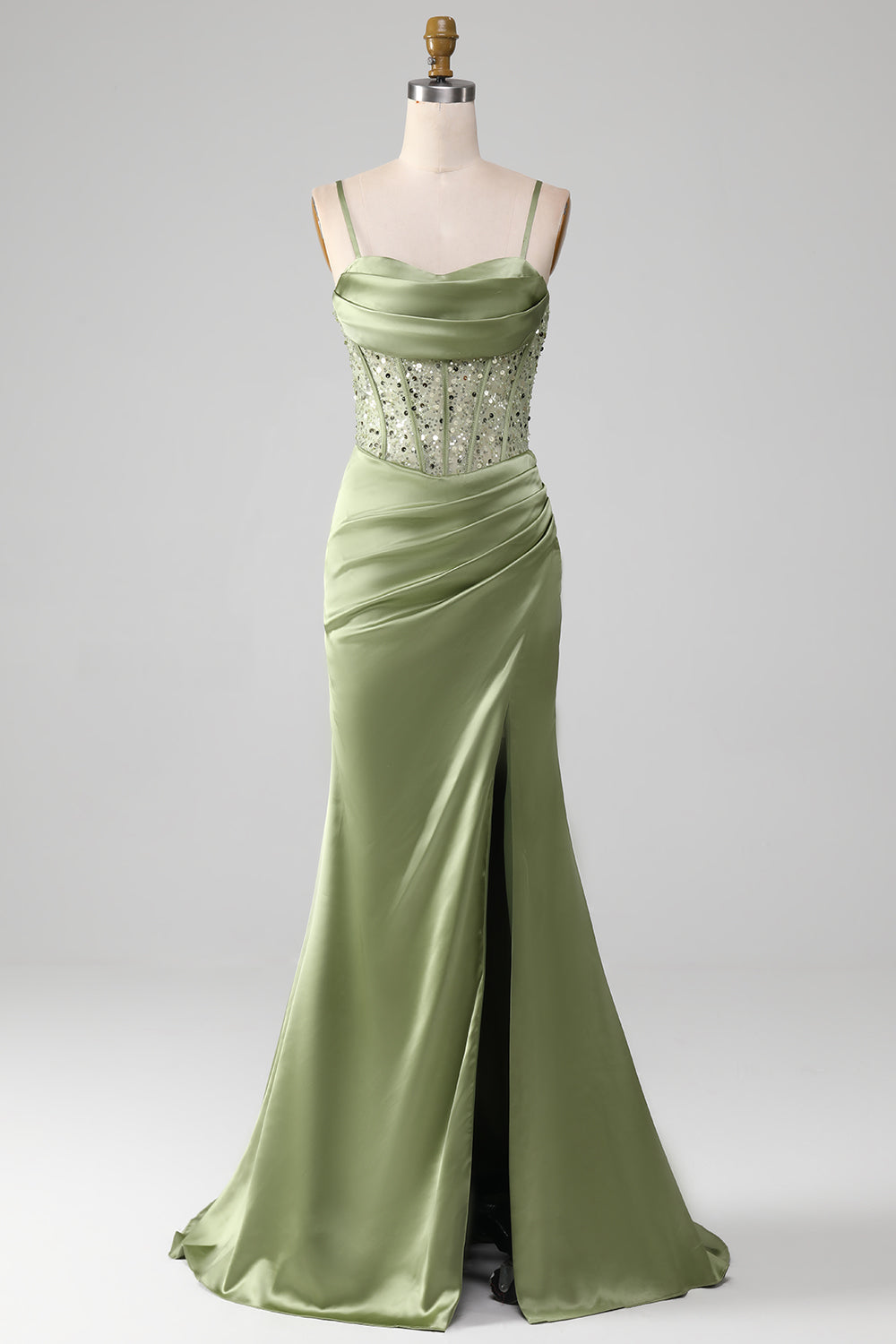
Before a single garment is chosen, understanding color is paramount. Timeless style often leans on a palette that is harmonious, sophisticated, and psychologically resonant. Colors aren’t merely visual; they evoke emotion and perception. For instance, navy blue conveys trust and stability, cream suggests purity and calm, and charcoal grey implies strength and formality. These hues form the backbone of a timeless wardrobe because they are inherently versatile and less susceptible to the dramatic shifts of trend cycles. The science of color psychology, widely discussed in design theory and even marketing literature from institutions like the Pantone Color Institute, confirms that our environment—including the colors we wear—directly influences mood and perception. A timeless aesthetic often employs these foundational neutrals as a canvas. However, timeless does not mean colorless. It means choosing accent colors with similar enduring qualities. This is where a hue like sage green shines. Sage green is a muted, greyish-green that draws from nature. It carries the tranquility and balance associated with green—a color often linked to renewal and peace in color therapy—but tempers it with grey’s sophistication and neutrality. This makes it less seasonal than a bright emerald and more distinctive than a simple pastel. A sage green prom dress, therefore, isn’t just a dress; it’s a statement of refined taste. It stands apart from the ubiquitous blacks and reds, offering a unique yet utterly classic alternative. As noted by numerous fashion historians, including those cited in the Victoria and Albert Museum’s archives, colors inspired by the natural world have perennially cycled in and out of fashion, always retaining a core sense of elegance.
Silhouette and Cut: The Architecture of Style
If color is the soul of a garment, then silhouette and cut are its bones. A timeless silhouette is one that honors the human form without constricting it, a concept championed by designers from Cristóbal Balenciaga to Carolyn Bessette-Kennedy. The goal is to find shapes that are flattering and functional, not merely novel. This involves understanding which lines and proportions work best for your body type—be it an A-line skirt that elegantly skims the hips, a wrap dress that creates a defined waist, or a tailored blazer that structures the shoulders. The authority on this isn’t a fleeting blog post, but decades of design literature. Books like The Little Dictionary of Fashion by Christian Dior or Nancy Nix-Rice’s Looking Good Every Day emphasize the importance of clean lines and balanced proportions. A garment with a strong, simple silhouette will outlive one dominated by excessive ruffles, asymmetrical hemlines, or dramatic volume that screams of a specific era. Consider the sheath dress, the trench coat, or the perfectly fitted pair of trousers; their endurance is no accident. When applied to formalwear, this principle guides us toward elegant simplicity. A sage green prom dress with a classic A-line or column silhouette, perhaps with a tasteful slit or delicate draping, will feel fresh years from now. The focus remains on the wearer and the beautiful color, not on distracting architectural gimmicks. As the iconic fashion editor Diana Vreeland once quipped, “Elegance is refusal.” Refusing the overly complicated in favor of the perfectly proportioned is a cornerstone of timeless style.
Fabric and Quality: The Tangible Difference
Timelessness is inextricably linked to quality. A beautiful design rendered in poor fabric will quickly lose its shape, luster, and appeal. Investing in natural, high-quality materials is not elitism; it’s a strategic approach to consumption. Fabrics like silk, wool, linen, and high-grade cotton possess inherent properties that synthetics often struggle to mimic: breathability, durability, and a distinctive drape. A silk chiffon flows differently than a polyester chiffon; a wool crepe holds a sharp line with a subtle weight. Resources from authoritative textile associations and university materials science departments detail how natural fibers age gracefully, developing a patina rather than simply wearing out. When you choose a garment made from these materials, you’re investing in its lifespan. This is especially crucial for an event piece like a prom dress. A sage green prom dress crafted from silk satin or a blended fabric with a high natural fiber content will not only feel luxurious against the skin but will also photograph beautifully, resist wrinkling, and can even be preserved as a future heirloom. Quality also manifests in construction: finished seams, secure zippers, and thoughtful lining. These details are the hallmarks of a garment built to last. In an era of fast fashion, choosing quality is a radical act of personal style and sustainability. It’s about owning fewer, but better, things—a philosophy echoed by style authorities from Marie Kondo to the slow fashion movement documented on platforms like The Good Trade.

Accessorizing with Intention: The Final Layer
Accessories are the punctuation marks of an outfit. Done well, they elevate and personalize; done poorly, they clutter and confuse. The timeless approach to accessorizing is one of restraint and cohesion. Instead of wearing all your favorite pieces at once, select a few that complement the outfit’s color, era, and mood. For metallic tones, consider gold or rose gold with warmer hues like sage, cream, or burgundy, and silver or platinum with cooler tones like navy, grey, or icy pastels. This isn’t arbitrary; it’s based on traditional color wheel theory, where warm and cool undertones are harmonized. Statement pieces should be just that—a single, impactful item. A pair of elegant drop earrings, a delicate necklace, or a structured clutch can complete a look without competing with it. When your dress is a standout color like sage green, you have a wonderful opportunity. The muted tone pairs exquisitely with gold for a warm, romantic feel, or with pearls for a classic, vintage-inspired look. Imagine a sage green prom dress accessorized simply with gold hoops and a slim bracelet. The look is complete, polished, and entirely focused on the elegance of the whole. As the legendary Coco Chanel advised, “Before you leave the house, look in the mirror and take one thing off.” This mantra champions the power of edited sophistication over maximalist accumulation, a principle validated by the consistently minimalist aesthetics seen in revered fashion photography from figures like Peter Lindbergh.
Beyond the Occasion: Building a Lasting Wardrobe
The principles guiding a timeless prom dress choice are the very same that can build a resilient, day-to-day wardrobe. It starts with a core of neutral basics—the white shirt, the dark denim, the tailored blazer, the black dress. These are your wardrobe “bones,” interchangeable and reliable. Onto this foundation, you add seasonal pieces or statement items in enduring colors and cuts. A cashmere sweater in heather grey, a leather skirt in a cognac brown, or a coat in that perennial sage green. Each purchase is interrogated: Does it fit impeccably? Is it made of good material? Does it work with at least three other items I own? This curated approach saves money in the long run and eliminates daily outfit stress. It brings a professional knowledge of personal style to your closet, ensuring you always have something appropriate and confident to wear. And while investing in quality is key, timeless style doesn’t demand a limitless budget. Seek out sales on classic pieces from reputable brands, explore consignment stores for well-made vintage finds, and prioritize spending on items you’ll wear most often. The goal is cost-per-wear: a beautifully made sage green prom dress worn for one magical night and then possibly altered for other formal events, or a quality wool coat worn for winters on end, offers far greater value than a dozen trendy, disposable items.

The Personal Touch: Confidence as the Ultimate Accessory
Ultimately, the most timeless element of any style is the person wearing it. Garments, no matter how classic or expensive, are merely a shell without the confidence and character of the individual. Timeless style is deeply personal. It’s about knowing what makes you feel powerful, comfortable, and authentic. This might mean adapting a classic silhouette to suit your personal flair—pairing a tailored trouser suit with vintage sneakers, or wearing a family heirloom piece with a modern minimalist dress. It’s the intersection of external guidelines and internal intuition. When you wear a color that resonates with you, like the calming yet distinctive sage green, or a cut that makes you stand taller, you project an assurance that is inherently stylish. This concept is echoed by countless style icons, from the poised Audrey Hepburn to the effortlessly cool Jane Birkin. Their style endured not because they slavishly followed rules, but because they understood them and then infused their outfits with their own spirit. So, whether you’re stepping out in a stunning sage green prom dress or your favorite pair of jeans and a tee, wear it with ownership. That conviction is the final, non-negotiable ingredient in a look that never goes out of fashion.

Building a timeless look is a journey of discernment, not a destination dictated by a magazine. It is a practice of choosing substance over spectacle, quality over quantity, and personal resonance over popular noise. It’s an approach that finds profound beauty in a perfectly balanced color like sage green, appreciates the architecture of a simple seam, and values the feel of fine fabric. This philosophy empowers you to dress for yourself, for the long term, and for the quiet confidence that comes from knowing your style has a foundation deeper than the trends of the moment. It’s about creating a wardrobe—and making choices for special occasions—that feel as right tomorrow as they do today.