

How to Style Sexy Cocktail Dresses for Effortless Glamour
Glamour isn’t about trying too hard; it’s about the confident, seemingly effortless curation of elements that command attention and exude sophistication. At the heart of this pursuit lies the sexy cocktail dress, a garment that occupies the thrilling space between daytime polish and full evening grandeur. Mastering its styling is less about following rigid rules and more about understanding the interplay of silhouette, fabric, and personal expression. This guide moves beyond superficial tips, delving into the objective principles of design, color psychology, and social semiotics to equip you with the knowledge to transform any sexy cocktail dress into a personal statement of effortless glamour.
The Foundation: Understanding the “Sexy Cocktail Dress” Silhouette
The term “cocktail dress” itself is historically rooted in the post-prohibition era of the 1920s-1950s, designed for semi-formal social gatherings where cocktails were served. Its modern iteration, the sexy cocktail dress, evolves this concept by emphasizing the female form through strategic cut and fit. From a design perspective, glamour in this context is often achieved through the principle of “negative space”—the artful exposure of skin in contrast to covered areas. A study from the Fashion Institute of Technology notes that silhouettes like the sheath, fit-and-flare, and mermaid are perennial because they follow the natural curves of the body, creating a streamlined, powerful line. The “sexiness” is not inherent in the amount of skin shown but in the precision of the cut. A perfectly tailored knee-length sheath dress can be profoundly more glamorous than an ill-fitting, overly revealing one. The key is balance: a high neckline can be paired with a dramatic open back; a long sleeve can complement a daring slit. This balance creates intrigue and sophistication, the hallmarks of effortless glamour. As the iconic designer Coco Chanel once articulated, “Elegance is refusal.” The glamour of a sexy cocktail dress often lies in what is suggested, not fully revealed.
Color Psychology and Fabric Diction: Speaking Without Words
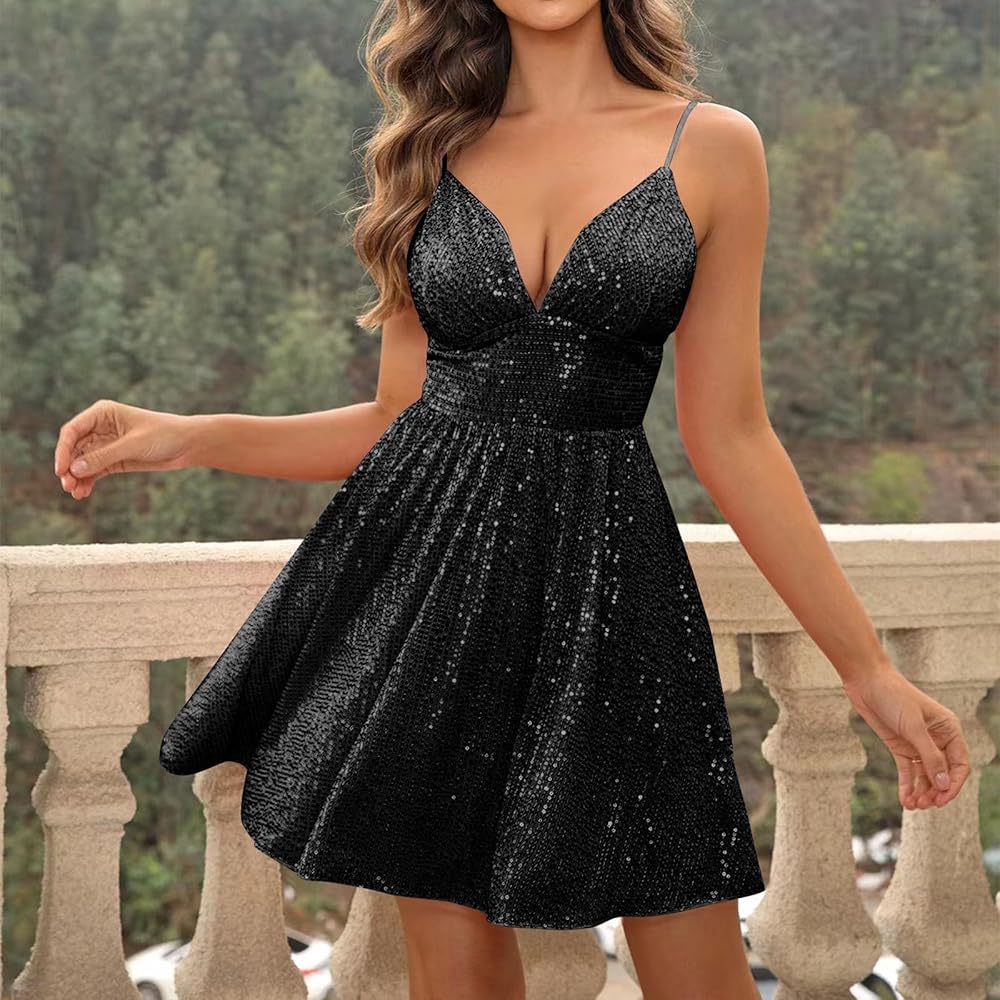
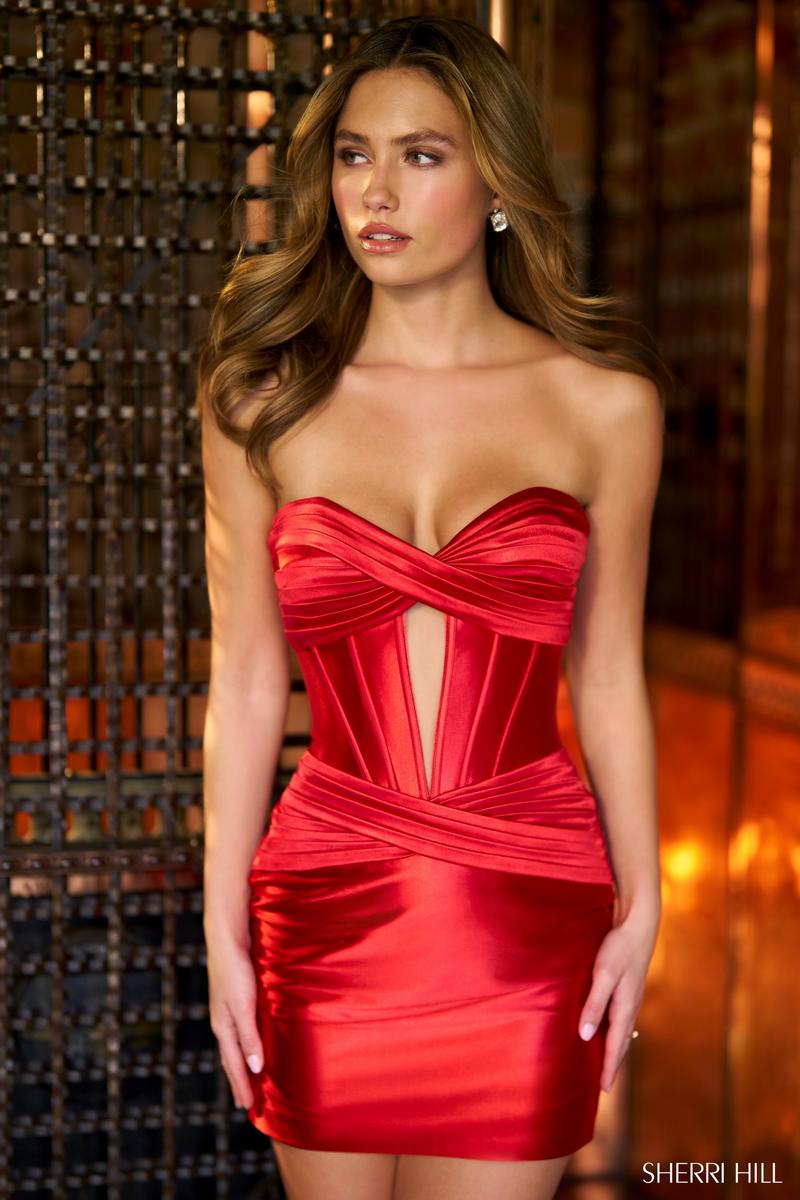
Your choice of color and fabric communicates before you utter a word. Color psychology, a field explored in both marketing and design literature from institutions like the University of British Columbia, provides a scientific backbone for stylistic choices. A little black dress (LBD) remains the quintessential sexy cocktail dress not just because of tradition, but because black is objectively perceived as powerful, sophisticated, and slimming—it creates a visual “anchor” that focuses attention on the wearer’s form and face. Conversely, red, extensively studied for its social and biological impacts, is linked to confidence, attraction, and energy. Wearing a red cocktail dress is a deliberate, powerful statement. Jewel tones like emerald green or sapphire blue convey luxury and depth, while metallics like silver or rose gold inherently reflect light, literally making the wearer a center of luminosity. Fabric choice is equally critical. The “diction” of fabric—its texture, weight, and movement—defines the dress’s character. A heavy silk satin drapes and gleams with luxurious weight, ideal for a classic Hollywood glamour. A delicate chiffon or georgette offers ethereal movement, perfect for a romantic, soft-glam effect. Crepe provides a matte, streamlined look that is modern and chic. Understanding this fabric lexicon allows you to match the material to the message you wish to convey, ensuring your glamour feels authentic and intentional.

The Architecture of Accessories: Building Upon the Base
Accessories are the architectural details that complete the edifice of your outfit. The goal for effortless glamour is cohesion, not clutter. This follows the Pareto principle, or the 80/20 rule, often applied to design: let the dress be the 80%, and let accessories provide the impactful 20%. If your sexy cocktail dress features intricate beading or a bold print, opt for minimalist jewelry—a single statement cuff or elegant studs. A simple sheath dress becomes a canvas for dramatic pieces: a layered necklace, chandelier earrings, or a sculptural clutch. Footwear must bridge style and comfort; glamour evaporates if you’re visibly uncomfortable. A sleek pointed-toe pump elongates the leg line universally, while a strategic ankle strap can add modern flair. Consider the insights from stylists like Rachel Zoe, who famously stated on her social media platforms, “Style is a way to say who you are without having to speak.” Your accessories are that punctuation. A metallic belt can define the waist, a silk scarf can add a pop of color, and the right handbag—structured for polish or beaded for fun—finalizes the narrative. The science here is in proportion and scale; accessories should complement your body frame and the dress’s details without competing.
Beauty and Grooming: The Finishing Layer of Polish
Effortless glamour is a holistic concept. The most exquisite dress can be undermined by neglected grooming, while a simple dress can be elevated to glamorous heights with polished beauty details. This isn’t about a full, heavy makeup look but about strategic enhancement. The focus should be on one feature: a bold lip with otherwise neutral eyes, or a smoky eye with a nude lip. Skincare is the non-negotiable foundation; glowing, hydrated skin provides the perfect canvas. Hairstyle should converse with the dress’s neckline. An updo (a chic chignon or messy bun) showcases dramatic earrings and an open neckline, while loose waves complement strapless or sweetheart styles. Fragrance, often called the “invisible accessory,” completes the sensory experience. The authority here comes from the beauty industry’s decades of research into presentation, echoed by figures like Bobbi Brown, whose philosophy centers on enhancement rather than masking. This layer of polish signals attention to detail, a critical component of perceived effortlessness. It communicates that you have invested in yourself, which in turn commands respect and completes the glamorous aura.
Context is King: Adapting Glamour to the Occasion
True style intelligence lies in contextual adaptation. A sexy cocktail dress styled for a rooftop summer party will differ from one chosen for a winter gallery opening. Effortless glamour respects the environment. For a daytime or garden party event, opt for lighter fabrics, brighter or pastel colors, and lower heels. Accessories can be more playful—colorful clutches, straw details. For a formal evening event, embrace darker hues, richer fabrics, and more dramatic jewelry. Consider the temperature and venue logistics; a pashmina or tailored blazer can be both a stylish and practical layer. This situational awareness is a form of social intelligence. As explored in sociological texts on dress codes, adhering to—or artfully bending—the expected norms demonstrates confidence and cultural fluency. It shows you understand the assignment, allowing your personal glamour to shine within appropriate boundaries, thus avoiding the awkwardness of being over- or under-dressed, which instantly shatters the illusion of effortlessness.
Investing Wisely: Professional Knowledge for Discerning Choices
Building a wardrobe centered on effortless glamour is an exercise in smart curation, not endless acquisition. Professional knowledge here saves money and ensures quality. Look for dresses with lined interiors, finished seams (French seams are a mark of quality), and secure zippers. Natural fibers like silk, wool, and high-quality cotton blends often wear and breathe better than synthetics, though modern technical fabrics can offer excellent performance. Understand your body’s proportions—whether you have an hourglass, pear, or athletic shape—and seek cuts that celebrate them. Brands often offer seasonal sales, and outlet collections can provide access to premium designs at a fraction of the cost. The discounted price of a well-made classic dress is a far better investment than the full price of a trendy, poorly constructed piece. This approach aligns with the “cost per wear” philosophy advocated by financial and style experts alike: a $300 dress worn 30 times costs $10 per wear, offering both economic and sustainable value. Your goal is a capsule of cocktail dresses where each piece feels special, fits perfectly, and can be styled in multiple ways.

Ultimately, styling a sexy cocktail dress for effortless glamour is an exercise in informed self-expression. It merges the objective science of color, design, and proportion with the subjective art of personal taste. It begins with understanding the foundational power of the dress itself, builds with intentional choices in color, fabric, and accessories, is polished through meticulous grooming, and is perfected by savvy, context-aware intelligence. When these elements harmonize, the result is not just an outfit, but an aura—a compelling, confident presence that appears not to have been labored over, but simply, and magnificently, embodied. That is the pinnacle of glamour: when you are not wearing the dress, but the dress, in all its styled perfection, is unmistakably, effortlessly you.