

How to Style Sexy Cocktail Dresses for Effortless Evening Glamour
The allure of an evening event lies not just in the occasion itself, but in the transformative power of the attire you choose. Among the myriad of options, the sexy cocktail dress stands as a sartorial keystone, a garment designed to bridge the gap between sophisticated elegance and confident allure. Achieving that coveted state of “effortless glamour” is less about following rigid rules and more about understanding the harmonious interplay between your personal anatomy, the dress’s architecture, and the strategic deployment of accessories. This guide moves beyond superficial tips, delving into the objective principles of style, fit, and psychology to empower you to master the art of the evening ensemble. We’ll integrate perspectives from design theory, cultural commentary, and the distilled wisdom of style icons to provide a comprehensive blueprint for looking and feeling impeccably glamorous.
The Foundation: Deconstructing the Sexy Cocktail Dress
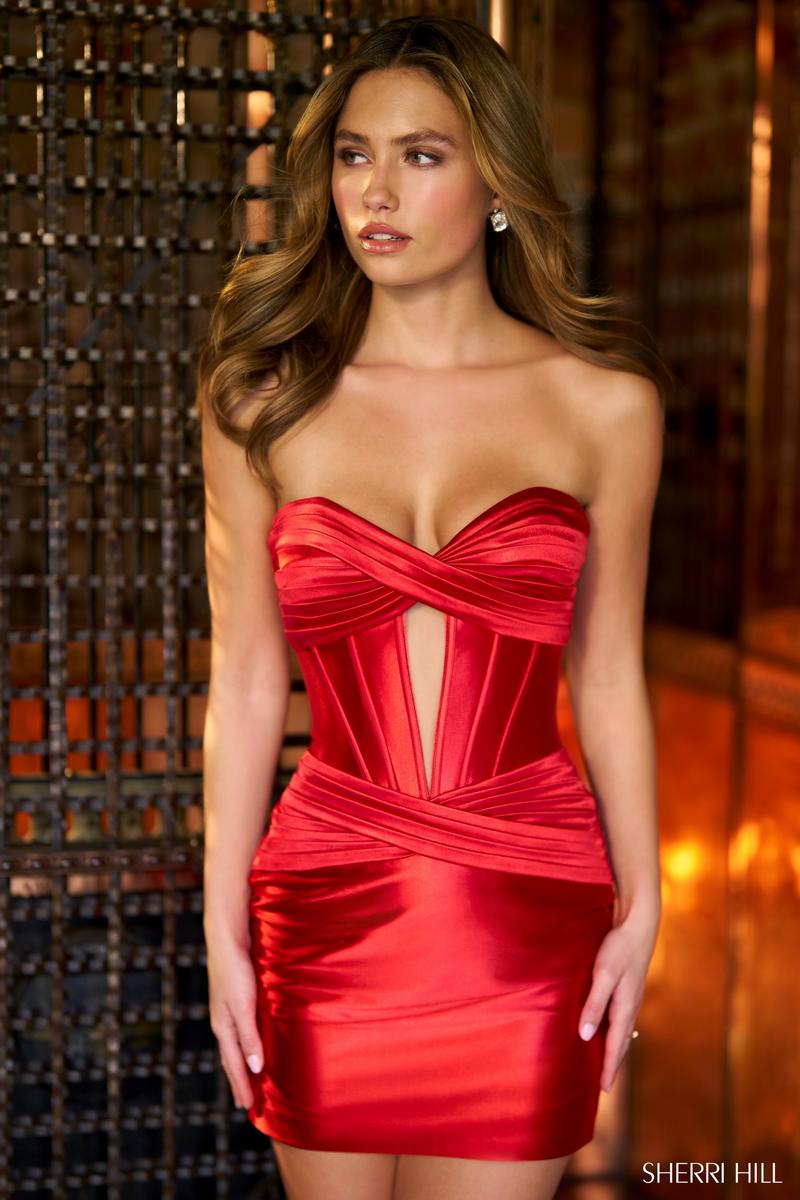
Before styling, one must understand the subject. A cocktail dress, by its historical definition originating in the post-Prohibition era of the 1920s-1950s, is a semi-formal dress typically falling at or just above the knee, intended for late-afternoon or early-evening social gatherings. The adjective “sexy cocktail dresses” modifies this classic, introducing elements that emphasize and celebrate the wearer’s form. This is not merely about exposure, but about intelligent design. From a design perspective, “sexiness” in this context is often achieved through principles like the strategic use of negative space (e.g., cut-outs), the manipulation of silhouette through draping or tailoring that follows the body’s curves (known as the “moulage” technique in haute couture), and the careful balance of concealment and revelation—a concept famously explored by fashion theorist Anne Hollander in “Seeing Through Clothes.” A study from the Fashion Institute of Technology notes that garments which employ bias cuts, a technique popularized by Madeleine Vionnet in the 1930s, inherently cling to and move with the body, creating a sensual, fluid silhouette that is both elegant and alluring. Therefore, selecting your dress is the first critical step. Analyze its inherent features: is it a bodycon that relies on stretch and fit, an A-line that cinches at the waist, or a slip dress that depends on delicate draping? Your styling choices will stem from this foundation.

The Architecture of Fit: Your Non-Negotiable Priority
Glamour cannot be pasted onto a poorly fitting garment; it is woven into the seams of a perfect fit. The most expensive, beautifully designed sexy cocktail dress will fail if it does not honor your unique proportions. This is where objective, almost scientific, principles take precedence over trends. Tailoring is not a luxury; it is a necessity. Consider the “Golden Ratio” (approximately 1.618), a mathematical ratio often found in nature and art, which has been applied to fashion design to create visually pleasing proportions. While not a rigid rule, it underscores the importance of balance. A dress that creates an illusion of this ratio—perhaps by defining the waist to create a balanced relationship between the torso and skirt—is inherently more harmonious. As the legendary designer Christian Dior once stated, “Without foundations, there can be no fashion.” For a cocktail dress, the foundation is your own body, and the dress must be its complement. Seek professional alteration for key areas: the bust darts should point to the apex of your bust, the waistline should sit at your natural waist (the narrowest part of your torso), and the hem should fall at a length that flatters your leg line. A well-tailored dress doesn’t just look better; it feels better, granting you the physical comfort that underpins true confidence. This confidence is the most potent accessory you can wear, a viewpoint echoed by countless style authorities from Coco Chanel to modern-day influencers like Alexa Chung, who consistently emphasizes the power of clothes that “feel like you.”
The Alchemy of Accessories: Strategic Accentuation
With a perfectly fitted dress as your canvas, accessories are your pigments and brushes. The goal is strategic accentuation, not clutter. This follows the Pareto principle, or the 80/20 rule, applied to style: let the dress command 80% of the attention, and use accessories to contribute the decisive 20%. If your sexy cocktail dresses feature intricate beading, a high neckline, or bold cut-outs, opt for minimalist jewelry—perhaps a single, elegant cuff bracelet or sleek drop earrings. Conversely, a simple, sleek sheath dress becomes a stage for statement pieces. The psychological impact of accessories is significant. In her book “The Psychology of Fashion,” Professor Carolyn Mair explains that accessories are often used as non-verbal communication tools, signaling personality, status, or mood. A geometric clutch conveys modernism, while a vintage-inspired velvet pouch suggests romance. Footwear is part of this equation. A classic pointed-toe pump, grounded in the principles of geometry, elongates the leg line, creating a continuous, streamlined silhouette. As fashion historian Valerie Steele notes in her publications for The Museum at FIT, the stiletto heel, since its popularization in the 1950s, has been inextricably linked with a powerful, sophisticated femininity. Choose a heel height you can navigate with grace; effortless glamour is shattered by a stumble.
Beauty and Beyond: The Finishing Symphony
Your hairstyle, makeup, and even your posture are the final, unifying movements in this symphony of style. They should be in dialogue with your dress, not shouting over it. For a dress with a dramatic open back or detailed straps, an updo or sleek bob draws attention to these features. A dress with a high neckline might be balanced with soft, voluminous waves. Makeup should follow a similar principle of focal point management. If the dress is the vibrant star, a neutral, glowing complexion with a bold lip can be perfect. If the dress is understated, a smoky eye can add the necessary drama. This approach is championed by makeup artists like Lisa Eldridge, who in her YouTube tutorials emphasizes “creating a balance” so that one feature shines without competing. Beyond the visual, consider the kinesthetic. Posture is the invisible accessory. Standing with your shoulders back and spine aligned not only improves how the dress hangs on your body but also projects an aura of self-assurance. This mind-body connection is well-documented; research from Harvard Business School, as popularized by social psychologist Amy Cuddy, suggests that “power posing” can actually increase feelings of confidence. When you step out in your chosen sexy cocktail dress, own the space you occupy.
Intelligent Glamour: Knowledge as Your Ultimate Style Tool
True effortless glamour is underpinned by intelligent choices. This includes knowing where to invest and where to save. Understanding fabric qualities—like the way silk charmeuse drapes versus the structural hold of a quality ponte knit—allows you to make informed purchases that offer longevity. Furthermore, savvy shopping is part of modern style intelligence. Many reputable retailers offer significant discounts during seasonal sales or through promotional email lists. Investing in a classic, well-constructed black cocktail dress at a discounted price from a trusted brand is a smarter long-term strategy than frequent purchases of trend-driven, poorly made pieces. This approach to building a capsule evening wardrobe is advocated by sustainable fashion experts and stylists alike, promoting a philosophy of “fewer, better things,” as articulated by authors like Elizabeth L. Cline. Your glamour, therefore, becomes a product of both aesthetic understanding and practical acumen.
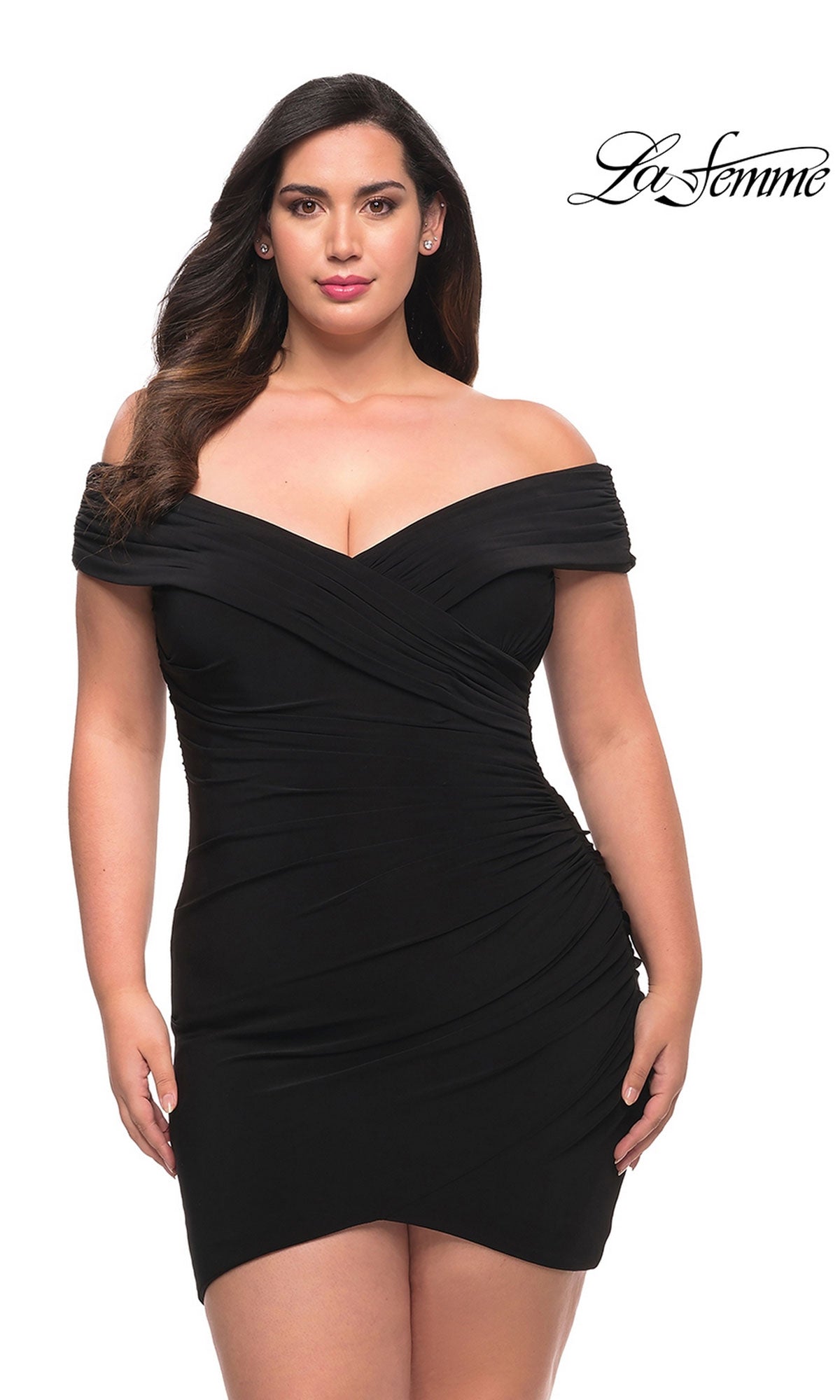
The journey to effortless evening glamour begins and ends with a synthesis of self-knowledge and stylistic principle. It is the marriage of a flawlessly fitted sexy cocktail dress with the deliberate, thoughtful choices in everything that accompanies it. By respecting the architecture of your body, applying the science of proportion and balance, and using accessories and beauty as tools for strategic emphasis, you transcend merely wearing a dress. You embody an event. You command the room not through loudness, but through the quiet, undeniable authority of looking utterly and completely like yourself—only more refined, more confident, and utterly radiant. That is the definitive glamour.