

How to Style Sexy Cocktail Dresses for Effortless Evening Glamour
The allure of an evening event lies not just in the occasion itself, but in the transformative power of the attire we choose. At the heart of this transformation is the sexy cocktail dress—a garment that embodies a specific, potent blend of sophistication, confidence, and personal expression. Achieving “effortless glamour” is less about following rigid rules and more about understanding the harmonious interplay between the dress’s design, your unique physique, and the strategic accents you add. It’s a science of silhouette, color, and texture, and an art of personal narrative. This guide delves into the foundational principles of styling these iconic dresses, moving beyond fleeting trends to embrace timeless techniques that ensure you command the room with grace and confidence.
The Foundation: Understanding the Silhouette and Your Form
Before a single accessory is considered, the primary relationship is between the dress and the body it adorns. The term “sexy” in the context of a sexy cocktail dress is not monolithic; it is defined by a celebration of form through cut and fit. Scientifically, our perception of aesthetic appeal in clothing is often linked to principles of balance and proportion, concepts explored in design theory from institutions like the Rhode Island School of Design. A well-chosen dress creates a balanced silhouette by highlighting your most confident features. For instance, the iconic “little black dress” popularized by Coco Chanel and later exemplified by Audrey Hepburn in Breakfast at Tiffany’s derived its power from its clean, columnar silhouette—a sexy suggestion of form rather than an explicit reveal. Today, silhouettes range from the body-con mermaid style, which follows the natural curves, to A-line dresses that cinch at the waist and flow outward, creating an hourglass illusion. The key is objective assessment: a fit-and-flare dress might balance broader shoulders, while a sleek sheath can elongate a petite frame. The goal is a symbiotic fit where the dress feels like a second skin, allowing for movement and comfort, because true glamour is undermined by constant adjustment.
Fabric and Color: The Psychology of Texture and Hue
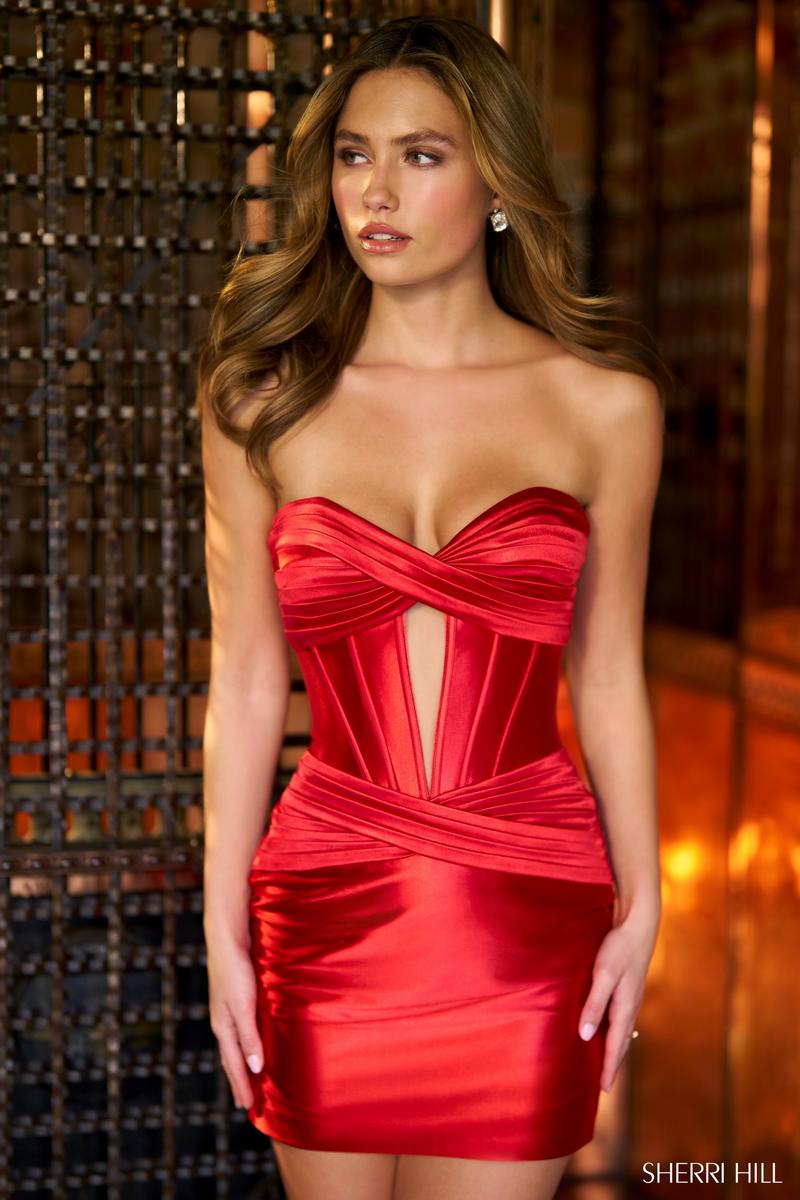
The material of your dress communicates before you utter a word. Fabrics possess inherent psychological and sensory properties. Satin and silk charmeuse, with their liquid-like drape and luminous sheen, reflect light softly, contouring the body and exuding classic luxury. In contrast, lace offers a textured, tactile quality that plays with notions of revelation and concealment, a duality long associated with romantic allure. As noted by fashion historian Valerie Steele in her work for The Museum at the Fashion Institute of Technology, fabrics like lace have historically carried complex messages about femininity and status. Color psychology further amplifies this dialogue. While the canonical LBD is a universally flattering powerhouse, color choices are strategic. Red, extensively studied for its psychological impact, is frequently cited in research from sources like the Journal of Personality and Social Psychology for its associations with confidence and attraction. A deep emerald green or sapphire blue can convey regal sophistication, while metallics—gold, silver, rose gold—literally capture and reflect the ambient light of an evening, making the wearer a focal point. The choice is a personal statement: a crimson sexy cocktail dress makes a bold, assertive claim, while a navy velvet one whispers understated power.
The Architecture of Accessories: Building Upon the Base
Accessories are the architectural elements that complete the structure of your look. The principle here is intentional curation, not accumulation. Shoes establish your foundation; a classic pointed-toe pump elongates the leg line, creating a seamless flow from hem to toe, a concept of visual continuity supported by principles of line in art and design. Conversely, a strappy sandal can add delicate detail if the dress is minimalist. Jewelry requires a keen eye for balance. As the famed designer Coco Chanel once advised, “Before you leave the house, look in the mirror and take one thing off.” This underscores the virtue of restraint. If your dress features intricate beading or a high neckline, perhaps forego a necklace in favor of statement earrings and a few well-placed rings. A clutch is both functional and sculptural; its size and embellishment should complement, not compete. The modern philosophy, echoed by stylists on platforms like YouTube, advocates for a “one statement piece” rule to maintain a cohesive focal point.

Beauty and Grooming: The Finishing Canvas
Your hair, makeup, and skincare form the living canvas against which the dress exists. This is where “effortless” is most meticulously crafted. Makeup should harmonize with the dress’s intensity. A smoky eye paired with a neutral lip is a timeless formula for a dark, dramatic sexy cocktail dress, while a bold red lip can stand alone with a simpler silhouette. Hairstyling considers necklines: an updo (a chic chignon or messy bun) beautifully showcases statement earrings and an off-the-shoulder neckline, while loose waves can soften the look of a severe sheath. The underlying element often overlooked is skincare. A well-moisturized, glowing complexion provides the perfect base, reducing the need for heavy foundation and enhancing the overall effect of health and vitality. This holistic approach ensures that the attention remains on you as a complete portrait of glamour, not just on the dress you are wearing.
Context is King: Adapting to the Venue and Ambiance
True style intelligence lies in contextual awareness. A sexy cocktail dress styled for a rooftop summer gala will differ from one chosen for a winter museum fundraiser. For outdoor evening events, consider fabrics like chiffon or lighter silks, and perhaps incorporate a stylish wrap or tailored blazer for when temperatures drop—a practical tip often highlighted in fashion forums on Quora. The lighting of the venue is a critical factor: dim, candlelit rooms call for luminous fabrics and finer jewelry details that catch subtle light, while a brightly lit modern art gallery might allow for more graphic, architectural dress shapes and bold color blocking. The “effortless” quality emerges from looking and feeling perfectly suited to your environment, allowing you to engage fully in the evening’s experience without self-consciousness.

Investment and Intelligence: Building a Timeless Wardrobe
Building a repertoire of evening glamour involves strategic investment. The goal is to acquire versatile pieces that offer a high cost-per-wear value. This is where professional knowledge meets smart shopping. Instead of chasing fast-fashion trends, invest in one or two impeccably constructed dresses in neutral or deeply saturated colors that can be reinvented through accessories. Look for quality construction: fully lined garments, secure zippers, and finished seams. To bring this knowledge to you with tangible value, consider this: many premium retailers offer significant discounts during seasonal sales or through loyalty programs. For example, investing in a classic silhouette from a brand like Terani Couture or Jovani during a promotional event can secure a centerpiece garment for your wardrobe at a fraction of the original cost. The true discount is in the longevity and versatility of the piece.
The journey to effortless evening glamour is a personal curation of self. It begins with the foundational choice of a sexy cocktail dress that resonates with your form and spirit, then builds layer upon layer with thoughtful accessories, harmonious beauty, and contextual intelligence. It is a deliberate practice that blends objective design principles with subjective expression. When these elements align, the result is not merely an outfit, but an aura of confidence that is both captivating and authentically yours—the very essence of glamour that turns an evening into an event.
