

How to Style Sexy Cocktail Dresses for Every Occasion
The allure of a cocktail dress lies in its transformative power. It is not merely a garment but a statement piece that navigates the delicate balance between sophistication and allure, making it a cornerstone of modern social attire. A sexy cocktail dress specifically, when styled with intention, becomes a tool for personal expression, adapting seamlessly from a corporate gala to an intimate rooftop soirée. This guide delves beyond superficial trends, offering a foundational approach to styling that merges objective design principles with the subjective art of personal presentation. We will explore the architectural elements of the dress itself, the alchemy of accessories, and the contextual intelligence required to master any event.
The Architectural Foundation: Understanding the Silhouette
Before adorning yourself with jewels or selecting heels, one must understand the canvas. The term “cocktail dress” historically refers to a semi-formal dress shorter than a full-length gown, typically worn for afternoon or evening social events. The introduction of the “sex appeal” dimension involves specific silhouettes that emphasize the body’s form. Scientifically, these designs often employ principles of visual perception, such as the hourglass emphasis, which leverages the brain’s innate preference for symmetrical, waist-defined shapes as indicators of vitality. A sheath dress, for instance, offers a streamlined, vertical line that creates an illusion of height and sleekness. In contrast, a fit-and-flare or A-line dress cinches at the waist before flowing outward, emphasizing the narrowest part of the torso—a concept often cited in design literature from institutions like the Fashion Institute of Technology as a classic technique for creating a focal point. The little black dress, immortalized by Coco Chanel and later given a dose of Hollywood glamour by Audrey Hepburn in Breakfast at Tiffany’s, serves as the universal prototype. However, a sexy cocktail dress today might reinterpret this through strategic cut-outs, a plunging neckline, or a high slit. These elements are not arbitrary; a study published in the journal Perception suggests that moderate levels of skin exposure, combined with fitted clothing, can enhance perceived attractiveness by highlighting body curvature without overt explicitness. Therefore, selecting your dress begins with identifying which architectural silhouette best complements your physique and aligns with the event’s formality.

The Alchemy of Accessories: Curating Your Narrative
Accessories are the punctuation marks to your sartorial sentence; they can turn a statement into a question, an exclamation, or a confident period. The styling of a sexy cocktail dress demands a curated approach to avoid visual cacophony. The golden rule, often echoed by stylists on platforms like YouTube and in editorials from Vogue, is balance. If your dress features a bold neckline or intricate detailing, opt for minimalist jewelry—perhaps a single, elegant pendant or sleek chandelier earrings that frame the face without competing. Conversely, a simple, solid-color sheath becomes the perfect backdrop for a statement necklace or a cascading pair of earrings. Footwear is not merely functional; it alters posture and silhouette. A pointed-toe stiletto elongates the leg line, complementing shorter hemlines, while a sophisticated block heel offers modernity and stability for longer events. Consider the words of legendary shoe designer Manolo Blahnik: “Shoes are the final touch, the foundation of the entire silhouette.” Your clutch or minaudière should be an extension of this philosophy—compact, elegant, and chosen for its material (satin, beaded, metallic) to either contrast or harmonize with the dress’s texture. Ultimately, each accessory should serve a purpose, whether to highlight a feature, introduce a color, or provide a textural contrast, creating a cohesive narrative around the central piece: the dress.
Contextual Intelligence: Dressing for the Occasion’s Code
The most exquisitely styled outfit can falter if it misreads the room. Contextual intelligence—the ability to interpret and adapt to the social and environmental cues of an event—is paramount. A sexy cocktail dress for a wedding guest differs from one for a nightclub or a corporate holiday party. The concept of “dress codes” exists as a social contract to ensure cohesion and appropriateness. For a black-tie optional event, sophistication reigns. A longer hemline, luxurious fabrics like velvet or silk, and refined jewelry are key. As fashion historian Valerie Steele notes in her work for The Museum at FIT, formality often correlates with fabric weight and coverage. For a trendy gallery opening or a chic birthday dinner, you have more latitude to embrace bold colors, dramatic cuts, or contemporary details like asymmetric hems or metallic threads. The setting itself provides clues: an outdoor garden party may call for floral prints or lighter fabrics, while a downtown loft event might welcome urban edge and leather accents. Always consider the host’s guidance, the venue’s aesthetic, and the event’s primary activity (standing, dancing, seated dining). This analytical approach ensures your style feels intentional and respectful, allowing the confidence that comes from knowing you are perfectly attired to shine through.
Fabric, Color, and Psychology: The Unspoken Dialogue
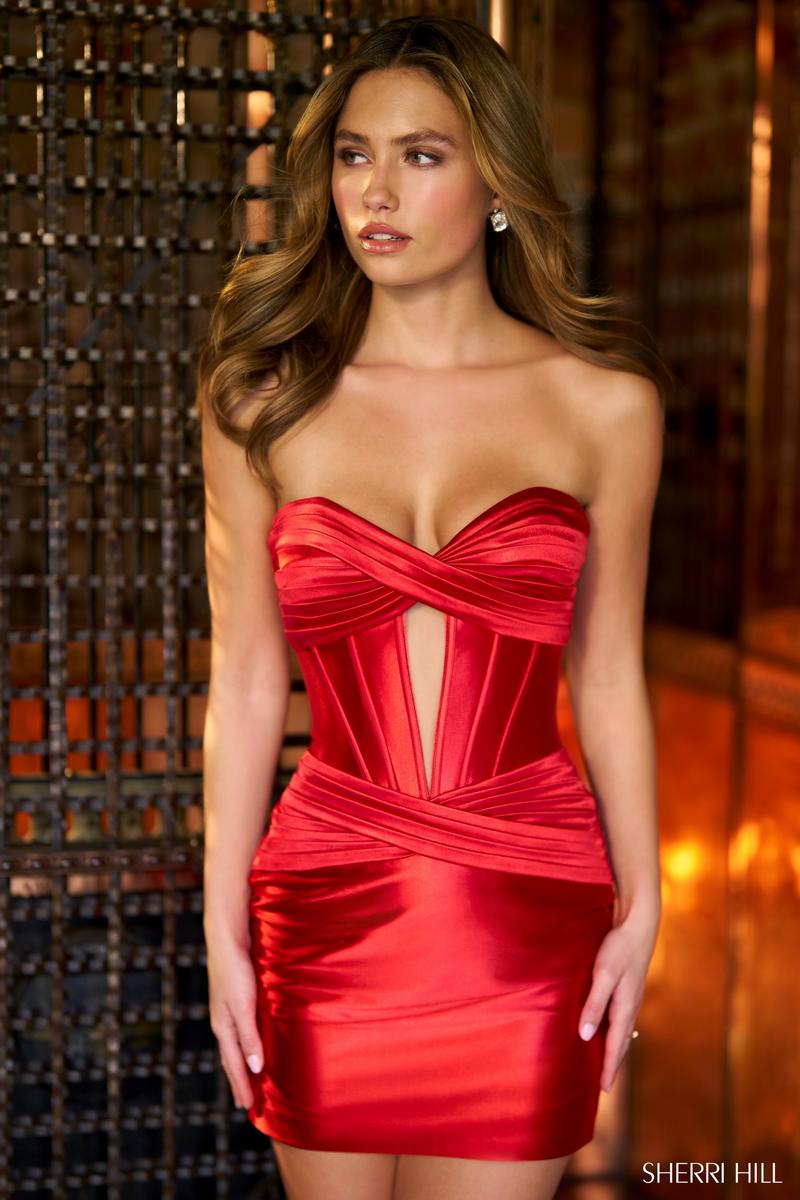
The material and hue of your dress engage in a silent yet powerful dialogue with observers, rooted in both cultural symbolism and psychological response. A crimson sexy cocktail dress, for example, is not just red. In color psychology, red is frequently associated with confidence, energy, and attraction. Research, including studies referenced in resources like Wikipedia on color symbolism, indicates it can increase perceived attractiveness and command attention—a fact leveraged by celebrities on red carpets for decades. Conversely, a dress in emerald green or deep navy conveys elegance, stability, and a touch of mystery. The fabric choice further articulates this message. The liquid drape of silk charmeuse whispers luxury and sensuality, while structured lace offers texture and a hint of vintage romance. Sequins and beading reflect light, literally making the wearer a focal point in a dimly lit room, a tactic often seen in iconic films like Moulin Rouge! where costume designer Catherine Martin used glitter to symbolize spectacle and fantasy. Understanding this unspoken dialogue allows you to choose a dress that not only fits your body but also projects your desired persona for the evening. It is the difference between making an entrance and simply arriving.

Investment and Value: Building a Versatile Arsenal
Building a wardrobe of occasion dresses need not equate to exorbitant spending. The modern approach champions strategic investment paired with savvy acquisition. The core of your arsenal should be one or two impeccably tailored, timeless sexy cocktail dresses in neutral colors—black, navy, or a deep burgundy. These serve as your sartorial anchors, their value measured in cost-per-wear over years. Brands often highlighted in university business case studies for their value proposition, like Reformation or Revolve, offer designs that blend contemporary style with quality construction. To expand your options seasonally, explore discounted prices during major sales events or on dedicated platforms like SSENSE or Net-a-Porter during their clearance cycles. The key is to discern between a fleeting trend and a dress with enduring style elements. A dress with a classic silhouette but a current print or sleeve detail offers the best of both worlds. Furthermore, consider rental services for one-off extravagant events; this aligns with a growing circular fashion economy, allowing access to designer pieces without the long-term commitment and full price. This balanced strategy ensures you are always prepared, combining the confidence of quality investment pieces with the fun of seasonal updates.

Mastering the art of the cocktail dress is an exercise in self-knowledge and external awareness. It begins with recognizing the dress as a structured form, enhances it with purposeful accessories, and culminates in the intelligent application of that ensemble to a specific social context. By understanding the principles of silhouette, the psychology of color, and the strategy of investment, you transform the act of dressing from a routine into a creative and confident expression. The perfect sexy cocktail dress, styled with thought and worn with assurance, is more than clothing—it is your personal armor and invitation to the world, ready for any occasion that comes your way.