

How to Style Sexy Cocktail Dresses for Effortless Glamour
The allure of a cocktail event lies in its promise of sophistication, social sparkle, and a chance to express a curated version of oneself. At the heart of this sartorial opportunity is the sexy cocktail dress, a garment that transcends mere clothing to become a tool for personal narrative. Achieving “effortless glamour” is not about neglecting effort, but about mastering the principles of design, psychology, and styling so thoroughly that the final presentation appears seamless and innate. This guide moves beyond subjective opinion, grounding its advice in objective principles of aesthetics, historical context, and the distilled wisdom of style authorities. We will deconstruct the elements that transform a dress from simply being worn to being wielded with confidence.
The Architectural Foundation: Silhouette and Your Form
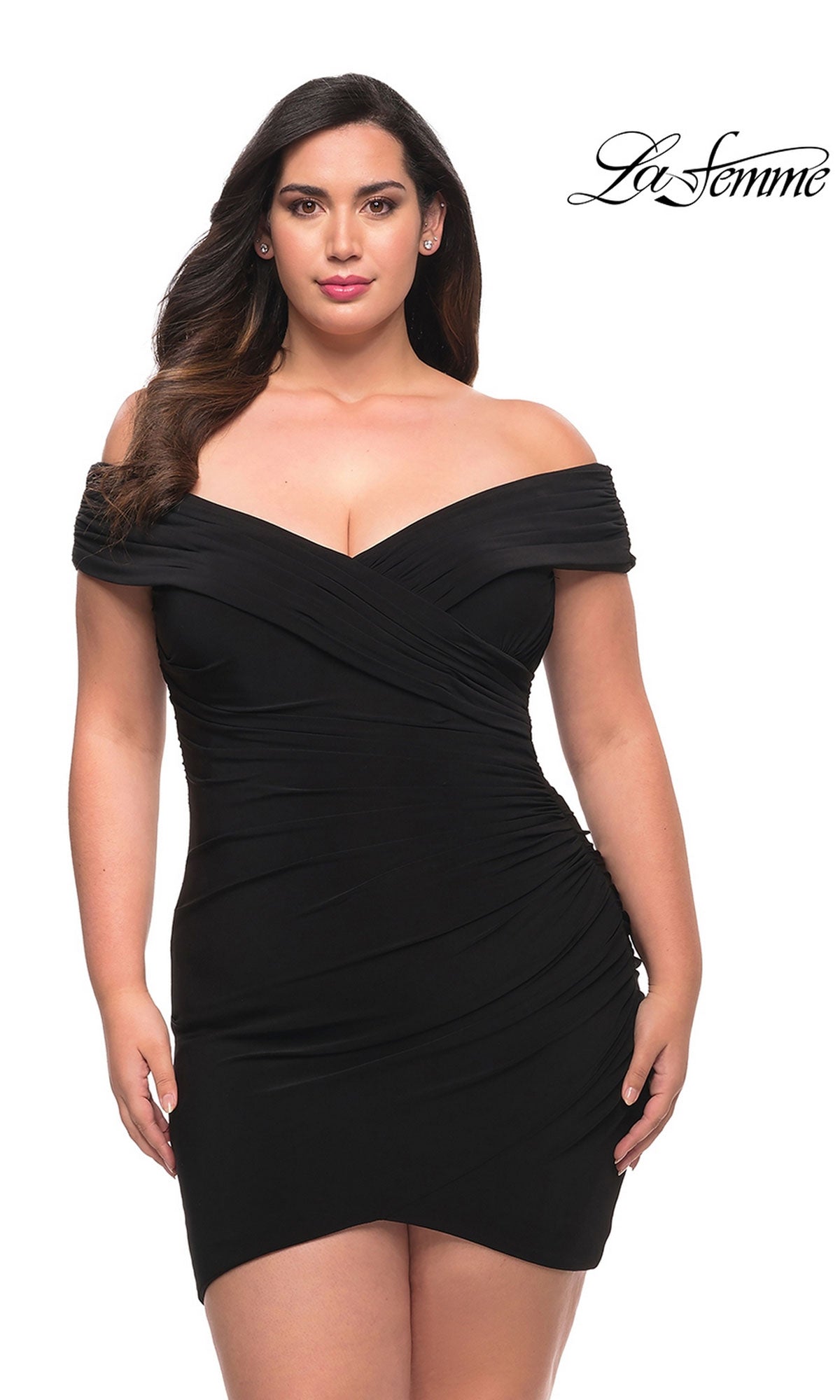
Before a single accessory is considered, the foundation of glamour is laid by the dress’s architecture—its silhouette. The concept of silhouette in fashion refers to the overall shape a garment creates on the body. Scientific studies in human perception, such as those referenced in psychological literature from institutions like Stanford University, suggest that certain shapes and lines can subconsciously communicate messages like confidence, approachability, or authority. The iconic sexy cocktail dress often employs silhouettes that celebrate the female form through balanced proportions. The sheath dress, for instance, offers a streamlined column that emphasizes verticality, creating an illusion of height and sleekness. This silhouette finds its rationale in the golden ratio, a mathematical proportion (approximately 1:1.618) repeatedly observed in nature and art as fundamentally pleasing to the human eye. As fashion historian Valerie Steele notes in her work for The Museum at the Fashion Institute of Technology, the mid-20th century popularization of the cocktail dress by designers like Christian Dior relied heavily on manipulating silhouette—nipping the waist and flaring the skirt—to create an hourglass shape that aligns with these classical ideals of beauty. Therefore, selecting a silhouette is not a random choice; it is a strategic decision about which geometric lines will best harmonize with your unique physique to create a powerful, cohesive visual statement.

Fabric as the Language of Sensation
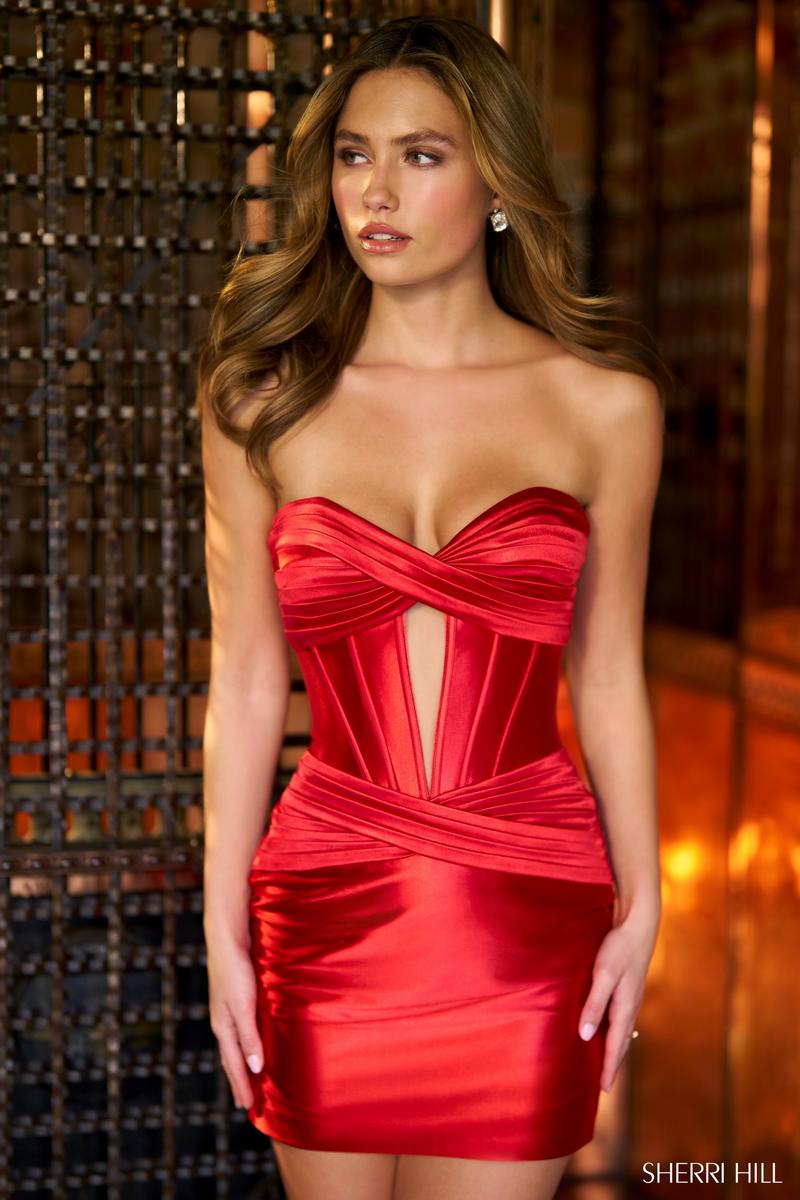
If silhouette is the grammar, fabric is the vocabulary of your dress. The material dictates not only how the dress moves and feels but also the nuanced message it conveys. Objective analysis from textile science, as found in resources from universities like North Carolina State University’s College of Textiles, breaks down fabric properties like drape, luster, and texture. A silk satin sexy cocktail dress, with its high luster and fluid drape, captures and reflects light in a way that literally makes the wearer a focal point, a principle understood by Hollywood costume designers of the 1930s who used satin to make stars like Jean Harlow gleam on screen. In contrast, a matte crepe or finely knitted jersey clings and moves with the body, offering a more subdued, tactile form of allure that speaks to modern sophistication. The psychological impact is significant. As author and style commentator Alison Freer states in her book “How to Get Dressed,” fabric choice directly influences perceived authenticity; a dress that moves naturally with you fosters confidence, while one that fights your movement creates discomfort. Luxe fabrics like velvet, especially in rich jewel tones, carry a historical weight of nobility and opulence, adding a layer of depth and narrative to your glamour. Understanding this language allows you to choose a fabric that doesn’t just cover the body, but communicates a specific, intentional sensation—be it liquid shine, sensual matte, or regial texture.
The Alchemy of Accentuation: Strategic Reveal and Concealment
Effortless glamour in a sexy cocktail dress is often a masterclass in the art of suggestion rather than declaration. This principle aligns with the concept of “peek-a-boo” allure discussed by fashion theorists, where mystery and the viewer’s imagination become active participants. A dress with a daring open back, a high leg slit, or a delicate keyhole detail draws attention through strategic framing. This technique finds a parallel in the cinematic language of film. Legendary director Alfred Hitchcock was a master of using implication and carefully framed shots to create suspense and engagement, a method far more powerful than explicit showing. Applying this to style, a single, well-chosen focal point—be it the line of the collarbone, the curve of the back, or the leg revealed through a slit—becomes profoundly impactful. It creates a narrative. This approach is not only more sophisticated but is consistently championed by style icons. As actress and timeless style reference Audrey Hepburn once articulated,
“The beauty of a woman is not in the clothes she wears, the figure that she carries, or the way she combs her hair. The beauty of a woman is seen in her eyes, because that is the doorway to her heart, the place where love resides. True beauty in a woman is reflected in her soul.”
This philosophy underscores that glamour is an interplay between the garment and the individual’s spirit. A dress that offers a strategic glimpse allows your personal confidence and charisma to become the dominant story, with the cut of the dress serving as the elegant punctuation, not the entire sentence. It transforms the dress from an object of observation into a catalyst for connection.
The Power Apparatus: Shoes and Bag as Functional Sculpture
Accessories are the non-verbal amplifiers of your intent. The wrong choices can fracture your silhouette; the right ones unify and elevate it into a complete “look.” From a functional design perspective, a shoe is an architectural extension of the leg line. A classic pointed-toe pump, regardless of heel height, continues the leg’s line uninterrupted, enhancing stature and creating a clean, powerful silhouette—a principle visible in the uniform styling of dancers and runway models. This is a scientifically-grounded strategy for perceived height and poise. The choice between a stiletto, a block heel, or an elegant flat should first serve your comfort and ability to move with assured grace, as discomfort is the antithesis of effortlessness. The clutch or evening bag operates under similar rigorous constraints. Its scale must be proportionate to your frame and the dress’s volume. A bejeweled minaudière or a sleek metallic clutch isn’t merely a holder of lipstick; it is a piece of functional sculpture that anchors the look, providing a point of textural or tonal contrast. Fashion websites like Vogue Runway and Business of Fashion consistently highlight in their trend analyses that cohesive accessory styling—where metals are matched and scales are harmonized—is a hallmark of professional editorial styling versus everyday dressing. This meticulous coordination is what bridges the gap between “dressed” and “styled.”

The Final Layer: Alchemy of Beauty and Mindset
The ultimate accessory to any sexy cocktail dress is the wearer’s own demeanor. Glamour is a state of being as much as a state of dress. Beauty preparation should aim to highlight your features rather than mask them. A “red lipstick effect” noted in studies published in journals like Perception can be explained through evolutionary psychology: contrast draws attention. A defined lip or a subtly smoky eye frames the face and draws focus to your expressions and eyes, facilitating connection. Hairstyling should consider balance; an elaborate updo pairs elegantly with a detailed neckline, while loose waves might complement a simpler sheath. However, the most critical element is internal. The psychology of enclothed cognition, studied by researchers such as Hajo Adam and Adam D. Galinsky, demonstrates that the clothes we wear can significantly influence our psychological processes. Slipping into a meticulously chosen cocktail dress isn’t just a physical act; it can trigger a more confident, powerful cognitive mindset. This is the essence of effortless glamour: when the external presentation and internal state are in perfect alignment, the resulting confidence is both visible and magnetic. You are not wearing a costume; you are embodying an elevated version of yourself.
Curating Your Wardrobe with Authority and Value
Building a repertoire of glamorous options need not be an exercise in exorbitance. The modern, savvy individual approaches this as a curator, not a compulsive collector. The first step is knowledge: understanding fabric quality (like natural fiber content), construction details (fully lined garments, secure zippers, finished seams), and timeless versus trendy cuts. This knowledge empowers you to assess true value. A well-made little black dress from a brand like Reformation or Aritzia, often crafted from sustainable viscose or deadstock fabric, represents an investment in both style and ethics, frequently available at a direct-to-consumer price point that bypasses traditional retail markups. Furthermore, the rise of rental services like Rent the Runway, as analyzed by business publications like Forbes, provides access to designer sexy cocktail dresses—from brands like Self-Portrait or Jonathan Simkhai—for a fraction of the retail cost, a perfect solution for a singular event. Seasonal sales at major retailers, strategically timed after holidays or at the end of summer/spring seasons, are opportune moments to acquire high-quality pieces. The goal is to own a few impeccable pieces that obey the principles outlined here, rather than a closet full of forgettable garments. Each dress becomes a reliable tool in your arsenal of self-expression.
Effortless glamour is therefore a deliberate synthesis. It begins with the intelligent selection of a dress whose silhouette and fabric speak a language of refined confidence. It is advanced through the strategic use of cut and the cohesive integration of accessories that function as extensions of the design. It is cemented by beauty choices that emphasize rather than obscure, and most importantly, by the cultivated mindset that the dress is merely the exquisite frame for the compelling artwork—which is you. This holistic approach transforms the act of dressing for a cocktail event from a task into an art form, ensuring you command the room not through loudness, but through the resonant quiet of impeccable, self-assured style.