

How to Style a Sexy Cocktail Dress for Effortless Evening Glamour
The allure of an evening event lies not just in the occasion itself, but in the transformative power of the attire you choose. At the heart of this transformation is the sexy cocktail dress, a garment that embodies a specific, potent kind of sophistication. It’s not merely about revealing skin; it’s about a masterful curation of silhouette, fabric, and detail that projects confidence and allure with seeming ease. Achieving that “effortless” glamour, however, is a deliberate art. It’s a balance between bold statement and refined elegance, where every choice—from the cut of the dress to the glint of an earring—contributes to a cohesive, powerful whole. This guide moves beyond subjective opinion, grounding its advice in the principles of design, social psychology, and the curated wisdom of style authorities to demystify the process. Here, we dissect the elements that turn a simple dress into a statement of sexy cocktail dresses mastery, ensuring you command the room with confidence and grace.
The Foundation: Understanding the Silhouette and Your Form
Before a single accessory is considered, the journey begins with the dress itself. The concept of a “sexy” silhouette is deeply rooted in cultural and biological aesthetics, often emphasizing an hourglass figure—a waist-to-hip ratio that has been cross-culturally associated with attractiveness, as noted in evolutionary psychology research. A well-chosen sexy cocktail dress artfully highlights this ratio. Consider the mermaid cut, which hugs the torso and flares at the knee, a style famously championed by figures like Sophia Loren and in modern times, by celebrities on red carpets. This silhouette doesn’t just follow curves; it creates a dramatic, sculptural line. Conversely, a sleek sheath dress, like the iconic styles worn by Audrey Hepburn, offers a different kind of sexiness—one of streamlined, minimalist confidence. The key is objective fit. As fashion historian Valerie Steele has discussed in her work for The Museum at the Fashion Institute of Technology, clothing acts as a “second skin,” and its fit communicates volumes. A dress that is too tight appears strained, while one too loose loses its defining power. The objective is a dress that allows you to move freely while maintaining its shape, using darts, seams, and strategic stretch to celebrate your form without constriction. This is the non-negotiable foundation of effortless glamour.
Fabric as the Unspoken Language of Glamour
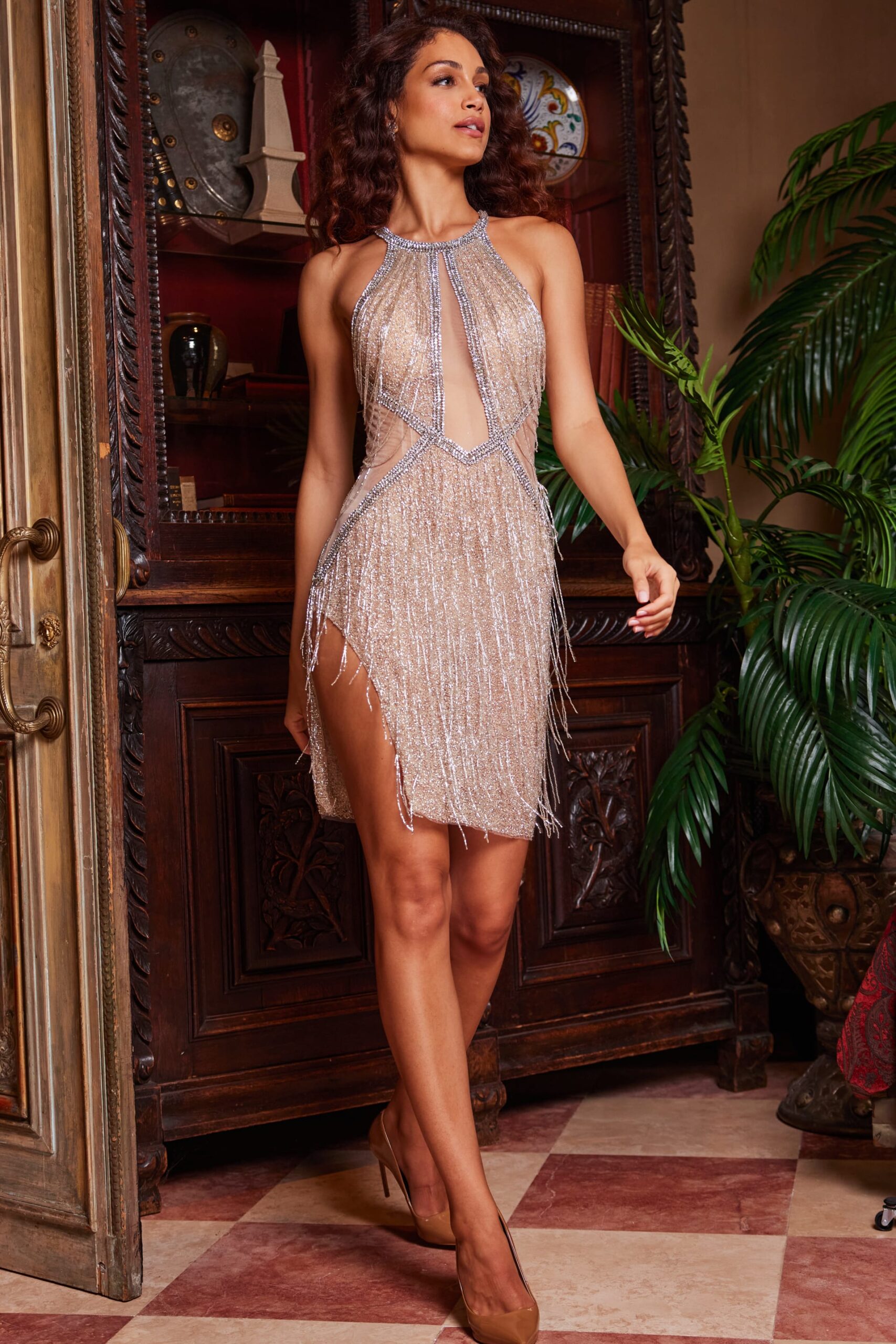
If silhouette is the grammar, fabric is the vocabulary of your dress. The material dictates not only how the dress moves and feels but also how it interacts with light, creating an aura before you even speak. Scientifically, fabrics with high light reflectance, like silk satin or velvet, draw the eye due to the way human visual perception prioritizes luminance contrast. The luminous sheen of a silk charmeuse sexy cocktail dress, for instance, creates a soft-focus glow against the skin, a technique used in Hollywood’s golden age to enhance stars’ radiance. Conversely, matte fabrics like crepe or high-quality cotton sateen offer a more subdued, modern elegance that feels inherently luxurious. Then there is lace—a fabric with a complex history of concealing and revealing. As documented in sources like the Victoria and Albert Museum’s textile collections, lace has long been associated with both purity and seduction. A dress with strategic lace panels or overlays plays with this duality, offering glimpses of skin in a textured, artistic manner. The weight and drape of the fabric are equally crucial. A heavy brocade stands with regal structure, while a fluid chiffon moves with a whisper. Your choice here sets the tone: structured fabrics project authority and drama, while flowing fabrics suggest romance and ease. Understanding this unspoken language allows you to select a dress that doesn’t just look expensive but feels and behaves with a quality that is perceptibly superior.

The Alchemy of Accessories: Curated, Not Crowded
Accessorizing a standout dress is an exercise in strategic enhancement, not competition. The guiding principle, often attributed to legendary designer Coco Chanel, is to “look in the mirror and take one thing off.” This philosophy underscores the idea of curated simplicity. A sexy cocktail dress with intricate beading or a bold neckline may need little more than a pair of elegant studs and a sleek clutch. Here, psychology plays a role: the concept of “peak-end rule” suggests we remember the highlight and the finale of an experience. In styling, your dress is the peak, and your accessories should provide a clean, memorable endnote, not create visual noise. For a simpler dress, a statement necklace can become the focal point. Drawing from art theory, a single, bold piece creates a clear visual hierarchy. Consider the architectural jewelry worn by style icon Iris Apfel; it transforms a basic outfit into a curated masterpiece. Your shoe choice extends your silhouette. A nude pump, as stylists often note, lengthens the leg line seamlessly, while a metallic sandal adds a modern, festive touch. The clutch should be an object of art itself—perhaps a vintage metallic frame or an embellished minaudière—holding only essentials. Each element should feel intentional, as if answering a question the dress poses, creating a dialogue of elegance rather than a cacophony of trends.

Beauty and Grooming: The Finishing Canvas
The most perfectly styled dress can be undermined by neglected details, while a cohesive beauty look can elevate it to iconic status. This is where the concept of “total look,” championed by makeup artists like Pat McGrath, comes into play. Your hair, makeup, and skin form the living canvas upon which the dress sits. For a look of effortless glamour, choose one feature to emphasize. A bold red lip, a classic symbol of confidence and glamour as analyzed in cultural studies of beauty, pairs stunningly with a simple black sexy cocktail dress, creating a timeless, cinematic contrast. If your dress has a detailed neckline or open back, a sophisticated updo—a low chignon or a polished bun—clears the stage, allowing those design elements to shine. This approach is evident in the red-carpet styling of actors like Zendaya, where hair and makeup are meticulously planned to complement, not compete with, the architectural lines of the gown. Skincare is the non-negotiable base. Well-moisturized skin with a subtle glow (achieved through skincare, not just highlighter) makes fabric look richer and colors more vibrant. The goal is a polished finish where every element, from the shine of your hair to the condition of your nails, speaks of considered care. It’s this invisible layer of preparation that transforms “dressed up” into true, effortless glamour.
Confidence: The Invisible, Essential Garment
Ultimately, the most critical element you wear cannot be bought. It is confidence. This is not a platitude but a psychological reality with observable effects. Studies in social psychology, such as those exploring “power posing,” suggest that adopting expansive, confident postures can actually alter hormone levels and increase feelings of self-assurance. When you step into a sexy cocktail dress that fits flawlessly and reflects your personal style, it acts as an “enclothed cognition” trigger—a term used by researchers to describe the systematic influence that clothes have on the wearer’s psychological processes. You don’t just look powerful; you begin to feel and think more powerfully. This confidence alters your demeanor: your posture straightens, your smile becomes more genuine, and your eye contact steadier. It’s the difference between wearing a dress and owning it. This transformative power is echoed in the words of fashion influencer and author Brittany Bathgate, who often notes that true style is about feeling aligned with your clothing. When you feel authentically yourself—whether that self is boldly dramatic or subtly sleek—that authenticity radiates outward, becoming the most compelling part of your glamour. It turns the art of styling from a performance into a personal expression, making the glamour not just effortless but authentically, irresistibly yours.
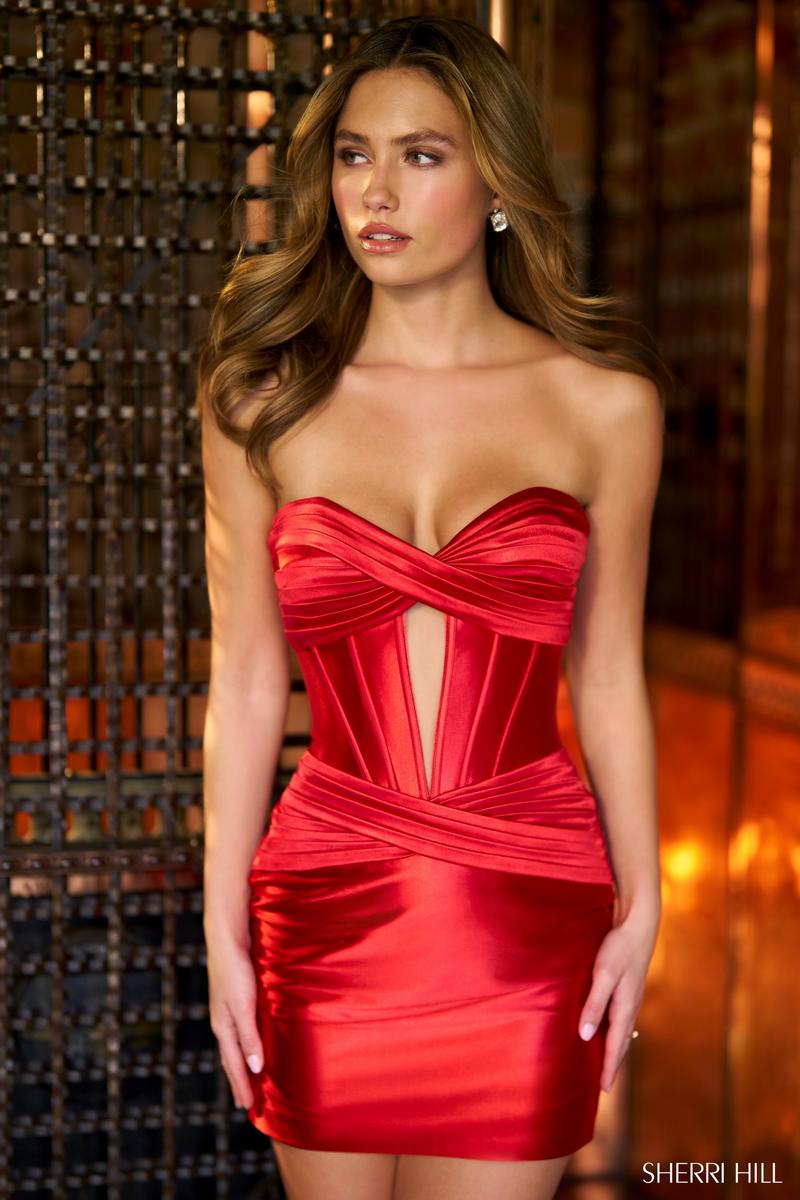
Mastering evening glamour is therefore a symphony of deliberate choices, each informed by an understanding of design, perception, and self. It begins with the objective selection of a dress whose silhouette and fabric honor your form and speaks a language of quality. It is refined through the strategic, minimalist application of accessories that frame rather than overwhelm. It is polished to perfection with a beauty look that treats your own features as part of the art. And it is ultimately animated by the confidence that comes from knowing every detail is cohesively, intentionally you. This is how a sexy cocktail dress transcends its thread and sequins to become a vessel for personal power and unforgettable style. This is the blueprint for glamour that feels not like a costume, but like a second, more radiant skin.