

5 Sexy Cocktail Dresses That Will Steal the Spotlight
When the invitation arrives for that pivotal evening—be it a gala, a sophisticated cocktail party, or a milestone celebration—the quest for the perfect dress begins. It’s not merely about covering the body; it’s about crafting an aura, a statement that precedes you into the room. The right sexy cocktail dress is a sartorial power play, a blend of artistry, engineering, and personal psychology designed to command attention. This isn’t about fleeting trends but about understanding the foundational elements of design, color, and silhouette that create an unforgettable impression. We will dissect five distinct archetypes of the show-stopping cocktail dress, moving beyond subjective opinion to explore the objective principles of fashion design, social signaling, and even cognitive perception that make these dresses so effective. From the timeless Little Black Dress reimagined to the bold drama of a high-slit gown, each selection is backed by a framework of design theory and cultural context, offering you not just a garment, but a tool for self-presentation.
The Reimagined Classic: The Architectural Little Black Dress
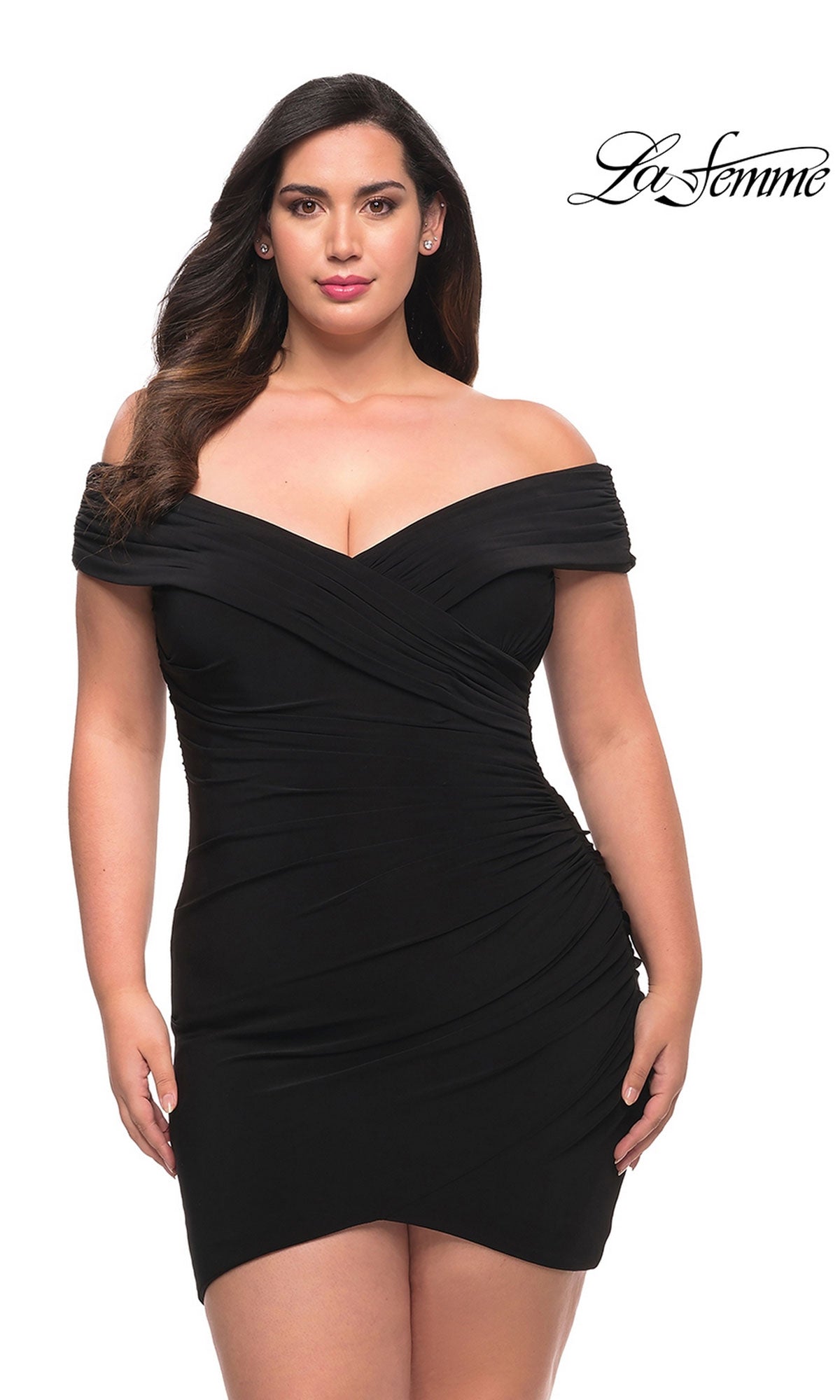
The Little Black Dress (LBD), canonized by Coco Chanel in the 1920s, is often mistakenly viewed as a safe, anonymous choice. However, its true power lies in its blank-canvas potential. In the context of a sexy cocktail dress, the modern LBD departs from minimalism and embraces architectural detail to create allure. Think of it not as a dress, but as a structure. The sexiness here is derived from precision and contrast. A dress with sharp, geometric cut-outs or intricate laser-cut latticework plays with the interplay of revealed and concealed skin, a concept fashion scholars refer to as “calculated exposure.” This technique is far more intellectually engaging and tantalizing than sheer coverage. As fashion historian Valerie Steele notes in her work for The Museum at the Fashion Institute of Technology, “Modern allure is often about suggestion and framing, not display.” A dress with a strategically placed cut-out at the waist or an open back framed by structured shoulders draws the eye along a deliberate visual path, creating a narrative about the body. The fabric itself becomes key—a heavy crepe or matte silk jersey that drapes and holds a knife-pleat or an origami-like fold adds a tactile, luxurious dimension. This approach to the LBD offers a discounted price on sophistication; you invest in a piece whose complexity lies in its construction, making it perpetually interesting and inherently valuable beyond a single season’s trend.
The Power of Asymmetry: The One-Sleeve Gown
Balance is a fundamental principle of design, but deliberate imbalance—asymmetry—is a powerful tool for creating dynamic, memorable visuals. A one-shoulder or single-sleeve cocktail dress is a masterclass in this principle. The asymmetry creates an immediate focal point, disrupting the expected symmetry of the human form and generating visual tension that is inherently captivating. From a scientific perspective, studies in neuroaesthetics suggest that the human brain spends more cognitive processing time on asymmetric yet harmonious patterns, perceiving them as more interesting and complex. This isn’t mere ornamentation; it’s cognitive design. A dress with a single, perhaps puffed or intricately beaded sleeve, juxtaposed against a bare shoulder, creates a narrative of strength and delicacy. The line it creates is diagonal, leading the eye from the shoulder across the body, which is a more active and engaging visual journey than a static horizontal line. This style also offers profound versatility. It can channel ancient Greek drapery, modern minimalist sculpture, or futuristic glamour based on its fabric and detailing. The professional knowledge here is in the fit: a well-engineered one-shoulder dress will have hidden structural elements—boning, internal straps, gripper tape—to ensure the neckline stays impeccably in place without constant adjustment, allowing you to own the room with confidence, not anxiety. It’s a sexy cocktail dress that speaks of controlled power and artistic confidence.
The Drama of Revelation: The High-Slit Sheath
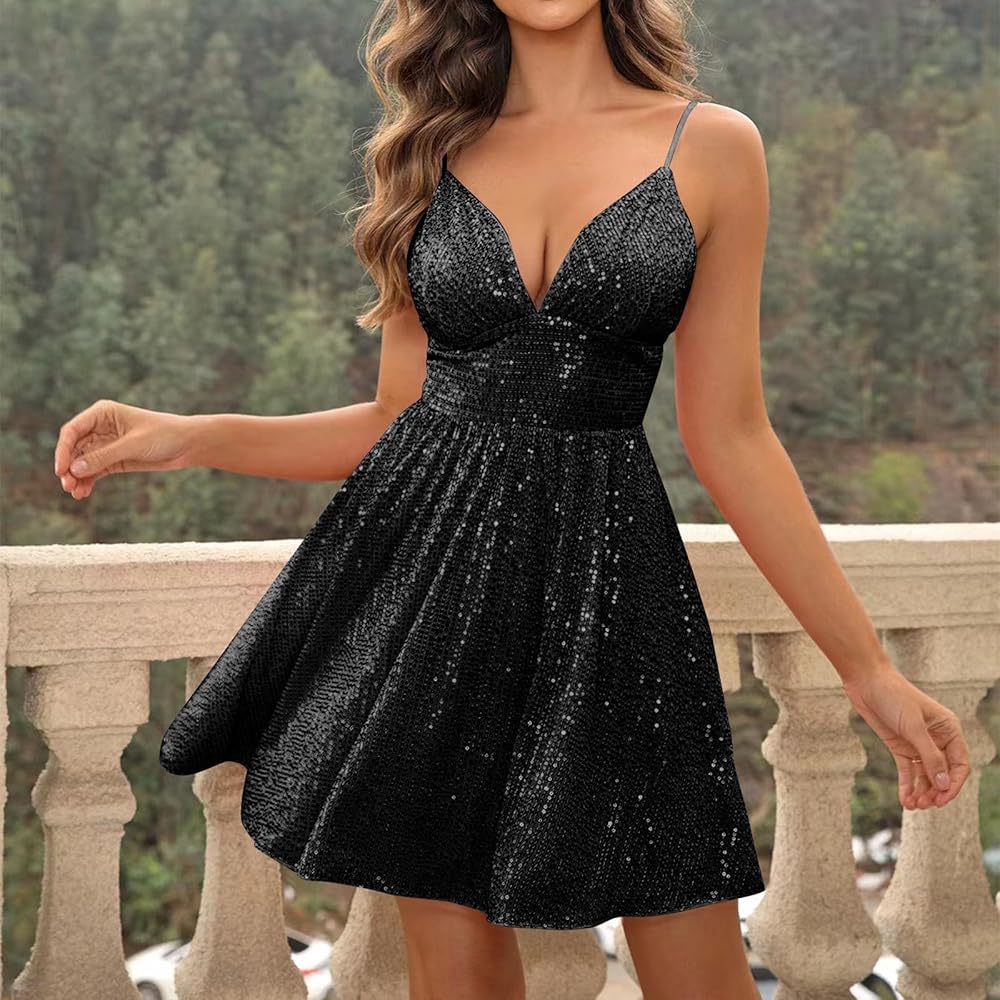
No element of a cocktail dress is as charged with cinematic drama as the high slit. It is a design feature rooted in both practicality and symbolism. Historically, high slits in garments, from Chinese cheongsams to 1930s evening gowns, allowed for freedom of movement. Today, that functional origin has evolved into a potent symbol of liberation and confidence. The allure of a high-slit sheath dress is in its kinetics—the dress is static until you move, and then it reveals a flash of leg, creating a moment of spectacle that is both fleeting and powerful. This aligns with the concept of “peek-a-boo” styling, which fashion psychologists argue is more alluring than constant exposure because it engages the viewer’s imagination. The slit frames the leg, treating it as a sculptural element. The key to maximizing this style is proportion. A slit that begins at the mid-thigh or higher, on a dress that is otherwise columnar and fitted, creates a stark, graphic contrast. The fabric must have enough weight and density (like a stretch satin or a double-knit) to fall cleanly and not cling, ensuring the reveal is elegant, not accidental. As filmmaker Sofia Coppola, known for her visually arresting and nuanced portrayals of femininity, once observed, “There’s a power in what you choose to show and what you choose to keep hidden. It’s about controlling the narrative.” A high-slit sheath gives you that directorial control with every step, making it a quintessential sexy cocktail dress for the woman who understands the impact of a well-timed entrance and a graceful stride.
The Color Psychology Play: Crimson Velvet Midi
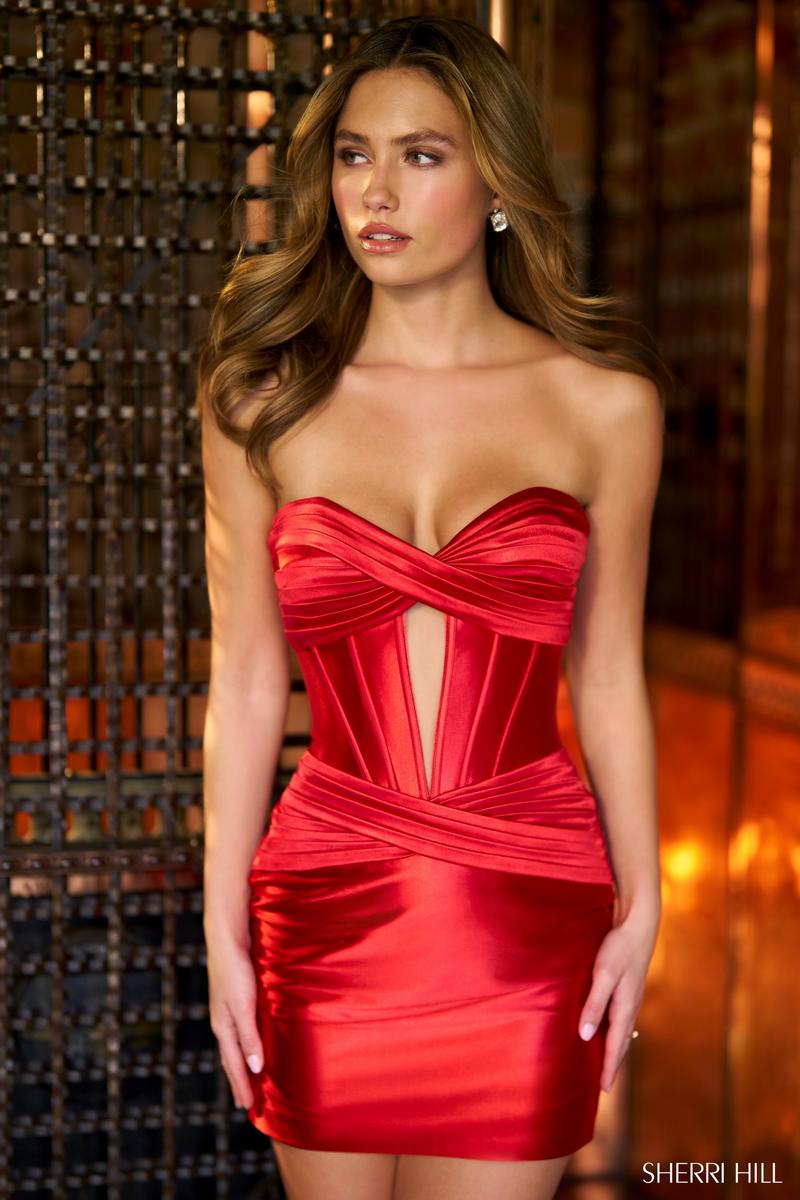
While silhouette is architecture, color is emotion. Moving beyond the safety of black or navy, a dress in a bold, saturated hue like crimson makes an immediate declarative statement. The choice of crimson—a deep, rich red with blue undertones—is not arbitrary. Color psychology, a field studied in both marketing and design, consistently identifies red as the color most associated with confidence, energy, and attraction. Research published by the University of Rochester demonstrated that wearing red can influence both the wearer’s sense of dominance and how they are perceived by others in competitive or social contexts. When this powerful color is rendered in velvet, the effect is magnified. Velvet is a textile with a unique light-absorbing and reflecting property due to its pile; it appears to change depth and intensity with movement and lighting, giving the color a living, breathing quality. A crimson velvet midi dress, perhaps with a sweetheart neckline or a delicate lace inset, combines the primal signal of the color with the tactile luxury of the fabric. It’s a dress that doesn’t just say “look at me,” but “remember me.” This is where discounted prices can be a trap; true, color-fast velvet with a dense, even pile is an investment, but it is the difference between a garment that shouts and one that resonates with depth and quality. This sexy cocktail dress leverages scientific principles of perception to craft an unforgettable presence.
The Textural Contrast: Lace Overlay Illusion
The final dress in our spotlight-stealing arsenal employs the ancient art of lace in a modern, provocative way: the illusion dress with a lace overlay. This style is a study in texture and transparency, creating a layered, intricate visual effect. Lace, with its origins in 16th-century Europe, has long been associated with luxury, femininity, and a delicate sensuality. A modern illusion dress uses a nude or tonal underlay beneath a sheer lace overlay, creating the effect of the pattern being embroidered directly onto the skin. This achieves a breathtaking level of detail and craftsmanship that feels both romantic and daring. The professional knowledge here is twofold. First, the quality of the lace is paramount. Chantilly lace, with its fine ground and elaborate scrollwork, offers a soft, romantic feel, while guipure or Venetian lace, being heavier and without a net ground, provides a more graphic, structured look. Second, the precision of the underlay’s color match to the wearer’s skin tone is critical for a seamless, sophisticated illusion. A poorly matched underlay breaks the magic. This style speaks to a refined, intricate sensibility. It’s a sexy cocktail dress that invites closer inspection, rewarding the observer with details upon details. It proves that sexiness can reside in artistry and the subtle, complex play of concealment through ornamentation.

Selecting the dress for your moment in the spotlight is an exercise in strategic self-presentation. Each of these five dresses—the architectural LBD, the asymmetric one-sleeve, the kinetic high-slit sheath, the psychologically potent crimson velvet, and the textural lace illusion—operates on principles that extend beyond fashion whim. They utilize foundational concepts from design theory, color psychology, and social semiotics to create their impact. The goal is not merely to be seen, but to be perceived with intention, to communicate confidence, artistry, and power before a single word is spoken. Your choice is a tool, and with this understanding, you can now choose not just a beautiful dress, but the precise instrument for the statement you wish to make. The spotlight awaits; step into it with a garment engineered for the role.