

How to Style Sexy Cocktail Dresses for a Night Out
The allure of a night out is often crystallized in the perfect outfit—a garment that balances sophistication with a hint of daring, confidence with comfort. At the heart of this sartorial quest lies the sexy cocktail dress, a versatile piece that has evolved from mid-20th century formalwear into a modern symbol of empowered self-expression. This article delves beyond superficial styling tips, exploring the objective principles of design, psychology, and personal presentation that transform a simple dress into a statement. We’ll navigate the interplay of silhouette, fabric, and accessory, grounding our advice in perspectives from fashion history, cultural commentary, and scientific insight. The goal is not to prescribe a single look, but to provide you with the knowledge to curate a night-out ensemble that feels authentically and compellingly you.
The Anatomy of Allure: Defining the Sexy Cocktail Dress
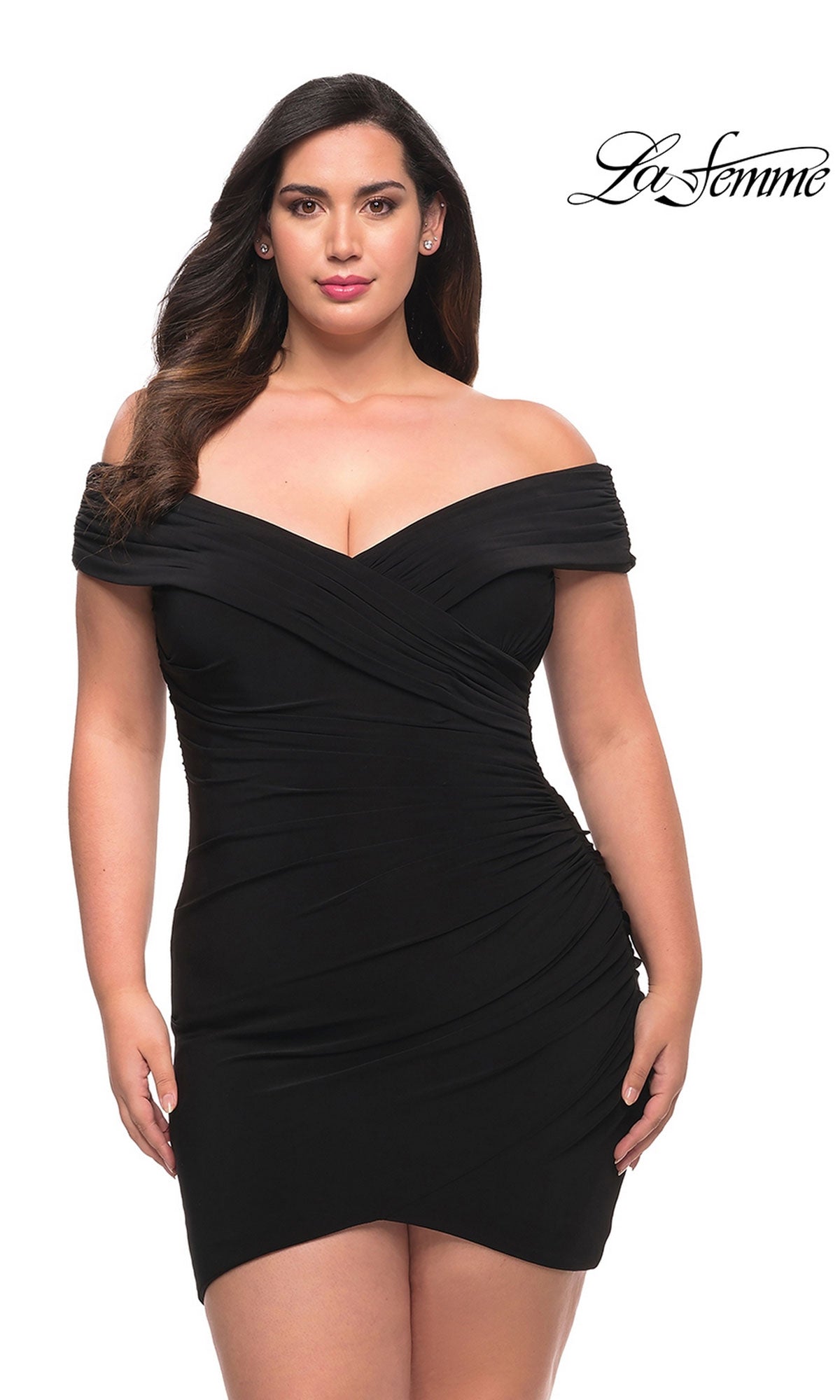
Before styling, one must understand the object itself. A cocktail dress, by its historical definition originating in the post-war era, is a semi-formal dress suitable for afternoon or early evening social events, typically shorter than a full-length gown but more formal than daywear. The adjective “sexy” introduces a subjective layer, yet it can be objectively analyzed through design elements. According to research in evolutionary psychology and aesthetics, certain visual cues—like the hourglass silhouette emphasized by cinched waists, strategic use of sheer fabrics, or the elongation of the leg through a high slit—can trigger widespread associations with attractiveness and vitality. Fashion historian Valerie Steele, in her work for The Museum at the Fashion Institute of Technology, notes that “sexiness in fashion is often about suggestion and context, not mere exposure.” A sexy cocktail dress, therefore, often operates on the principle of revealed-and-concealed, using structure (like boning or draping) to highlight the body’s form intelligently. The fabric plays a crucial role: the liquid drape of silk satin, the textured allure of lace, or the bold simplicity of stretch crepe each communicate a different kind of confidence. This foundational understanding allows us to move beyond trends and focus on how the inherent properties of your dress interact with your body and intent.

Silhouette as Strategy: Choosing Your Shape
The silhouette is the first language your dress speaks. It frames your body and sets the tone for your entire look. Scientifically, silhouettes that emphasize the waist-to-hip ratio (often cited in studies, such as those referenced in the “Journal of Personality and Social Psychology,” as a cross-cultural aesthetic preference) create a powerful visual impact. The fit-and-flare, a descendant of Christian Dior’s iconic “New Look,” offers a playful yet polished silhouette, cinching at the waist before flaring out over the hips—ideal for creating a defined hourglass shape. The sheath dress, a pillar of minimalist sensuality, follows the body’s lines closely, offering a streamlined, modern look that speaks of understated confidence; think of the dresses worn by Audrey Hepburn, which derived their power from perfect proportion rather than volume. For a more dramatic statement, the mermaid or trumpet silhouette, which fits closely through the bodice and knees before flaring out, offers a red-carpet-ready glamour. Your choice should be a negotiation between personal comfort, body geometry, and the event’s ambiance. A night at an upscale lounge might call for the sleekness of a sheath, while a birthday party could be the perfect occasion for the movement and joy of a fit-and-flare. Remember, the sexiest silhouette is invariably the one in which you feel most authentically powerful and at ease.

The Alchemy of Accessories: Curating, Not Cluttering
Accessories are the punctuation marks of your outfit; they can turn a simple statement into a compelling story. The key principle here is intentional curation. A common mistake is over-accessorizing, which can fragment the visual impact of a stunning sexy cocktail dress. Let’s apply the Pareto principle, or the 80/20 rule, often used in design: let the dress constitute 80% of your visual narrative, and use accessories to provide the crucial 20% of accent and personality. Footwear is foundational. A classic pointed-toe stiletto elongates the leg line, a effect well-documented in fashion psychology as conveying assertiveness and polish. However, as designer Christian Louboutin once noted in an interview with Vogue, “A shoe must not only be beautiful, it must be a part of the story you want to tell.” Perhaps your story involves the edgy stability of a sleek block heel or the retro charm of a strappy sandal. Jewelry requires similar discernment. A statement necklace demands a simpler neckline, while intricate back detailing on a dress asks for delicate earrings instead. Consider the meta-advice from style icon Iris Apfel: “More is more and less is a bore.” While playful, this philosophy requires a keen eye for balance. Your clutch or minaudière is not just a purse; it’s a sculptural element. Choose a shape and texture that contrasts or complements your dress—a metallic box clutch against a matte jersey, or a soft, beaded pouch against structured satin.
Fabric and Finish: The Tactile Dimension
The material of your dress engages the senses beyond the visual, contributing significantly to its perceived luxury and appeal. From a materials science perspective, the drape, luster, and hand-feel of a fabric are determined by its fiber content, weave, and finish. Silk charmeuse and satin, for instance, reflect light in a soft, diffuse manner, creating a luminous, skin-like glow that has been associated with luxury for centuries. Lace, with its complex, openwork structure, plays with transparency and texture, offering a timelessly romantic and intricate feel. Modern technical fabrics like high-quality stretch crepes or micromatte fabrics offer a sleek, second-skin fit that moves with the body, a practical consideration for a night of dancing. The finish—whether matte, shiny, or textured—also communicates. A matte finish can feel modern and sophisticated, while a high-gloss patent or lamé can feel boldly festive. The choice here should align with your personal sensory preferences and the tactile environment of your evening. There’s a reason velvet is a winter favorite—it feels rich and substantial. Understanding these properties allows you to choose a sexy cocktail dress that not only looks stunning but feels incredible to wear, which is the ultimate source of confident poise.
Context is King: Aligning Your Dress with the Venue and Vibe
Even the most exquisitely styled outfit can fall flat if it’s dissonant with its setting. This is an exercise in situational awareness, a concept borrowed from social intelligence theory. A night out is not a monolith; the demands of a rooftop cocktail party differ vastly from those of an underground jazz club or a formal gala. Research your venue. A dress code like “cocktail attire” generally implies knee-length or midi dresses, but the “sexy” interpretation will vary. For a sophisticated gallery opening, a sleek, architecturally cut dress in a solid color might project the right blend of artful and alluring. For a lively salsa club, a dress with movement—perhaps with a ruffled hem or a fluid skirt—that allows for dance and expresses joy becomes key. Consider the cultural commentary from the film Crazy Rich Asians, where the fashion meticulously signaled social standing, intention, and personality within specific high-society contexts. Your outfit is a tool for seamless integration and standout presence. It’s about speaking the visual language of the venue while adding your unique accent. This alignment ensures your sexy cocktail dress functions as a key to the experience, not a barrier to it.

The Final Layer: Confidence as the Ultimate Accessory
All the objective knowledge about silhouettes, fabrics, and accessories converges on one subjective, internal factor: confidence. This is not a cliché but a psychological reality. Studies on embodied cognition, such as those discussed in Harvard Business School publications, suggest that adopting powerful postures (which wearing a well-fitted, admired outfit can encourage) can actually alter hormone levels and increase feelings of confidence. The right dress should act as an enabler of this state. It’s the garment in which you forget about the garment because it feels like a second skin, perfectly expressing your mood and intention. This confidence is what transforms a worn dress into a wearing of the dress—an active, empowered presentation. As author and style thinker Nancy MacDonell remarked, “Style is primarily a matter of instinct.” The technical guidelines provided here are meant to hone that instinct, to give you a framework for decision-making. When you step out, the final stylistic flourish is your own posture, smile, and engagement with the world. That is the irreplicable element no trend can dictate and no purchase can guarantee. It is the culmination of thoughtful styling, where the person, not just the sexy cocktail dress, commands the room.
Mastering the art of the night-out look is an ongoing dialogue between self-knowledge and external inspiration. It begins with understanding the design language of the dress itself, moves through the strategic selection of shape and supporting elements, and demands a conscious alignment with the evening’s setting. By treating each choice—from the physics of fabric to the psychology of a silhouette—as an intentional step, you build an ensemble that is cohesively compelling. The true goal is a state of effortless command, where your style feels like a natural extension of your presence. With these principles as your guide, every future night out becomes an opportunity to craft an experience, starting with the dress you choose to wear into the evening.