

How to Style Sexy Cocktail Dresses for a Night Out
The allure of a night out is often encapsulated in the transformative power of what we wear. It’s not merely about dressing up; it’s about crafting an aura, a statement of confidence and intent. At the heart of this sartorial alchemy lies the sexy cocktail dress—a garment that balances sophistication with allure, structure with fluidity. This article isn’t about following rigid rules but about understanding the principles that allow you to command attention and feel authentically powerful. We’ll dissect the elements that make a cocktail dress work for you, drawing from design theory, cultural commentary, and practical styling wisdom to equip you for any evening soiree.
Deconstructing the “Sexy”: Beyond the Superficial
Before we delve into styling, we must objectively examine the keyword itself. “Sexy” in fashion, particularly concerning a sexy cocktail dress, is a complex, culturally-loaded term. It transcends mere physical exposure. As fashion historian Valerie Steele notes in her work for The Museum at the Fashion Institute of Technology, “Sexiness in clothing is often about suggestion and the play of concealment versus revelation.” A scientifically-backed perspective from psychology, often discussed on platforms like Quora and in academic literature, suggests that perceived attractiveness is heavily linked to confidence and the wearer’s comfort. Therefore, a truly sexy cocktail dress is one that aligns with your personal aesthetic and body language, making you feel assured. It could be a high-neck, long-sleeve lace number that hints at mystery or a sleek slip dress that celebrates form. The objective takeaway is that “sexiness” is a subjective experience amplified by personal confidence, not dictated by a hemline alone.

The Architectural Foundation: Silhouette and Your Form
The first pillar of styling is understanding silhouette. A cocktail dress’s architecture—its shape and cut—is paramount. This isn’t about categorizing body types reductively but about recognizing lines and proportions. The A-line dress, a term popularized by Christian Dior’s 1955 collection, creates a balanced, feminine triangle from the shoulders, skimming the hips. It’s a universally flattering silhouette, often cited on authoritative fashion websites like Vogue Runway for its elegance. Conversely, the sheath dress, reminiscent of the iconic designs by Hubert de Givenchy for Audrey Hepburn, offers a streamlined, vertical line that elongates the figure. The mermaid or trumpet silhouette, which cinches at the knees and flares out, emphasizes curves dramatically, a style frequently seen in red-carpet analytics from the Golden Globes. Your choice should hinge on what you wish to accentuate. Do you want to create the illusion of a defined waist? Opt for a fit-and-flare. Aim for minimalist chic? A column silhouette is your ally. The scientific principle here is visual perception; the eye follows the lines created by the garment, directing attention strategically.
The Dialogue of Texture and Fabric
Fabric is the language of a dress. It dictates movement, reflects light, and communicates texture. The sensual drape of silk charmeuse or satin, materials historically associated with luxury and romance, clings and flows with the body, creating a soft, luminous effect. In contrast, structured fabrics like brocade or heavy jacquard, often explored in costume design for period films like “Marie Antoinette,” provide sculptural quality and volume. Lace, with its origins traced back to 16th-century Europe, offers a play of opacity and transparency, a literal manifestation of the conceal/reveal dynamic. A modern take, as seen in designs by brands like Self-Portrait, uses laser-cut techniques for a crisp, contemporary feel. Then there’s velvet, a fabric whose rich pile absorbs and reflects light differently, adding depth and a tactile, luxurious warmth perfect for evening. Choosing a fabric isn’t just about seasonality; it’s about the sensory experience you wish to project—soft and inviting, sharp and modern, or richly opulent.

The Alchemy of Accessorizing: Curate, Don’t Clutter
Accessories are the punctuation marks of your outfit. The wrong ones can create a run-on sentence of visual noise; the right ones provide emphatic, elegant stops. Let the dress be your guide. A heavily embellished sexy cocktail dress demands minimalist companions—think sleek metallic sandals and a delicate clutch. A simple, solid-color sheath becomes a canvas for statement jewelry. The “third piece” rule, often advocated by stylists on platforms like YouTube, suggests that an outfit is completed by a standout accessory beyond the dress and shoes—a bold cuff, a dramatic wrap, or an artful headpiece. Footwear is non-negotiable. A classic pointed-toe pump, a style immortalized by Roger Vivier and later Manolo Blahnik, elongates the leg line. A strappy sandal opens up the ankle. Consider the practical science of posture and comfort; a shoe you can move in will always translate to more confident body language than one that hobbles you. Your bag should be proportionate and functional—just large enough for essentials, becoming an object of beauty itself.
The Finishing Touches: Hair, Makeup, and the Unseen Foundation
Styling extends beyond the dress to the very canvas it adorns. Hair and makeup should harmonize, not compete. A sleek, low bun or polished waves can frame the face and highlight necklines and earrings. Makeup artistry follows the principle of a focal point. A bold lip, a concept championed by figures like Poppy King, the “Lipstick Queen,” pairs beautifully with a neutral eye, allowing the dress and your expression to take center stage. Conversely, a smoky eye demands a more subdued lip. However, the most critical, often overlooked element is the foundation garment. As any costume designer for theater or film will attest, the right undergarment is the secret to flawless silhouette. Seamless shapewear, adhesive bras for backless designs, or control-top hosiery can smooth lines and provide support, ensuring the dress hangs as intended by its designer. This is the invisible engineering that makes the architecture of the dress work.

Context is King: Reading the Room
No sexy cocktail dress exists in a vacuum. Its impact is mediated by the context of the event. The dress code is your first clue. “Cocktail Attire” typically calls for knee-to-mid-length, but modern interpretations allow for sophistication at any length. Consider the venue’s ambiance. A rooftop bar calls for different fabrics (perhaps lighter silks) than a dimly-lit, velvet-rope club or a formal gallery opening. The social context matters, too. As social psychologist Dr. Adam Galinsky’s research on “optimal distinctiveness” suggests, people have a fundamental need to fit in and stand out simultaneously. Your dress should allow you to belong to the event’s tone while expressing your individuality. A practical tip from event planners is to research the venue online—look at photos from past events to gauge the crowd’s style. This reconnaissance ensures you feel appropriately dressed, which is the bedrock of social confidence.
A Note on Investment and Value: Building Your Arsenal
Building a collection of go-to evening wear is an exercise in strategic investment. The goal is not a closet full of dresses but a curated selection of versatile, high-quality pieces. Look for dresses in classic silhouettes and neutral or deeply saturated colors that can be re-styled repeatedly with different accessories. Sites like The RealReal or reputable department store sale sections are excellent for finding designer pieces at a significant discount. Remember, the cost-per-wear of a perfectly tailored, beautiful fabric dress you wear ten times is far lower than that of a cheap, trendy piece worn once. As fashion entrepreneur and “Project Runway” alum Tim Gunn often emphasized, “Make it work.” Invest in tailoring. A $100 dress altered to fit you perfectly will look and feel more expensive than a $500 dress that gaps and pulls. This is the professional knowledge that brings long-term value: buy less, choose well, and make it fit.
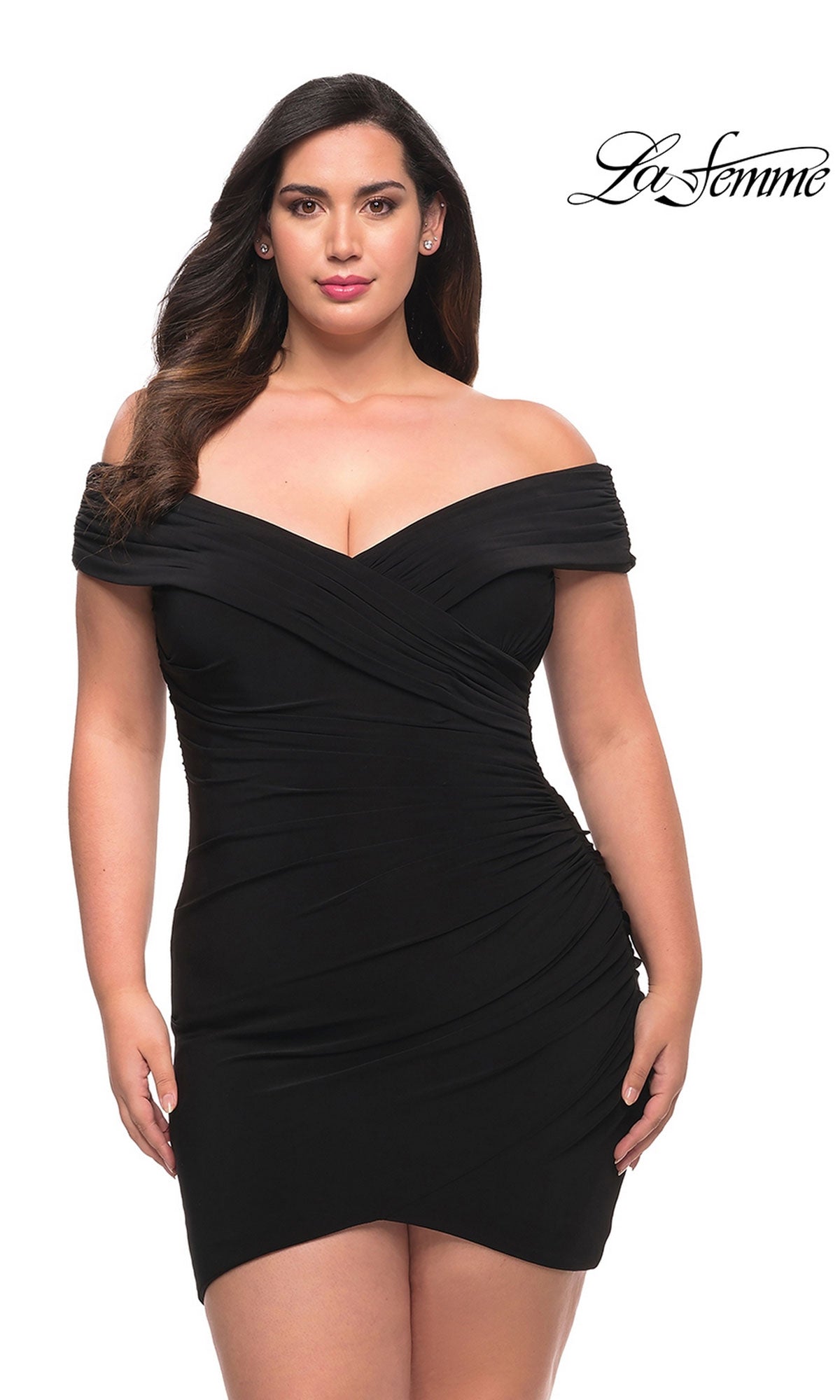
Ultimately, styling the perfect sexy cocktail dress for a night out is a personal manifesto. It’s an interplay of self-knowledge, design principles, and contextual awareness. It begins with a dress that resonates with your internal sense of power, is built upon with thoughtful choices in silhouette and fabric, elevated by precise accessories, and cemented by the confidence that comes from feeling impeccably, authentically yourself. When these elements coalesce, the dress ceases to be just an outfit and becomes an extension of your presence, ready to own the night ahead.