

How to Style Sexy Cocktail Dresses for a Night Out
The allure of a night out is often encapsulated in the transformative power of what we wear. Among the myriad of choices, the sexy cocktail dress stands as a sartorial icon, a garment designed to command attention while exuding confidence. This isn’t merely about following trends; it’s about understanding the nuanced language of silhouette, fabric, and accessory. A well-styled cocktail dress is a statement of personal power, a blend of art and science that turns an evening into an event. Let’s move beyond vague advice and delve into the objective principles and styling strategies that can make any night out unforgettable.
The Foundation: Understanding the Silhouette and Your Form
Before selecting a single accessory, one must comprehend the architecture of the dress itself. The term “cocktail dress” originates from the post-World War II era, a garment shorter than formal gowns but more refined than daywear, designed for semi-formal social events, often where cocktails were served. The “sexy” adjective is not a uniform standard but a variable defined by how the dress interacts with the individual wearer’s body. Scientifically, this relates to the principles of visual perception and the golden ratio, where certain proportions are subconsciously perceived as more harmonious and appealing. A bodycon dress, for instance, creates a streamlined, continuous curve that emphasizes the natural waist-to-hip ratio, a key marker often associated with attractiveness in various cultural studies. An A-line dress, conversely, uses geometry to create a balanced triangle, drawing the eye inward at the waist and offering a classic, universally flattering shape. The choice between a sheath, fit-and-flare, or slip silhouette is the first critical decision. It’s not about which is universally “sexiest,” but which one creates the most powerful and authentic silhouette for you. Trying on different styles is an empirical experiment—observe which cuts make you stand taller, which fabrics feel like a second skin, and which hemlines give you a sense of liberated confidence. This foundational understanding turns the sexy cocktail dress from a mere garment into a tool for self-expression.
The Alchemy of Fabric and Drape
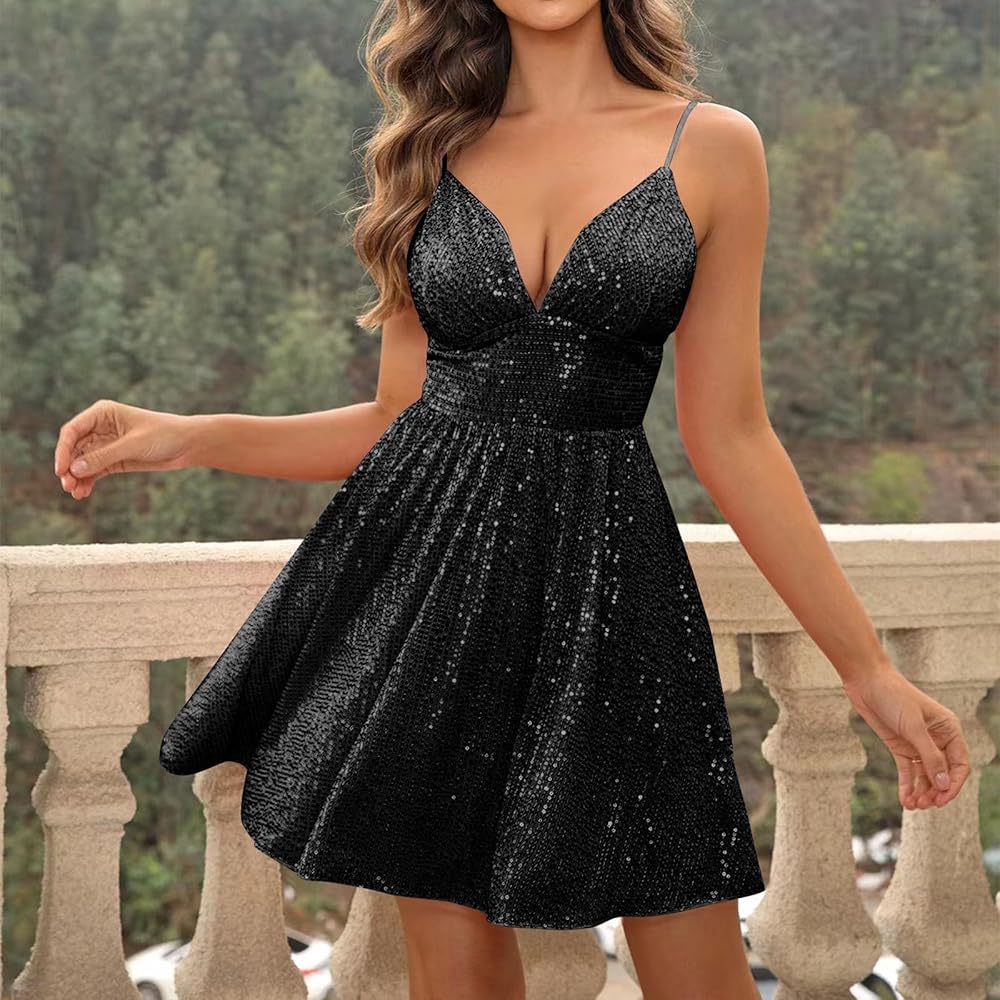
If the silhouette is the architecture, the fabric is the soul of the dress. The sensory experience of a fabric—how it moves, catches light, and feels against the skin—profoundly impacts the overall impression. Objectively, materials have different physical properties. Satin, with its high-gloss finish created by a specific weaving technique, reflects light dynamically with movement, creating a luminous, liquid effect that has been synonymous with Hollywood glamour for decades. Crepe, with its finely crinkled texture, offers a matte, sophisticated drape that elegantly skims the body, a favorite of designers like Diane von Fürstenberg for its forgiving and fluid nature. Lace, historically a symbol of luxury and craftsmanship, adds a layer of texture and tantalizing detail, playing with the concept of “reveal and conceal” that fashion theorists often cite as a core element of allure. The weight and weave of the fabric determine its drape—the way it falls under gravity. A heavy silk duchesse satin will hold a structured shape, while a lightweight chiffon will float and flutter. When selecting your sexy cocktail dress, consider the environment: a sleek velvet for a winter soirée exudes warmth and richness, while a breezy georgette is perfect for a summer rooftop party. The right fabric doesn’t just clothe you; it creates an atmosphere around you.
The Psychology of Color and Detail
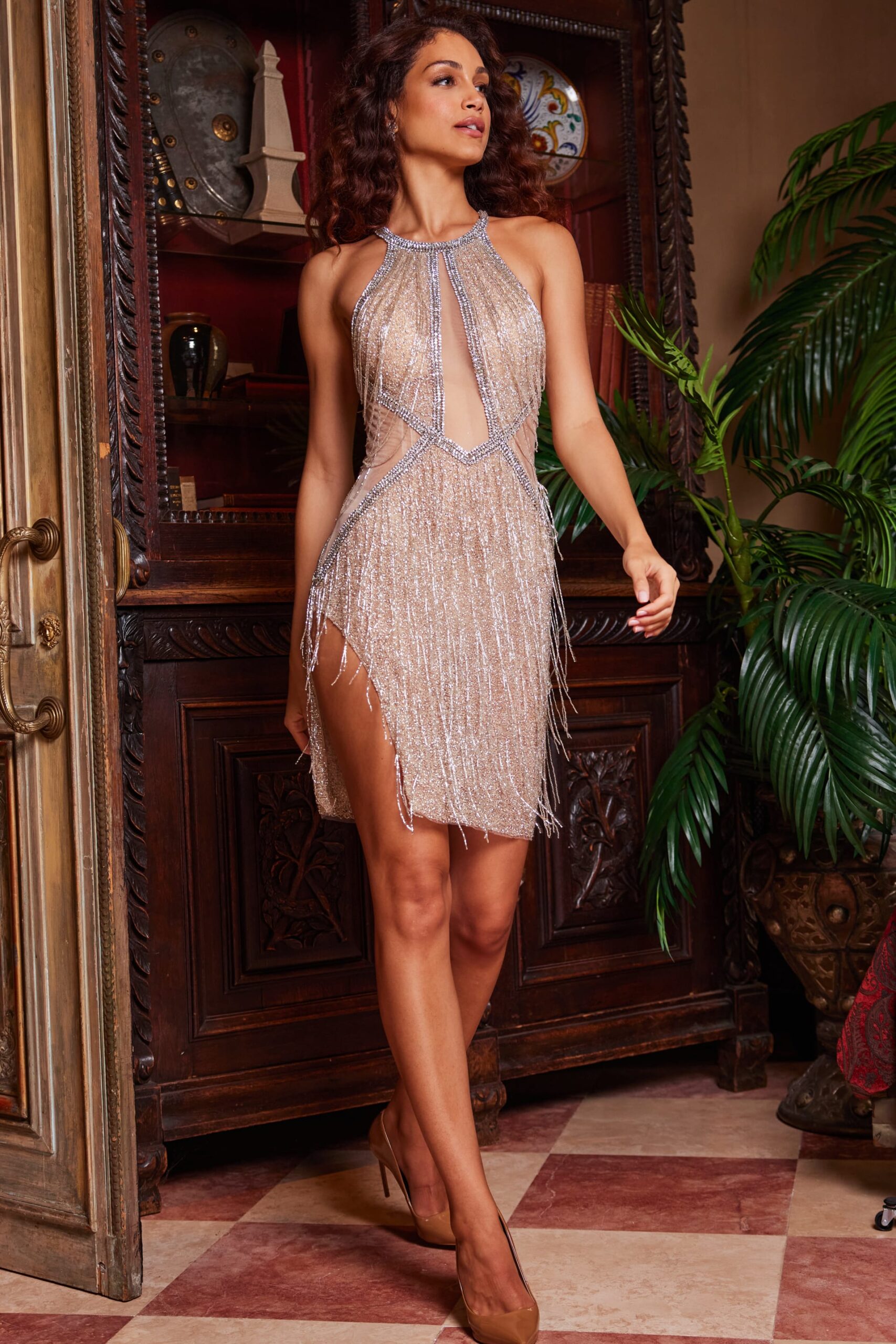
Color psychology is not mere pop-science; it is a well-researched field exploring how hues affect human emotion and perception. A little black dress, famously championed by Coco Chanel and later Audrey Hepburn in Breakfast at Tiffany’s, leverages black’s cultural and psychological associations with sophistication, authority, and timelessness. It acts as a blank canvas, allowing the wearer’s personality and accessories to take center stage. Conversely, a vibrant red dress taps into a deep, almost primal symbolism. As historian and author Dr. Sarah E. Worth notes in analyses of color in culture, red is consistently linked to passion, energy, and heightened visibility—making it a powerful, confident choice for a night where you intend to be seen. Beyond solid blocks of color, strategic details engineer focus. A plunging neckline, as explored in costume design for powerful characters in film and television, draws attention to the face and collarbone. A high slit, a detail mastered by stars like Angelina Jolie on the red carpet, introduces an element of dynamic movement and leg elongation. Beading or sequin work creates points of light that shimmer with every gesture, captivating the eye. These are not random decorations; they are visual cues that guide the observer’s gaze and construct a narrative of confidence and intentionality.
Architecting the Complete Look: Footwear and Beyond
The dress is the centerpiece, but the supporting elements determine whether the look is cohesive or chaotic. Footwear is the functional cornerstone. The height of a heel alters posture, tilting the pelvis and arching the back, a stance that non-verbal communication studies often associate with confidence. However, the notion that “sexier” always equals “higher” is a fallacy. A sleek, pointed-toe flat or a sophisticated ankle-strap sandal can convey immense power and style, offering comfort that translates into effortless poise. The choice between a stiletto, block heel, or platform is a balance of aesthetics, terrain, and personal endurance. Next, consider the cloak of confidence: outerwear. A tailored blazer in a complementary fabric (think satin or velvet) adds a layer of sharp, androgynous edge. A faux fur stole or a sleek leather jacket introduces texture and attitude, transforming the look from a simple party dress to a curated fashion statement. This layering is practical for transitioning from taxi to venue but also serves as a stylistic reveal, adding depth and complexity to your presentation.
The Finishing Grammar: Jewelry, Bags, and Beauty
Accessories are the punctuation marks of an outfit; they complete the sentence. The current trend leans towards minimalism or bold statement pieces, avoiding the cluttered “everything but the kitchen sink” approach. As fashion influencer and consultant Aimee Song often advises on her platforms, choose one area to highlight. If your sexy cocktail dress has intricate neckline detailing, perhaps forego a necklace and opt for dramatic earrings and a few well-placed rings. A metallic clutch or a small, structured bag is not just a utility but a prop—it should complement, not compete. The beauty look should be in dialogue with the dress. A bold lip color can anchor a simple black dress, while a smoky eye might pair better with a vibrant, unpatterned gown. Hairstyle is part of the silhouette; an updo showcases necklines and earrings, while loose waves might soften a very architectural dress. Every choice, from the shade of your nail polish to the scent you wear, contributes to the multi-sensory impression you create. This holistic approach ensures that every element works in concert, projecting a polished and intentional image.

Confidence: The Invisible, Essential Layer
All the objective knowledge about silhouettes, fabrics, and color theory culminates in one subjective, intangible element: confidence. This is not a hollow platitude but a observable phenomenon. Social psychology research, such as that referenced in Amy Cuddy’s renowned work on “power posing,” suggests that adopting expansive, confident postures can actually alter hormone levels and increase feelings of authority. The right sexy cocktail dress is a catalyst for this. It is armor and expression combined. When you feel authentically aligned with your appearance—when the dress feels like “you”—it eliminates the friction of self-consciousness. You stop adjusting straps, worrying about hemlines, or doubting your choices. This self-assuredness is perceptible; it changes how you move, speak, and interact. It transforms the dress from being the subject of the gaze to being a part of the powerful individual wearing it. This confidence is what truly makes any style compelling. It’s the assurance that you belong in that room, in that moment, in that perfect dress.
Smart Styling Meets Smart Shopping
Building a night-out wardrobe that sparkles doesn’t require decimating your savings. The key is strategic acquisition. Invest in one or two foundational, high-quality sexy cocktail dresses in timeless silhouettes and neutral colors. These are your workhorses, adaptable through accessories. Then, explore the vibrant world of seasonal trends or bold colors through more affordable retailers or rental services like Rent the Runway, which have democratized access to designer pieces. Always be on the lookout for end-of-season sales, where classic styles can be secured at a fraction of the cost. Sign up for newsletters from your favorite brands for exclusive discount codes. Remember, the most expensive dress is not inherently the “best.” The best dress is the one that fits you impeccably, makes you feel invincible, and aligns with your personal aesthetic—regardless of its price tag. Smart styling is about perception and value, not just cost.

Mastering the art of the night-out look is a journey of self-knowledge applied to aesthetic principles. It begins with understanding the objective qualities of your chosen dress—its cut, its cloth, its color. It is realized through the deliberate assembly of every component, from shoes to lipstick. And it is ultimately powered by the authentic confidence that comes from knowing you have crafted an appearance that is both captivating and true to yourself. So, the next time you slip into that perfect cocktail dress, remember you’re not just getting dressed. You’re preparing to own the room, one confident, well-considered detail at a time.