

How to Style Sexy Cocktail Dresses for a Night Out
The allure of a night out is often crystallized in the perfect outfit—a garment that balances confidence, allure, and personal expression. At the heart of this sartorial quest lies the sexy cocktail dress, a versatile piece that transcends mere fashion to become a tool of empowerment and narrative. This article delves beyond superficial styling tips, exploring the objective principles of design, psychology, and cultural context that define how to masterfully style these dresses. We will navigate through the science of silhouette, the artistry of accessories, and the strategic mindset needed to curate an unforgettable evening look, all while integrating professional insights and value-conscious considerations.
The Foundation: Understanding the “Sexy Cocktail Dress” as a Concept
Before styling, one must comprehend the entity itself. A sexy cocktail dress is not defined by a single hemline or neckline but by its intended context and effect. Historically, the cocktail dress emerged in the post-war 1920s-1940s, designed for semi-formal social gatherings shorter than full evening gowns. The adjective “sexy,” in a fashion context, often relates to garments that emphasize or suggest the body’s form through cut, fabric, or fit, aligning with cultural ideals of attractiveness. From a design theory perspective, sex appeal in clothing is frequently achieved through principles like the “hourglass silhouette,” which evolutionary psychologists such as Dr. Devendra Singh have linked to perceptions of health and fertility. A 2021 study published in the Journal of Personality and Social Psychology noted that clothing fit and confidence interplay significantly in perceived attractiveness. Therefore, a sexy cocktail dress is a garment engineered for a specific social tier (cocktail party, upscale bar, dinner date) that utilizes design elements—whether a body-con fit, a strategic slit, or a plunging neckline—to create a confident, alluring presentation. It’s a dialogue between the wearer’s body and the social space.
1. The Architecture of the Body: Silhouette and Fit as Non-Negotiables
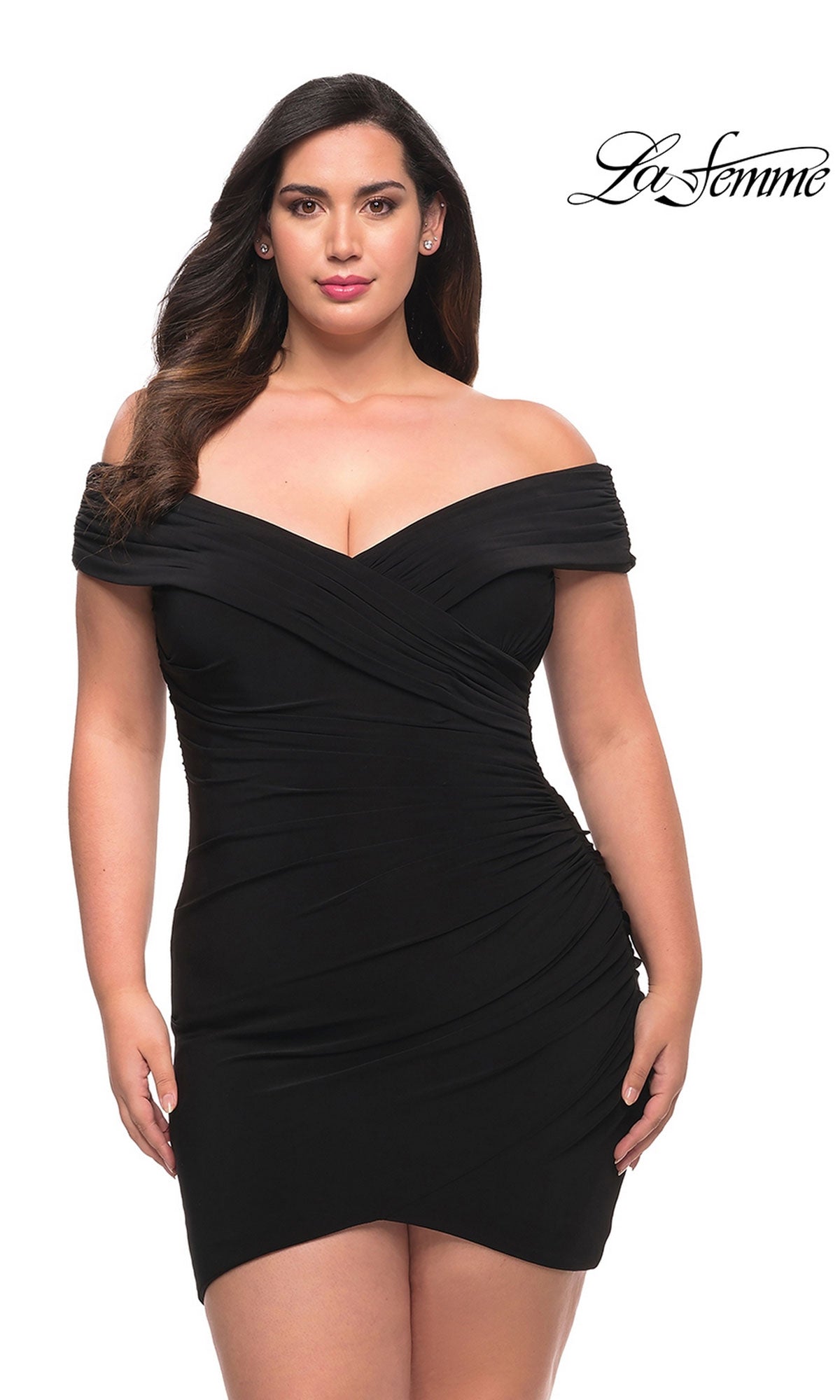
The paramount rule in styling any dress, especially a sexy cocktail dress, is impeccable fit. This is not subjective preference but a cornerstone of professional fashion design. As noted by Tim Gunn, former co-host of Project Runway, “Fashion is about proportion and fit.” A dress that pulls, gaps, or sags undermines its design intent and the wearer’s comfort. The goal is to select a silhouette that harmonizes with your body’s architecture. For instance, an A-line dress, which flares from the waist, can create a balanced silhouette for those with a pear-shaped body, drawing attention upward. A sheath or bodycon dress, made famous by designers like Hervé Léger, celebrates curves through its elastic, banded construction, requiring precise sizing. The mermaid silhouette, with its fitted bodice and flared skirt, dramatizes the hips and thighs. The scientific principle here is visual balance. Stylists often reference the “rule of thirds” from visual arts to create pleasing proportions; a dress with an empire waist (high waistline) lengthens the lower body, while a drop-waist can elongate the torso. Never compromise on fit. Tailoring is not a luxury but a necessity—spending $50 on alterations can make a $100 dress look like a $1000 garment. This investment in perfect fit is the most professional and impactful styling decision you can make.
2. The Palette of Allure: Color Psychology and Fabric Diction
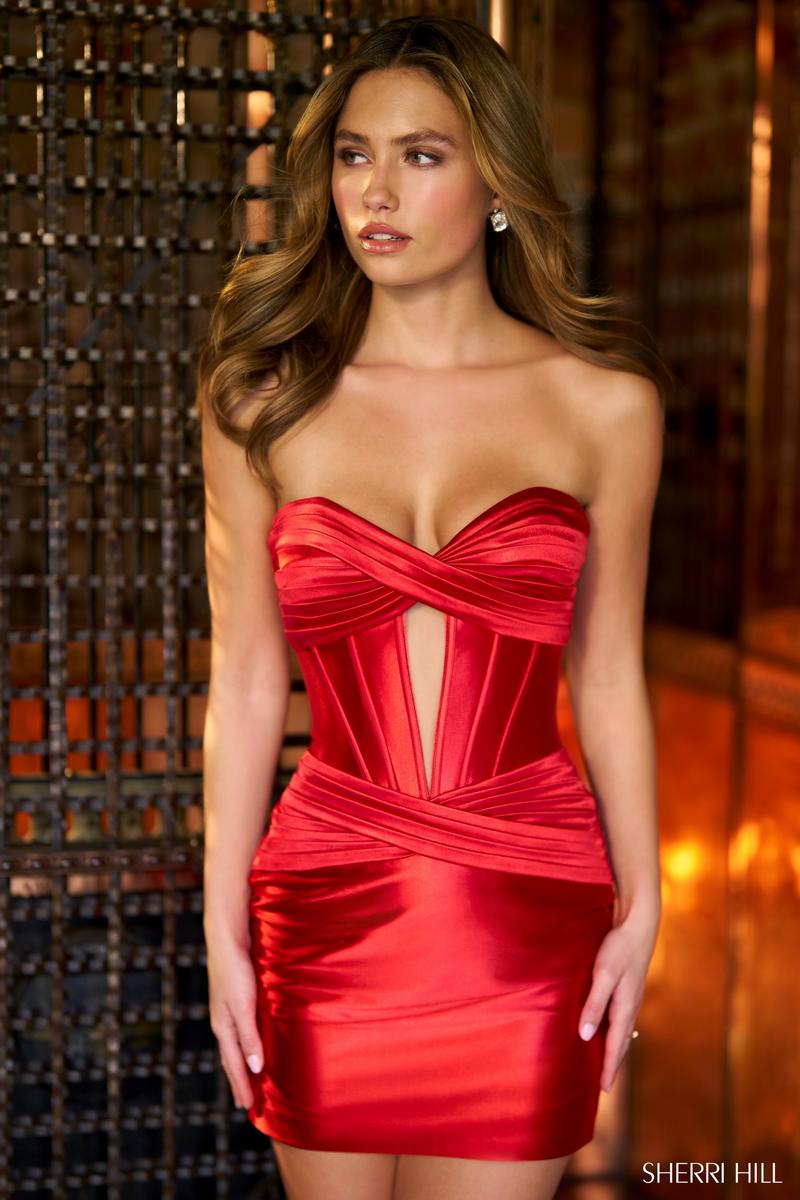
Color is a silent yet powerful communicator. The hue of your sexy cocktail dress sets the narrative tone before you utter a word. Color psychology, a field studied in marketing and design, provides objective guidance. Red, frequently cited in studies like those by Andrew Elliot and Daniela Niesta, is consistently linked to perceptions of romance, dominance, and heightened attraction—making it a classic for a bold, confident night out. Black, the quintessential cocktail color, conveys sophistication, authority, and slimming elegance, a notion perpetuated by fashion icons like Coco Chanel and Audrey Hepburn. Metallics (gold, silver) reflect light, literally making the wearer a center of attention, while deep jewel tones (emerald, sapphire) suggest luxury and depth. Fabric choice is equally critical. A silk satin dress drapes and glides, offering a liquid, sensual movement. Lace, with its interplay of opacity and transparency, introduces texture and a touch of vintage romance. Stretch crepe or jersey offers comfort and a sleek, modern line. The fabric must suit the dress’s structure; a stiff taffeta creates volume for a ballerina-style skirt, while a lightweight chiffon offers ethereal flow. Consider the environment: a velvet dress may be oppressively warm in a crowded club but perfect for a winter rooftop soiree.

3. Strategic Accentuation: The Art of the Reveal and Conceal
True allure in styling often lies in suggestion rather than overt display—the art of the “reveal and conceal.” This principle is championed by stylists like Rachel Zoe, who advocates for “one focal point.” If your dress features a deep V-neckline, consider balancing it with a longer, more conservative hemline. A high neckline can be offset by an open back or a dramatic leg slit. This creates visual interest and avoids a “overdone” look. The leg slit, a feature popularized in the 1930s and revived endlessly, is a masterclass in this principle. As film costume designer Edith Head observed, “You can have anything you want in life if you dress for it.” A slit offers dynamic movement and a flash of leg, elongating the silhouette without exposing everything. Similarly, cut-outs at the waist or back draw the eye to specific, often toned, areas. This strategy is rooted in the psychological concept of “peek-a-boo” allure, where partial concealment can increase interest and attraction. The key is intentionality. Every exposed element should feel like a deliberate choice, part of a cohesive design story, rather than an accident. This controlled approach projects confidence and sophistication, elevating the wearer from merely wearing a dress to commanding it.
Voice of Authority: The Designer’s Perspective
“A woman’s dress should be like a barbed-wire fence: serving its purpose without obstructing the view.” – This oft-attributed quip, sometimes linked to Sophia Loren, encapsulates the philosophy of strategic accentuation. It highlights that the power of a sexy cocktail dress is in its ability to define and hint, not to obscure or overwhelm. Modern designer Christian Siriano often echoes this in his collections, creating gowns that are architectural and revealing yet powerfully elegant, stating in Vogue interviews that “confidence comes from feeling covered in the right ways and exposed in the right places.”
4. The Finishing Calculus: Accessories, Footwear, and Coherence
Accessories are the punctuation marks of your outfit; they complete the sentence. The golden rule is subtraction: an already detailed dress (e.g., heavy beading, lace, ruffles) needs minimal jewelry. A simple, sleek dress is the canvas for statement pieces. From a practical standpoint, consider scale. Petite frames can be overwhelmed by large, chunky jewelry, while taller individuals can carry more substantial pieces. A clutch is non-negotiable—it’s functional and keeps the lines of your body clean compared to a shoulder bag. Footwear is an extension of the dress’s personality. A classic pointed-toe stiletto, as seen consistently on red carpets, elongates the leg and adds a sharp, modern edge. A strappy sandal offers a more delicate, romantic feel. Even a fashion-forward block heel or an embellished flat can work if it complements the dress’s vibe. Coherence is key. If your dress is vintage-inspired 1950s, a sleek metallic clutch and cat-eye sunglasses might be coherent. A minimalist, modern slip dress calls for delicate gold jewelry and clean-line heels. This coherence creates a holistic, intentional look that reads as stylish rather than trying too hard.
5. The Intangible Element: Mindset, Posture, and Practical Preparations
The most perfectly styled sexy cocktail dress can fall flat without the correct mindset. Styling is an inside-out process. Confidence is the ultimate accessory. Amy Cuddy’s renowned TED Talk and research on “power poses” suggest that adopting expansive postures can actually increase feelings of confidence. Stand tall, shoulders back. Own the space you occupy. Practical preparations underpin this confidence. Invest in the right undergarments—a seamless thong, a supportive strapless bra, or shapewear that smooths without constricting. Brands like Spanx have built an empire on this foundational need. Consider the evening’s logistics: can you dance, sit, and eat comfortably? A dress that requires constant adjustment will shatter your poise. Finally, grooming matters. Ensure your dress’s color complements your skin tone (a concept from seasonal color analysis, popularized by Carole Jackson’s Color Me Beautiful), and that your hair and makeup align with the outfit’s formality. A sleek updo showcases a dramatic neckline; loose waves might pair better with a simple silhouette. Makeup should highlight one feature—a bold lip or a smoky eye—not both, to maintain balance.
Professional Knowledge and Value: Building a Night-Out Wardrobe Intelligently
Building a repertoire of go-to sexy cocktail dresses need not bankrupt you. The professional approach involves strategic acquisition. First, identify versatile silhouettes and colors that work for your body and lifestyle—perhaps a little black dress (LBD), a bold color block dress, and a playful sequin option. Then, shop smart. Utilize end-of-season sales, outlet stores, and reputable online retailers that offer clear size charts and good return policies. Consider rental services like Rent the Runway for designer pieces for a one-off event—this is a highly cost-effective and sustainable practice embraced by fashion editors. Remember, quality over quantity. One perfectly fitted, well-constructed dress in a timeless style will outlast ten trendy, poorly made ones. Look for sturdy stitching, lined fabric, and quality zippers. This professional, discerning approach to shopping ensures your investment delivers maximum style and longevity, giving you both the knowledge and the financial advantage.

Styling a sexy cocktail dress for a night out is an exercise in personal alchemy—blending objective design principles, psychological insight, and individual flair. It moves beyond following trends to understanding the why behind the wow. It’s about choosing a silhouette that honors your form, a color that projects your intent, and details that whisper rather than shout. It’s the confidence born from perfect fit, the elegance of strategic accentuation, and the polish of coherent accessories. When these elements converge, the dress ceases to be merely an outfit and becomes an extension of your presence, ensuring that when you step into the night, you do so with undeniable authority and style.