

How to Style a Sexy Cocktail Dress for Every Occasion
The allure of a cocktail dress lies in its transformative power. It’s not merely a garment; it’s a sartorial key that unlocks confidence, personality, and intention. A sexy cocktail dress specifically carries a nuanced charge—it’s about curated allure, intelligent sophistication, and the art of revealing just as much as you conceal. This guide moves beyond generic advice, offering a strategic framework to master this wardrobe essential. We’ll dissect the objective principles of style, leverage authoritative insights, and provide actionable knowledge to ensure your sexy cocktail dress is not just worn, but wielded with purpose for any event on your calendar.
Deconstructing “Sexy”: The Anatomy of Allure in a Cocktail Dress
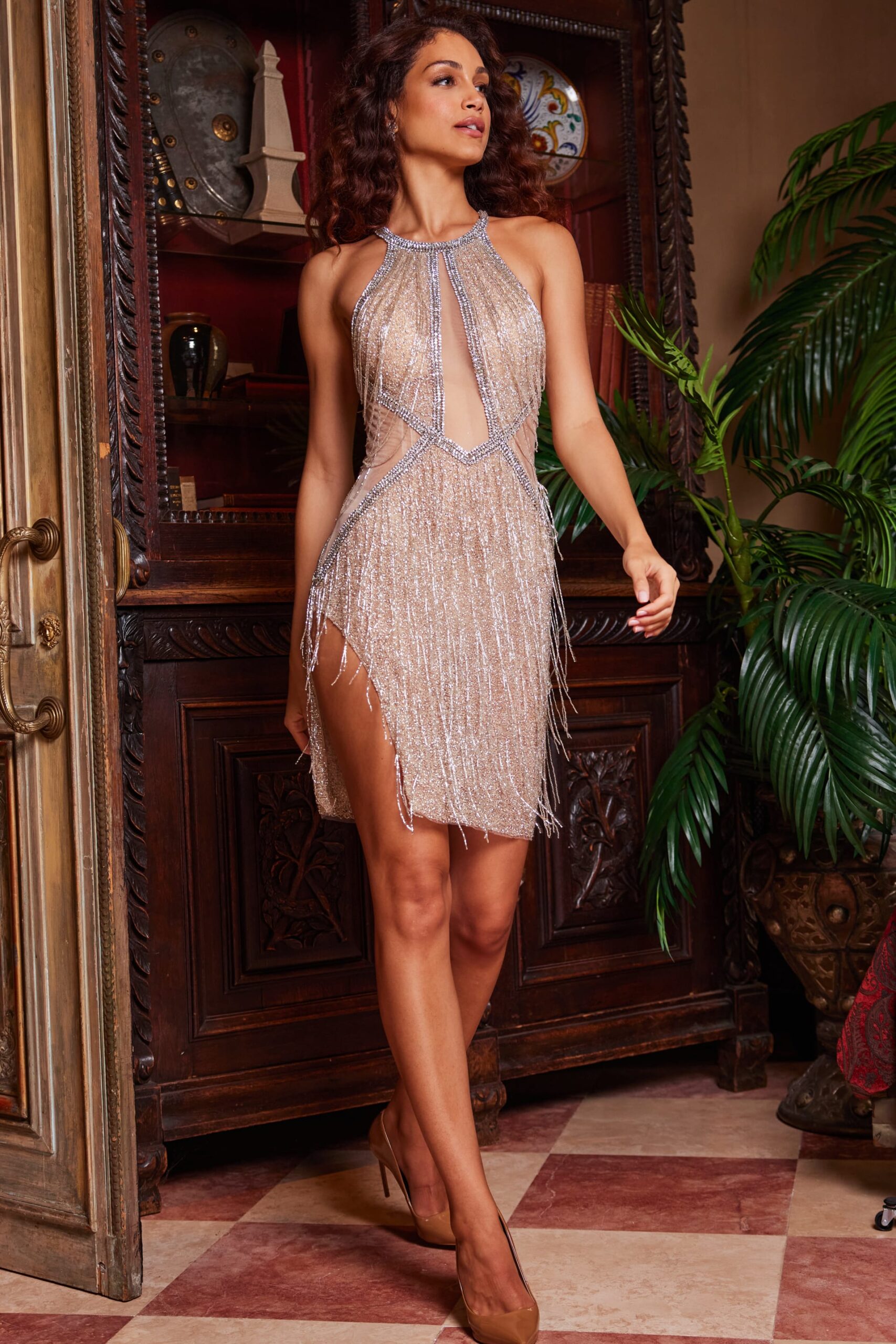
Before styling, we must define the term. “Sexy” in fashion is often misconstrued as synonymous with “revealing.” However, authoritative perspectives from cultural studies and design philosophy suggest a more complex definition. As fashion historian and curator Dr. Valerie Steele notes in her work for The Museum at the Fashion Institute of Technology, “Sexiness in clothing is often about suggestion and the play of opposites—covering and revealing, hard and soft, structured and fluid.” A truly sexy cocktail dress operates on this principle of tension. It might feature a high neckline but a dramatic open back (a concept known as “décolletage dorsale”), or a conservative hemline paired with a body-conscious silhouette. This aligns with the psychological concept of the “peak-a-boo” effect, where the mind finds intrigue in partial information. Scientifically, aspects like the waist-to-hip ratio (WHR), often emphasized by fit-and-flare or belted styles, have been studied in evolutionary psychology as cross-cultural markers of attractiveness. Therefore, your styling mission begins with selecting a dress that creates interesting contrasts—perhaps a sleek, minimalist sheath in a luxuriously tactile fabric like velvet or silk charmeuse. The sexiness is engineered into the cut, the drape, and the material’s interaction with light and movement, not merely its square footage of coverage.
The Foundation: Selecting Your Signature Silhouette
Your body is the canvas, and the dress silhouette is the first stroke of the masterpiece. This choice is not about following trends blindly but about understanding architectural harmony. The Little Black Dress, canonized by Coco Chanel and later epitomized by Hubert de Givenchy for Audrey Hepburn in Breakfast at Tiffany’s, provides the perfect case study. Its sexiness derived from impeccable proportion and elegant restraint. Today, we have a taxonomy of silhouettes, each communicating a different facet of allure. The bodycon cocktail dress, a direct descendant of Azzedine Alaïa’s “king of cling” designs, celebrates curves through technical construction with panels and strategic seaming—it’s a confident, modern statement. The A-line or fit-and-flare, popularized by Christian Dior’s “New Look,” cinches the waist and skims the hips, creating a timeless, feminine hourglass that references mid-century glamour. The slip dress, a 90s revival championed by designers like Helmut Lang and now a staple, offers a softer, more insouciant sensuality through its delicate straps and fluid bias cut. Your selection should be an objective partnership with your form. Consider the “rule of thirds” from visual arts; a dress that visually divides your body into pleasing proportions (e.g., a defined waist at the natural smallest point creating a 1:2 ratio) is inherently more balanced and appealing. This isn’t opinion; it’s an application of design principles used from Renaissance painting to modern architecture.

The Alchemy of Accessories: Curating, Not Crowding
Accessories are the punctuation marks of your outfit—they can turn a statement into a question, an exclamation, or a confident period. The common mistake is over-punctuation. Styling a sexy cocktail dress requires a minimalist, editorial approach. Let’s apply the Pareto Principle (the 80/20 rule): let the dress be the 80%, and your accessories the decisive 20%. If your dress is ornate with sequins or lace, your jewelry should be nearly invisible—think simple studs and a slim bracelet. Conversely, a simple sheath becomes a backdrop for a single, monumental piece. This philosophy is echoed by style icon Iris Apfel: “More is more and less is a bore.” However, the key is intentional maximalism, not clutter. Footwear is non-negotiable. A classic pump, with a heel height you can command, elongates the silhouette. Nude tones create an uninterrupted line, while a metallic or bold color becomes a focal point. Your clutch is functional sculpture; choose a shape that contrasts with your dress’s lines (a geometric box with a fluid dress, a soft pouch with a structured shift). Finally, consider the often-overlooked accessory: fragrance. As Chandler Burr, former scent critic for The New York Times, frames it, scent is an “invisible accessory” that creates a powerful sensory memory. A spritz on the pulse points completes the ensemble on a subliminal level.
Expert Insight: The Power of a Single Statement
“The secret to looking sexy is often about one bold, confident choice, not ten timid ones. Pair a daring neckline with covered arms. Let a dramatic leg slit be the sole focus by keeping everything else sleek. It’s the visual equivalent of a well-argued thesis—clear, supported, and compelling.”
This viewpoint, shared by numerous red-carpet stylists in publications like Vogue and Harper’s Bazaar, underscores the principle of a single focal point. It prevents the look from becoming chaotic and allows the wearer’s confidence to shine through a clearly defined style narrative.
Context is King: Occasion-Specific Styling Algorithms
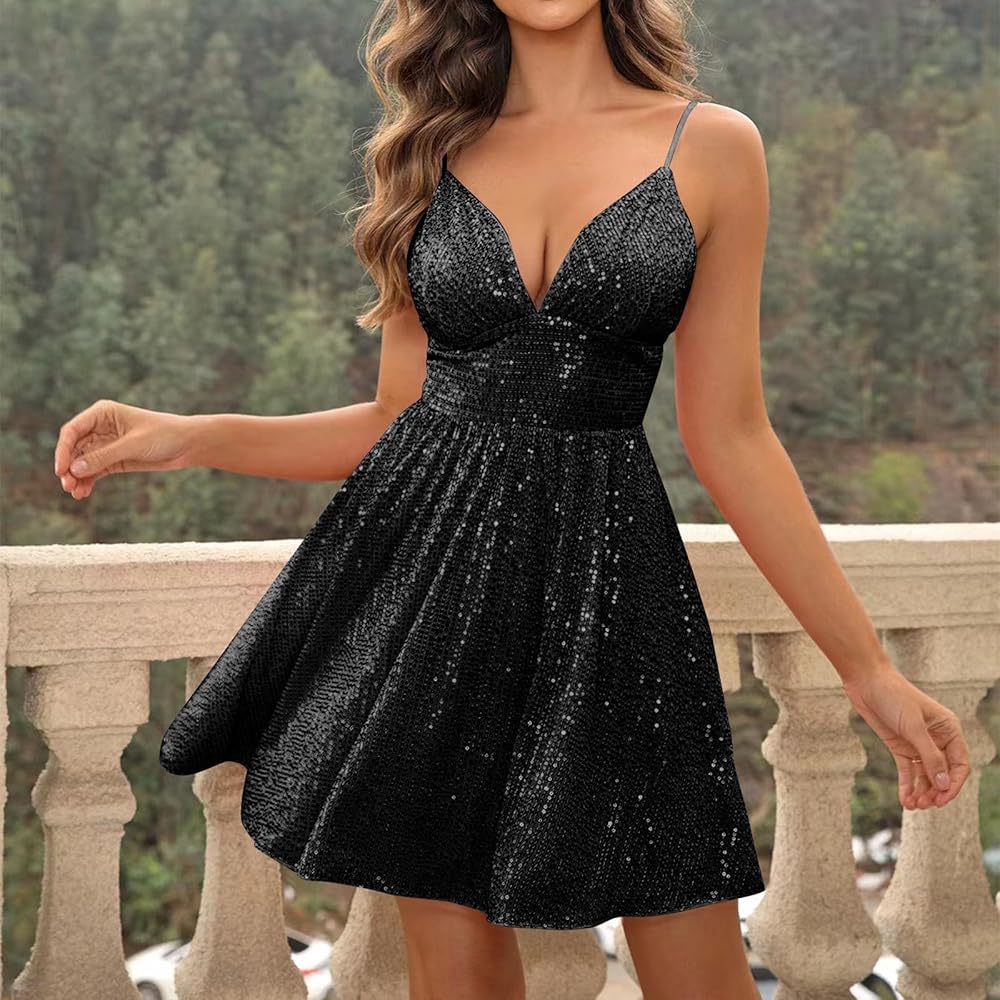
A sexy cocktail dress is not a one-style-fits-all solution; its expression must be modulated by the event’s code. Think of it as applying a different filter for each setting. For a corporate holiday party, the algorithm prioritizes sophisticated restraint. Opt for a knee-length or midi dress in a rich jewel tone or black. Sexiness is conveyed through superior tailoring, a luxurious fabric like wool crepe or heavy satin, and perhaps a single interesting detail—a cold shoulder, a keyhole back. Layer with a structured blazer for the office-to-party transition. For a wedding, especially if you’re a guest, respect the ceremony. Avoid white or ivory (a well-documented social convention) and overly flashy fabrics that might photograph brighter than the bride. A floral-print wrap dress or a lace-overlay fit-and-flare can be profoundly feminine and alluring without upstaging. For a date night, the parameters shift toward personal expression and tactile appeal. This is the moment for that silk slip dress, a bold red bodycon, or a dress with a dramatic cut-out. The fabric should invite touch—velvet in winter, silk in summer. The styling is more playful; you might swap classic pumps for strappy sandals or even chic ankle boots. For a gallery opening or chic cocktail bar, embrace avant-garde minimalism. A sculptural, monochromatic dress with unusual seams or asymmetry projects intellectual sexiness. The accessory rule here is even stricter: one incredible piece of architectural jewelry and nothing else.

The Finishing School: Posture, Grooming, and the Unseen Elements
The most perfectly styled dress can be undermined by poor posture, while a simple one can be elevated by carriage and grooming. This is the realm of non-verbal communication studied in kinesics. Standing with an open posture, shoulders back, and head held high doesn’t just make the clothes hang better; it broadcasts confidence, which is universally perceived as attractive. Your undergarments are the invisible foundation. As any costume designer from a major film studio will attest, the right undergarment is a technical necessity. Seamless, skin-tone shapewear or a perfectly fitted bra can transform the line of a dress. It’s not about constriction, but about creating a smooth canvas. Grooming is the final polish. Well-maintained hair, whether worn up to showcase necklines and jewelry or down in intentional waves, matters. Manicured nails (even if just clean and buffed) and considered makeup complete the picture. Makeup artist Lisa Eldridge often speaks of “skin first” makeup—creating a flawless, luminous base that looks like skin, which is far sexier than any heavy contour. These elements work synergistically. They signal that you have attended to every detail, that your appearance is a conscious, integrated whole rather than a hastily assembled costume.
Professional Knowledge & Value Proposition
Understanding fabric care is professional knowledge that extends the life and look of your investment. A silk sexy cocktail dress requires cold hand-washing or professional dry cleaning, while a polyester blend might be more resilient. Always check the label. To bring you tangible value, knowledge of the retail cycle is key. The best times to invest in high-quality cocktail dresses are during post-holiday sales (January), end-of-season clearances (late summer for spring/summer styles), and major shopping events like Black Friday. Many premium retailers offer “final sale” sections with significant discounts on last season’s designer pieces—a perfect opportunity to acquire a timeless silhouette at a fraction of the cost. Remember, a classic black sheath or a well-cut velvet dress is never “out of season”; it’s a perennial asset.
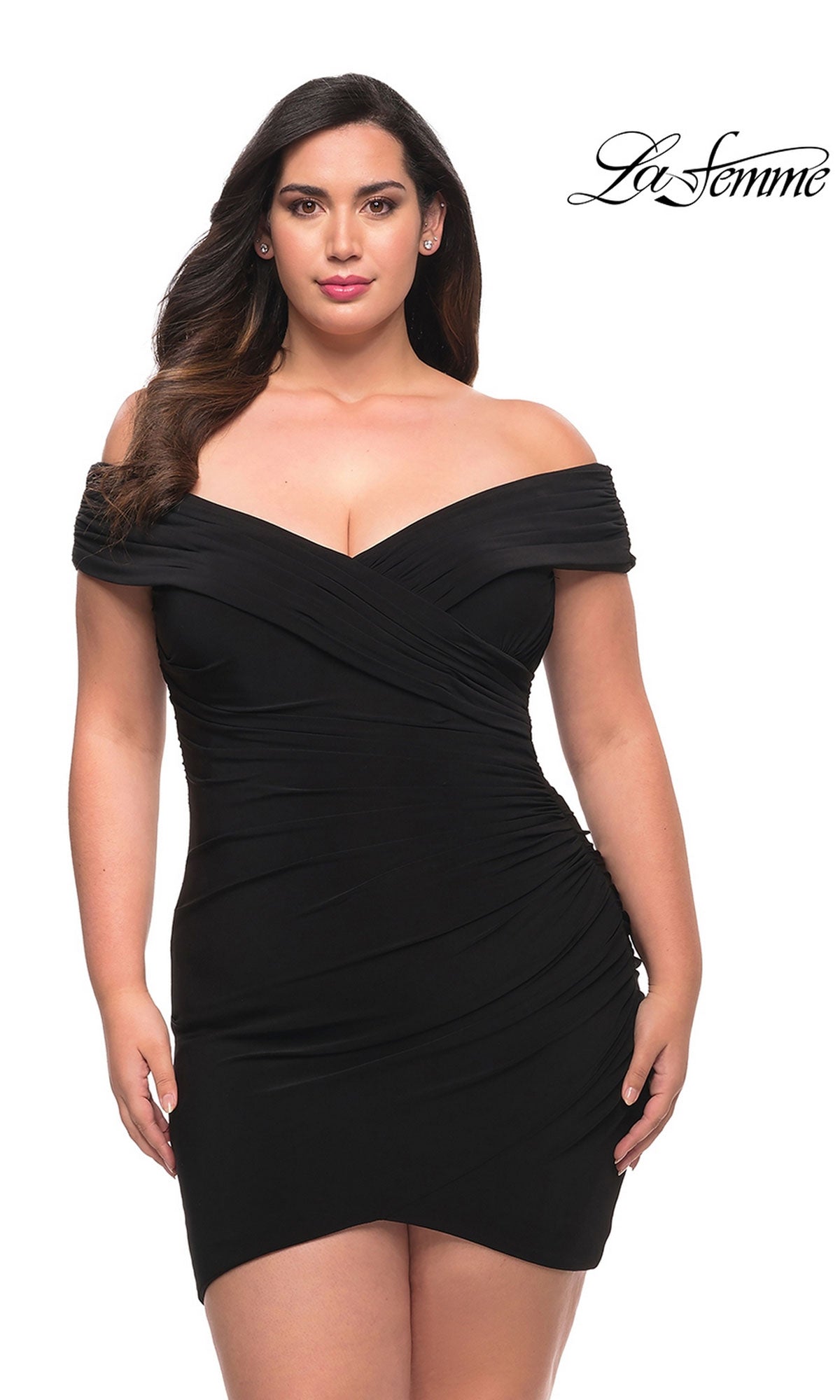
Mastering the art of the cocktail dress is an exercise in self-knowledge and strategic design. It begins with selecting a silhouette that architects your form, proceeds with curating accessories that punctuate without overwhelming, and demands adaptation to the social context of the occasion. The true power of a sexy cocktail dress is realized not when it is simply seen, but when it is felt—as an extension of your confidence, intelligence, and personal narrative. Armed with these principles, you can now approach your wardrobe not as a collection of garments, but as a toolkit for crafting unforgettable presence, one impeccable occasion at a time.