

How to Style Sexy Cocktail Dresses for Effortless Evening Glamour
Evening glamour isn’t about trying too hard; it’s about the artful curation of confidence, silhouette, and detail. At the heart of this sartorial alchemy lies the sexy cocktail dress, a garment that transcends mere clothing to become a statement of personal power and aesthetic finesse. This guide moves beyond subjective style tips, anchoring its advice in design principles, cultural context, and the psychology of attire. We’ll dissect how to master this iconic piece, transforming you from someone wearing a dress into someone commanding a room with effortless elegance.
The Architectural Foundation: Understanding the Silhouette
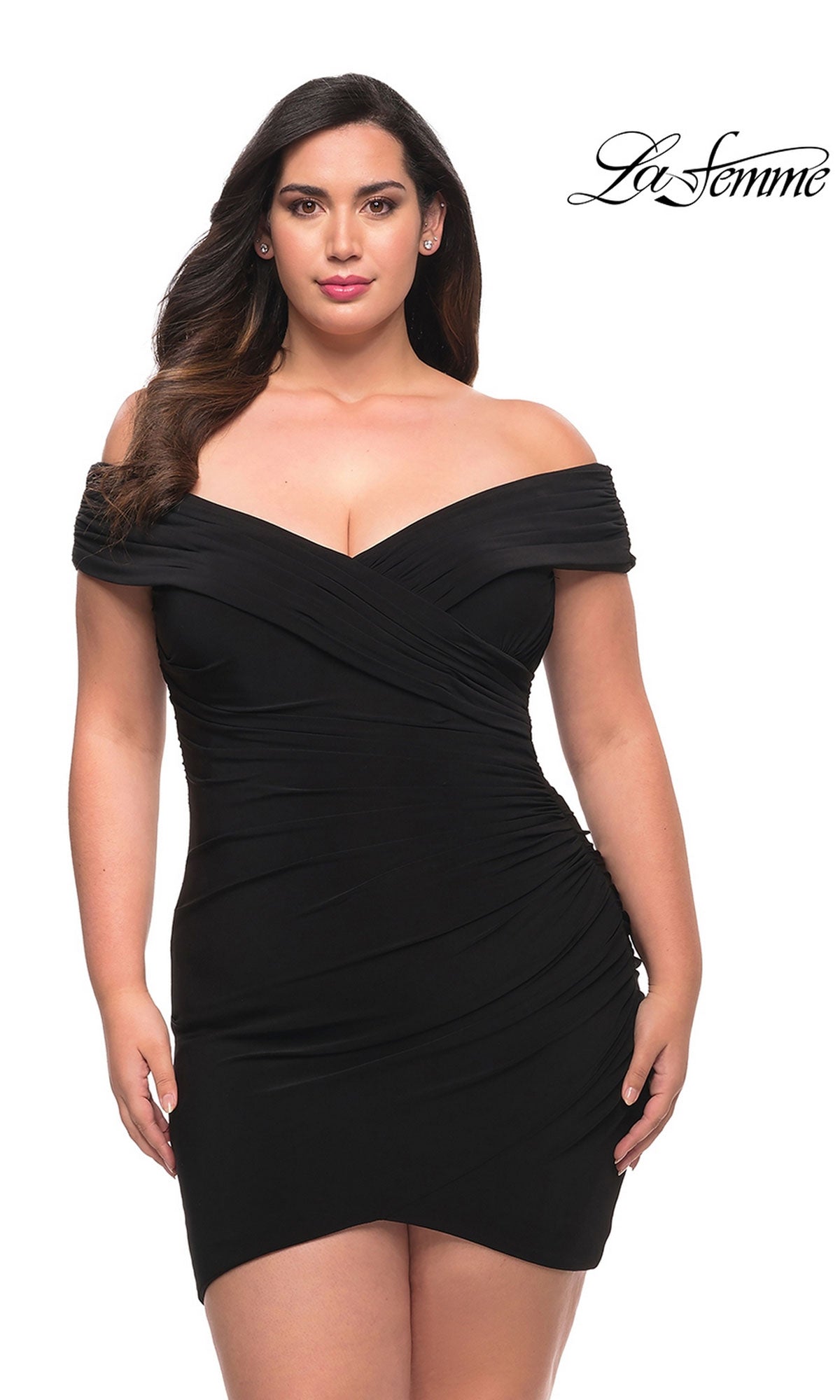
Before accessorizing, one must understand the canvas. A sexy cocktail dress derives its power from its architecture—the deliberate manipulation of shape, line, and volume to highlight the human form. As noted by the Fashion Institute of Technology’s curriculum, silhouette is the primary visual impact of a garment. The classic “little black dress,” popularized by Coco Chanel and later perfected by designers like Hubert de Givenchy for Audrey Hepburn, operates on this principle of strategic simplicity. It’s not about covering up, but about revealing through suggestion. A bodycon silhouette, for instance, employs negative ease (the garment is smaller than the body) and high-stretch fabrics to create a second-skin effect, a concept rooted in mid-20th-century innovations by designers like Azzedine Alaïa, who was dubbed “the king of cling” for his masterful use of knitting techniques. Conversely, a fit-and-flare dress uses structural seaming to cinch the waist and release into a skirt, creating an hourglass illusion rooted in 1950s ideals but modernized with contemporary fabrics. The “sexiness” here is not inherent to skin exposure but to the precise, confident shaping of the body’s natural architecture. Choosing your dress begins with identifying which architectural style best frames your form and aligns with the evening’s venue—a sleek sheath for a gallery opening, a playful skater silhouette for a rooftop party.
The Psychology of Color and Fabric: More Than Meets the Eye
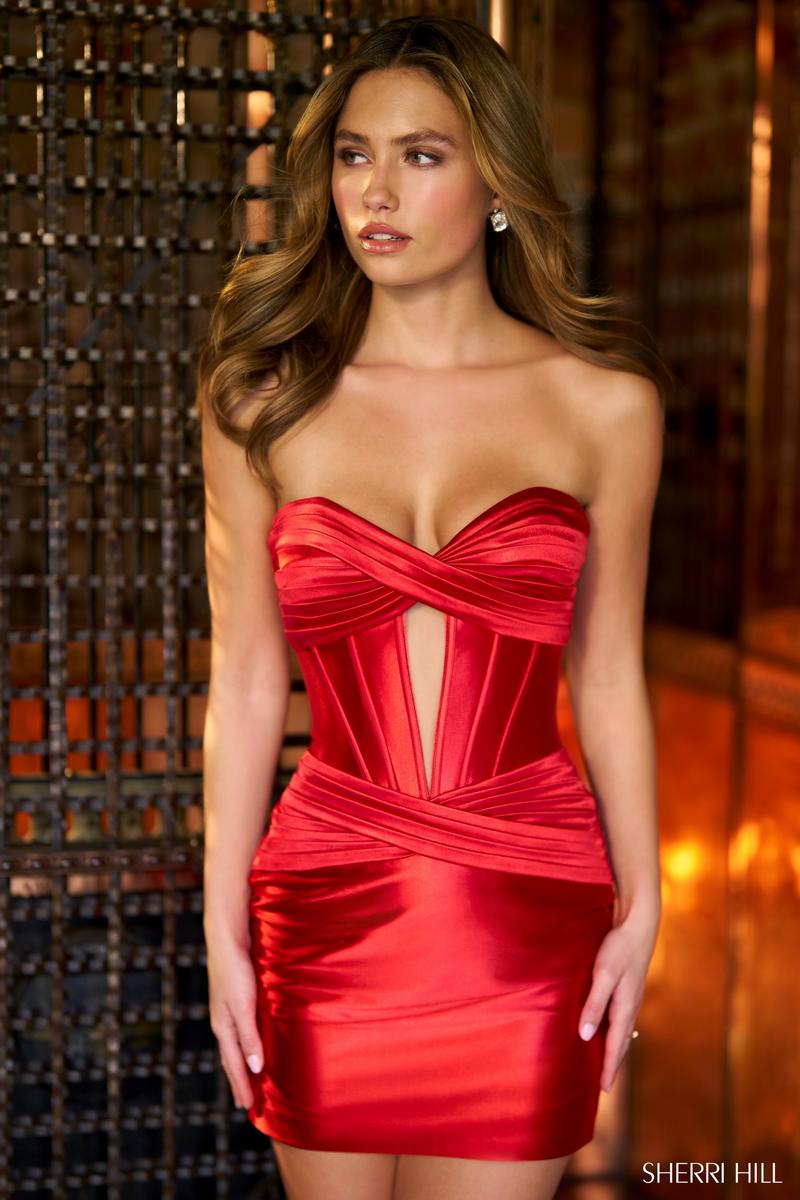
Color psychology is not mere pop-science; it has been studied in contexts from marketing to clinical therapy. A red dress, for example, is consistently linked in cross-cultural studies, such as those cited by Andrew J. Elliot in the Journal of Personality and Social Psychology, with perceptions of status, attractiveness, and desirability. It’s a non-verbal signal of confidence. Black, meanwhile, conveys authority, sophistication, and mystery—a tool for effortless glamour precisely because it focuses attention on your silhouette and demeanor rather than competing with a loud hue. The fabric is the language of this color. A liquid-like silk satin, with its high-gloss finish, reflects light to sculpt the body, a favorite of old Hollywood starlets like Jean Harlow. Matte crepe or velvet, on the other hand, absorbs light, offering a more subdued, tactile luxury that feels rich and modern. The choice between a daring crimson satin or an enigmatic black velvet is a choice between two different kinds of power: one declarative, the other magnetic. When selecting your sexy cocktail dress, consider the message you wish to broadcast before you even speak.
The Alchemy of Accessories: Curating, Not Crowding
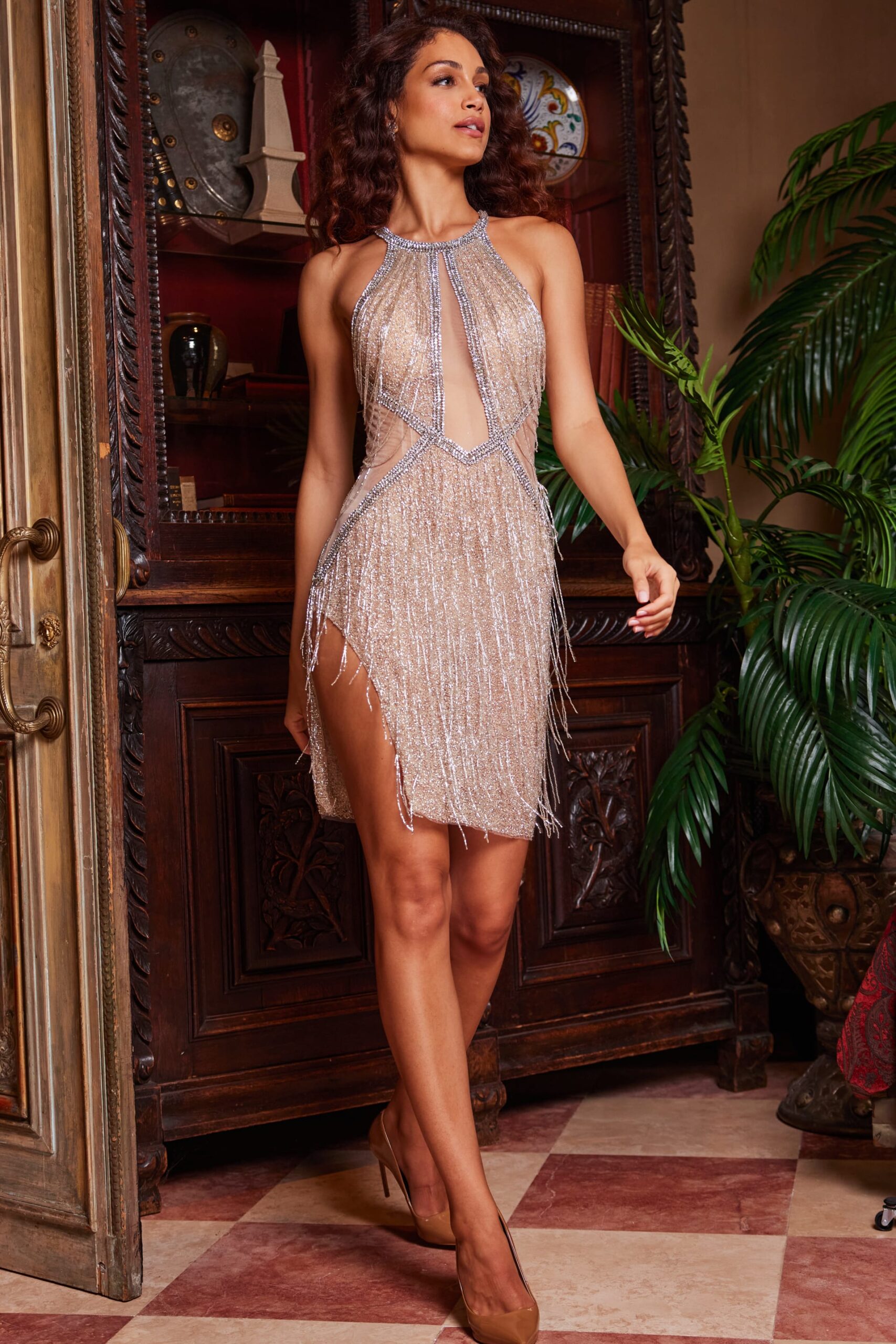
Accessories are the punctuation marks to your sartorial sentence. The goal is emphasis, not clutter. This principle is echoed by style authorities from Vogue’s editors to timeless icons. As the legendary fashion editor Diana Vreeland once quipped, “The eye has to travel.” Over-accessorizing halts that journey. If your dress features intricate beading or a plunging neckline, let that be the star. A pair of simple, elegant studs or a single delicate chain may suffice. Conversely, a minimalist sheath becomes a canvas for bold expression. Here, a statement necklace or dramatic chandelier earrings can define the entire look. The “rule of three”—limiting yourself to three focal points—is a useful, though not absolute, guideline from professional stylists. Your dress is one, your shoes are two, and a clutch or jewelry can be the third. Footwear is foundational; a sleek stiletto elongates the leg line, continuing the dress’s silhouette, while a sophisticated block heel or embellished flat offers modern practicality without sacrificing polish. Your clutch should be an object of art, not a practical tote—choose one that complements or intriguingly contrasts the texture of your dress.
Beauty as an Extension: Hair, Makeup, and the Unseen Confidence
Your beauty look should be in harmony with, not at war with, your attire. This is a concept championed by makeup artists like Pat McGrath, who designs runway looks that complement the garment’s mood. A sleek, low bun or polished ponytail exposes the neck and shoulders, perfectly framing a dress with dramatic back detailing or statement earrings—a style frequently seen on red carpets at the Met Gala, where looks are conceived as total art pieces. Soft, romantic waves offer a counterpoint to a structured, modern dress, adding a touch of effortless softness. Makeup follows the same principle of focal point. A bold, classic red lip pairs powerfully with a simple black dress, creating a timeless, high-contrast glamour. A smoky eye might be the chosen drama for a neutral-toned dress. However, the most crucial element is intangible: posture and confidence. Social psychologist Amy Cuddy’s research on “power posing” suggests that adopting expansive postures can actually alter hormone levels and increase feelings of confidence. Standing tall, moving with assurance, and owning your space transforms any sexy cocktail dress from a costume into your armor.
Context is King: Navigating the Unspoken Dress Code
Effortless glamour is contextually intelligent. A dress that stuns at a trendy nightclub might overwhelm a sophisticated dinner party. Understanding venue and occasion is paramount. Resources like Quora threads and etiquette guides from sites like The Knot break down dress codes with practical clarity. “Cocktail Attire” typically calls for knee-length or midi dresses, but the “sexy” modifier allows for play within those bounds—perhaps a higher slit, a lower back, or a more form-fitting cut. For a gallery opening or charity gala, opt for refined fabrics and architectural cuts that whisper luxury. For a birthday celebration at a lounge, you might embrace brighter colors or playful details like feathers or sequins. The key is to read the room before you enter it. A well-styled individual respects the event’s tone while still expressing their individuality. This balance is the hallmark of true style, as demonstrated by figures like Blake Lively, who consistently interprets red carpet and event dress codes with personalized, memorable flair.

Investment vs. Steal: Building a Glamorous Arsenal
Glamour need not bankrupt you. A strategic approach involves investing in timeless, versatile pieces and supplementing with trend-driven steals. The foundational sexy cocktail dress—perhaps a perfectly tailored black sheath or a elegant wrap dress—is worth a higher investment for superior fabric, construction, and longevity. Brands that specialize in occasionwear often use techniques like boning, lined skirts, and quality zippers that enhance fit and durability. Then, leverage the dynamic world of fast-fashion and online retailers for seasonal colors, bold prints, or dresses with dramatic details you may only wear a few times. The savvy shopper knows to hunt for discounts during off-season sales, utilize price-tracking browser extensions, and explore rental services for ultra-high-end designer pieces for a one-off event. The goal is a curated closet where every dress feels intentional and gives you a powerful return on investment, both financially and in the confidence it delivers.
Ultimately, styling a sexy cocktail dress for effortless evening glamour is an exercise in informed self-expression. It merges an understanding of design principles, color theory, and social context with the personal courage to define your own allure. It’s about choosing a dress that doesn’t wear you, accessorizing with discernment, and moving through your evening with the quiet certainty that you are not just appropriately dressed, but brilliantly styled. The glamour lies not in perfection, but in the effortless harmony of all these elements, allowing your authentic presence to become the most captivating feature of the night.