

How to Style Sexy Cocktail Dresses for a Night Out
The allure of a night out is often encapsulated in the perfect outfit—a sartorial statement that balances confidence, allure, and personal style. At the heart of this sartorial quest lies the sexy cocktail dress, a garment that transcends mere clothing to become an instrument of self-expression. This article is not about prescribing a single look but about empowering you with the knowledge to master the art of styling. We will dissect the elements that transform a dress from simply pretty to powerfully captivating, grounding our advice in objective principles of design, psychology, and social observation. Forget vague notions; we’re building your styling toolkit from the ground up.
1. The Foundation: Understanding the “Sexy” in Cocktail Attire
Before accessorizing, we must deconstruct the core concept. “Sexy” is a subjective term, but in fashion psychology, it often correlates with confidence, strategic revelation, and the harmonious balance of silhouette and fabric. A sexy cocktail dress operates on principles of visual intrigue. As fashion historian Valerie Steele notes in her work for The Museum at the Fashion Institute of Technology, allure in Western fashion has frequently been tied to emphasizing or contrasting the natural female form. This doesn’t mandate skin exposure; it can be achieved through the drape of a fabric, the cinch of a waist, or the flow of a skirt. Scientifically, aspects like the waist-to-hip ratio have been studied in contexts of attractiveness, but modern styling emphasizes personal fit over universal ratios. The first rule is this: sexy is the posture you adopt when a dress fits you impeccably, not just physically, but in spirit. A dress that is too tight or outside your comfort zone projects discomfort, not allure. Therefore, the foundational step is selecting a silhouette—be it sheath, A-line, fit-and-flare, or slip—that aligns with your body’s architecture and your internal sense of power.
The Silhouette Spectrum: From Sheath to Slip
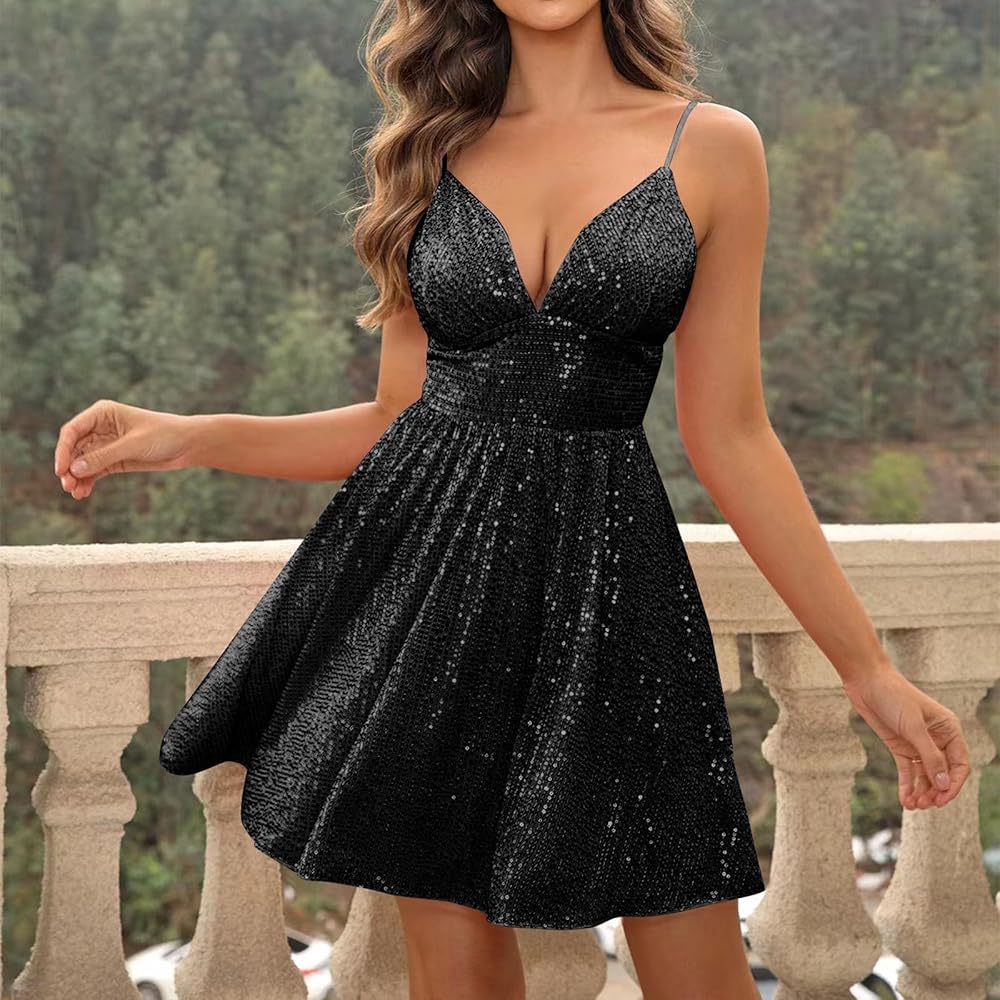
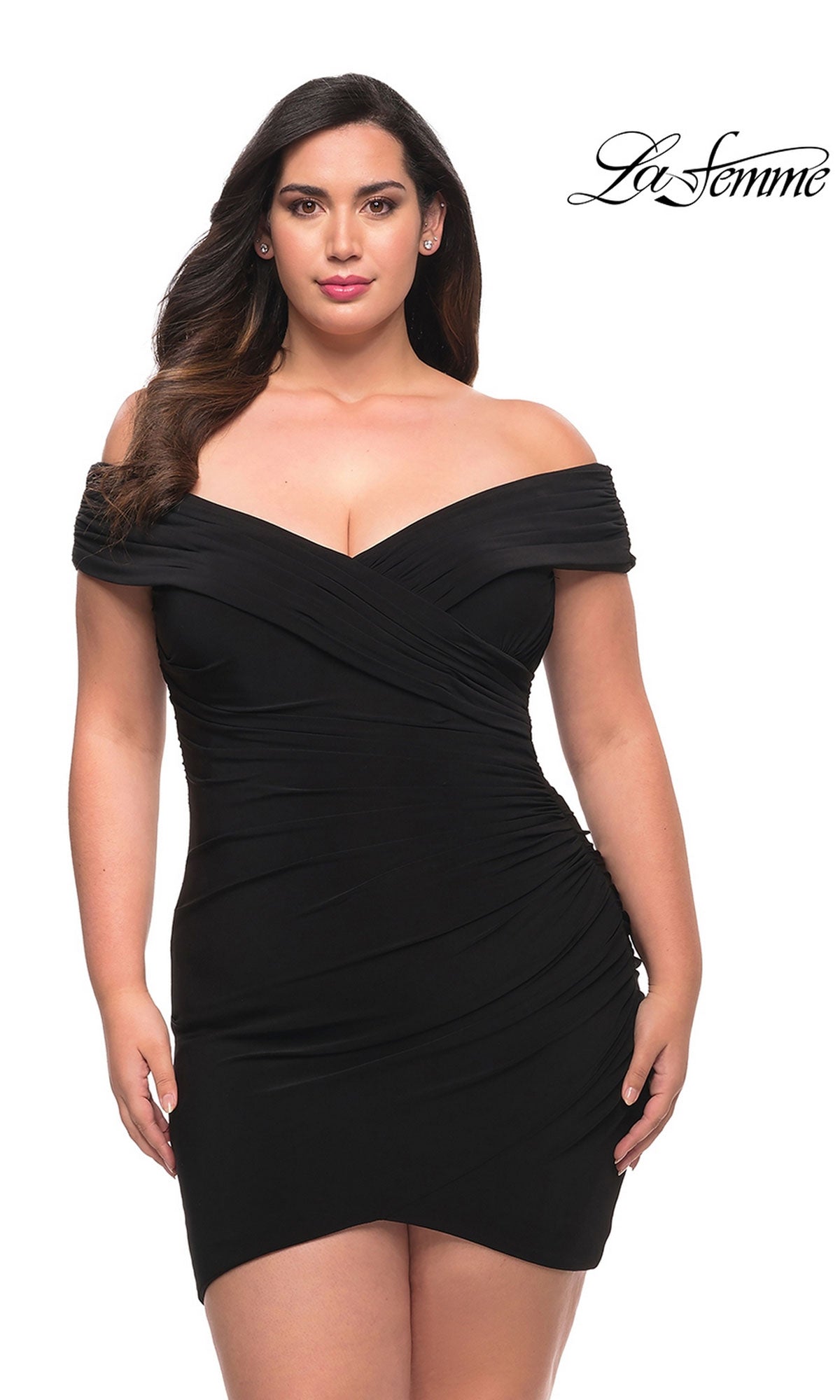
Each dress silhouette communicates a different dialect of the same alluring language. The body-conscious sheath dress, for instance, offers a continuous line that suggests streamlined sophistication. Its power lies in its restraint, creating allure through suggestion rather than revelation. In contrast, the classic fit-and-flare or A-line dress, with its cinched waist and flaring skirt, harks back to mid-century ideals, emphasizing the waist and creating a dynamic, playful movement. This silhouette often draws from Christian Dior’s iconic “New Look,” which revolutionized post-war fashion by celebrating an overtly feminine hourglass shape. Meanwhile, the contemporary slip dress, popularized in the 90s and championed by figures like Kate Moss, derives its sex appeal from its minimalist, effortless drape and delicate straps. It suggests intimacy and ease. Your choice should factor in the venue’s formality and your desired mode of movement. A sheath may command a poised evening, while a slip dress might suit a more relaxed, lounge-like atmosphere. Understanding these historical and contextual connotations allows you to wear the dress with intentionality, which is the ultimate accessory.
2. The Alchemy of Accessories: Curating, Not Crowding
Accessories are the punctuation marks to your sartorial sentence; they can turn a statement into an exclamation or a thoughtful question. The key principle is curation. A common mistake is over-accessorizing, which can fragment the visual impact of your sexy cocktail dress. Objective style guides from institutions like the Condé Nast College of Fashion & Design often emphasize the “one statement piece” rule. If your dress features intricate beading or a bold neckline, let that be the star. Opt for subtle, elegant jewelry—a single delicate necklace or sophisticated stud earrings. Conversely, a simple, sleek dress becomes a canvas for bold accessories. A chunky, architectural cuff or a pair of dramatic chandelier earrings can define the entire look. Footwear is non-negotiable; it must harmonize in both style and comfort. A strappy stiletto elongates the leg line, complementing shorter hemlines, while a sleek block heel or even a fashion-forward flat can ground a longer, flowy dress with modern edge. Remember, your clutch or mini-bag is functional sculpture—choose a shape and texture that complements rather than clashes.
Footwear as Foundation: The Psychology of Height and Posture
The choice of heel extends beyond aesthetics into the realm of biomechanics and social signaling. Studies in environmental psychology, such as those referenced in publications like Psychology Today, have suggested that height can be unconsciously associated with authority and confidence. A heel alters your posture, tilting the pelvis and straightening the spine, which can project an image of assertiveness. However, scientific comfort is paramount. Podiatrists often warn against sacrificing foot health for style; the key is finding a well-constructed shoe with adequate support, even within a stylish design. Brands that incorporate padded insoles and balanced weight distribution are investing in both your look and your physical well-being. Consider this: you cannot own the room if you are preoccupied with pain. Therefore, when selecting shoes for your night out, factor in the anticipated duration of standing and walking. A lower, sturdier heel or a fashionable flat can be just as powerful when paired with the right dress and the right attitude.
3. The Fabric of Desire: Texture, Drape, and Perception
Fabric is the unsung hero of a great dress. It determines how the garment moves with you, how it interacts with light, and the tactile impression it gives. The sensuality of a sexy cocktail dress is profoundly influenced by its material composition. Luxe fabrics like silk charmeuse or satin possess a inherent luminosity and a fluid drape that clings and flows in a uniquely flattering way, creating a play of light and shadow on the body. Velvet, with its dense pile, conveys richness and depth, absorbing light for a more subdued, tactile allure. In contrast, structured fabrics like brocade or heavy lace provide their own architecture, offering a more defined shape. The choice here is between the allure of movement and the allure of form. As noted by textile experts from sources like Textile World, the hand-feel and weight of a fabric directly impact the wearer’s experience and the observer’s perception. A lightweight chiffon may evoke romance and ethereality, while a heavy crepe may signal serious sophistication. Your fabric choice should align with the season and the ambiance—crisp linens for summer garden parties, plush velvets for winter galas.

4. Color Psychology and Personal Palette
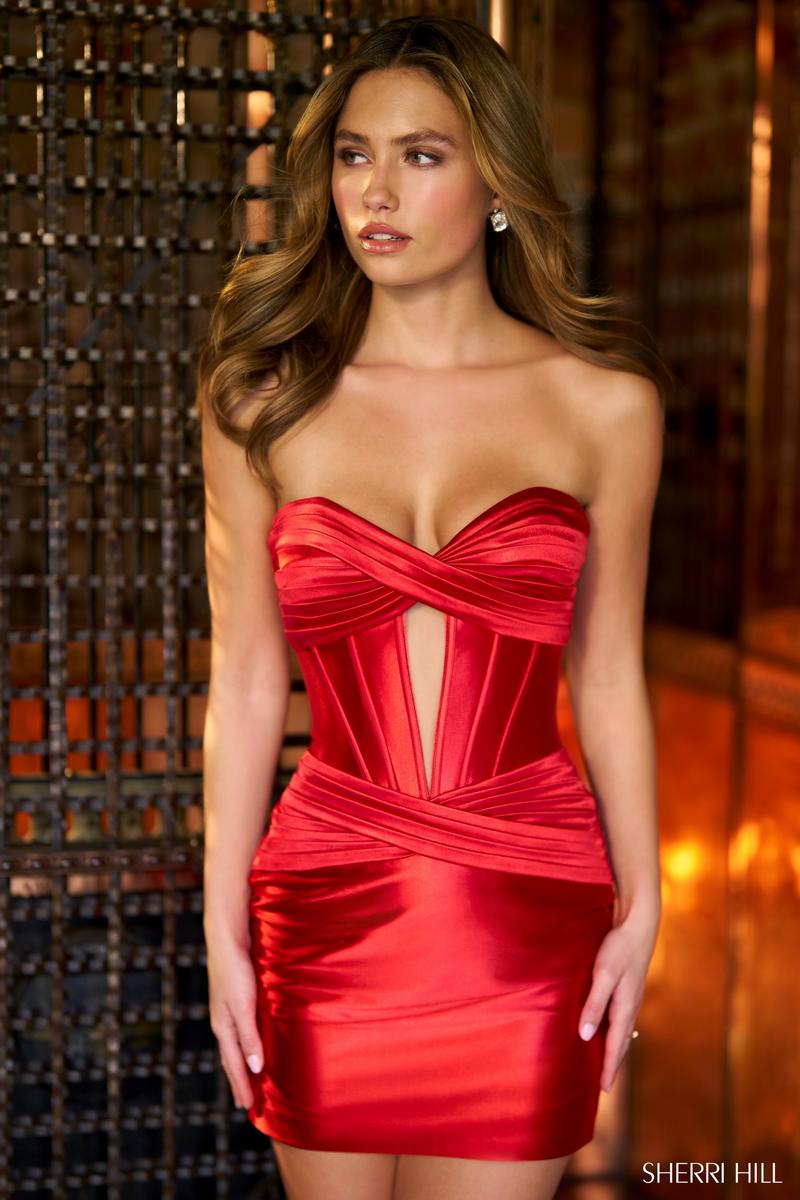
Color is your first and most visceral communication tool. It operates on a psychological level before any design detail is registered. The classic Little Black Dress (LBD) owes its ubiquity to its psychological neutrality and slimming perception, offering a blank slate of sophisticated mystery. However, venturing into color opens a new dimension. Red, extensively studied in social psychology (with research often cited from journals like the Journal of Personality and Social Psychology), is frequently associated with attraction, confidence, and energy. A red sexy cocktail dress is a deliberate, powerful statement. Emerald green or sapphire blue can convey luxury, intelligence, and depth, while metallics like gold or silver are inherently celebratory and attention-commanding. The key is to choose a hue that resonates with your skin’s undertones and your personal aura. Don’t just follow trends; understand what a color says about you in that moment. Are you aiming for bold assertion, enigmatic cool, or radiant joy? Let your color choice be the answer.
The Strategic Reveal: Necklines, Backs, and Hemlines
Allure is often most potent in what is suggested rather than shown. This is the art of the strategic reveal. A daring back cutout on an otherwise conservative dress can be profoundly more striking than a low front. A high neckline paired with a leg-revealing slit creates a compelling tension. These design elements guide the viewer’s eye and create a narrative. From a design perspective, balance is crucial. As fashion educator Tim Gunn famously espoused, “Edit, edit, edit.” If the dress features a plunging V-neck, a longer hemline might maintain equilibrium. An open back might pair with covered shoulders. This principle of balancing exposure ensures the look remains sophisticated rather than overwhelming. It allows you to control the narrative of your appearance, revealing confidence in your choices rather than just your physique.
5. The Final Layer: Confidence, Context, and Practical Magic
All the technical knowledge is futile without the final, crucial ingredient: the wearer’s spirit. Confidence is the invisible garment that completes every outfit. It stems from feeling prepared and authentic. This is where practical knowledge becomes power. Understanding the dress code (is it “Cocktail Attire,” “Dressy Casual,” or “Black Tie Optional”?), the venue’s layout, and the evening’s flow allows you to choose a dress that lets you participate fully. Furthermore, savvy styling includes practical considerations: the right undergarments that remain invisible and supportive, a tape for securing tricky necklines, and a compact for touch-ups. Bringing professional knowledge to the user also means acknowledging budget. The fashion market is vast, with excellent options across price points. Many direct-to-consumer brands and seasonal sales offer access to high-quality designs at discounted prices, proving that looking exceptional doesn’t require an exorbitant investment. The goal is to find a dress that feels like a second skin, a reflection of your best self.
Styling the perfect sexy cocktail dress for a night out is a deliberate creative act. It merges an understanding of design principles, color psychology, and personal authenticity. It’s about choosing a silhouette that empowers you, accessorizing with precision, and moving with the unshakeable knowledge that you have crafted your presence intentionally. When you step out, it’s not just in a dress—it’s in a carefully composed expression of who you are, right now, ready to own the evening.