

How to Style Sexy Cocktail Dresses for Effortless Glamour
The allure of a cocktail event lies in its promise of sophistication, social sparkle, and a sanctioned opportunity for sartorial drama. At the heart of this lies the sexy cocktail dress, a garment that transcends mere clothing to become a tool for personal expression and confident glamour. Achieving that coveted “effortless” look, however, is a deliberate art. It’s not about revealing the most skin, but about mastering the interplay of silhouette, fabric, detail, and accessory to create a harmonious and powerfully attractive whole. This guide moves beyond subjective style tips, anchoring its advice in design principles, historical context, and psychological insights to equip you with the knowledge to command any room.
The Foundation: Understanding Silhouette and Your Architecture
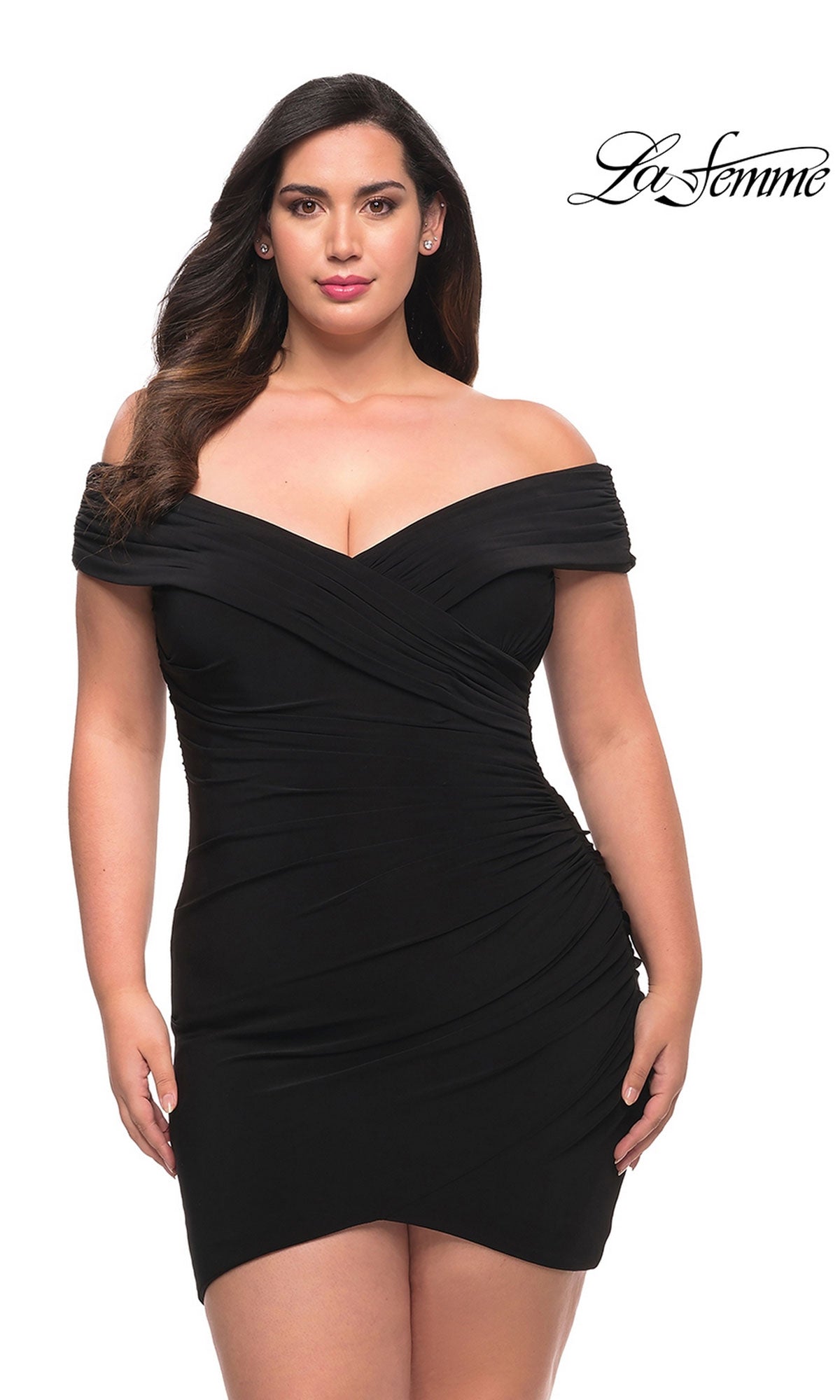
Before a single accessory is considered, the power of a sexy cocktail dress is born from its fit and silhouette. The concept of “dressing for your body type” is often oversimplified. A more scientific approach, akin to architectural principles, involves understanding lines, balance, and focal points. For instance, the iconic Little Black Dress, pioneered by Coco Chanel in the 1920s and later perfected by designers like Hubert de Givenchy for Audrey Hepburn, demonstrated that sexiness could be rooted in simplicity and impeccable line. A sheath dress creates a long, vertical line that elongates the frame, a principle supported by the Gestalt law of continuity in visual perception, where the eye follows the smoothest path. An A-line dress, with its fitted bodice and flared skirt, creates a balanced triangle, drawing the eye upward while providing movement. The mermaid or trumpet silhouette, which cinches at the knee before flaring out, emphasizes the natural curves of the hips and thighs, a shape historically associated with fertility and vitality in art history, from the Venus of Willendorf to the Golden Ratio. The key is to choose a silhouette that aligns with your natural lines or creates a desired optical illusion, ensuring the dress feels like a second skin rather than a costume.
Fabric as the Language of Sensation
Fabric is the unsung hero of glamour. It communicates through texture, drape, and light interaction before a word is spoken. Scientifically, fabrics with fluid drape like silk charmeuse, satin, or high-quality viscose conform to the body’s topography, creating a sensual, liquid effect that hints at form without explicit constriction. This aligns with the design philosophy of Madeleine Vionnet, the 1930s couturier renowned for her bias-cut gowns, which used the diagonal grain of fabric to cling and flow over the body simultaneously. Conversely, structured fabrics like duchesse satin, taffeta, or neoprene (a modern choice) create sculptural, architectural shapes that command presence through their form. The psychological impact is significant. A study published in the Journal of Consumer Psychology suggests that tactile experiences with clothing can directly affect our emotional state and perceived confidence. A luxuriously soft lining or a satisfyingly crisp skirt can elevate your demeanor. Furthermore, fabrics like lace operate on the principle of “peek-a-boo” skin disclosure, a concept explored by fashion historian Valerie Steele in The Corset: A Cultural History, where suggestion often holds more power than revelation. A lace overlay on a slip dress creates texture, visual interest, and a nuanced, sophisticated form of sex appeal.
The Alchemy of Details: Necklines, Backs, and Slits
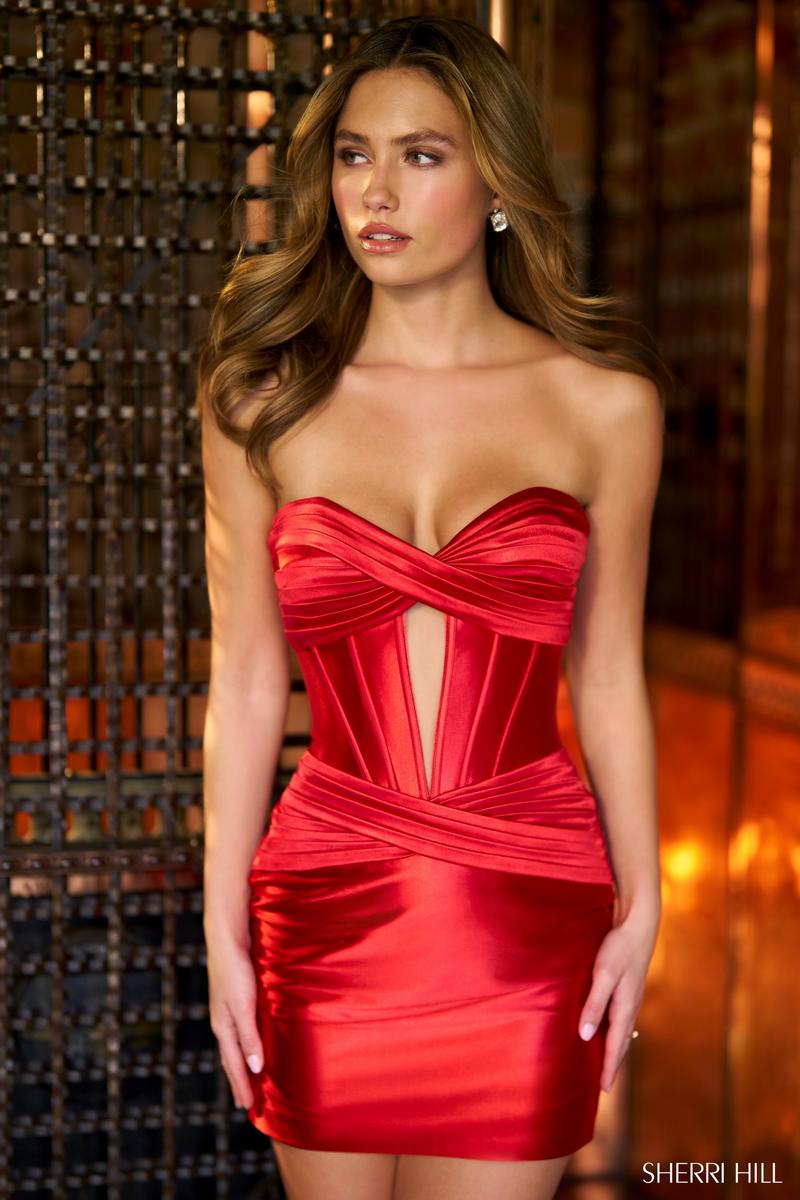
Strategic detailing is what transforms a simple dress into a focal point. These elements act as visual punctuation, guiding the observer’s gaze and creating narrative. The plunge neckline, for example, creates a strong vertical line that elongates the torso, a trick employed by costumers in classic Hollywood to create an aura of dramatic allure for stars like Jessica Rabbit. A high neckline paired with an open back, as seen in many designs by Elie Saab, shifts the focus to the shoulders and spine, areas often associated with grace and strength. The leg slit, a detail popularized in the West by stars like Angelina Jolie, is a masterclass in controlled revelation and dynamic movement. It breaks the line of the skirt, allowing for ease of motion and creating a flash of skin that appears and disappears with each step, which neuroscientists might link to mechanisms of sustained attention. Each detail should feel intentional and integrated. As the legendary fashion editor Diana Vreeland once quipped, “The eye has to travel.” Your choice of detail dictates its journey.
Accessorizing: The Final Layer of Narrative
Accessories are your personal editorial commentary on the dress. The goal is harmony, not competition. If your sexy cocktail dress is detailed with sequins, lace, or a bold print, the accessory mantra leans toward minimalism—a sleek clutch, simple metallic sandals, and understated jewelry. This follows the Pareto principle (the 80/20 rule) applied to style: let the dress be the 80%, and accessories the complementary 20%. For a minimalist dress, this is where you can inject personality. A statement necklace operates on principles of focal point in visual arts, drawing immediate attention to the face and décolletage. A metallic belt can redefine the waistline, citing the golden ratio for proportional perfection. Shoe choice alters posture and silhouette; a pointed-toe pump extends the leg line, while a strappy sandal adds delicate detail. Consider the psychological theory of “enclothed cognition”—the systematic influence that clothes have on the wearer’s psychological processes. The right accessories don’t just complete the look; they complete the mindset, making you feel polished, powerful, and authentically yourself.
Color Psychology and Contextual Intelligence
Color is a non-verbal communicator with deep psychological roots. Wearing a sexy cocktail dress in classic black speaks of timeless elegance and authority, a convention solidified by Chanel and endlessly referenced in film, from Breakfast at Tiffany’s to modern red carpets. Red, extensively studied by researchers like Andrew Elliot, is consistently linked to perceptions of attractiveness, confidence, and energy—a powerful choice for making an entrance. Emerald green or sapphire blue convey luxury and depth, often associated with royalty and gemstones. However, true glamour is contextually intelligent. The setting dictates the code. A garden party cocktail might call for floral prints or pastel hues in lighter fabrics, while a downtown gallery opening invites avant-garde cuts and monochromatic boldness. Understanding the event’s ambiance is as crucial as understanding your own measurements. It demonstrates social acuity, a component of charm often overlooked in style discussions.

From Theory to Wardrobe: Curating Your Arsenal
Building a collection of go-to sexy cocktail dresses is an investment in your social and professional persona. Seek out versatile silhouettes that can be accessorized differently for varied events. Look for quality construction—fully lined interiors, secure zippers, neat seams—as these ensure the dress hangs correctly and lasts for seasons. While high-end designer pieces offer unparalleled craftsmanship, the contemporary market is rich with brands that offer professional-grade design at accessible price points. Retailers like Nordstrom Rack, Revolve, and even curated selections on Amazon Fashion frequently offer discounts of 30-50% on contemporary designer labels. The key is to be a savvy shopper: know your measurements, read fabric content labels (aim for natural fibers or high-quality blends), and invest in alterations. A $150 dress tailored for $50 will look and feel infinitely more luxurious than a $500 dress that doesn’t fit perfectly. This approach brings professional knowledge of fit and quality directly to your closet at a discounted price, proving that effortless glamour is an intelligent craft, not a financial burden.
Ultimately, the most effortless glamour radiates from within, amplified by a dress that feels uniquely and confidently yours. It’s the knowledge that your silhouette is flattered, your details are deliberate, and your accessories are articulate. It’s understanding that a truly sexy cocktail dress is not about following a fleeting trend, but about harnessing design principles and psychological insights to project your most compelling self. When you step out, it’s not just a dress you’re wearing—it’s a composed, confident statement, ready for its close-up.