

Alabama Windbreaker Styling Guide for Effortless Cool Weather Chic
The arrival of crisp air doesn’t signal a retreat from style; it heralds an opportunity for layered sophistication. At the heart of this seasonal transition lies a garment that transcends its athletic origins to become a cornerstone of modern casual elegance: the Alabama windbreaker. More than just fan apparel, this piece embodies a specific aesthetic—a blend of collegiate pride, functional design, and versatile cool. This guide isn’t about blindly following trends; it’s about understanding the design language of the Alabama windbreaker and deploying it to craft looks that are intentionally relaxed yet undeniably polished. We’ll dissect its elements, explore its stylistic DNA, and provide a blueprint for integrating it into your wardrobe to achieve that coveted state of effortless, cool-weather chic.
The Architectural Foundation: Deconstructing the Windbreaker
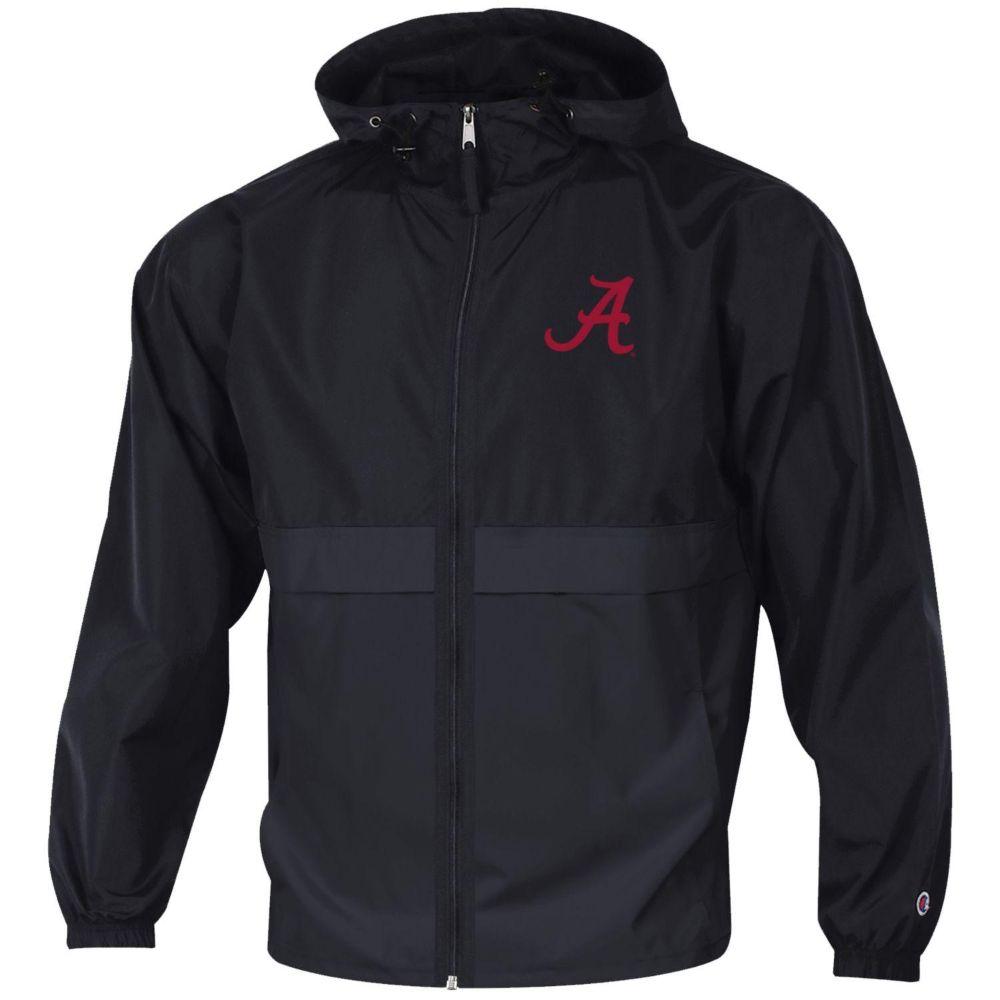
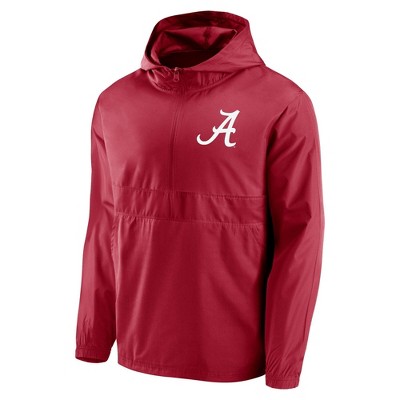
To master the styling of any garment, one must first appreciate its fundamental architecture. The windbreaker, as defined by sources like Wikipedia, originated as a lightweight jacket designed to protect against wind and light rain, typically constructed from nylon or polyester. Its hallmarks include a simple front zipper, elasticated cuffs and hem, and often a fold-away hood. The Alabama windbreaker inherits this functional blueprint but elevates it with specific insignia. The iconic script “A” or the full “Alabama” lettering, often in the university’s crimson and white palette, transforms the basic shell into a statement piece. This logo isn’t mere decoration; it’s a semantic layer. As argued by design theorists like Paul Rand, whose work for IBM and ABC exemplifies the power of corporate identity, a logo carries associative meaning. Here, it evokes tradition, team spirit, and a particular American casual ethos. The fabric itself is key—synthetic materials offer a sleek, often slightly glossy finish that catches the light differently than matte cotton or wool. This sheen, when balanced correctly, adds a contemporary edge. The cut is usually relaxed, allowing for layering beneath without bulk. Understanding these components—the functional silhouette, the symbolic logo, and the synthetic texture—is the first step in moving from simply wearing the jacket to styling with it.
Principle 1: Contrast is King – Balancing Sporty with Refined
The most common pitfall in sporting athleisure is ending up looking ready for the gym rather than a casual outing. The secret to elevating the Alabama windbreaker lies in deliberate contrast. This principle is rooted in classic fashion theory, often echoed by stylists on platforms like YouTube, who emphasize juxtaposing textures and formality levels. The inherent sportiness of the windbreaker needs a counterweight. Imagine pairing it with tailored trousers—think wool crepe or crisp chinos. The severity of the tailored line directly contrasts with the jacket’s relaxed drape, creating visual tension that reads as sophisticated. Similarly, beneath the jacket, opt for a simple, high-quality merino wool sweater or a fine-knit polo instead of a graphic tee. The fabric contrast between the inner layer’s softness and the windbreaker’s slick exterior is palpable and premium. Footwear follows the same rule. Swap sneakers for clean leather boots, loafers, or minimalist white trainers with a leather finish. This approach was famously demonstrated in films like The Talented Mr. Ripley, where casual pieces are integrated into a sharp, almost European sensibility. The goal is to let the windbreaker be the singular, deliberate “cool” element in an otherwise polished ensemble. It becomes the focal point, its collegiate flair celebrated rather than淹没 in a sea of sportswear.
Principle 2: Color Narrative – Beyond Crimson and White
While the classic Alabama colors are powerful, confining yourself to them limits the jacket’s versatility. The true styling prowess emerges when you use the jacket’s palette as a single note in a broader color symphony. Referencing color theory principles taught at institutions like the Fashion Institute of Technology, we know that complementary or analogous schemes create harmony. A crimson-accented Alabama windbreaker can be stunning when paired with neutral grounds like charcoal grey, olive green, navy, or beige. This allows the logo to pop without overwhelming. For a more fashion-forward approach, consider tonal dressing. A black version of the jacket, perhaps with white lettering, can be layered over shades of grey and black for a monolithic, sleek look where the logo provides just a hint of personal branding. Alternatively, use the white accents on a dark jacket to mirror other white elements in your outfit—a shirt collar, sock details, or shoe soles. This creates a cohesive thread. The key is intentionality. Don’t let the jacket’s colors dictate your entire outfit; instead, use them as a launchpad for a carefully considered color story that speaks of autumnal landscapes or urban neutrals.

The Layering Lexicon: From Lightweight Shell to Style Anchor
Layering is the syntax of cool-weather style, and the windbreaker is a versatile conjunction. Its lightweight nature makes it the perfect outer or middle layer. As an outer shell, it can be thrown over a hoodie for a classic, relaxed American look. But to elevate this, choose a hoodie in a complementary, muted color and ensure the fit is streamlined, not baggy. As a middle layer, the windbreaker truly shines. Worn under a structured overcoat or a durable waxed cotton jacket, it adds a flash of color and personality at the neckline and cuffs when the outer coat is open. This technique, often seen in the streets of fashion capitals like Tokyo and London, showcases a deep understanding of proportion and peek-a-boo detailing. The collar of the windbreaker framing the neck, the sleeve just visible beyond the coat’s cuff—these are calculated style details. For milder days, layer it over a long-sleeve henley or a rugby shirt. The goal is to create depth. Each layer should have a purpose and a distinct texture or color, with the windbreaker serving as the connective, often most vibrant, tissue.
Principle 3: Silhouette and Proportion – The Modern Fit
The oversized trend has its place, but for achieving “effortless chic,” precision in fit is non-negotiable. The ideal Alabama windbreaker should skim the body, not swallow it. The shoulders should sit neatly, and the length should hit around the hip bone. This creates a clean silhouette that serves as a canvas for other pieces. If your windbreaker is authentically vintage and therefore boxier, use it to your advantage by pairing it with slim-fit bottoms to create the coveted “carrot” silhouette—wide at the top, narrow at the bottom. This plays with proportion in a deliberate, modern way. Conversely, a fitted windbreaker can be paired with straight-leg or slightly wide-leg trousers, balancing the top’s neatness with a more relaxed lower half. This dialogue between top and bottom is crucial. As fashion authority Tim Gunn often emphasized, “Silhouette is the first thing you see.” Your choice in how the windbreaker relates to the rest of your outfit’s volume dictates whether the look is slouchy-chic or merely sloppy. The jacket should feel like a part of your body’s architecture, not a separate, billowing entity.
A Note on Authenticity and Context
Wearing a collegiate windbreaker carries a cultural subtext. It can signal alumni pride, regional affiliation, or simply an appreciation for the aesthetic. There’s an authenticity to embracing this. As author Malcolm Gladwell might explore in a discussion on semiotics, the item communicates non-verbally. Styling it well respects that communication. It’s not about irony, but about integration. Wearing it to a casual weekend brunch, a fall football watch party, or a relaxed Friday at the office (where appropriate) makes contextual sense. The styling elevates it for these scenarios. It signals that you understand both the garment’s heritage and its potential in a contemporary wardrobe. This authenticity is what separates a considered style choice from a costume.
Curating Your Cool-Weather Capsule
Let’s translate these principles into actionable combinations. First, the Urban Errand look: Pair a black Alabama windbreaker with dark, tailored jeans, a grey cashmere blend sweater, and black leather sneakers. The look is monochromatic and sharp, with the logo providing a personal touch. Second, the Weekend Explorer ensemble: Layer a crimson-accented windbreaker over an olive green chore jacket, a white tee, and durable khaki trousers. Finish with suede desert boots. This is layered, textured, and perfect for a crisp day outdoors. Third, the Smart-Casual Transition: Wear the windbreaker unzipped over a navy blazer, a light blue Oxford cloth button-down shirt, and charcoal trousers. The collision of the blazer’s formality and the windbreaker’s casual vibe is confident and modern. Each outfit follows the core principles: contrast, color narrative, and proportional harmony.

The journey to cool-weather chic isn’t about the loudest statement; it’s about the most coherent one. The Alabama windbreaker, with its specific design language and cultural resonance, offers a unique tool for this expression. By understanding its components and applying the principles of contrast, color, and proportion, you transform a piece of fan memorabilia into a keystone of your personal style. It becomes less about where you went to school and more about your understanding of modern dressing—a testament to the idea that true style is intelligent, intentional, and always effortlessly cool.