

Why a White Graduation Dress Is the Most Elegant Choice for Your Big Day
Graduation day is one of those rare milestones in life that demands an outfit worthy of the occasion. While many graduates gravitate toward traditional black or navy ensembles, an increasing number of young women are choosing a dress in white as their signature look. A white graduation dress carries an unmistakable sense of sophistication and purity that no other color can replicate. Whether you are walking across the stage to accept your diploma or celebrating with family afterward, the right white dress ensures you look unforgettable in every photograph. This guide explores everything you need to know about selecting, styling, and wearing a white graduation dress with confidence and grace.
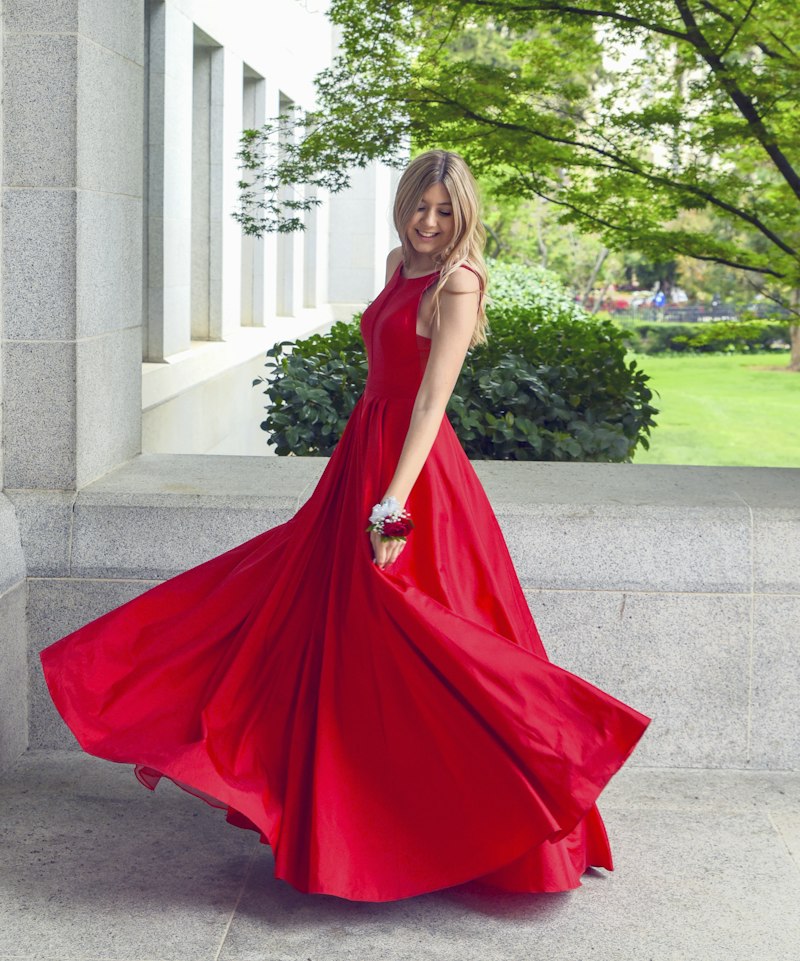
The Timeless Appeal of White for Formal Occasions
White has held a special place in the wardrobe of formal fashion for centuries. Historically, white garments were associated with celebration, renewal, and significant life transitions. According to Vogue’s comprehensive history of white fashion, the color white became synonymous with milestone events during the Victorian era, when women began wearing white gowns for debutante balls and other ceremonial occasions. This tradition carried forward into the twentieth century and remains deeply rooted in Western fashion culture today. When you choose a white graduation dress, you are participating in a fashion lineage that stretches back generations. The color photographs beautifully under natural light, which is especially important on a day when professional photographers and proud parents will be capturing every moment. Unlike darker colors that can appear harsh or severe in bright spring sunshine, white reflects light softly and creates a flattering glow around the wearer’s face. This is not merely a subjective opinion — color theory specialists consistently note that white tones enhance skin radiance and provide a clean canvas against which accessories and personal features stand out. Fashion historians at the Metropolitan Museum of Art’s Costume Institute have documented how white ceremonial dress evolved from an elite privilege to a widely accessible symbol of achievement and new beginnings. For modern graduates, this means your white graduation dress is not just a beautiful garment — it is a continuation of a cultural tradition that honors your accomplishments with visual elegance.
Choosing the Right Silhouette for Your Body Type
One of the most critical decisions when shopping for a white graduation dress is selecting a silhouette that flatters your natural shape. The fashion industry recognizes several primary body types, and understanding yours can dramatically narrow down your options. For graduates with an hourglass figure, a fitted A-line white graduation dress that cinches at the waist will accentuate your natural curves while maintaining an elegant, polished appearance. The A-line cut has been a staple of women’s fashion since Christian Dior popularized it in the 1950s, and it remains universally flattering because it creates balance between the upper and lower body. If you have a pear-shaped body, consider a white graduation dress with a detailed bodice — perhaps featuring lace appliqués, subtle beading, or an interesting neckline — that draws the eye upward. Empire waist designs are particularly effective for this body type because they gather fabric below the bust and allow it to flow freely over the hips and thighs. For athletic or rectangular body types, a white graduation dress with ruching, draping, or layered skirt details can create the illusion of curves where they are desired. The key is to add visual interest through texture and structure rather than relying solely on color or pattern. Petite graduates should be mindful of proportions — a white graduation dress that is too voluminous can overwhelm a smaller frame, so opt for clean lines and avoid excessive fabric. Conversely, taller graduates can carry off more dramatic silhouettes, including ball gown styles with full tulle skirts or maxi-length designs that sweep the floor. Remember that the graduation ceremony itself involves sitting, walking across a stage, and possibly wearing a graduation gown over your dress, so mobility and comfort should factor into your silhouette decision alongside aesthetics.

Fabric Selection: What Materials Work Best for a White Graduation Dress
The fabric you choose for your white graduation dress will significantly impact how the garment looks, feels, and photographs. Not all white fabrics are created equal, and the wrong material choice can result in a dress that appears cheap, sheer, or ill-fitting. Chiffon is an excellent option for a white graduation dress because it drapes beautifully and has a subtle translucency that adds depth to the white color without being revealing. This lightweight fabric is particularly well-suited for spring and early summer graduations when temperatures tend to rise throughout the day. Satin offers a more luxurious, structured alternative with a lustrous surface that catches light in photographs. A satin white graduation dress will photograph with a rich, almost luminous quality that makes you stand out in group shots and close-up portraits. However, satin can be unforgiving if the fit is not precise, so professional alterations are essential with this fabric. Lace adds a romantic, feminine dimension to any white graduation dress. Whether used as an overlay on a solid underlayer or as delicate detailing along the neckline and sleeves, lace introduces texture that prevents the all-white look from appearing flat or one-dimensional. For graduates who want maximum comfort during a long ceremony day, jersey knit fabrics offer stretch and breathability while still maintaining a polished appearance. Cotton blends work well for more casual graduation celebrations and outdoor ceremonies. One practical consideration that many graduates overlook is opacity — white fabrics vary considerably in how much they reveal, and it is essential to test your white graduation dress under the lighting conditions you will experience on graduation day. What appears perfectly opaque in a dim fitting room might become disappointingly sheer under bright stage lights or midday sun. Always do a lighting test before finalizing your purchase.
Styling Your White Graduation Dress with Accessories
Accessories can elevate a white graduation dress from simple to spectacular, but the key is restraint. Because white is already a bold, statement-making color, your accessories should complement rather than compete with the dress. Metallic jewelry in gold or silver tones pairs beautifully with white and adds a touch of sophistication without overwhelming the overall look. Consider a delicate pendant necklace or a pair of stud earrings if your dress features an ornate neckline, or opt for a more substantial statement necklace if the dress has a simple, clean neckline. Shoes deserve careful consideration — nude or metallic heels elongate the leg and keep the focus on your white graduation dress, while colored shoes can introduce an unexpected pop of personality. Many graduates choose to wear their school colors in their shoe choice as a subtle nod to their alma mater. A clutch or small handbag in a complementary color provides a practical place for your phone, lip balm, and touch-up makeup throughout the day. If your graduation ceremony takes place outdoors, a wide-brimmed hat in a neutral tone can provide sun protection while adding a chic, editorial element to your ensemble. Hair accessories are another opportunity to personalize your look — a simple floral crown, pearl-encrusted hairpin, or silk ribbon can transform your hairstyle into a cohesive part of your outfit. When selecting makeup, consider that a white graduation dress creates a bright backdrop that can wash out pale complexions. A warm blush and a defined lip color help maintain visual balance, while shimmery highlighter on the cheekbones catches the light beautifully in photographs. The overall goal is to look polished and put-together without appearing as though you tried too hard — effortless elegance is the hallmark of great graduation style.

Where to Shop for the Perfect White Graduation Dress
Finding the ideal white graduation dress requires knowing where to look and what to expect at different price points. Department stores offer a wide selection of white graduation dresses across multiple brands and styles, making them an excellent starting point for graduates who want to compare options side by side. Retailers like Nordstrom, Macy’s, and Bloomingdale’s carry dresses ranging from affordable options under $100 to designer pieces that cost several hundred dollars. Online retailers provide even broader selection and the convenience of home try-on programs. Sites like ASOS, Revolve, and Lulus specialize in occasion wear and typically have dedicated graduation dress collections each spring. For graduates seeking something truly unique, boutique stores and independent designers offer custom or limited-edition white graduation dresses that you will not find anywhere else. These pieces often feature handcrafted details, premium fabrics, and personalized fitting services that mass-market retailers cannot match. Thrift and vintage stores are an increasingly popular option for environmentally conscious graduates who want a one-of-a-kind white graduation dress at a fraction of the retail price. Vintage white dresses from the 1960s through 1990s often feature construction quality and design details that surpass many contemporary fast-fashion alternatives. When shopping online, pay close attention to size charts, return policies, and customer reviews that specifically mention fit and fabric quality. Ordering your white graduation dress at least four to six weeks before the ceremony allows time for any necessary alterations, which are almost always required for a truly perfect fit. The most common adjustments include hemming, taking in the waist, and adjusting strap length — all of which are relatively quick and affordable when performed by a skilled seamstress.
Caring for Your White Graduation Dress Before and After the Ceremony
White garments demand a higher level of care than their darker counterparts, and your white graduation dress is no exception. In the weeks leading up to your ceremony, store the dress on a padded hanger in a breathable garment bag to protect it from dust, moisture, and accidental snags. Avoid hanging it near windows where direct sunlight could cause subtle yellowing over time. If your white graduation dress arrives wrinkled, use a garment steamer rather than an iron — steam gently relaxes fabric fibers without the risk of scorching or leaving shiny marks that an iron might produce on delicate materials. For dresses with lace or beaded embellishments, turn the garment inside out before steaming to protect the decorative elements from direct heat. On the morning of your graduation, apply makeup, sunscreen, and hair products before putting on your white graduation dress to minimize the risk of stains. Keep a small emergency kit nearby that includes a white cloth, stain removal wipes suitable for delicate fabrics, and a small sewing kit for any last-minute adjustments. After the ceremony, have your white graduation dress professionally cleaned as soon as possible — even invisible stains from perspiration or the environment can set and yellow over time if left untreated. Professional dry cleaners who specialize in white garments understand the specific chemicals and techniques needed to maintain brightness without damaging fabric fibers. For graduates who wish to preserve their white graduation dress as a keepsake, acid-free tissue paper and a archival-quality storage box will protect the garment for decades. Some graduates choose to repurpose elements of their dress — the lace from a bodice, for example, or a decorative button — into a memory book or shadow box that commemorates their academic achievement.
White Graduation Dress Trends for 2026 and Beyond
The world of graduation fashion continues to evolve, and 2026 brings several exciting trends that make a white graduation dress an especially timely choice. Minimalist design has gained considerable momentum over the past few years, with clean lines and architectural shapes replacing the heavily embellished gowns of previous eras. A minimalist white graduation dress embodies this aesthetic while maintaining the ceremonial gravitas appropriate for the occasion. Sustainable fashion has also influenced graduation dress choices, with many graduates seeking out eco-friendly options made from organic cotton, recycled polyester, or ethically sourced silk. Brands that prioritize transparent supply chains and environmentally responsible manufacturing processes are seeing increased demand from the graduating class of 2026, who are among the most sustainability-conscious generations in history. Another notable trend is the rise of convertible white graduation dresses — designs that can be styled in multiple ways, allowing graduates to transition seamlessly from the ceremony to an after-party without a complete outfit change. Detachable sleeves, reversible bodices, and adjustable skirt lengths give graduates the flexibility to create two distinct looks from a single garment, which appeals to both budget-conscious students and those who value versatility. The influence of social media on graduation fashion cannot be overstated. Platforms like Instagram and TikTok have created a visual culture where graduates want outfits that photograph beautifully from every angle and look equally stunning in motion as in still images. Designers have responded by creating white graduation dresses with movement-friendly fabrics and three-dimensional details that come alive on camera. According to Harper’s Bazaar’s 2026 graduation fashion report, white remains the top choice color for formal graduation attire, with search interest growing by over thirty percent compared to the previous year. This enduring popularity suggests that a white graduation dress is not merely a passing trend but a timeless choice that will look elegant in photographs for years to come.
Choosing a white graduation dress is about more than selecting a garment — it is about honoring one of life’s most significant achievements with an outfit that reflects your individuality, taste, and the gravity of the moment. From understanding which silhouettes flatter your body type to selecting fabrics that photograph beautifully and caring for your dress long after the ceremony ends, every decision contributes to creating a graduation day experience you will treasure forever. The white graduation dress you choose today will appear in photographs that your family displays for generations, making it an investment in both your present celebration and your future memories.