

The Rise of the Midi Dress
When it comes to finding that perfect balance between elegance and comfort, few silhouettes can rival the dress that falls somewhere between the knee and the ankle — the midi dress. It is a garment that has managed to stay relevant through decades of shifting fashion tides, adapting to every era without ever losing its fundamental charm. Fashion editors and stylists consistently point to the midi dress as the single most versatile piece a woman can own, and the reasons are not difficult to understand once you start examining what makes this length so universally flattering.
The midi dress occupies a unique position in the fashion landscape. It is not as revealing as a mini, nor as formal as a full-length gown. Instead, it sits comfortably in the middle ground, offering coverage without sacrificing femininity. This quality alone has made it a staple on runways, in street style photography, and inside the closets of women who understand that true style is about feeling confident in whatever you wear.
The History Behind the Midi Dress Phenomenon
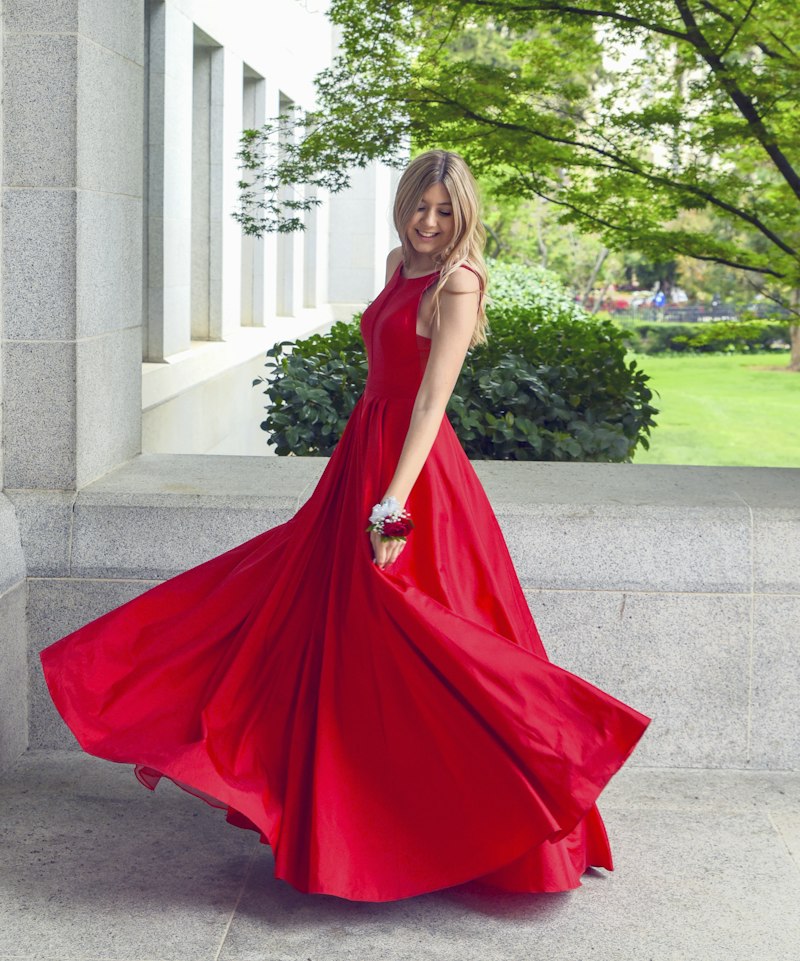
Understanding where the midi dress comes from helps explain why it has remained such an enduring presence in women’s fashion. The midi length first gained widespread attention during the 1940s, when fabric rationing during World War II influenced hemline lengths across the globe. However, it was not until the late 1940s and early 1950s that the midi truly came into its own as a defined silhouette. Christian Dior’s “New Look” collection of 1947 featured full-skirted, mid-calf-length designs that redefined post-war femininity, setting a template that designers would return to again and again in subsequent decades.
The 1970s brought another wave of midi dress popularity, this time driven by the bohemian movement and the growing desire for women’s fashion that reflected freedom and individuality. Magazines like Vogue documented the shift from minis to midis throughout the early 1970s, noting how women embraced the longer hemline as both a practical and aesthetic choice. What is fascinating about this history is that every time the midi dress has fallen out of favor, it has inevitably made a comeback — stronger, more refined, and more relevant than before.
Today’s midi dress landscape is incredibly diverse. You can find them in virtually every fabric, pattern, and style imaginable. From sleek jersey wraps that hug the body to voluminous tulle creations that feel like something out of a fairy tale, the midi dress is a canvas that reflects the wearer’s personality. This adaptability is precisely what keeps it at the center of fashion conversations year after year.
Why the Midi Dress Flatters Every Body Type
One of the most compelling arguments for adding a midi dress to your wardrobe is its universal flattery. Unlike hemlines that can be unforgiving on certain body types, the midi length has an almost magical ability to complement virtually every figure. The key lies in understanding how the mid-calf to lower-calf length interacts with the proportions of the human body.
For petite women, a midi dress that hits just below the calf creates a lengthening effect, especially when paired with nude or matching-tone heels. The continuous line from shoulder to hem draws the eye downward, creating the illusion of height. For taller women, the midi dress provides a welcome alternative to mini and maxi lengths, offering a proportion that feels balanced and intentional. Women with curvier figures often find that the midi dress strikes the perfect balance between showing and concealing — it reveals enough skin at the ankle and collarbone to feel feminine while providing coverage at the mid-thigh area where many women prefer more modesty.
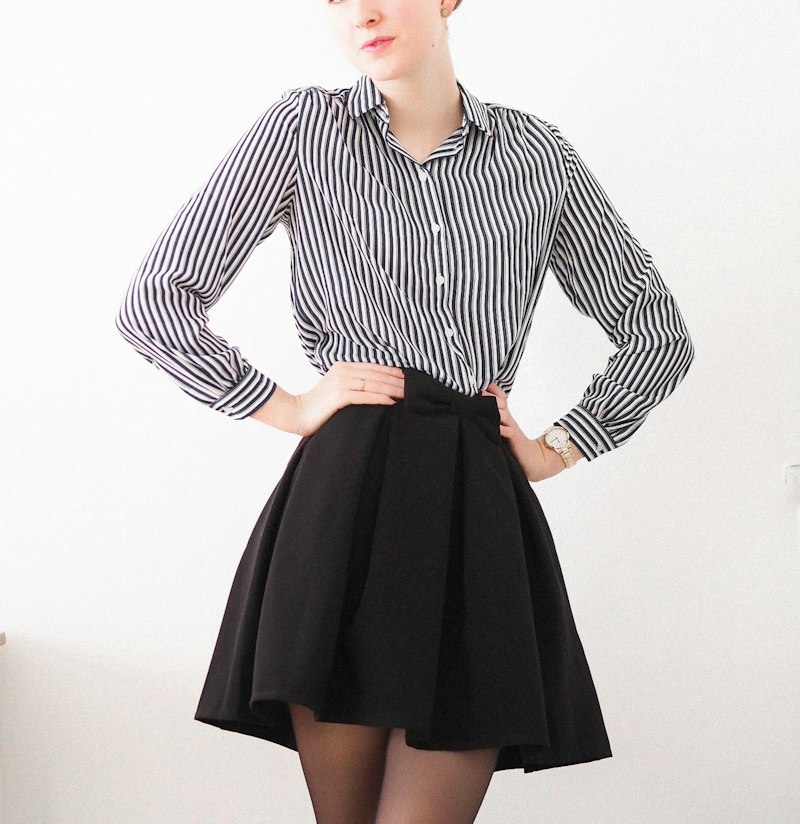
The secret to finding a midi dress that flatters your specific body type lies in paying attention to the waistline placement, the fabric weight, and the overall silhouette. A-line midi dresses with defined waists work beautifully for hourglass figures, while straight-cut midi dresses in flowing fabrics create elegant lines for rectangular body types. Empire waist midi dresses are particularly flattering for women carrying weight in their midsection, as they draw attention upward to the narrowest part of the torso.
Styling the Midi Dress for Every Occasion
Perhaps the greatest advantage of owning a midi dress is its extraordinary versatility. The same dress can be styled for the office, a weekend brunch, a gallery opening, or a romantic dinner — all with minor adjustments to your accessories and footwear. This chameleon-like quality is what fashion stylists refer to as “investment dressing,” and the midi dress is arguably the best investment piece you can make.
For the workplace, a structured midi dress in a solid color or subtle pattern paired with pointed-toe flats or low heels projects professionalism without sacrificing style. Add a tailored blazer, a structured handbag, and minimal jewelry, and you have an outfit that commands respect in any meeting room. According to fashion historians who have studied workplace dress codes over the decades, the midi dress has consistently ranked as one of the most appropriate and stylish options for professional environments, bridging the gap between conservative and fashionable.
For casual weekends, the midi dress takes on an entirely different character. Pair a cotton or jersey midi dress with white sneakers, a denim jacket, and a crossbody bag, and you have an outfit that feels effortless and cool. This casual styling approach has been championed by style influencers and street photographers alike, who recognize that the midi dress is not just a formal garment — it is a lifestyle piece that adapts to the rhythm of everyday life.
Evening occasions call for a more elevated approach. A silk or satin midi dress with a dramatic neckline, paired with strappy heels and statement earrings, creates a look that is just as impactful as a full-length gown but often more comfortable to wear. The midi length allows you to showcase beautiful shoes, adding another dimension to your outfit that a maxi dress would conceal.

Choosing the Right Fabric for Your Midi Dress
Fabric selection is perhaps the most overlooked aspect of midi dress shopping, yet it is arguably the most important decision you will make. The fabric determines how the dress drapes, how it feels against your skin, how it photographs, and ultimately how often you will reach for it. A midi dress in the wrong fabric can feel heavy and unflattering, while the same silhouette in the right fabric can feel like it was custom-made for your body.
Cotton and cotton-blend midi dresses are ideal for warm weather and casual settings. They are breathable, easy to care for, and have a relaxed quality that makes them perfect for daytime wear. Linen midi dresses offer a similar casual elegance with the added benefit of natural temperature regulation — though be prepared for the characteristic wrinkles that come with linen, which many consider part of its charm. Silk and satin midi dresses elevate any occasion with their luxurious drape and subtle sheen, making them the go-to choice for evening events and special celebrations.
For transitional seasons, knit midi dresses offer a perfect combination of comfort and structure. The stretch inherent in knit fabrics means they move with your body rather than against it, creating a silhouette that is both flattering and forgiving. Jersey midi dresses, in particular, have become favorites among women who travel frequently, as they resist wrinkling and can be dressed up or down with minimal effort. Understanding the relationship between fabric and occasion is the key to building a midi dress collection that serves every need in your life.
The Midi Dress Across Seasons
A common misconception about the midi dress is that it is primarily a warm-weather garment. While it is true that lightweight midi dresses are perfect for spring and summer, the midi silhouette transitions beautifully into fall and winter with the right styling choices. In fact, many fashion editors argue that the midi dress is at its most interesting during colder months, when layering opportunities multiply.
During autumn, a midi dress layered with a turtleneck underneath and ankle boots creates a look that is both cozy and polished. Add tights in a complementary color, a wool coat, and a wide-brim hat, and the midi dress becomes the foundation of a complete cold-weather ensemble. Winter styling opens up even more possibilities — a thick-knit midi dress paired with over-the-knee boots and a leather jacket creates an outfit that is warm, stylish, and undeniably modern.
The key to seasonal midi dressing is understanding how to layer without adding bulk. Thin base layers, fitted cardigans, and streamlined outerwear all work to maintain the clean lines that make the midi dress so flattering. When done correctly, seasonal midi dressing is not about sacrificing the silhouette — it is about enhancing it with thoughtful additions that respond to the weather without overwhelming the garment’s inherent beauty.
What to Look for When Shopping for a Midi Dress
With so many options available, shopping for a midi dress can feel overwhelming. However, keeping a few key principles in mind will help you find pieces that you will actually wear, rather than garments that hang unworn in your closet. First, always consider the length in relation to your height. The ideal midi dress should hit at the slimmest part of your lower leg — for most women, this is somewhere between mid-calf and just above the ankle. If the dress hits at the widest part of your calf, it can make your legs appear shorter and thicker.
Second, pay attention to the waistline. Whether it is a natural waist, an empire waist, or a dropped waist, the placement of the waistline will determine how the dress interacts with your body’s proportions. A well-placed waistline can create the illusion of an hourglass figure even on body types that are not naturally hourglass-shaped. Third, consider the neckline — it should complement your face shape and draw attention to your best features. A V-neck elongates the neck and flatters rounder faces, while a boat neck broadens narrow shoulders and balances longer faces.
Finally, invest in quality. A well-made midi dress in a timeless style will serve you for years, while a trendy, poorly constructed piece may only last a season or two. Look for dresses with clean seams, quality fabrics, and thoughtful details like proper lining and well-finished hems. The extra cost upfront is almost always justified by the number of wears you will get from a quality piece.
Building Your Midi Dress Collection
The ideal midi dress collection is not about owning dozens of pieces — it is about owning the right pieces. Start with a neutral foundation: a black midi dress, a navy midi dress, and a white or cream midi dress. These three colors will serve as the backbone of your wardrobe, offering endless styling possibilities. Once you have your neutrals in place, begin adding color and pattern based on your personal preferences and lifestyle needs.
A floral midi dress is a wonderful addition for spring and summer, bringing life and personality to your wardrobe. A wrap-style midi dress in a jewel tone like emerald or burgundy works beautifully for fall occasions. A striped or geometric-print midi dress adds visual interest to your casual rotation. The goal is not to collect as many midi dresses as possible, but to curate a selection that covers every occasion in your life while reflecting your individual taste.
Remember that accessories are what truly bring a midi dress to life. A silk scarf tied at the neck, a statement belt cinching the waist, a pair of distinctive earrings — these small additions transform a simple midi dress into a complete, intentional look. The midi dress is a canvas, and you are the artist. The more thoughtfully you approach styling, the more rewarding your midi dress collection will become.