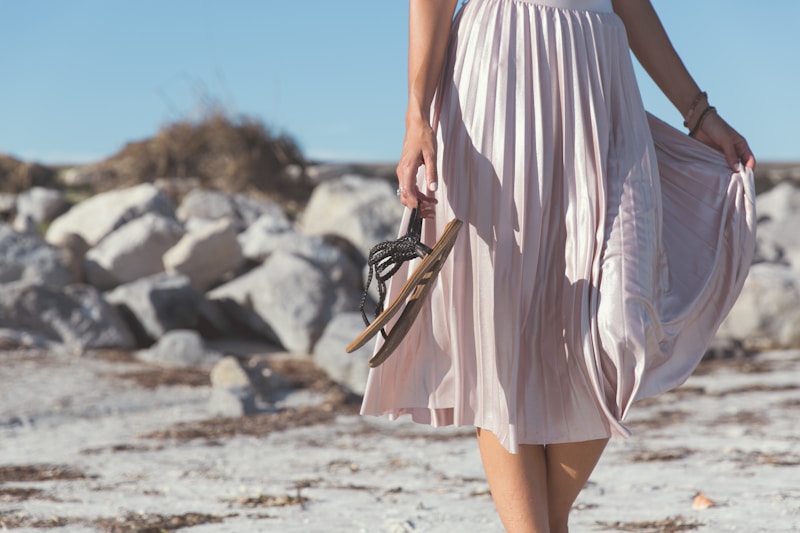
The Story Behind Patchwork Skirts: From Craft Tables to Catwalks
Fashion has always been at its most compelling when it tells a story, and few garments weave a narrative quite as vividly as the patchwork skirt. Born from the necessity of using every last scrap of fabric, the patchwork skirt has traveled a remarkable journey from humble craft circles and quilting bees to the front rows of Paris and Milan fashion weeks. What was once a symbol of resourcefulness — grandmothers piecing together worn denim, calico, and silk remnants into something entirely new — has become one of the most sought-after silhouettes of the season. The patchwork skirt embodies a paradox that modern consumers find irresistible: it is simultaneously artisanal and high fashion, nostalgic and thoroughly contemporary, handmade in spirit yet produced at every price point imaginable.
The history of patchwork itself stretches back centuries, across nearly every culture on earth. In Japan, the technique known as boro (ぼろ), meaning “tattered” or “ragged,” saw rural families stitching together indigo-dyed cotton scraps to create warm, durable garments that outlasted their original purpose by generations. According to research documented by the Amuse Museum in Tokyo, these boro textiles have become some of the most coveted pieces in contemporary fashion, influencing designers from Visvim to Ralph Lauren. Similarly, in the American South, the tradition of quilting as a communal art form — particularly among African American women in Gee’s Bend, Alabama — produced geometric patchwork patterns that the Metropolitan Museum of Art has described as some of the most radical abstract art of the twentieth century. When these traditions migrated into skirt design, the result was a garment that carried centuries of cultural memory in its seams.
By the 1960s and 1970s, the patchwork skirt had become a symbol of the counterculture movement. Young women, rejecting the polished uniformity of 1950s fashion, began sewing their own patchwork pieces from thrifted fabrics, creating skirts that were deeply personal statements of individuality. Fashion historian Caroline Cox noted in her book “Vintage Fashion Complete” that the era’s patchwork aesthetic was “a visual manifesto — each scrap of fabric a rejection of mass production, each irregular seam a celebration of the handmade.” This rebellious energy has never fully left the patchwork skirt, and it continues to resonate with consumers who want their clothing to mean something beyond mere trend.
Understanding What Makes a Patchwork Skirt Different from Every Other Skirt in Your Closet
The defining characteristic of any patchwork skirt is, of course, the patchwork itself — but this simple description barely scratches the surface of what makes the garment so structurally and visually distinctive. A patchwork skirt is constructed from multiple pieces of fabric, each cut into specific shapes and sewn together to create a cohesive whole. The artistry lies not in hiding the seams but in making them a feature of the design. Where most skirts present a continuous, unbroken surface of color or pattern, the patchwork skirt is deliberately fragmented, each fabric piece contributing its own texture, weight, and personality to the finished garment.
The construction process itself separates the patchwork skirt into a category all its own. Traditional patchwork techniques include English paper piecing, where fabric is wrapped around paper templates and hand-stitched for precise geometric patterns; crazy quilting, which embraces irregular, asymmetrical shapes and often incorporates embroidery between the seams; and foundation piecing, where fabric pieces are stitched onto a base material in a predetermined sequence. Each technique produces a different visual effect, and the choice of method determines not only how the skirt looks but how it drapes, moves, and wears over time. A denim patchwork skirt constructed with heavy-gauge thread will have an entirely different feel than a silk patchwork version assembled with nearly invisible seams.
What makes the patchwork skirt particularly interesting from a design perspective is the way it plays with visual weight and proportion. A well-designed patchwork skirt can create optical illusions — horizontal strips of contrasting fabric can make the waist appear narrower, while diagonal patchwork patterns can create a lengthening effect. Designers like Dries Van Noten have been particularly masterful at using patchwork construction to manipulate how the body is perceived, placing darker or heavier-textured fabrics at specific points to create a flattering silhouette without any of the artificial shaping that shapewear or structural undergarments require. For anyone shopping for a patchwork skirt, understanding this principle can help you choose pieces that work with your body rather than against it.
The versatility of the patchwork skirt also stems from its inherent eclecticism. Because it is made from multiple fabrics, a single patchwork skirt can contain elements that coordinate with an enormous range of tops, shoes, and accessories. A skirt that combines navy denim, cream linen, and rust-colored cotton can be paired with a plain white tee for a casual weekend look, a silk blouse for the office, or a fitted turtleneck for an evening out. This is a garment that refuses to be pigeonholed into a single style category, and that refusal is precisely what makes it so useful.

The Materials That Define Great Patchwork Skirts — And What to Look For
Not all patchwork skirts are created equal, and the difference between a mediocre one and an exceptional one almost always comes down to material selection and construction quality. Understanding what to look for will save you from disappointing purchases and help you find pieces that genuinely elevate your wardrobe. The fabrics used in a patchwork skirt determine everything: how it hangs on your body, how comfortable it feels throughout the day, how it ages over months and years of wear, and whether it can be styled across multiple seasons.
Denim patchwork skirts remain the most popular variety, and for good reason. Denim is durable, ages beautifully, and develops a unique patina that becomes more attractive with each wear. When evaluating a denim patchwork skirt, pay attention to the weight of each individual piece. Some cheaper versions use denim of wildly varying thicknesses — a heavy 14-ounce selvedge piece sewn next to a lightweight 6-ounce stretch denim — which creates uncomfortable bulges and causes the skirt to twist as you walk. The best denim patchwork skirts use fabrics within a similar weight range, typically 10 to 12 ounces, ensuring a smooth, even drape. Look for brands that specify their denim weights; if they don’t, that information is often available from customer reviews or by feeling the garment in person.
Cotton and linen patchwork skirts offer a lighter, more breathable alternative that works beautifully in warm weather. These fabrics tend to appear in bohemian and resort-wear collections, often featuring floral prints, ikat patterns, or hand-blocked designs from Indian and Southeast Asian textile traditions. A high-quality cotton patchwork skirt will use pre-washed fabric to minimize shrinkage, and the seams will be finished — either serged or flat-felled — so they don’t fray after repeated washing. Linen patchwork skirts, while more prone to wrinkling, offer a textural richness that is hard to replicate with other materials. The irregular surface of linen catches light differently across each patch, creating a subtle visual depth that photographs beautifully and looks even better in person.
Silk and velvet patchwork skirts occupy the luxury end of the spectrum and require a different set of evaluation criteria. With silk, the concern is how the patches are aligned — silk has a direction to its weave, and poorly constructed patchwork silk skirts will have patches that face different directions, causing them to catch light inconsistently. With velvet, the nap direction matters even more. A well-made velvet patchwork skirt will have all patches oriented in the same direction, ensuring a consistent sheen across the entire garment. The construction should also use a lightweight lining to prevent the patches from shifting, as velvet’s natural slipperiness can cause seams to strain if unsupported. LovingClothing offers a curated selection of patchwork skirts that demonstrate these principles of quality construction.
How to Style a Patchwork Skirt for Every Occasion in Your Calendar
One of the patchwork skirt’s greatest strengths is its ability to shift from casual to formal depending entirely on what you pair it with. This adaptability makes it one of the most cost-per-wear-effective garments you can own, because a single well-chosen patchwork skirt can cover ground that would normally require three or four separate pieces. The key is understanding the visual language of your specific skirt — is it predominantly denim, making it inherently casual? Does it feature silk or sequined patches, suggesting evening wear? Or is it a balanced mix that truly can go anywhere?
For casual daytime wear, a denim patchwork skirt pairs almost effortlessly with a white or cream cotton t-shirt. The contrast between the busy, multi-fabric skirt and the simplicity of a plain tee creates visual balance that looks intentional without appearing overthought. Complete the look with white canvas sneakers or flat leather sandals, and add a woven crossbody bag for texture continuity. If the weather turns cool, throw on an oversized cardigan in a neutral color — oatmeal, camel, or soft grey — and let the skirt remain the focal point. This combination works for farmers’ market runs, coffee dates, and casual office environments alike.
When you need to dress the patchwork skirt up for evening or special occasions, the approach changes but the principles remain the same: let the skirt be the star, and keep everything else understated. A fitted black turtleneck or a simple silk camisole in a solid color that appears somewhere within the patchwork creates a pulled-together look that reads as sophisticated rather than costumey. Heeled ankle boots or pointed-toe flats elevate the silhouette, and minimal jewelry — perhaps a single statement earring or a thin chain necklace — keeps the outfit from competing with itself. For particularly bold patchwork skirts with bright colors or sequined elements, this restraint becomes even more important. The goal is to look like someone who understands fashion, not someone who is trying too hard.
Seasonal transitions offer another opportunity to maximize your patchwork skirt’s utility. In autumn, layer a fitted long-sleeve top underneath the skirt with opaque tights and knee-high boots. The patchwork pattern provides visual interest that carries the outfit through the darker months when most people default to solid, muted colors. In spring, swap the tights for bare legs and pair with a light blouse and espadrille wedges. The patchwork skirt is one of the few garments that genuinely works year-round, and treating it as such — rather than filing it under “summer piece” or “fall piece” — will significantly increase the value it brings to your wardrobe.
The Environmental Case for Patchwork: Why This Style Is More Relevant Than Ever
Fashion’s environmental footprint has become one of the defining conversations of our time, and the patchwork skirt sits at an interesting intersection within that debate. On one hand, patchwork design has always been rooted in sustainability — the original purpose of patchwork was to extend the life of fabric that would otherwise be discarded. Every patchwork garment, from its earliest historical examples to the latest runway collections, carries within it a philosophy of resourcefulness that the modern sustainable fashion movement is only now rediscovering as revolutionary.
The Ellen MacArthur Foundation has estimated that the equivalent of one garbage truck of textiles is landfilled or burned every second globally. Against this staggering figure, patchwork design offers a model for a different relationship with materials. When a brand creates a patchwork skirt from deadstock fabrics — surplus materials that would otherwise go to waste — it is actively preventing textile waste. Similarly, when consumers choose patchwork garments made from recycled materials or upcycled vintage textiles, they are participating in a circular fashion economy that stands in direct opposition to the take-make-dispose model of fast fashion.
But the environmental case for patchwork extends beyond waste reduction. There is also the question of consumption patterns and emotional attachment to clothing. Research published in the journal “Sustainability” (MDPI, 2021) has shown that garments with visible artisanal qualities — hand-stitched details, irregular patterns, unique fabric combinations — create stronger emotional bonds between wearer and clothing. People keep these garments longer, repair them rather than replace them, and derive more satisfaction from wearing them. A patchwork skirt, precisely because each one is unique, triggers this emotional attachment more reliably than a mass-produced garment. From an environmental standpoint, the most sustainable garment is the one you keep and wear for years, and patchwork design actively encourages that behavior.
For consumers who want to make more responsible fashion choices without sacrificing style, the patchwork skirt represents a practical entry point. It embodies the principle that sustainability does not require aesthetic compromise — in fact, the most environmentally responsible option can also be the most visually striking. When you choose a patchwork skirt made from responsibly sourced or upcycled materials, you are not just buying a garment. You are participating in a tradition that spans continents and centuries, one that has always understood what the fashion industry is only now relearning: that beauty and resourcefulness are not opposing values but natural allies.
Finding the Perfect Patchwork Skirt for Your Body Type and Personal Style
Shopping for a patchwork skirt requires a slightly different approach than shopping for a solid-color garment, because the visual complexity of the design interacts with your body shape in specific ways. The good news is that there is a patchwork skirt for virtually every body type and style preference — the trick is knowing what to look for and how the pattern placement will affect your overall silhouette. Understanding a few basic principles will help you navigate the options with confidence.
For hourglass figures, the ideal patchwork skirt emphasizes the waist while allowing the natural curve of the hips to show through. An A-line patchwork skirt that starts at the natural waist and flares gently outward will flatter this shape beautifully. Look for patchwork patterns that feature vertical or diagonal elements, as these create a lengthening effect that complements the hourglass proportion. Avoid patchwork skirts with horizontal strips directly across the widest part of the hips, as these can create a widening effect that doesn’t serve the natural balance of your shape. A midi-length patchwork skirt — hitting just below the knee or mid-calf — offers the most universally flattering length for hourglass figures.
Petite frames benefit from patchwork skirts that maintain visual continuity. Smaller patchwork pieces create less visual interruption and allow the eye to travel smoothly from waist to hem, creating the illusion of height. Large, oversized patches can overwhelm a petite frame, breaking the body into visual segments that shorten the overall silhouette. High-waisted patchwork skirts are particularly effective for petite wearers, as they raise the perceived waistline and extend the leg line. Pair with nude or tonal footwear to further elongate the appearance of the legs.
For taller figures, the patchwork skirt offers an opportunity to play with bold, oversized patterns that might overwhelm smaller frames. Large-scale patchwork with substantial fabric pieces creates visual drama that matches a longer silhouette. Maxi-length patchwork skirts in particular can look stunning on taller frames, where the full length of the garment is displayed without overwhelming the wearer. Taller individuals can also experiment with mixed-media patchwork — combining fabrics with dramatically different textures, such as leather patches alongside silk — because their longer proportions can absorb the visual complexity without the outfit becoming chaotic.
If you are looking for a patchwork denim skirt that balances quality construction with versatile styling options, browse the patchwork denim skirt collection to find pieces that match your personal aesthetic. The key is finding a skirt where the patchwork feels intentional — where each fabric choice contributes to a cohesive whole rather than appearing random or haphazard. Take your time, try on different styles, and trust your instinct about what feels right for your wardrobe and your body.