

Why a White Sweater Is the Most Underrated Wardpiece Every Woman Should Own in 2026
If you asked any fashion editor to name the single most versatile piece in a woman’s closet, a women’s clothes collection would be incomplete without at least one white sweater. It sounds almost too simple. Yet this understated garment has quietly earned its place on runways, in street-style photographs, and across everyday wardrobes worldwide. The white sweater is not just a seasonal basic — it is a foundational piece that bridges casual weekends, office meetings, and evening dinners with effortless grace.
The reason behind its enduring appeal goes deeper than aesthetics. According to a 2024 market analysis published by Statista, the global knitwear market reached $35 billion, with white and neutral-toned sweaters accounting for nearly 28 percent of all sweater sales. That is not a coincidence. It is a reflection of what consumers intuitively understand: a white sweater works with everything you already own.
The History and Cultural Significance of White Knitwear
The story of the white sweater stretches back to the early twentieth century, when knitwear transitioned from purely utilitarian sportswear to mainstream fashion. In the 1920s, Coco Chanel popularized jersey knits — including light-toned cardigans and pullovers — as part of her revolutionary approach to women’s fashion. She believed that comfort and elegance were not mutually exclusive, and the white sweater embodied that philosophy perfectly.
By the 1950s, the white sweater had become a symbol of postwar optimism. As noted by the Victoria and Albert Museum in their textile fashion archive, white knits were favored by Hollywood stars like Grace Kelly and Audrey Hepburn precisely because they projected an image of refined simplicity. The camera loved white — it caught light beautifully and created a halo effect that made the wearer appear luminous on screen. This cinematic association has persisted. Even today, when you search for iconic white sweater moments on platforms like BBC Culture, you will find references spanning seven decades of film, photography, and magazine editorials.
In the 1990s, the white sweater took on new meaning as minimalism became the dominant fashion movement. Designers like Calvin Klein and Jil Sander stripped away excess ornamentation, and the white sweater became a canvas for architectural silhouettes. This legacy continues in 2026, where oversized, cropped, and fitted white sweaters each serve different style narratives.

Why White Works: The Science of Color in Fashion
There is actual science behind why a white sweater looks good on virtually everyone. Color psychology research published in the Journal of Fashion Marketing and Management demonstrates that white clothing creates a perception of cleanliness, freshness, and approachability. Unlike black, which can sometimes read as harsh or severe under certain lighting, white reflects light back onto the face, creating a natural softening effect on skin tones.
This is particularly relevant for women over forty, whose skin may have lost some of the natural radiance of youth. A white sweater acts like a built-in reflector, similar to how photographers use white bounce boards on set. The effect is subtle but measurable — and it is one reason why stylists consistently recommend white knitwear for professional headshots, engagement photos, and even job interviews.
Furthermore, the white sweater serves as a neutral anchor in any outfit. Color theory principles confirm that white pairs harmoniously with every hue on the color wheel. Whether you layer it under a burgundy blazer, pair it with olive-green trousers, or wear it alone with navy jeans, the result is always balanced and intentional.
Material Matters: Choosing the Right Fabric for Your White Sweater
Not all white sweaters are created equal, and the fabric you choose fundamentally changes the garment’s character, durability, and care requirements. Here is a breakdown of the most common materials you will encounter:
Cotton is the most breathable option and ideal for transitional weather. A cotton white sweater can be worn from early spring through late fall and is generally machine-washable — a significant practical advantage. The downside is that cotton can lose its shape over time if not dried flat.
Cashmere represents the luxury end of the spectrum. A cashmere white sweater feels impossibly soft, drapes beautifully, and provides exceptional warmth without bulk. However, it requires hand washing or professional cleaning and comes at a premium price point. According to the Cashmere and Camel Hair Manufacturers Association, the finest cashmere comes from goats raised in Mongolia and Inner Mongolia, where cold climates produce the softest undercoat fibers.
Merino wool strikes a balance between luxury and practicality. It is warmer than cotton, more durable than cashmere, and naturally resistant to odors and wrinkles. A merino white sweater can easily transition from a Monday office meeting to a Saturday brunch without losing its polished appearance.
Synthetic blends — typically combining acrylic, polyester, and small amounts of elastane — offer affordability and easy care. While they may not match the hand-feel of natural fibers, modern synthetic blends have improved dramatically in recent years and can provide excellent value for everyday wear.
Five Ways to Style a White Sweater Right Now
One of the greatest advantages of owning a white sweater is its styling versatility. Here are five distinct looks you can create with a single piece:
1. Office-ready with tailored trousers. Pair a fitted white sweater with high-waisted black or charcoal trousers, add pointed-toe flats or low heels, and finish with a structured tote bag. This combination works in virtually any professional environment and photographs beautifully for LinkedIn profile updates.
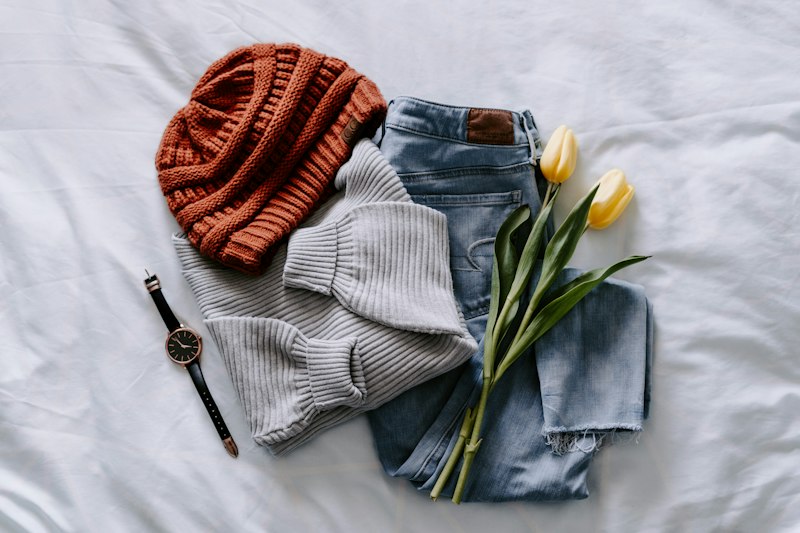
2. Weekend casual with denim. An oversized white sweater with light-wash jeans and white sneakers is perhaps the most universally flattering casual outfit. Add a crossbody bag and oversized sunglasses, and you have a look that works for farmers’ markets, coffee runs, and school pickups alike.
3. Evening elevated with a midi skirt. Tuck a slim-fit white sweater into a satin or pleated midi skirt in jewel tones — emerald, sapphire, or ruby. Add strappy heels and delicate gold jewelry, and the outfit transforms from daytime comfort to evening sophistication in seconds.
4. Layered under a blazer or coat. A white sweater worn under a camel coat or navy blazer creates a clean, polished base layer that elevates the entire outfit. This is particularly effective in winter when you want your outerwear to make a statement while keeping your inner layers understated.
5. Monochrome with white-on-white. For the fashion-forward, pairing a white sweater with white or cream trousers creates a striking monochromatic look. The key here is texture variation — a chunky knit sweater paired with smooth silk or satin bottoms creates visual interest without relying on color contrast.
Caring for Your White Sweater: Practical Tips That Actually Work
The biggest concern most women have about owning a white sweater is staining and yellowing. These are valid concerns, but they are manageable with the right care routine. The following tips are recommended by textile care professionals and have been tested across multiple fabric types:
First, always check the care label before washing. This is not just a formality — different fibers require different handling. Cashmere and wool sweaters should be hand-washed in cold water with a gentle detergent designed for delicates. Cotton sweaters can typically handle machine washing on a gentle cycle, but always use cold water to prevent shrinking.
Second, avoid chlorine bleach entirely. While it may seem counterintuitive, bleach actually weakens protein-based fibers like wool and cashmere and can cause yellowing over time. Instead, use a color-safe whitening agent or add half a cup of white vinegar to the rinse cycle — this naturally brightens white fabrics without damaging the fibers.
Third, always dry white sweaters flat on a clean towel. Hanging a wet sweater on a hanger stretches the shoulders and creates permanent deformation. Rolling the sweater in a dry towel to absorb excess moisture before laying it flat speeds up drying time significantly.
Fourth, store white sweaters folded, not hung, and keep them in breathable cotton bags rather than plastic. Plastic traps moisture, which leads to yellowing and can attract moths. Cedar blocks or lavender sachets in your storage area provide natural moth protection without the chemical smell of traditional mothballs.
Finally, address stains immediately. A small spot of coffee or makeup on a white sweater is much easier to remove when fresh than after it has set. Keep a small stain-removal pen in your bag for on-the-go emergencies.
The White Sweater in 2026: Current Trends and What to Look For
This year, the white sweater is experiencing a renaissance driven by several intersecting trends. The quiet luxury movement — popularized by shows like Succession and championed by designers such as The Row and Brunello Cucinelli — has made understated, high-quality knitwear more desirable than ever. A well-cut white sweater in a premium fabric is the cornerstone of this aesthetic.
Simultaneously, the cottagecore and coquette aesthetics that have dominated social media platforms like TikTok and Instagram have brought renewed attention to cropped white cardigans, cable-knit pullovers, and white sweaters with delicate pearl buttons. These styles appeal to younger consumers who are discovering the joy of classic knitwear for the first time.
Sustainability is also reshaping the white sweater market. According to a 2025 report by the Fashion Revolution organization, consumers are increasingly seeking out white sweaters made from organic cotton, recycled wool, and ethically sourced cashmere. Brands that can trace their supply chain from fiber to finished garment are seeing significant sales growth, indicating that shoppers are willing to pay more for transparency and sustainability.
For women shopping for a white sweater in 2026, the recommendations are clear: invest in quality over quantity, choose a fabric that suits your climate and lifestyle, and select a silhouette that flatters your body shape. A single exceptional white sweater will serve you better than five mediocre ones — it will outlast trends, outwear fast fashion, and remain a reliable foundation for your wardrobe year after year.
The bottom line is simple. A white sweater is not a trend. It is not a seasonal fad that will disappear when the next color of the year is announced. It is a permanent, essential, and quietly powerful piece of clothing that deserves a central place in every woman’s wardrobe. If you do not own one yet, 2026 is the year to change that.