

When you walk into a room wearing a dress with bare shoulders and a neckline that draws every eye upward, you immediately understand why the halter silhouette has survived decades of fashion cycles. The halter dress is not a passing trend—it is a structural triumph that flatters nearly every body type while projecting effortless confidence. Whether you are heading to a summer wedding, a rooftop cocktail party, or simply a Saturday brunch with friends, this neckline does the heavy lifting of looking polished while keeping you cool in warm weather.
In this guide, you will learn the history behind the halter neckline, discover which silhouettes suit your body shape, explore fabric choices that transform a simple halter dress into a showstopper, and pick up styling secrets that professional wardrobe consultants charge hundreds of dollars to share. By the end, you will know exactly how to choose, style, and wear your next halter dress with absolute confidence.
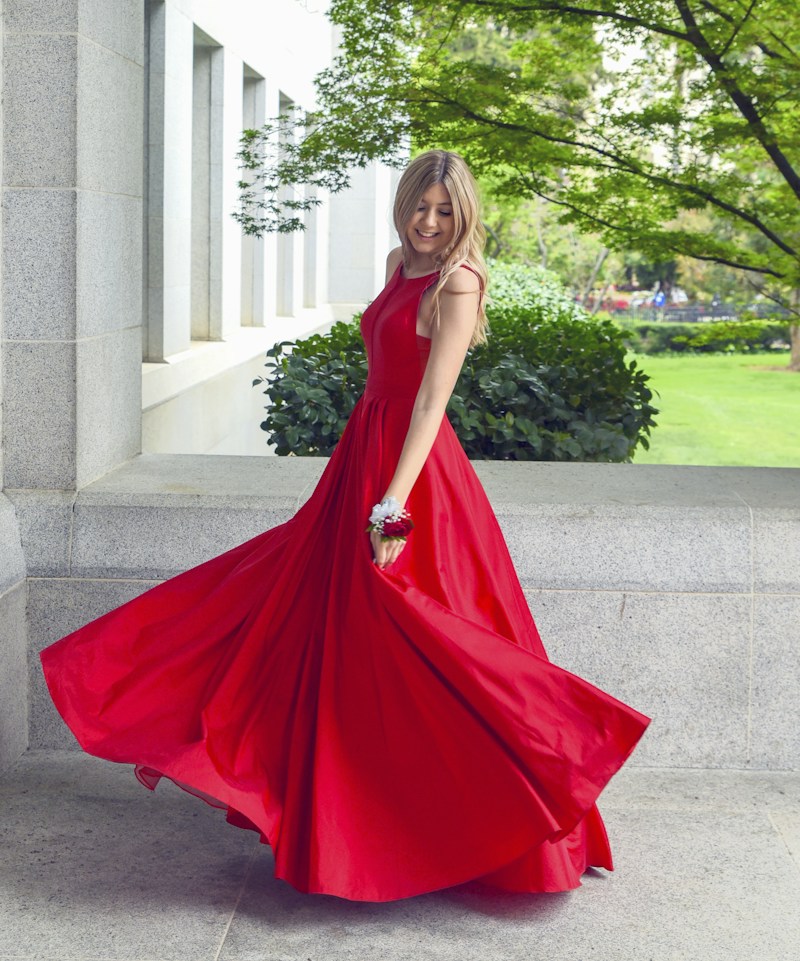
The Halter Neckline: A Brief History
The halter neckline traces its origins to the 1930s, when costume designers began experimenting with necklines that exposed the shoulders while securing fabric behind the neck. The term “halter” itself comes from the equestrian world—referring to the strap or rope used to lead a horse—and the dress neckline earned its name through visual similarity. By the 1940s and 1950s, Hollywood icons such as Rita Hayworth and Betty Grable wore halter-style garments on screen, cementing the silhouette as a symbol of glamorous, sun-kissed femininity.
The 1970s witnessed a halter revival that was entirely different in spirit. Designers like Halston embraced the halter as part of the disco-era aesthetic—flowing jersey halter dresses that moved with the body on dance floors across Studio 54 and beyond. The silhouette returned again in the late 1990s and early 2000s, when celebrities like Gwyneth Paltrow at the 1999 Academy Awards proved that a well-executed halter design could dominate global red-carpet coverage for years.
Today, the halter neckline persists because it achieves something rare in fashion: it balances structure and freedom. The neck strap provides architectural support while the open back and shoulders create a sense of lightness. As fashion historian Caroline Evans noted in her research on twentieth-century dress design, the halter neckline is one of the few constructions that makes minimal fabric feel maximal in impact. You can explore more about the evolution of neckline design at Wikipedia’s halter neck article.
Why the Halter Dress Flatters Almost Every Body Type
One of the most compelling reasons the halter dress remains a wardrobe essential is its nearly universal flattery. The geometry of the halter neckline—wide at the shoulders, converging at the neck—creates a natural V-shape that elongates your torso and draws the eye upward toward your face. If you carry weight in your midsection, the open shoulders shift attention away from the waist area. If you have a smaller bust, the halter strap creates the illusion of fullness by lifting and centering. If you are blessed with broader shoulders, the halter actually balances your proportions by framing the collarbones and upper chest.
Fashion stylists frequently recommend halter dresses for petite women because the vertical line of the neck strap adds the perception of height. For taller women, the dramatic openness of a halter neckline creates a striking horizontal contrast against a long frame. According to a style consultation published on BBC Culture’s fashion section, the halter silhouette is among the top three necklines recommended by professional stylists across all body categories—the other two being V-neck and scoop neck.
The key to finding your perfect halter dress lies in understanding which variations of the silhouette complement your specific proportions. A high-neck halter with a fitted bodice works beautifully for hourglass figures. An empire-waist halter dress suits apple-shaped bodies by skimming the midsection. And an A-line halter dress is virtually impossible to get wrong—it flatters everyone from straight figures to full-figured women with equal grace.
Fabrics That Define the Halter Dress Experience
The fabric you choose for a halter dress fundamentally determines whether the garment reads as casual daytime wear, office-appropriate elegance, or red-carpet drama. Understanding fabric behavior is essential because the halter neckline relies on the material’s drape, weight, and stretch to stay in place and look intentional rather than accidental.
For warm-weather occasions, you want breathable, lightweight fabrics. Chiffon halter dresses offer an ethereal, floating quality that photographs beautifully and moves gracefully in the slightest breeze. Cotton jersey provides comfortable stretch for everyday wear—think weekend brunches or casual office environments. Linen halter dresses bring textural sophistication, though you must accept and even embrace the natural wrinkling that gives linen its character.
For evening events, the fabric choices shift dramatically. Silk satin halter dresses catch light in ways that make you look lit from within—the fabric practically glows under candlelight or chandelier illumination. Velvet halter dresses, surprisingly, work wonderfully for winter formal events; the heavy fabric pairs beautifully with the exposed shoulders, creating a tension between warmth and revelation. Sequined or beaded halter dresses are your go-to for occasions where you want to command attention without speaking a word.
One practical tip: always check the lining quality of a halter dress. Because the neckline bears weight through a single strap at the neck, a poorly lined bodice will sag, twist, or ride up. A well-constructed halter dress has structured internal support—sometimes with built-in cups or boning—that keeps the garment anchored exactly where you want it. This is the single most important quality check before purchasing any halter dress, regardless of price point.
Styling the Halter Dress for Every Occasion
The versatility of a halter dress is what makes it worth multiple copies in different colors and lengths. A single well-fitted black halter dress can serve at least four completely different social scenarios with strategic accessorizing.
For the office: pair a knee-length midi halter dress in a muted tone—navy, charcoal, or olive—with a structured blazer draped over your shoulders. Add pointed-toe flats and a leather tote. You are polished, professional, and still subtly interesting.
For a date night: choose a satin or silk halter dress in a jewel tone—emerald, sapphire, or amethyst. Add strappy heels, a clutch bag, and drop earrings that frame your face without competing with the neckline. The exposed shoulders of a halter dress mean your collarbone area becomes a jewelry focal point, so invest in pieces that catch light when you turn your head.
For a summer wedding: a flowing chiffon halter dress in a soft floral print or pastel solid is practically the uniform of the season. Block heels handle outdoor venues, and a wide-brim hat adds protection while looking editorially chic. Just remember the golden rule—never upstage the bride, so avoid white, ivory, or champagne unless the dress code specifically encourages it.
For casual weekend wear: a jersey or cotton halter dress in a graphic print or solid bright color paired with white sneakers and a crossbody bag is the kind of outfit that looks intentional without appearing try-hard. The halter neckline elevates what would otherwise be a simple shift dress into something that reads as thoughtful rather than accidental.
Common Mistakes People Make with Halter Dresses
Despite the halter dress’s forgiving nature, there are a few pitfalls that can undermine an otherwise excellent outfit choice. Being aware of them saves you from uncomfortable moments and ensures you always look your best.
The first mistake is choosing a halter dress with the wrong strap length. If the neck strap is too long, the bodice droops and the neckline loses its structure. If the strap is too short, the dress pulls upward uncomfortably and creates a gaping effect at the armholes. Always check the fit at the neck before buying—or choose a halter dress with an adjustable or tie-back neck closure. Many high-quality designers include this feature precisely because it solves the fit problem for a wide range of neck lengths.
The second mistake is ignoring the bra question. A halter dress typically eliminates the possibility of a traditional bra because the back is exposed and the straps converge at the neck. Your options include: adhesive bras, built-in cups which many halter dresses already include, strapless bras that sit low enough to remain invisible, or going bra-free if the dress provides sufficient support and you are comfortable doing so. Plan your undergarment strategy before the event, not thirty minutes before you walk out the door.
The third mistake is over-accessorizing. Because the halter neckline is already a strong design statement, adding a chunky necklace on top of it creates visual competition. Instead, let the neckline speak and focus your accessories on earrings, bracelets, and shoes. The exposed shoulders and collarbones of a halter dress are your jewelry canvas—work with that canvas, not against it.
Seasonal Halter Dress Guide: When and How to Wear
The halter dress is often categorized as a summer garment, but this is a limited perspective that ignores how fabric weight, layering, and color can extend the halter’s wearability across all four seasons.
Spring is perhaps the ideal halter season. Temperatures are warm enough for bare shoulders but not so hot that you need the absolute lightest fabrics. A midi halter dress in a crepe or ponte fabric pairs beautifully with a lightweight cardigan for unpredictable spring weather. Pastel colors—blush, mint, lavender—feel naturally aligned with the season’s mood.
Summer is where halter dresses truly shine. This is when you reach for your chiffon, linen, and cotton halter dresses in bright colors and bold prints. The open back and shoulders keep you cool during the hottest months, and the silhouette photographs exceptionally well in natural light. Consider a collection of three summer halter dresses: one casual cotton for daytime, one silk or satin for evening events, and one printed or textured option for occasions that fall somewhere in between.
Autumn halter dressing is about strategic layering. A velvet or heavier jersey halter dress in autumn colors—burgundy, mustard, forest green—looks stunning under a tailored coat or an oversized knit cardigan. The halter neckline peeks out from beneath layers, adding a hint of unexpected exposure to what might otherwise be a fully covered autumn outfit.
Winter halter wear is the boldest choice, but it works when executed correctly. A sequined or beaded halter dress worn under a faux-fur coat or a structured wool overcoat is a classic winter-event look. The key is to treat the coat as part of the outfit, not merely transportation.
Color Theory for Halter Dress Selection
Color choice matters more for a halter dress than for most other silhouettes because the neckline places fabric directly adjacent to your face and neck. The color you choose will cast light—or shadow—onto your skin in ways that either enhance or diminish your natural complexion.
If you have warm undertones, lean toward warm colors: coral, peach, warm reds, golden yellows, olive greens, and chocolate browns. A warm-toned halter dress in one of these shades will make your skin glow in natural light and photographs exceptionally well under flash.
If you have cool undertones, choose jewel tones: emerald, sapphire blue, amethyst purple, fuchsia, and icy pastels. Cool-toned individuals often find that pure white and navy blue are among their most flattering options—both colors create a clean contrast against cooler skin that reads as vibrant rather than washed out.
Neutral undertones are the lucky category that can wear virtually any color. For maximum impact, choose colors based on the occasion and the statement you want to make rather than worrying about complementing your complexion. Black for power and sophistication. Red for confidence and energy. Soft pink for approachability and charm.
One advanced tip: metallic halter dresses in gold, silver, or rose gold function as color-neutral options because the reflective quality of the fabric adapts to ambient lighting. This adaptability makes metallic halter dresses among the most versatile options in any wardrobe.
Building a Halter Dress Collection: Where to Start
If you are just beginning to build a halter dress collection, you do not need ten dresses to cover every occasion. Three carefully chosen halter dresses can handle the vast majority of social scenarios you will encounter.
Start with a black midi halter dress in a structured fabric like crepe or ponte. This is your workhorse—the dress you reach for when you need to look put together on short notice. The black color hides stains, the midi length is appropriate for nearly any setting, and the halter neckline adds enough visual interest to keep the outfit from feeling boring.
Second, invest in a color halter dress in a fabric that feels special—silk satin, velvet, or a high-quality printed chiffon. This is your event dress, the one you wear to weddings, gallery openings, anniversary dinners, and any occasion where you want to feel elevated.
Third, add a casual halter dress in cotton, jersey, or linen. This is your weekend and vacation dress—the one you throw on with sandals for a beach day, with sneakers for errands, or with a denim jacket for a casual dinner.
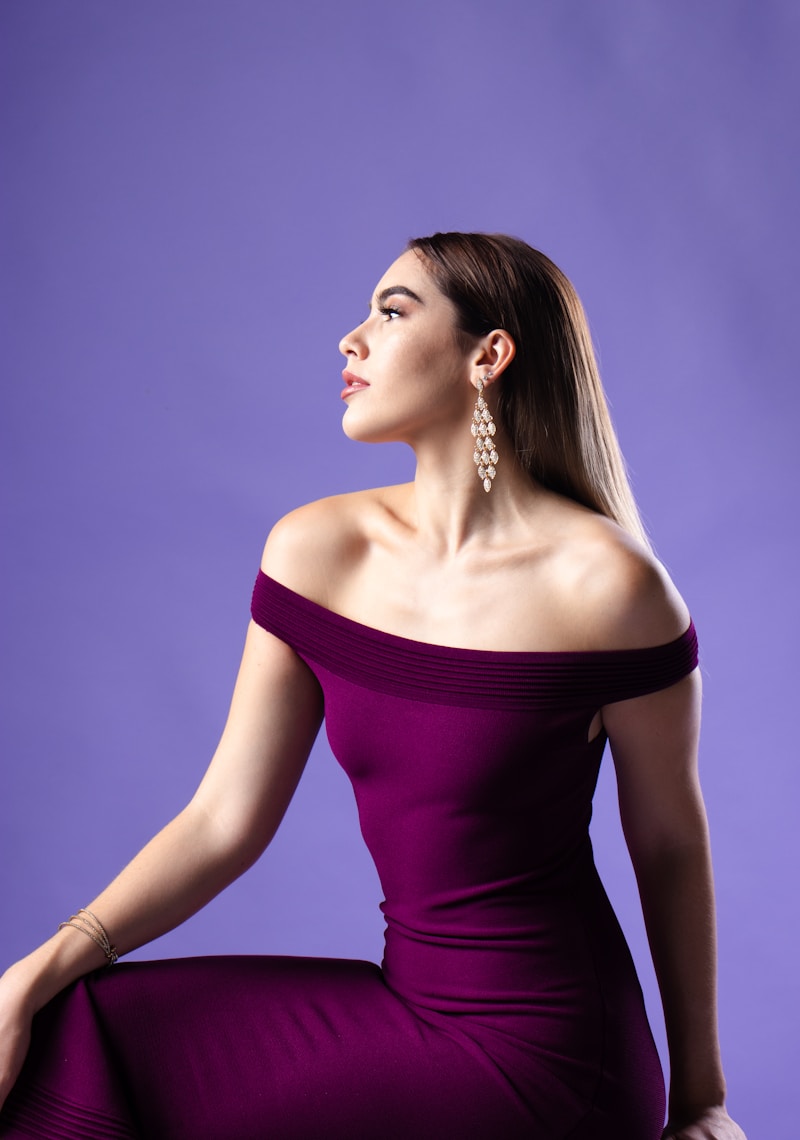
The halter dress has earned its place in fashion history through a combination of flattering geometry, historical pedigree, and remarkable versatility. It is one of the the few garment silhouettes that can transition from casual daytime to black-tie evening simply through fabric choice and accessorizing. Whether you are a halter dress convert discovering its magic for the first time or a longtime devotee adding another piece to your collection, understanding the principles behind why this neckline works will help you choose better, style smarter, and wear with confidence that comes from knowing exactly why you look as good as you do.