

There is something almost magical about a well-made dress that catches the summer breeze just right. A sun dress, with its lightweight fabric and breezy silhouette, has quietly become the most practical yet stylish choice women reach for when the temperature climbs above 75 degrees Fahrenheit. Unlike heavier garments that demand constant adjustment, a sun dress moves with the body, allowing air circulation while maintaining an appearance that works equally well at a weekend farmers market or an evening waterfront dinner. Fashion historians trace the modern sun dress back to the 1930s, when couturiers began experimenting with shorter, sleeveless designs that freed women from the restrictive layers of previous decades. What started as a practical response to hot weather evolved into a cultural symbol of freedom, femininity, and effortless style that has only grown stronger with each passing generation.

The Evolution of the Sun Dress: From Garden Parties to Global Fashion Staple
The journey of the sun dress from a simple warm-weather garment to a global fashion phenomenon tells a fascinating story about how clothing adapts to cultural shifts. In the early twentieth century, women’s summer wardrobes were dominated by heavy cotton and linen pieces that offered minimal relief from heat and humidity. The breakthrough came when designers recognized that the silhouette itself could be reimagined — by eliminating sleeves, raising hemlines, and using lighter weaves, they created something entirely new. During the post-World War II era, the sun dress experienced its first major surge in popularity as women embraced outdoor leisure activities with renewed enthusiasm. Beach culture, garden parties, and open-air cinema screenings all became venues where the sun dress proved its worth. By the 1960s, iconic fashion photographs captured models in vibrant floral prints and pastel solids, cementing the sun dress as the definitive garment of summer living. The fabric technology that supports today’s sun dress has advanced considerably, with modern blends offering wrinkle resistance, UV protection, and colorfast properties that earlier generations could only dream about.
What makes the sun dress particularly interesting from a fashion history perspective is its resistance to being pigeonholed into any single decade or movement. While the mini dress belongs firmly to the swinging sixties and the power suit screams nineteen-eighties ambition, the sun dress exists outside of temporal boundaries. It appears in vintage photographs from the nineteen-thirties and looks indistinguishable from what women wear to brunch today. This timelessness is not accidental — it stems from the fundamental truth that a well-cut sun dress addresses a universal need: looking put-together while staying cool. Designers across every price point and aesthetic philosophy have contributed to its evolution, from Vogue’s editorial teams who have championed the sun dress as a summer essential to independent seamstress workshops in Provence who hand-print the fabrics that become next season’s most coveted pieces. The sun dress has survived economic recessions, fabric shortages, and dramatic shifts in fashion ideology because it answers a question that never goes out of style.
Choosing the Perfect Sun Dress for Your Body Type and Personal Style
Selecting the right sun dress requires more than grabbing the first cute piece on the rack, even though that strategy occasionally works in your favor. Understanding your body shape and how different cuts interact with your proportions makes the difference between a garment that merely hangs on your frame and one that transforms your entire appearance. For women with an hourglass figure, sun dresses with defined waistlines — whether through built-in belts, elastic cinching, or wrap construction — emphasize the natural curves that define this silhouette. The key is ensuring the waist definition sits at your actual narrowest point rather than riding too high or sinking too low, which can disrupt the visual balance. A-line sun dresses have proven themselves as the most universally flattering option, creating a gentle flare from the waist down that skims over the hips and thighs without clinging or adding bulk. This shape works for virtually every body type and has remained a bestseller across every major retailer for decades running.
Petite women should pay particular attention to hemline length, as a sun dress that cuts at the wrong point on the leg can visually shorten the frame. Above-the-knee lengths and midi cuts that hit just below the calf tend to work best, while maxi-length sun dresses can overwhelm a smaller frame unless the proportions are carefully considered. Taller women have more flexibility but should be mindful of torso length — a sun dress with a dropped waist or empire line can sometimes make a long torso appear even longer. The neckline deserves equal attention: V-necks create a lengthening effect that benefits most body types, while square necklines offer a structured, slightly vintage feel that pairs beautifully with statement jewelry. Straps are another often-overlooked element — wider straps provide more support and a slightly more polished look, while spaghetti straps lean toward a romantic, delicate aesthetic. The ideal sun dress balances all these elements in a way that feels intentional rather than accidental, creating a cohesive silhouette that looks like it was designed specifically for the person wearing it.
Fabric Matters: The Science Behind What Makes a Great Sun Dress
The fabric of a sun dress is arguably more important than its cut, because even the most beautifully patterned garment fails completely if the material traps heat, clings uncomfortably, or wrinkles the moment you sit down. Cotton has been the traditional choice for sun dresses for good reason — its natural fibers allow air to circulate freely, absorbing moisture and releasing it through evaporation, which creates a natural cooling effect against the skin. The quality of cotton matters enormously: long-staple Egyptian or Pima cotton produces a smoother, more durable fabric that drapes elegantly rather than hanging stiffly. Linen, another classic sun dress fabric, offers even superior breathability but comes with the trade-off of pronounced wrinkling. Some fashion purists argue that linen wrinkles are part of the charm — they signal a relaxed, lived-in elegance that perfectly matches the spirit of a sun dress — but others prefer fabrics that maintain their structure throughout a full day of wear.
Rayon and viscose blends have gained significant ground in recent years because they combine the drape and luster of silk with the practicality of machine-washable care. These semi-synthetic fabrics, derived from natural cellulose, offer excellent temperature regulation and a fluid movement that catches light beautifully. The key is finding the right weight — too thin, and the fabric becomes translucent and flimsy; too heavy, and it defeats the purpose of wearing a sun dress in the first place. Modern innovations have introduced cotton-modal blends that resist wrinkling while maintaining breathability, and some premium sun dresses now incorporate a small percentage of elastane for gentle stretch that improves comfort without compromising the garment’s structure. When shopping for a sun dress, holding the fabric up to light reveals a lot about its quality: a well-woven material will show consistent density without thin spots, and the color should appear rich and even rather than washed out or streaky.
Color, Print, and Pattern: The Visual Language of the Sun Dress
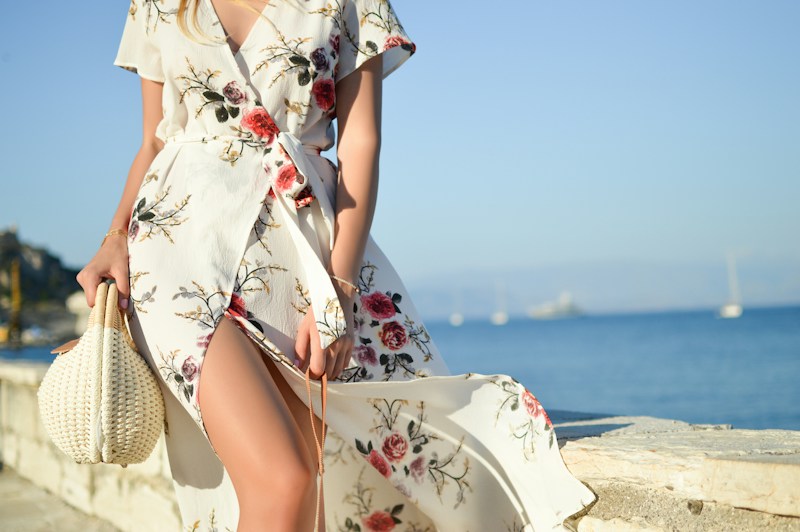
The color and print of a sun dress communicate something before you even speak, which is why this decision deserves more thought than many shoppers give it. Floral prints dominate the sun dress category for an obvious reason — they mirror the natural environment of summer itself, creating a visual harmony between the wearer and the season. But not all florals are created equal: oversized botanical prints make a bold statement that works beautifully at outdoor events and resort destinations, while smaller, scattered ditsy florals offer a more subtle, everyday elegance that transitions seamlessly from office to evening. Solid colors deserve equal consideration, particularly in the context of building a versatile warm-weather wardrobe. Navy, emerald green, and terracotta have emerged as standout alternatives to the predictable black and white, offering rich color that photographs beautifully and flatters a wide range of skin tones. A sun dress in a saturated solid color can appear more expensive and intentional than a busy print, making it an excellent choice for occasions where you want to project polish without seeming like you tried too hard.
Geometric patterns, stripes, and gingham checks have carved out their own dedicated following within the sun dress category. Horizontal stripes, once considered a fashion risk, have been rehabilitated by contemporary designers who understand that stripe width and color contrast matter far more than orientation alone. Wide, high-contrast stripes can create a striking visual effect that photographs exceptionally well, making them ideal for vacation and event photography. Gingham — the classic checkered pattern associated with French countryside picnics — has experienced multiple revivals and currently sits at a particularly high point of popularity. A gingham sun dress strikes a balance between retro charm and modern freshness, especially when cut in an unexpected color combination like black and white or navy and cream rather than the traditional red and white check. The pattern density also affects perception: smaller checks read as more refined and office-appropriate, while larger checks lean casual and playful. When selecting a printed sun dress, consider where the pattern places emphasis — a large floral motif centered on the bodice draws the eye upward, while an all-over scatter pattern creates a more relaxed, uniform visual effect.
Styling a Sun Dress: From Beach Days to Evening Events
The versatility of a sun dress lies in its ability to transform through accessories and layering, making it arguably the most cost-effective garment in any summer wardrobe. The same sun dress that pairs with flat sandals and a woven tote for a Saturday morning errand run can shift into evening-ready territory with the addition of wedge heels, layered gold jewelry, and a lightweight blazer draped over the shoulders. This adaptability is what separates a truly great sun dress from a garment that serves only a single purpose. For casual daytime wear, minimalist accessories let the dress speak for itself — a pair of leather sandals, oversized sunglasses, and a crossbody bag create an effortless look that suggests you woke up looking this good. The addition of a wide-brimmed hat introduces an element of classic summer glamour that works particularly well with floral-printed sun dresses and provides practical sun protection for your face and shoulders.
Professional settings require a slightly different approach, and a well-chosen sun dress can absolutely work in many office environments when styled thoughtfully. Adding a structured cardigan or tailored blazer immediately elevates the formality level, while closed-toe flats or low block heels keep the outfit grounded and appropriate. The key is ensuring the sun dress itself meets basic professional standards — appropriate length, no excessive sheerness, and a cut that doesn’t require constant adjustment. For evening events, the styling shifts toward drama: metallic accessories, statement earrings, and a clutch bag transform a daytime sun dress into something that catches candlelight beautifully. A silk scarf tied at the neck or woven through the straps adds a touch of Parisian sophistication that elevates the entire ensemble. The summer dresses collection at many retailers now includes pieces specifically designed with this day-to-night versatility in mind, recognizing that modern women need clothing that works across multiple contexts without requiring a complete wardrobe change.

Caring for Your Sun Dress: Keeping It Beautiful Season After Season
The longevity of a sun dress depends almost entirely on how you care for it, and the good news is that most sun dresses require relatively minimal maintenance to stay in excellent condition. The first rule is reading and following the care label — this sounds obvious, but a surprising number of garments are ruined because their owners assumed machine washing was safe when the label clearly specified hand wash or dry clean only. For machine-washable cotton and cotton-blend sun dresses, using cold water on a gentle cycle preserves both color and fiber integrity far better than warm or hot washes. Turning the dress inside out before washing protects printed surfaces and delicate embellishments from friction damage during the wash cycle. Air drying should be the default method whenever possible, as the heat and tumbling of a dryer break down elastic fibers, fade colors, and cause the kind of shrinkage that can permanently alter the fit of a sun dress.
Storage between seasons requires attention to detail that pays dividends when you unpack the following summer. Folding is generally preferable to hanging for sun dresses, particularly those made from knit fabrics or with delicate straps that can stretch under their own weight when suspended on a hanger for months. If you must hang a sun dress, use a padded hanger that distributes weight evenly rather than a thin wire hanger that creates pressure points. Storing sun dresses in breathable cotton bags rather than plastic garment bags prevents moisture buildup and the musty odors that develop in sealed environments. A small sachet of lavender or cedar chips in the storage area provides natural moth protection without the harsh chemical smell of commercial mothballs. With proper care, a quality sun dress should provide three to five seasons of reliable wear, and many women report having favorite sun dresses that have lasted significantly longer — becoming soft, familiar garments that feel like old friends each time summer returns.
Why the Sun Dress Will Always Have a Place in Fashion
Trends come and go with exhausting regularity, but the sun dress has maintained its position in women’s wardrobes for nearly a century because it solves a problem that will never stop existing: the need to look and feel good when the weather gets warm. No amount of fashion industry reinvention will eliminate the fundamental appeal of a garment that requires zero effort to look intentional, keeps you comfortable in temperatures that make layered outfits unbearable, and photographs beautifully in natural light. The sun dress has survived the rise and fall of every major fashion movement — from the structured glamour of the nineteen-fifties to the bohemian freedom of the nineteen-seventies, from the minimalist nineties to the maximalist revivals of today — because it doesn’t belong to any single aesthetic philosophy. It belongs to summer itself, and as long as the sun continues to shine and temperatures continue to rise, women will continue to reach for the sun dress as their first and most reliable warm-weather companion. The fashion industry will keep reinventing it with new prints, new fabrics, and new cuts, but the core appeal will remain exactly what it has always been: simple, beautiful, and perfectly suited to the season it was born to celebrate.