

Few garments in human history have carried as much cultural weight as the skirt — and when that skirt happens to be made of silk, the conversation shifts entirely. Silk has been traded along the ancient routes that connected empires, gifted between monarchs as a symbol of diplomatic goodwill, and woven into the very fabric of what we now call luxury fashion. But here is what most people miss: a silk skirt is not just another pretty thing to hang in the closet. It is a material argument for slowing down, for choosing quality over quantity, and for understanding that some purchases resonate far beyond their price tag. In an era where fast fashion has trained shoppers to expect garments that fall apart after six washes, the silk skirt stands as a quiet rebellion — one that whispers rather than shouts, and lasts decades rather than seasons. It is the kind of garment that gets handed down, borrowed, fought over at vintage sales, and quietly treasured by the women who understand exactly what they have.
A Fabric That Pre-Dates Civilization — And Still Feels Like the Future
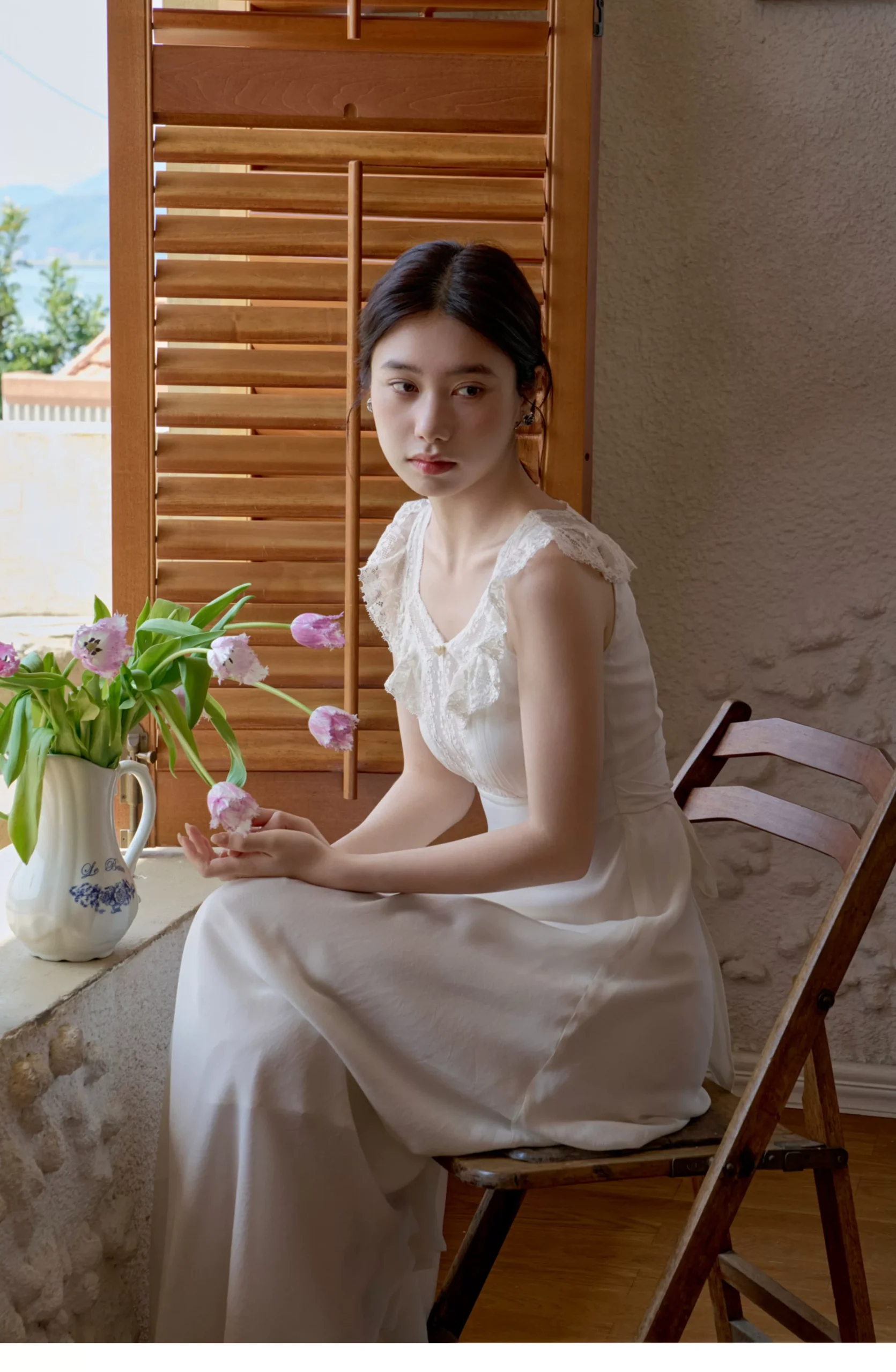
The story of silk begins roughly 5,000 years ago in Neolithic China, where legend credits Empress Leizu with discovering the secret locked inside a silkworm’s cocoon. According to research compiled by textile historians and documented by institutions including the China National Silk Museum, sericulture — the practice of cultivating silkworms for their filament — remained a fiercely guarded Chinese monopoly for nearly three millennia. The punishment for smuggling silkworm eggs out of the empire was death. That level of protection speaks volumes about the value ancient civilizations placed on this single fabric. What makes silk genuinely remarkable from a materials-science perspective is its molecular structure. Silk fibroin, the protein that forms the filament, arranges itself in beta-sheet crystalline formations that give the fiber a tensile strength comparable to steel of the same diameter — yet it drapes like water. This paradox of strength and softness is why a silk skirt moves the way it does, catching light and air in a manner that synthetic fabrics have spent decades trying and failing to replicate. Polyester satin can mimic the sheen, but it cannot mimic the breathability, the temperature regulation, or that almost imperceptible rustle that real silk produces when a woman walks across a room. The fiber’s triangular prism-like cross-section refracts incoming light at multiple angles, which is the technical explanation for why a silk skirt gleams rather than glitters — a distinction that separates sophistication from showiness.
The Fashion Industry’s Fifty-Year Silk Skirt Obsession
To understand why the silk skirt occupies such rarefied territory in fashion, one has to trace its path through the 20th century. In the 1930s, bias-cut silk skirts became the signature of Madeleine Vionnet, the French couturier who revolutionized garment construction by cutting fabric against the grain so it would cling and flow with the body’s natural movement. Her silk skirts were so fluid that Vogue described them in 1936 as “liquid sculpture” — a phrase that has followed the silk skirt ever since. The bias cut remains the gold standard for anyone who wants a silk skirt that moves like a second skin rather than a stiff panel. By the 1970s, Diane von Furstenberg had taken the concept mainstream with silk jersey wrap skirts that working women could throw on in thirty seconds and look impeccable. The 1990s brought the minimalist silk slip skirt, championed by Calvin Klein and later by Carolyn Bessette-Kennedy, whose off-duty uniform of a simple silk slip skirt and cashmere sweater became one of the most photographed and copied looks of the decade. What ties all these eras together is not just the fabric but what it signals: a silk skirt says its wearer understands that true luxury lives in material, not in logos. The 2026 runways have reinforced this, with Bottega Veneta, The Row, and Khaite all sending silk skirts down their spring-summer shows — not in maximalist prints or wild colors, but in oyster, champagne, and charcoal tones that let the fabric do the talking.
The Numbers Behind the Silk Skirt Renaissance
Market data makes the case more forcefully than any fashion editor could. According to Grand View Research’s 2025 global silk market analysis, the silk apparel segment was valued at approximately $8.3 billion and is projected to grow at a compound annual rate of 7.6 percent through 2030. Within that segment, skirts and dresses account for the largest share of revenue — a pattern driven not by fleeting trends but by a documented consumer shift toward fabric-first purchasing decisions. A separate 2025 consumer survey conducted by McKinsey & Company’s State of Fashion report found that 62 percent of women aged 25 to 44 now prioritize material quality over brand name when shopping for wardrobe staples priced above $100. That figure jumps to 71 percent among women who describe themselves as “intentional shoppers” — those who buy fewer items per year but spend more per piece. A silk skirt sits squarely at the center of this behavioral shift. Unlike a silk blouse, which spends most of its life tucked into waistbands and pressed against chair backs, a silk skirt experiences less friction and fewer contact points, meaning it retains its luster for years longer with proper care. The arithmetic is not complicated: a $40 polyester skirt worn ten times before pilling and losing shape costs $4 per wear. A $200 silk skirt worn 100 times over five years costs $2 per wear — and still looks better at the end of that run than the synthetic alternative looked after month one.
Six Ways to Wear a Silk Skirt Without Looking Like You Tried Too Hard
The single biggest hesitation women express about a silk skirt is the fear of looking overdressed. This concern evaporates once a few simple pairing principles are understood. First, texture contrast is the secret weapon. A silk skirt worn with a chunky cotton knit or an oversized women’s clothes basic creates a tension between polished and relaxed that reads as effortlessly intentional rather than try-hard. The second principle involves footwear: a silk midi skirt with flat leather sandals or canvas sneakers immediately dials down any formality the fabric might otherwise project. The silk skirt becomes a chameleon — elegant enough for a dinner reservation but casual enough for a Saturday farmers’ market run. Third, layering changes everything. Throwing a denim jacket or an unstructured blazer over a silk skirt anchors the look in everyday reality and adds that I-just-threw-this-on energy that stylists spend hours trying to manufacture. Fourth, proportions matter more with silk than with almost any other fabric because the material’s drape means it will reveal — or conceal — body lines with unforgiving precision. A silk skirt that hits just below the knee tends to be the most universally flattering because it allows the fabric’s movement to create vertical lines without the challenges that come with longer or shorter lengths. Fifth, color plays an outsized role. A champagne or dove-gray silk skirt effectively functions as a neutral and pairs with almost anything in an existing wardrobe, while a jewel-toned silk skirt in emerald or sapphire becomes the outfit’s focal point and requires quieter companions to avoid visual chaos. Sixth, and perhaps most importantly, confidence is the ultimate accessory — a silk skirt worn with hesitation looks like a costume, while the same skirt worn with ease reads as a woman who knows exactly what she is doing and does not need anyone else to confirm it.
Why a High-Quality Silk Skirt Is the Cheapest Garment You Will Ever Own
The phrase “investment piece” has been so thoroughly abused by fashion marketing that it barely means anything anymore. But a silk skirt makes a legitimate case for the term. The math of cost-per-wear has already been covered, but there is a deeper economic argument that gets less attention: a silk skirt’s resale value. Unlike fast-fashion items that become landfill within a year, well-maintained silk garments hold significant secondary-market value. Data from The RealReal’s 2025 Luxury Consignment Report shows that silk skirts from brands such as Equipment, Vince, and Eileen Fisher retain an average of 38 percent of their original retail price on the resale market after two years of use. By comparison, polyester-blend skirts from mass-market retailers average 4 percent resale value — and most are rejected by consignment platforms entirely. This means that a woman who buys a quality silk skirt can realistically expect to recover a third of her money if her size or taste changes down the line. For anyone who rotates through a wardrobe seasonally, this changes the entire financial equation of shopping. The silk skirt effectively functions as a wearable asset rather than a disposable expense. Production quality also matters here. A well-constructed silk skirt will have French seams, a properly weighted hem, and a lining that prevents the outer fabric from clinging to tights or bare skin. These construction details separate garments that last a decade from those that start fraying after a single dry-cleaning cycle.
Can Silk Ever Be Truly Ethical — And Does It Matter to the Women Buying It
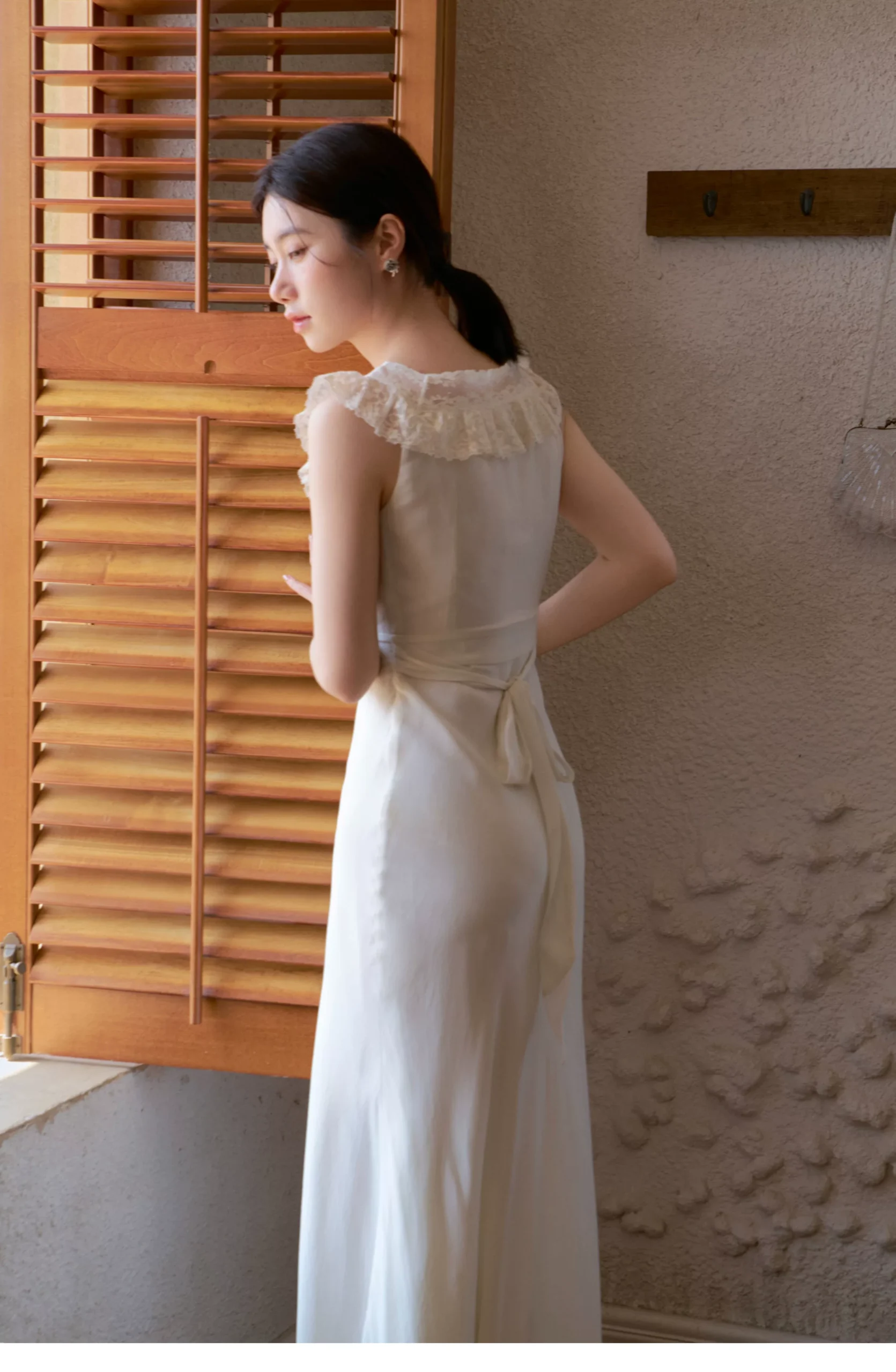
Sustainability discussions around silk are more nuanced than most consumers realize. Conventional silk production involves boiling silkworms alive inside their cocoons to preserve the continuous filament — a process that has drawn ethical criticism from animal-welfare organizations and led directly to the development of alternatives. Ahimsa silk, also known as peace silk, allows the moth to emerge from the cocoon naturally before the silk is harvested. The trade-off is that the filament is broken into shorter strands, which produces a fabric with a slightly different hand feel — less uniformly smooth but with a character that some designers and consumers actually prefer. According to a 2025 textile sustainability report published by the Textile Exchange, peace silk production has grown 140 percent globally since 2020, driven largely by European and North American demand for ethically sourced luxury fabrics. On the environmental side, mulberry trees — the sole food source for domesticated silkworms — are exceptionally efficient at carbon sequestration. A single acre of mulberry trees absorbs approximately 6.5 metric tons of carbon dioxide annually, according to data from the Food and Agriculture Organization of the United Nations. Silk production also requires dramatically less water than cotton cultivation and uses no petrochemical inputs, unlike polyester manufacturing which pumps an estimated 70 million barrels of oil into synthetic fabric production each year. These facts do not make silk a perfect solution — no fabric is — but they do complicate the popular narrative that natural luxury fibers are inherently more problematic than their synthetic counterparts.
The silk skirt has earned its place — not through marketing gimmicks or influencer hype cycles, but through five millennia of proving itself to be the rare thing that feels as good as it looks and lasts long enough to tell a story. A silk skirt is not a trend purchase made at 2 AM because an algorithm suggested it; it is a considered acquisition, the kind that sits in a closet for years and never stops earning its keep, never stops catching the light in that particular way that makes people lean in and ask where you got it. In a marketplace flooded with garments designed for a single season and a single Instagram post, choosing silk is an act of resistance. Not the loud, performative kind — the quiet, considered kind that values substance over spectacle and understands that the most radical thing a woman can wear in 2026 is something she will still want to wear in 2036.
Looking for the perfect silk skirt to add to your collection? Browse our selection at LovingClothing.com and discover high-quality silk blend skirts designed for real women with real taste.