

If you had told me five years ago that I’d be clearing out an entire section of my closet for something that ballerinas have been wearing since the 1830s, I would have laughed. But here we are. The tutu skirt — yes, that frothy, tulle-laden circle of fabric you probably last saw on a stage — has somehow become the most unexpectedly wearable piece in my rotation. I’m not talking about costume-level poof here. The modern tutu skirt is a completely different animal: softer, more restrained, and surprisingly easy to style with the skirts you already own. What started as a niche runway experiment has quietly filtered into street style, Instagram feeds, and yes, even office-adjacent outfits. And before you roll your eyes — stick with me. I’ve made every styling mistake in the book so you don’t have to.
The Ballet Roots Nobody Actually Talks About
Most people think the tutu skirt sprang fully formed from some Parisian costume shop in the 19th century. The truth is messier and way more interesting. The word “tutu” itself is a bit of a mystery — linguists trace it to the French children’s word cucu, a casual reference to the bottom area, which makes sense when you consider where the original Romantic tutu sat on the body. According to the Royal Opera House archives, the first recognizable tutu appeared in 1832 when Marie Taglioni danced in La Sylphide, wearing a bell-shaped skirt that fell between her knees and ankles — a radical departure from the heavy, floor-length costumes of the era. That design evolved through the 19th century into the shorter, stiffer “classical pancake tutu” we recognize today, largely thanks to Italian ballerina Virginia Zucchi, who demanded shorter skirts to show off her footwork. The Guardian noted in a 2019 retrospective on ballet fashion that the tutu’s evolution from modest to revealing mirrors broader shifts in how society views women’s bodies and athleticism. What fascinates me isn’t just the history — it’s that a garment designed for literal performance has managed to escape the stage and land in everyday wardrobes without losing any of its theatrical DNA. That tension between drama and wearability is exactly what makes a tutu skirt so electric to style.
What Actually Defines a Modern Tutu Skirt
Let me clear something up right now, because I see this confusion everywhere: not every tulle skirt is a tutu skirt, and not every tutu looks like you’re about to perform Swan Lake. The defining characteristic of a tutu skirt is its construction — multiple layers of gathered or pleated tulle (typically six to twelve layers) attached to a fitted waistband, creating volume that holds its shape even when you’re standing still. A standard tulle skirt might have one or two layers and falls limp against the body. A proper tutu skirt has architecture. The modern street-style version, sometimes called a “tutu-inspired skirt” by fashion editors at Vogue, typically sits at the natural waist and falls anywhere from mid-thigh to midi length, using softer tulle blends that move with the body rather than stiffening into a bell shape. Designers like Molly Goddard and Simone Rocha have been instrumental in bringing the tutu into ready-to-wear, using layers of tulle in unexpected colors — think charcoal, rust, and sage — paired with chunky knits and combat boots. The key distinction that matters for styling: the volume is concentrated at the hem, not at the waist, so the silhouette remains flattering rather than overwhelming. If you’re shopping for one, look for a tutu skirt with a flat front waistband and elasticated back — it’s the difference between something that looks costume-y and something that looks intentional.
How I Style a Tutu Skirt for Daytime Without Looking Like I’m Heading to Rehearsal
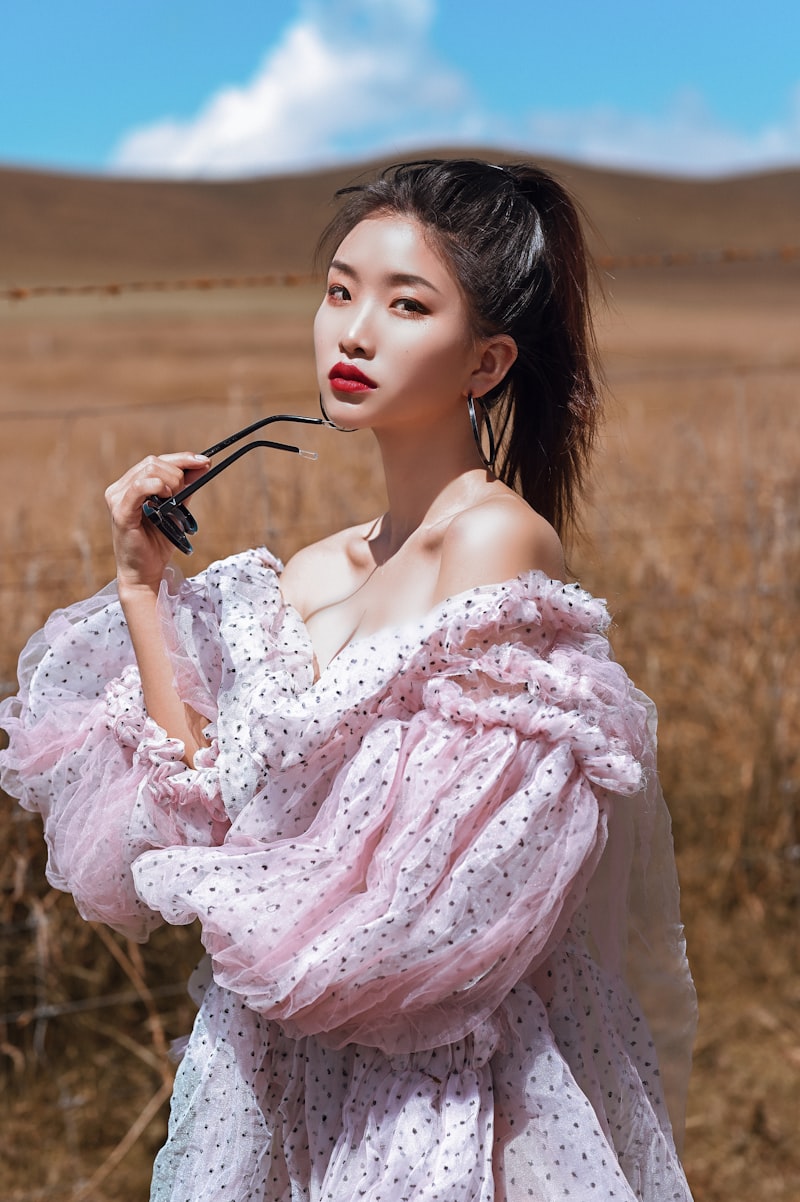
The single biggest fear I hear from friends who love the idea of a tutu skirt but haven’t pulled the trigger: “I’ll look like I got lost on the way to the theater.” Fair. The trick isn’t toning down the skirt — it’s the opposite. You lean into the volume but ground it with pieces that couldn’t be further from the stage. My go-to daytime formula is brutally simple: a fitted crewneck tee or a slouchy cashmere sweater tucked loosely into the waistband, white sneakers (the chunkier the better), and zero jewelry beyond a watch. The contrast between the utilitarian top and the frothy skirt creates tension that reads as intentional rather than accidental. On cooler mornings, I throw a cropped denim jacket over the whole thing — the denim cuts through the sweetness of the tulle in a way that feels Parisian rather than princess. According to street style photographer Phil Oh’s coverage for Vogue, the tutu skirt appeared in at least fifteen front-row outfits during the Fall 2025 shows, almost always paired with something aggressively casual — a hoodie, a leather moto jacket, even a vintage band tee. The lesson is consistent: treat the tutu skirt like you’d treat a pair of statement trousers, not a special-occasion piece. When you mentally reclassify it from “costume” to “interesting bottom,” the styling possibilities open up dramatically.
Evening Looks That Turn a Tutu Skirt into a Conversation Starter
Nighttime is where the tutu skirt truly gets to flex. I wore a black midi-length version to a gallery opening last month — paired with a silk camisole, pointed-toe heels, and a single dramatic earring — and I lost count of how many women stopped me to ask where I got it. The volume does something to your posture that no amount of Pilates can replicate; you naturally stand straighter, walk slower, take up more space. For evening, I’ve learned that fabric contrast matters more than color coordination. A matte tulle skirt in a deep shade — burgundy, navy, forest green — against a glossy satin top creates a visual tension that photographs beautifully. If you’re feeling braver, try a metallic or sequin camisole tucked into a neutral tulle skirt; the sparkle peeking through the translucent layers creates depth that flat fabrics simply cannot achieve. Harper’s Bazaar recently ran a feature on “the return of party dressing” that singled out the tutu silhouette as a key player, noting that designers are experimenting with tulle in unexpected textures — crinkled, pleated, even laminated — that push the look further from ballet and closer to editorial. One styling rule I swear by: your shoes must be visible. A tutu skirt at midi length that swallows your feet will make you look shorter and wider. Go for an ankle-strap heel or a pointed flat that peeks out from beneath the hem. It’s a small detail that changes the entire proportion of the outfit.
The Fabric and Silhouette Guide Nobody Writes
After owning four different tutu skirts across various price points, I’ve become weirdly opinionated about tulle quality. The cheap stuff — that scratchy, plastic-feeling nylon tulle you find on fast-fashion versions — bunches awkwardly, generates static electricity that makes the layers cling to your legs, and photographs terribly because the material reflects flash in unpredictable ways. Decent tulle, by contrast, should feel almost like fabric rather than packaging material. Look for skirts labeled “soft tulle,” “silk tulle,” or “polyester-nylon blend tulle” with at least six layers. The more layers a tutu skirt has, the more the light diffuses through them, creating that painterly, almost watercolor-like effect that makes the garment look expensive regardless of what you paid. Silhouette-wise, you’ve got three main options: the A-line (most universally flattering, flares gradually from waist to hem), the bubble (volume concentrated at the hem with a tucked-under finish), and the asymmetric (shorter in front, longer in back — incredibly elongating but harder to style). I personally live in A-line versions because they move with my body rather than dictating how I move. For petite frames, I’d steer you toward a tutu skirt that hits just above the knee; for taller builds, midi length in a darker color creates a column effect that’s almost architectural. One material combination I’ve been seeing everywhere on TikTok and Instagram: tulle layered over a satin slip lining that peeks out by half an inch at the hem, adding structure and preventing the dreaded see-through situation that plagues single-layer tulle skirts.
Why 2026 Is Finally the Tutu Skirt’s Moment
I’ve been tracking this trend for three years, and I genuinely believe 2026 is different. Previous tutu skirt revivals — there was a notable one around 2014 with the Carrie Bradshaw effect, and another blip during the pandemic when people were buying anything that sparked joy — fizzled because the styling conversation never evolved beyond “wear it to a party.” What’s changed now is threefold. First, the post-pandemic appetite for dopamine dressing hasn’t faded; if anything, it’s deepened into a genuine appreciation for clothes that provoke an emotional response. A tutu skirt literally changes how you feel when you walk, and in an era of endless bad news, that matters more than fashion editors want to admit. Second, the rise of “wrong shoe theory” styling — intentionally pairing feminine pieces with aggressively masculine footwear — has given the tutu skirt a framework that makes it feel current rather than nostalgic. And third, the sheer volume of luxury and mid-tier brands investing in tulle construction means the quality and variety available to consumers has never been better. Lyst’s 2025 Year in Fashion report noted that searches for “tulle skirt” increased 67% year-over-year, with “tutu skirt” specifically spiking during the summer months when wedding and event season peaks. I don’t think this is a micro-trend. The tutu skirt is following the same trajectory that the slip dress followed in the 1990s — a garment that initially seemed too niche, too costume-adjacent, and too impractical, until enough people wore it the right way and the collective understanding shifted.
The Mistakes I See Everywhere (And How to Avoid Them)
I’ll keep this section efficient because I’ve already watched too many people sabotage a perfectly good outfit with fixable errors. Mistake one: wearing a tutu skirt with anything else that’s voluminous. If your skirt has six layers of tulle, your top should be practically shrink-wrapped to your torso. A billowy blouse plus a tutu equals a silhouette with no definition — you’ll look like a cupcake, and not in a good way. Mistake two: choosing the wrong length for your footwear. Flat sandals with a floor-length tutu skirt will trip you and everyone around you. Mistake three: ignoring the waistline. A tutu skirt with a thick, gathered elastic waistband can add visual bulk exactly where most people don’t want it. Look for versions with a flat front panel or a wide, structured waistband that sits smoothly against your stomach. Mistake four: treating it as a costume piece rather than a wardrobe building block. The women who wear tutu skirts best — I’m thinking of the street style regulars outside the Paris shows — treat them exactly like they’d treat a leather midi or tailored trousers: as a foundation for an outfit, not the punchline. Mistake five: ignoring proportion balance. If you’re wearing a voluminous tutu skirt, your hair and makeup should be relatively minimal. A messy bun and bare face against an elaborate skirt reads “art gallery director.” Full glam hair and makeup against the same skirt reads “bridesmaid.” The distinction is subtle but unmistakable in person. None of these mistakes are permanent — I’ve made all of them — but being aware of them transforms a tutu skirt from a closet regret into the piece you reach for when you want to feel like the main character.
I started this piece skeptical that a tutu skirt could earn a permanent spot in a real woman’s wardrobe. I’m ending it with four of them hanging in mine. The garment that once struck me as the most impractical thing imaginable — fragile, attention-grabbing, impossible to launder — has become the piece I pack first for trips, the piece I reach for on days when jeans feel like giving up. That’s the thing about fashion that actually works: it’s never the sensible choice that changes how you feel about getting dressed. It’s the piece that scares you a little bit, the one that forces you to walk differently and stand differently and, yes, field compliments from strangers who want to know where you found it. A tutu skirt does all of that. Not despite its theatrical roots — because of them.