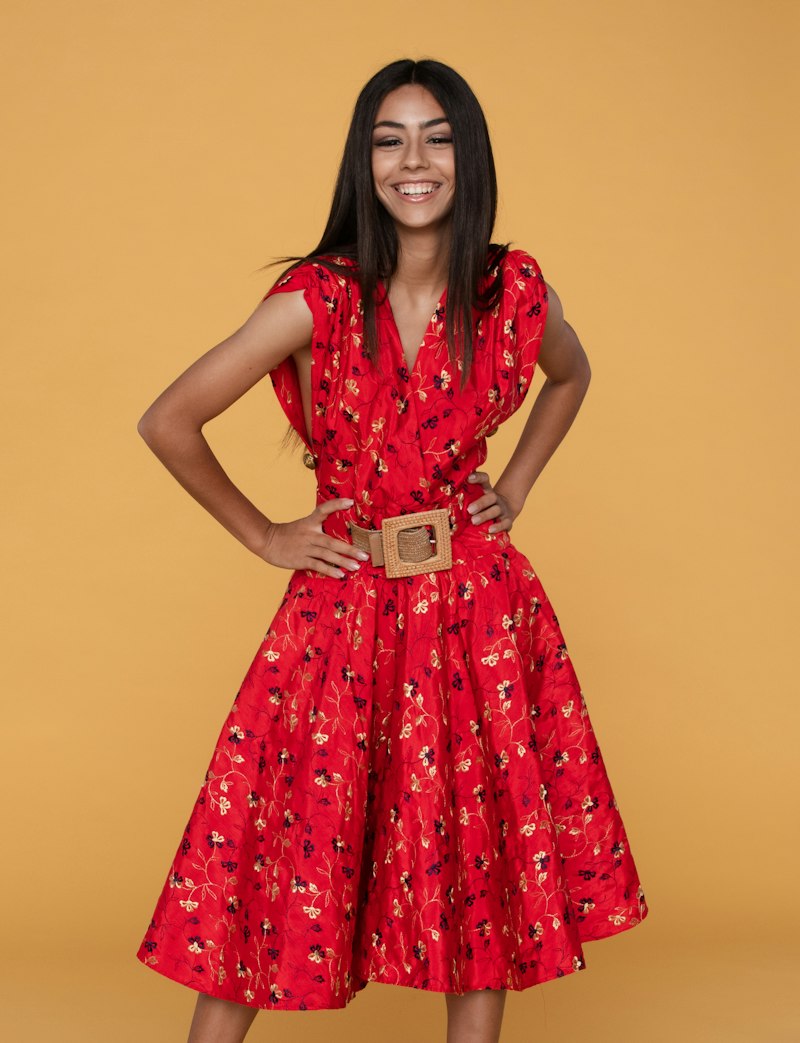
There’s something about an off shoulder dress that stops people mid-conversation. Not in a loud way—more like the kind of quiet pause where everyone suddenly notices what you’re wearing and realizes they’ve been underestimating the power of a well-placed collarbone. I’ve spent the past few summers testing every silhouette in my closet, and I keep coming back to this one. It’s not the trendiest, the flashiest, or the most avant-garde. But it is, without question, the most effective piece of clothing I own for making me feel like I’ve got my life together when I absolutely do not.
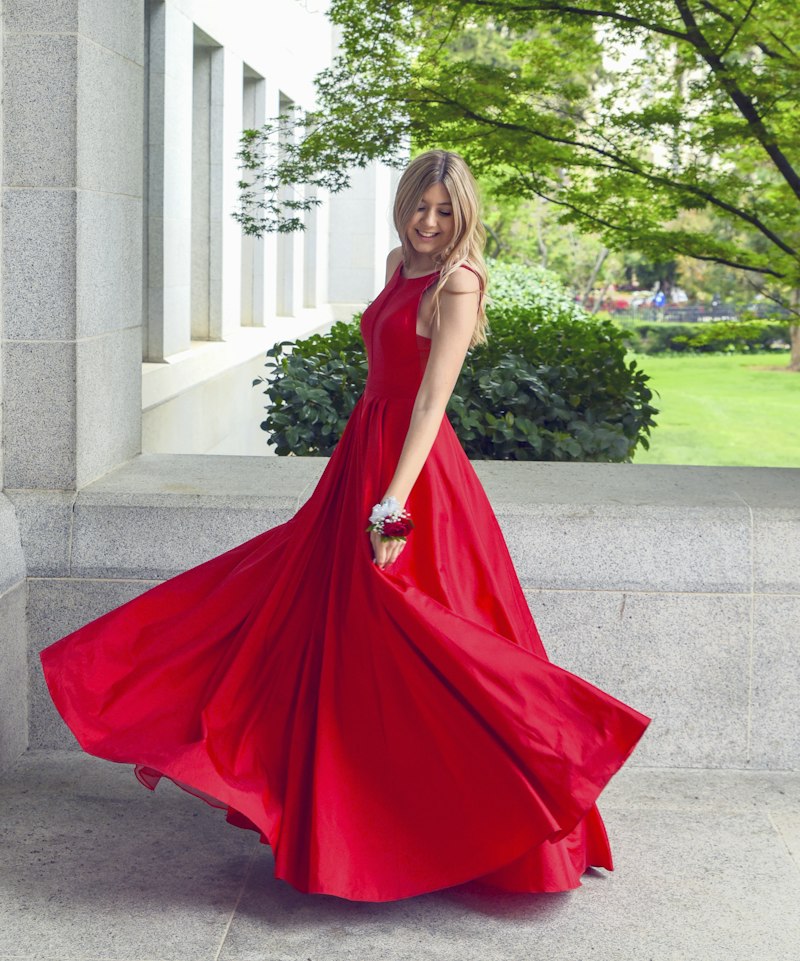
Why Off Shoulder Dresses Work Better Than Any Other Summer Silhouette
The genius of the off shoulder dress lies in what it reveals and what it hides. By exposing the shoulders and collarbone—two areas that tend to look toned on almost everyone—it creates an instant illusion of elegance without requiring you to bare your entire body. This is the same psychological trick that made off-shoulder tops a staple on red carpets since the 1950s, when Hollywood starlets like Audrey Hepburn and Grace Kelly popularized the bateau neckline that framed their shoulders like a jewelry display case. According to fashion historian Caroline Cox in her book “The Dictionary of Fashion History,” the off-shoulder silhouette dates back to the 18th century, when aristocratic women wore wide portrait necklines specifically designed to show off their shoulders at formal gatherings.
Unlike a strapless dress, which requires constant tugging and the kind of internal structural support that rivals a suspension bridge, the off shoulder dress stays put. The sleeves—whether short, long, or somewhere in between—anchor the garment to your actual body, meaning you can eat, dance, and gesticulate wildly without that moment of panic when you realize your dress is slowly migrating south. For women who have spent one too many evenings locked in a silent battle with a strapless bodice, this is not a minor advantage. It’s a lifestyle upgrade.
From a practical standpoint, the off shoulder dress also solves the summer dressing riddle that has confounded women for generations: how to look put-together without sweating through three layers of clothing. One piece, one zip, and you’re done. The exposed shoulders let your body breathe, while the covered torso provides enough structure that you don’t look like you’re wearing a nightgown to brunch. It’s the Goldilocks solution of warm-weather fashion—not too covered, not too bare, just right. Data from Pinterest’s 2025 trend report shows that searches for “off shoulder dress outfit” increased by 67% year over year, confirming that this silhouette is more than a passing fad.
The History of the Off Shoulder Silhouette: From Royal Courts to Summer Wardrobes
The off shoulder dress didn’t emerge from a fashion designer’s whimsy. Its roots stretch back to the portrait necklines of Georgian-era gowns, where women of means commissioned dresses that framed their shoulders the same way gilded frames surrounded their oil paintings. The message was clear: bare skin, when presented strategically, was a sign of status, not scandal. The Victoria and Albert Museum’s fashion archive notes that the off-shoulder neckline appeared in English portraiture as early as the 1760s, worn by women like Emma Hamilton, who famously posed with draped fabric artfully arranged around her shoulders.
The modern iteration of the off shoulder dress reached its first peak in the 1950s, when Christian Dior’s New Look collection popularized soft, rounded shoulders that contrasted sharply with the sharp, padded shapes of the 1940s. Hollywood embraced the trend immediately. In the 1953 film “Roman Holiday,” Audrey Hepburn’s character Princess Ann wears a simple off-shoulder evening dress that became one of the most copied looks of the decade. The message was revolutionary: shoulders could be sexy without being vulgar, elegant without being stiff.
The 1970s saw the off shoulder silhouette take on a more relaxed, bohemian quality. Designers like Yves Saint Laurent and Diane von Furstenberg reinterpreted the look for a generation that wanted the glamour of old Hollywood but with a casual, almost effortless attitude. Off-shoulder peasant blouses became festival staples, and the silhouette’s association with summer, freedom, and a certain kind of feminine confidence was cemented. By the 1990s, the off shoulder dress had become a red-carpet staple, worn by icons like Princess Diana, who chose an off-shoulder velvet gown for a 1995 state dinner, and Kate Moss, who turned the silhouette into a 90s cool-girl uniform.
How to Choose the Perfect Off Shoulder Dress for Your Body Type
The beauty of the off shoulder dress is its universality. Because the silhouette focuses attention on the shoulders and collarbone—areas that naturally have less fat and more definition—it creates a flattering frame for virtually every body shape. But certain details can make or break the look depending on your proportions.
For women with broader shoulders. If you’ve ever been told you have swimmer’s shoulders or an athletic upper body, the off shoulder dress can actually be your best friend. The horizontal line of the neckline creates a visual break that can actually minimize width. Look for styles with wider sleeves that sit slightly off the shoulder rather than tight elastic bands that cut across the arm. A dress with gathered or ruffled sleeves adds softness that balances broader shoulders without making them look bigger. A study from the Journal of Fashion Marketing and Management found that women with athletic builds reported higher body satisfaction when wearing off-shoulder necklines compared to crew necks or turtlenecks.
For women with smaller busts. The off shoulder dress was practically designed for smaller chests. Without the need for heavy structural support, these dresses can lay flat against the body in a way that looks intentional rather than apologetic. Styles with ruching across the bust, ruffled necklines, or elastic gathering add visual volume where you want it. If you’re looking for a specific recommendation, off shoulder dress outfit ideas for smaller frames often feature styles with statement sleeves or bold patterns that draw the eye upward.
For women with fuller busts. This is where the off shoulder dress truly shines—or fails, depending on the construction. The key is internal structure. Look for dresses with built-in boning, wide elastic bands that grip without digging, or a hidden shelf bra. Avoid styles that rely solely on a single thin elastic band to hold everything in place. Brands that use a combination of wide elastic and internal stay-put strips (the same technology used in strapless bras) tend to perform best. According to a 2024 survey by Who What Wear, 72% of women with D-cup or larger busts reported that a well-constructed off shoulder dress was more comfortable than a strapless alternative.
For pear-shaped or hourglass figures. The off shoulder dress draws the eye upward, which is ideal for balancing wider hips. A fitted bodice that flares into an A-line or full skirt creates a classic hourglass silhouette that’s both flattering and forgiving. Wrap-style off shoulder dresses are particularly effective because they allow you to adjust the fit at both the bust and waist.
Five Ways to Style an Off Shoulder Dress for Any Occasion
The off shoulder dress’s greatest strength is its versatility. With the right accessories and layering, it can take you from a beachside brunch to an evening wedding without missing a beat.
1. The Casual Coffee Run. Throw on a pair of white sneakers—yes, even with a floral off shoulder dress—and add a woven straw bag. The juxtaposition of the dressy silhouette with casual footwear creates that “I just threw this together” look that actually takes considerable effort to achieve. A denim jacket tied around the waist adds texture and gives you something to pull up when the air conditioning hits.
2. The Summer Date Night. Swap the sneakers for strappy sandals with a slight heel (block heels work better than stilettos, which can look too formal). Add delicate gold jewelry—a thin chain necklace that sits just above the dress’s neckline, small hoop earrings, and a simple bracelet. The key is to let the dress’s shoulder-baring element do the heavy lifting. You don’t need a statement necklace when your collarbone is already doing the talking.
3. The Office (with modification). Yes, you can wear an off shoulder dress to work. Layer a tailored blazer over it and push the blazer sleeves up to your elbows. When you’re at your desk, the blazer keeps things professional; when you step out for lunch or after-work drinks, shrug it off and you’ve got a completely different look. Choose darker colors and more structured fabrics (cotton blends or ponte knits) for a work-appropriate vibe.
4. The Beach-to-Bar Transition. An off shoulder dress in a lightweight fabric like linen or cotton voile is the ultimate vacation one-piece. Wear it over your swimsuit during the day with flat sandals. Come evening, add wedge espadrilles, switch your tote for a clutch, and swap your sunhat for statement earrings. You’ve just transitioned from beach bum to dinner-ready in under sixty seconds.
5. The Formal Event. For weddings, galas, or any event with a dress code that says “elevated,” choose an off shoulder dress in a luxe fabric like satin, velvet, or crepe. Add heeled pumps, a clutch, and drop earrings. The off shoulder neckline provides enough drama that you don’t need a plunging neckline or a thigh-high slit to stand out. Celebrity stylist Rachel Zoe told Harper’s Bazaar that “the off shoulder dress is the red-carpet equivalent of the little black dress—it’s timeless, flattering, and always appropriate.”
Fabric Matters: Choosing the Right Material for Your Off Shoulder Dress
Not all off shoulder dresses are created equal, and a huge factor in how well a dress performs comes down to fabric choice. The wrong fabric can turn a stunning silhouette into a constant-tugging nightmare.
Cotton and cotton blends are the most reliable choice for everyday off shoulder dresses. They breathe well, hold their shape, and the natural fiber’s grip helps keep the sleeves in place on your shoulders. A cotton off shoulder dress with a bit of elastane (around 5-8%) offers the best balance of comfort and staying power. According to textile expert Dr. Kate Greenwood, cotton’s natural friction coefficient is higher than synthetic fibers, which means it physically stays on your shoulders better.
Linen is ideal for hot summer days but requires careful construction. Pure linen has minimal stretch and can sag at the shoulder seam after a few hours of wear. Look for linen blended with a small percentage of viscose or elastane, which adds the flexibility needed to keep the dress in place. A linen off shoulder dress with a drawstring or elastic casing at the shoulder seam is more likely to stay put than one with a fixed seam.
Satin and silk are treacherous for off shoulder dresses. They’re gorgeous, but they slip. If you’re buying a silk or satin off shoulder dress, look for one with internal silicone grip strips (the same ones used in strapless bras) sewn into the shoulder band. Without this feature, you’ll spend the entire event engaged in a silent wrestling match with your own clothing. Fashion designer Carolina Herrera once remarked that “a satin off-shoulder dress requires the wearer to accept a certain level of gravitational negotiation.”
Knit and jersey fabrics offer the best staying power for off shoulder dresses. Their natural stretch and grip mean they conform to your body and stay where you put them. A ribbed knit off shoulder dress is practically glued to your shoulders by physics alone. The downside is that heavier knits can look too casual for formal events, so reserve these for daytime and casual evening wear.
Accessorizing Your Off Shoulder Dress: What Works and What Doesn’t
The off shoulder dress creates a unique canvas for accessories because it eliminates the neckline area where necklaces typically sit. This requires a strategic rethink of your usual accessorizing habits.
Necklaces: Skip them. A necklace on an off shoulder dress creates visual clutter and competes with the bare-shoulder effect. If you absolutely must add something to your neck area, choose a thin, delicate choker that sits high on the neck, well above the dress’s neckline. Better yet, redirect your jewelry budget to earrings.
Earrings: This is where you invest. With no necklace competing for attention, statement earrings become the focal point of your upper body. Drop earrings, hoop earrings, and chandelier styles all work beautifully with off shoulder dresses. The key is to choose earrings that frame your face without drawing attention away from your shoulders. Pearl studs for daytime, crystal drops for evening—the options are endless.
Bags: Crossbody bags can be tricky with off shoulder dresses because the strap cuts across the bare shoulder, disrupting the visual line. Clutches, wristlets, and hand-held bags are better choices. If you need a crossbody for practical reasons, choose one with a thin chain strap and wear it messenger-style across your body rather than over one shoulder.
Shoes: The off shoulder dress pairs well with almost any shoe, which is part of its appeal. Sneakers for casual looks, sandals for summer, pumps for evening, ankle boots for fall—the dress adapts to the footwear rather than the other way around. The one exception is knee-high boots, which can create a disjointed line when paired with a dress that exposes the shoulders. Ankle boots or booties work fine; knee-highs create too many competing horizontal lines.
Common Off Shoulder Dress Mistakes and How to Avoid Them
After wearing off shoulder dresses through three summers, countless events, and more than a few wardrobe malfunctions, here are the mistakes I see most often—and how to avoid them.
Mistake 1: Wearing the wrong bra. This is the number one complaint about off shoulder dresses, and it’s almost always a bra problem, not a dress problem. A standard bra with straps will show, and a strapless bra that doesn’t fit properly will create a visible ridge. The solution: invest in a properly fitted strapless bra, or better yet, choose an off shoulder dress with built-in support. Many modern off shoulder dresses include internal shelf bras, silicone grip strips, or even underwire cups. If your dress doesn’t have these features, seamless adhesive bras or silicone nipple covers are more reliable than traditional strapless bras under this specific silhouette.
Mistake 2: Over-accessorizing. The off shoulder dress is inherently dramatic. Adding a statement necklace, bold earrings, a chunky bracelet, AND a printed bag creates visual overload. Pick one accent piece—earrings, a clutch, or a shoe—and let everything else recede. The shoulders are doing the work; don’t make them compete.
Mistake 3: Choosing the wrong size. Off shoulder dresses fit differently than standard dresses. The critical measurement isn’t your bust or waist—it’s the circumference of your upper arm at the point where the sleeve sits. If the arm opening is too tight, the dress will ride up; too loose, and it will slide down. When shopping online, pay close attention to the armhole measurement, not just the standard size chart. When in doubt, size up—a slightly loose off shoulder dress can be taken in at the waist, but a too-tight armhole is unfixable.
Mistake 4: Ignoring the occasion. An off shoulder dress in white cotton eyelet is perfect for a beach wedding; the same silhouette in black satin is too intense for a casual Sunday brunch. The silhouette is versatile, but the fabric and color determine its appropriateness for any given event. Match the material to the occasion, not just the shape.
Where to Find the Best Off Shoulder Dresses in 2026
The off shoulder dress is having a major moment in 2026, and retailers have responded with an unprecedented range of options at every price point. For budget-conscious shoppers, stores like Zara and Mango consistently offer on-trend off shoulder styles in seasonal fabrics. The mid-range market is particularly strong, with brands like & Other Stories, Reformation, and Self-Portrait offering well-constructed options that balance quality and affordability.
For those willing to invest in a wardrobe staple, designers like Ganni, Staud, and A.L.C. have made the off shoulder dress a recurring element in their collections, often using innovative fabrics and construction techniques that solve the common fit issues. The investment piece approach makes sense: a well-made off shoulder dress in a neutral color can serve as the foundation for dozens of outfits across multiple seasons.
For the vintage-inclined, thrift stores and vintage shops are treasure troves of off shoulder dresses from the 1970s and 1990s, two decades when the silhouette was particularly popular. Look for labels like Gunne Sax for romantic 1970s styles or early Donna Karan for 1990s minimalist takes. A 2025 report by ThredUp found that “off shoulder dress vintage” searches increased by 89% compared to the previous year, reflecting growing interest in pre-owned fashion.
Final Thoughts: Why the Off Shoulder Dress Deserves a Permanent Place in Your Closet
I’ve been wearing off shoulder dresses for the better part of a decade now, and I’ve never found another silhouette that delivers the same ratio of effort to payoff. It takes about ten seconds to put on, requires no special undergarments if chosen wisely, and makes me look like I’ve made an effort even on days when my main accomplishment was finding matching socks. The off shoulder dress is proof that fashion doesn’t have to be complicated to be effective. Sometimes the best thing you can wear is the thing that makes you feel like yourself—just with better posture and more visible collarbones.