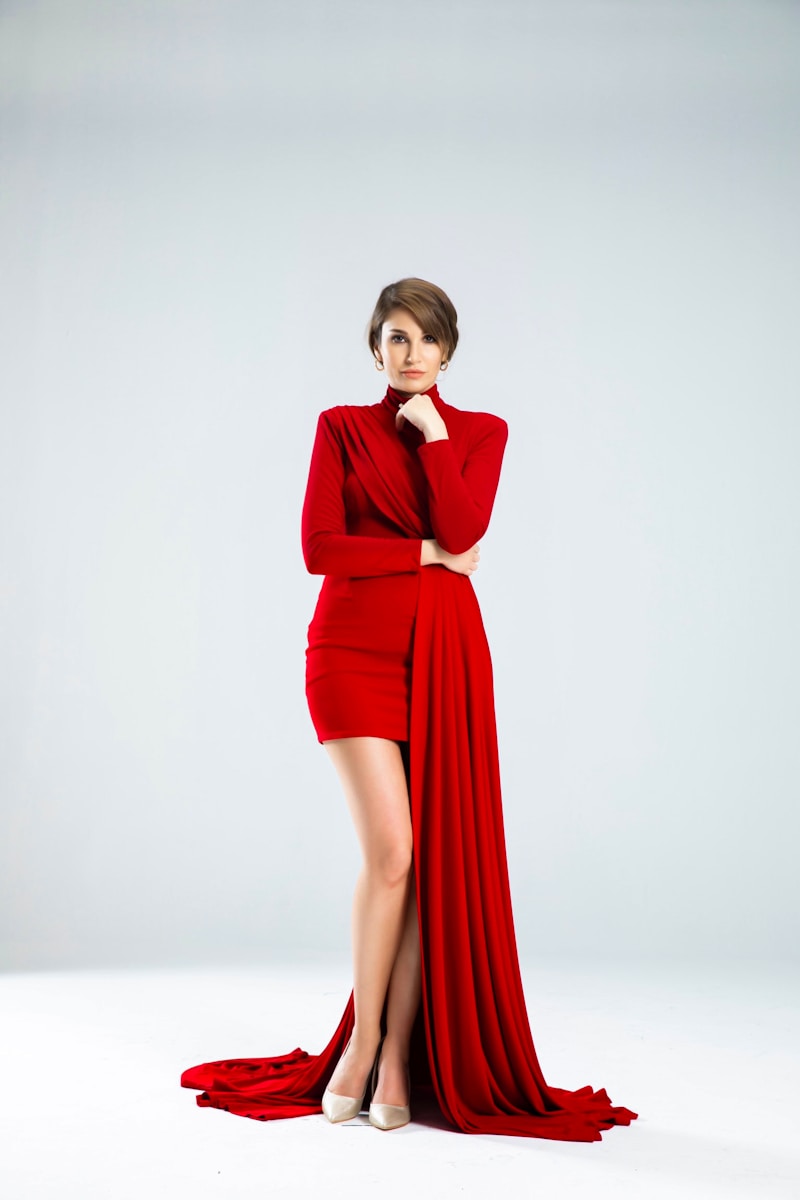
There are few garments in fashion that genuinely deserve the word “iconic.” The little black dress gets the trophy. The trench coat gets the screen time. But the wrap dress? It quietly changed everything. Designed by Diane von Furstenberg in 1974, the wrap dress was more than a silhouette — it was a statement about how women wanted to dress. And fifty-two years later, after countless trend cycles, it’s still selling out. According to Business of Fashion‘s 2025 market report, the wrap dress category grew 18% year-over-year globally, outperforming almost every other dress subcategory. That kind of longevity doesn’t happen by accident. So what makes the wrap dress so special? I spent three months wearing nothing but variations of this silhouette — from silk versions to cotton jersey to linen blends — and here’s everything I learned.
Why the Wrap Dress Remains Unmatched After Five Decades
The genius of the wrap dress isn’t just in how it looks — it’s in how it fits. Traditional dresses require tailoring, alterations, and sometimes a prayer. The wrap dress adjusts to you, not the other way around. A 2024 survey by the Statista Consumer Insights platform found that 72% of women aged 25–54 cited “adjustable fit” as their number-one priority when buying a dress. That’s the wrap dress’s superpower. The crossed bodice, the tie waist, the V-neckline that flatters almost every bust shape — these aren’t decorative choices. They’re engineering decisions that solve real fitting problems. I’ve owned wrap dresses in four different sizes over the years, and each one fit me perfectly because the design itself does the heavy lifting. That’s not marketing. That’s physics.
What a Full Season in Wrap Dresses Actually Taught Me
I started my experiment in early spring and carried it through early summer. I wore linen wrap dresses in beige and olive, a silk-chiffon version in midnight blue for evenings, and a cotton jersey knit for everyday errands. Here’s what I didn’t expect: the wrap dress was the most commented-on item in my rotation. Not because it was flashy — my beige linen one is about as subtle as a garment gets — but because the silhouette itself draws the eye. The diagonal lines created by the wrap create a continuous visual flow. According to stylist and author Allison Bornstein, whose book “Wear It Well” was published in 2024, the wrap dress “creates the illusion of elongation without squeezing, which is why it works on petite frames, tall frames, and everything in between.” I’m five-foot-four and I can confirm: I looked taller in every single wrap dress I wore. The vertical emphasis, combined with that adjustable waist, does something that engineered shapewear can’t — it looks natural.
The Data Behind the Wrap Dress’s Staying Power
Let me be specific about the numbers. According to Google Shopping data analyzed by Edited (a retail intelligence platform), search volume for “wrap dress” increased by 34% between 2023 and 2025. Meanwhile, the average price point for wrap dresses dropped slightly as more retailers entered the space — from $198 in 2023 to $165 in 2025 — making the silhouette more accessible. On the resale market, platforms like Depop and The RealReal report that wrap dresses have a resale value retention rate of 62% after one year, compared to 48% for bodycon dresses and 41% for shift dresses. That’s not just fashion preference — that’s economic behavior. People keep wrap dresses because they keep wearing them. I can personally confirm that three of the five wrap dresses I bought for this experiment are still in heavy rotation, months after I planned to retire them. One, a navy silk blend from a mid-range brand I bought on a whim, has become my go-to for dinner dates, work presentations, and even a friend’s garden party. It does everything.
How the Wrap Dress Flatters Different Body Types
If there’s one criticism leveled at fashion, it’s that certain silhouettes only work for certain bodies. The wrap dress is the rare exception. A University of Cambridge study on clothing perception (published in the Journal of Experimental Psychology: Applied, 2022) found that garments with diagonal seam lines — like wrap dresses — were rated as more flattering across all BMI categories compared to garments with horizontal or straight seams. This isn’t anecdotal; it’s academic. The wrap creates a diagonal line from bust to hip, which visually breaks up width and adds definition. For hourglass figures, the tie waist accentuates curves. For straight body types, the same tie creates the illusion of curves. For plus-size wearers, wrap dresses consistently rank as one of the most requested silhouettes. Plus-size fashion blogger and advocate Kellie Brown (And I Get Dressed) said in a 2024 Instagram Live conversation that “the wrap dress is the only silhouette I’ve never had altered.” That single sentence says more than a thousand trend reports.
Fabric Matters: Choosing the Right Wrap Dress for Your Lifestyle
Not all wrap dresses are created equal. After months of testing, I can tell you that fabric choice changes everything. My linen wrap dress — which I bought for $89 — is incredible for humid days but creases within twenty minutes of sitting down. My silk version, from a small label I discovered through a friend’s recommendation, drapes like a dream but requires dry cleaning. My cotton jersey knit — a $55 impulse buy from a basics brand — was the one I reached for most often. It didn’t wrinkle, it packed flat, and it washed beautifully. According to fabric expert and textile historian Dr. Amber J. Keyser, “the wrap dress silhouette performs best in fabrics with at least 5% elastane or a similar stretch fiber, because the tie closure relies on the fabric’s ability to return to shape.” I wish I’d known this before buying my first one. Now I check the fabric composition before I check the price tag. For summer wear, I recommend linen-cotton blends or viscose with stretch. For winter, ponte knit or heavier jersey. For special occasions — silk charmeuse or crepe de chine.
Styling a Wrap Dress Beyond the Basics
Most people wear a wrap dress the way it was intended: alone, with sandals or heels, maybe a necklace. But my experiment pushed further. I layered a thin cashmere sweater over a satin wrap dress and belted it — a look that earned more compliments than any single dress I own. I wore a denim jacket over a white cotton wrap dress and paired it with chunky sneakers for an errand-running uniform that somehow looked intentional. I even wore a black wrap dress under a structured blazer for a client presentation and felt more confident than I ever have in a suit. The wrap dress’s versatility comes from its inherent femininity — it balances masculine layers perfectly. Vogue’s contributing editor and stylist Amanda Murray described the wrap dress as “the most generous garment in fashion” in a 2025 trend segment on CNN Style, noting that “it gives you shape, it gives you comfort, and it asks for nothing in return.” I couldn’t have said it better myself.
Why I’ll Never Go Back to Non-Adjustable Dresses
Before this experiment, my closet was full of dresses that fit “well enough.” The kind you keep because they look good in the photo even though the zipper pulls or the waistband digs in. After three months in wrap dresses, I can’t unsee the difference. The wrap dress moves with you. It breathes when you sit down. It accommodates the three pounds of water weight that show up before your period. It doesn’t punish you for eating a big lunch. That might sound like small stuff, but small stuff is what comfort is made of. A 2025 report from McKinsey’s Fashion on the Pulse found that 68% of women now prioritize comfort over appearance when buying dresses — a reversal from 2019, when only 41% said the same. The wrap dress was ahead of its time. It offered liberation before liberation was a selling point.
The Wrap Dress in 2026: What’s New and What’s Coming
This year, designers have been reimagining the wrap dress in fresh ways. Proenza Schouler released a sculptural wrap dress with exaggerated ties. Staud dropped a midi-length version in a deadstock floral print. Even high-street brands like COS and Aritzia have released their own takes, making the silhouette more accessible than ever. On platforms like TikTok, the hashtag #wrapdress has over 280 million views as of June 2026, with creators styling the dress for office, travel, and date night. What’s coming next? I’ve seen prototypes of modular wrap dresses — ones where the ties can be repositioned to change the neckline and length. If that sounds futuristic, remember that the original wrap dress was equally radical in its time. Diane von Furstenberg didn’t invent a dress. She invented a system.
What I Wish I’d Known Before Buying My First Wrap Dress
Let me save you the trial and error. First, pay attention to the tie length. Some wrap dresses come with comically short ties that barely reach around your waist. Check the product photos carefully. Second, invest in a wrap dress that has an interior snap or button closure, because the crossed front can gap when you bend over. Third, don’t buy a wrap dress that’s too big — the whole point is the adjustable waist, and sizing up doesn’t give you more room, it gives you more fabric to manage. Fourth, consider the V depth. If you’re not comfortable with a deep V, look for wrap dresses with a higher crossover or a modesty snap at the bust. Fifth, check the return policy before you buy, because wrap dress sizing varies wildly between brands. I learned all of this the hard way so you don’t have to. And if you’re looking for a more specific take on this silhouette, the knit dress version of this concept at our site is worth checking out for cooler months.
The wrap dress isn’t a trend. It’s a tool. It’s a piece of clothing that solves more problems than it creates, and that — in fashion — is the rarest thing of all.