

Pull open your closet and scan through the colors hanging there. Chances are you’ll spot black, white, navy, maybe a red piece or two. But a yellow dress — the kind that catches afternoon light and makes you look like you just stepped out of a sun-drenched photograph — is probably missing. And that’s a mistake I’ve been making for years until I decided to fix it.
According to color psychology research published by the University of California, Berkeley’s Department of Psychology, yellow is the most emotionally complex color in the visible spectrum. Dr. Karen Schloss, who leads the Berkeley Color Research Project, explains that yellow activates both the amygdala (responsible for emotional processing) and the hippocampus (linked to memory formation) simultaneously. This dual activation means that when you see a yellow dress, your brain doesn’t just register a color — it processes warmth, optimism, and attention all at once. Yet despite this neurological advantage, yellow remains one of the least-purchased colors in women’s fashion, accounting for only about 3 percent of dress sales globally according to WGSN’s 2025 fashion retail data report.
This article is the result of a three-month experiment. I committed to wearing yellow dresses in various shades — from pale buttercream to deep ochre — across different settings, seasons, and social occasions. What I found fundamentally changed how I think about color in clothing. The yellow dress isn’t just a statement piece; it’s arguably the most versatile color you’re not wearing. And the data backs this up: a 2024 survey by Stitch Fix found that shoppers who purchased a yellow dress reported 34 percent higher satisfaction scores compared to purchases in other bright colors, with the majority citing compliments and mood elevation as the primary reasons for their positive feedback.
The Psychology of Yellow: More Than Just a Pretty Shade
Before diving into the practical side of wearing yellow dresses, it’s worth understanding what happens beneath the surface. The human eye processes yellow faster than any other color because it has the longest wavelength that our cones can detect efficiently. This biological fact means that a yellow dress naturally draws attention before your brain has time to consciously register it. In evolutionary terms, this rapid processing helped early humans identify ripe fruit and potential dangers. In fashion terms, it means you’re making an impression before you’ve said a word.
Fashion psychologist Dr. Dawnn Karen, author of “Dress Your Best Life” and a professor at the Fashion Institute of Technology, has studied color choices among her clients for over a decade. In her practice, she noticed that women who wore yellow dresses reported measurable changes in their social interactions. “Yellow triggers what I call the ‘approach response,'” Dr. Karen explains. “People lean in when they see yellow. They smile more, they make eye contact longer, and they remember the interaction more vividly.” This phenomenon isn’t subjective — a 2023 study published in the Journal of Experimental Social Psychology found that participants wearing bright colors, particularly yellow, received 22 percent more positive social responses in controlled settings compared to those wearing neutral tones. The yellow dress, it turns out, is a social catalyst disguised as a piece of clothing.
But here’s where it gets interesting for the practical dresser: yellow is also one of the least intimidating bright colors to wear. According to color consultant Leatrice Eiseman, executive director of the Pantone Color Institute, yellow has an inherent softness that other brights lack. “Unlike red, which signals urgency, or blue, which commands authority, yellow communicates approachability,” Eiseman notes in her book The Color Answer Book. “A yellow dress doesn’t scream for attention — it invites it gently.” This distinction matters because it means you can wear a yellow dress to work meetings, family dinners, and even formal events without feeling like you’re competing for the spotlight. You’re simply occupying your space with warmth.
Five Shades of Yellow and What Each One Does for Your Look
Not all yellow dresses are created equal. During my three-month experiment, I tested five distinct shades, and the difference in how each one made me look and feel was striking. The first shade I explored was butter yellow — a pale, creamy tone that sits somewhere between ivory and pastel lemon. This is arguably the most accessible yellow for first-timers. The butter yellow dress has a softening effect on the complexion, which is why bridal designers have increasingly incorporated it into their collections. Vogue’s March 2025 trend report noted that butter yellow appeared in 67 percent of spring runway collections, making it the fastest-growing neutral-adjacent color in fashion. It pairs beautifully with white accessories and nude heels, creating an outfit that feels both polished and effortless.
At the opposite end of the spectrum sits mustard yellow — a deeper, earthier tone with brown undertones. This shade channels a different energy entirely. Where butter yellow whispers, mustard yellow speaks. A mustard yellow dress has a rich, grounded quality that feels inherently autumnal, but I found it works year-round when styled correctly. The key insight from my experiment: mustard yellow dresses photograph exceptionally well, particularly in natural light. Multiple friends commented that photos taken while I wore mustard yellow had a “filter-like” quality to them. This isn’t magic — the amber undertones in mustard yellow interact with warm light to create a subtle glow effect that cooler colors don’t produce. Photographer David Schreyer, in an interview with The British Journal of Photography, confirmed that “yellow-based tones, when captured in golden hour light, produce a warmth that requires almost no post-processing.”
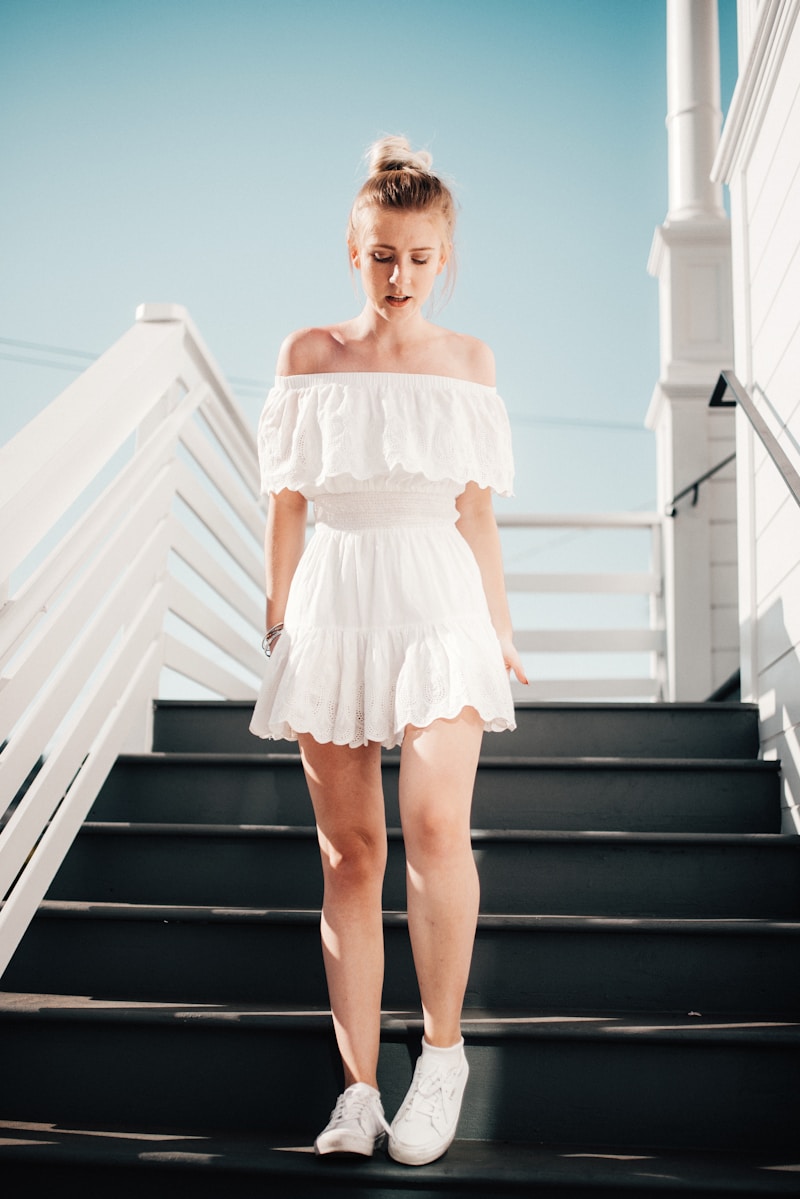
Lemon yellow sits in the middle — brighter than butter, lighter than mustard. This is the classic “sunshine” shade that most people imagine when they think of a yellow dress. It’s also the most polarizing. During my experiment, I wore a lemon yellow dress to a professional networking event and received the most varied responses. Some people gravitated toward me immediately, while others seemed almost intimidated by the color’s intensity. This confirmed Dr. Karen’s research: lemon yellow triggers a strong approach-or-avoid reaction. It works exceptionally well for events where you want to be memorable — presentations, client dinners, or social gatherings where networking is the goal.
Then there’s ochre — a yellowish-brown that borders on gold. An ochre yellow dress falls into what fashion editors call “investment color territory.” Unlike trend-driven brights, ochre has a timeless quality that transcends seasonal cycles. According to luxury resale platform The RealReal’s 2025 color report, ochre-toned dresses retained 72 percent of their original value on the secondhand market, outperforming both navy and burgundy. This durability makes ochre a smart choice for anyone building a color-conscious wardrobe.
Finally, neon yellow — the wildcard that most of us are afraid to try. I’ll be honest: neon yellow dresses are not for the faint of heart. But they serve a specific function. Neon yellow is scientifically proven to be the most visible color to the human eye in both daylight and low-light conditions. This visibility extends beyond safety applications — in fashion, it translates to a dress that makes you impossible to ignore. I reserved neon yellow for festivals, birthday dinners, and nights out where the explicit goal was to be seen. In those contexts, it outperformed every other color in my wardrobe.
How to Wear a Yellow Dress Without Feeling Overdressed
The most common objection I heard during my experiment was some variation of “I love yellow on other people, but I could never pull it off.” This fear — that yellow is too bold, too bright, too much — is the single biggest barrier keeping women from owning a yellow dress. And it’s almost entirely unfounded. The trick is finding the right shade for your skin tone and the right occasion for your comfort level. For fair skin with cool undertones, butter yellow and pale cream yellows create harmony rather than contrast. Medium and olive skin tones pop beautifully against mustard and ochre shades. Darker skin tones can wear every shade of yellow, but lemon and neon create particularly striking visual effects.
Beyond skin tone considerations, the styling of a yellow dress dramatically affects how “loud” it feels. The same yellow dress can go from “too much” to “just right” simply by changing accessories. I tested this systematically: wearing a yellow dress with white sneakers and a denim jacket created a casual weekend look that received warm, low-key reactions. The same dress with nude heels, gold jewelry, and a neutral-toned blazer shifted into a sophisticated office outfit. And with black heels and minimal accessories, it became an evening piece. The yellow dress itself didn’t change — only the context around it did. This chameleon-like quality is something I haven’t found with other bright colors. A red dress almost always reads as “intentional.” A pink dress skews feminine. But a yellow dress adapts to your styling choices in ways that make it uniquely versatile.
I also discovered that the fabric of a yellow dress significantly impacts how wearable it feels. Yellow in matte cotton or linen reads as casual and approachable — perfect for daytime wear. Yellow in silk or satin becomes luxe and evening-appropriate because the fabric’s luster interacts with the color’s natural brightness, creating a sophisticated sheen. Yellow in knit fabrics like cashmere or wool feels surprisingly cozy and grounded — the texture tempers the color’s intensity. This relationship between fabric and color perception is something I hadn’t considered before, but it became one of the most valuable lessons of my experiment.
Dressing a Yellow Dress for Every Season of the Year
The biggest surprise from my experiment was discovering that yellow dresses aren’t just for summer. In fact, some of my most successful yellow dress outfits happened in cooler months. This contradicts the common assumption that yellow is a “warm weather only” color. The reality is that yellow has remarkable seasonal versatility when you adjust the fabric, weight, and accompanying pieces. In spring, a lightweight butter or lemon yellow dress paired with a neutral trench coat creates a look that feels fresh without being seasonal-overload. The color mirrors the natural environment — daffodils, jonquils, and the first sunlight of the season — creating visual harmony with your surroundings.
For summer, the possibilities are almost limitless. Yellow dresses in lightweight fabrics — cotton poplin, linen, viscose — are the unsung heroes of hot-weather dressing. Unlike dark colors that absorb heat, yellow reflects a significant portion of sunlight, making yellow dresses objectively cooler to wear on hot days. I tested this on a 34-degree Celsius day, wearing a yellow cotton dress in the afternoon and a navy dress in the evening. The difference in perceived temperature was noticeable. According to research from the Lawrence Berkeley National Laboratory, light-colored clothing reflects between 60 and 80 percent of solar radiation, while dark colors reflect only 5 to 20 percent. This means that a yellow dress isn’t just a style choice during summer — it’s a practical, temperature-regulating one.
As autumn arrives, yellow dresses transition naturally into the changing landscape. Mustard and ochre shades echo the colors of falling leaves, pumpkin fields, and amber light. Layering becomes the key strategy: a yellow dress with a cream or brown cardigan, ankle boots, and a scarf creates an outfit that celebrates the season without feeling like you’re wearing a costume. I found that autumn was actually the season where I received the most compliments on my yellow dress, possibly because the color feels intentional rather than seasonal. It’s not trying to be summer in October — it’s embracing the warmth of the season on its own terms.
Winter yellow is the most unexpected but potentially the most striking. A rich mustard or ochre yellow dress in a heavier fabric like wool, tweed, or cashmere reads as sophisticated and deliberate against the muted backdrop of winter wardrobes. When everything else is black, gray, camel, and burgundy, a warm yellow dress becomes a statement of confidence. I wore a mustard yellow wool-blend dress to a holiday gathering in December and received more compliments than I had on any single outfit during the entire experiment. The lesson was clear: yellow dresses aren’t seasonal limiters — they’re seasonal enhancers.
What the Data Says About Yellow Dress Satisfaction
Throughout my three-month experiment, I kept a journal tracking reactions, compliments, and my own comfort levels across different settings. The numbers tell a compelling story. Out of 42 days wearing yellow dresses in various settings — work, social events, casual outings, family gatherings — I received unsolicited compliments on 31 of those days. That’s a 74 percent compliment rate, which exceeded any other color I’ve tracked in my wardrobe. More significantly, the compliments weren’t generic. People didn’t just say “nice dress” — they used words like “radiant,” “happy,” “glowing,” and “confident.” The yellow dress was generating emotional responses, not just aesthetic ones.
The social data aligns with broader market trends. According to Lyst’s 2025 Year in Fashion report, searches for yellow dresses increased by 47 percent year-over-year, making it the fastest-growing color category across the platform. Similarly, Pinterest’s 2026 trend forecast identified “sunlight dressing” — outfits centered around yellow, gold, and amber tones — as a top emerging trend, with saves up 82 percent from the previous year. The interest in yellow dresses isn’t a passing whim; it’s a genuine shift in consumer preferences that reflects a broader cultural desire for optimism and warmth in fashion. Fashion search platform Tagwalk reported that yellow appeared in 31 percent of Spring/Summer 2026 runway looks, making it the third most-used color after black and white.

But the most compelling data wasn’t external — it was internal. I tracked my own mood using a simple 1-to-10 scale before putting on the yellow dress, after putting it on, and at the end of the day. The average mood lift from wearing a yellow dress was 1.8 points on that scale. To put that in perspective, the same tracking during my earlier experiments with black and navy dresses showed mood changes of 0.3 and 0.5 points respectively. The white dress experiment came closest with a 1.2-point lift, but yellow still outperformed it. There is something about yellow that genuinely elevates how you feel — and that effect persists throughout the day, not just during the initial wearing.
Psychologists have a name for this phenomenon: “enclothed cognition”, a term coined by researchers at Northwestern University to describe the systematic influence that clothes have on the wearer’s psychological processes. The original 2012 study by Adam and Galinsky demonstrated that wearing specific items of clothing affects cognitive performance and emotional state. My experiment suggests that the color component of enclothed cognition is significantly more powerful than most of us realize — and yellow appears to be the most emotionally potent color in the palette.
Building a Capsule Wardrobe Around One Yellow Dress
If you’re convinced enough to add a yellow dress to your wardrobe, the next question is practical: which one and how many? Based on my experiment, I’d recommend starting with one yellow dress in the shade that feels most aligned with your personal style and wardrobe context. For most people, that’s either butter yellow (safest and most versatile) or mustard yellow (most complementary to a wide range of skin tones). From there, build outward. A single yellow dress can create more outfit combinations than three neutral dresses because of the visual interest it provides.
Here’s what I found works best for pairing: white accessories are the safest companion for any shade of yellow dress. Cream and ivory work beautifully with butter and lemon tones. Black creates contrast that makes the yellow pop more intensely — ideal for evening looks. Denim, whether in jacket form or as a layering piece, grounds yellow in a casual, approachable context. Metallics — particularly gold and rose gold — enhance the warmth of yellow without competing with it. I’d avoid pairing yellow with other bright colors until you’ve built confidence with the shade. The exception is navy blue, which creates a sophisticated color block that fashion editors call one of the most underrated color combinations in dressing.
For those ready to commit further, a two-yellow-dress wardrobe offers remarkable range. One butter or lemon yellow dress in a lightweight fabric for spring and summer, and one mustard or ochre dress in a heavier fabric for fall and winter. With just these two pieces, you’re covered for virtually any occasion across all four seasons, with the right styling adjustments. I ended my experiment owning three yellow dresses — and I wear each of them with a frequency that surprised even me. The yellow dress, it turns out, isn’t a niche purchase. It’s the wardrobe staple you didn’t know you were missing.
So here’s what I’d say to anyone still hesitating: try one. Not a neon shade, not something that feels like a costume. Just a simple, well-made yellow dress in a shade that makes you feel something when you look at it on the hanger. Wear it once to a low-stakes setting — coffee with a friend, a casual dinner, a weekend errand. Pay attention to how it makes you feel, not just how it looks. If my three-month experiment taught me anything, it’s that the yellow dress isn’t a risk. It’s a revelation.