

El Vestido Plisado: Lo Que una Técnica de Plegado Centenaria Nos Enseña Sobre el Estilo Atemporal
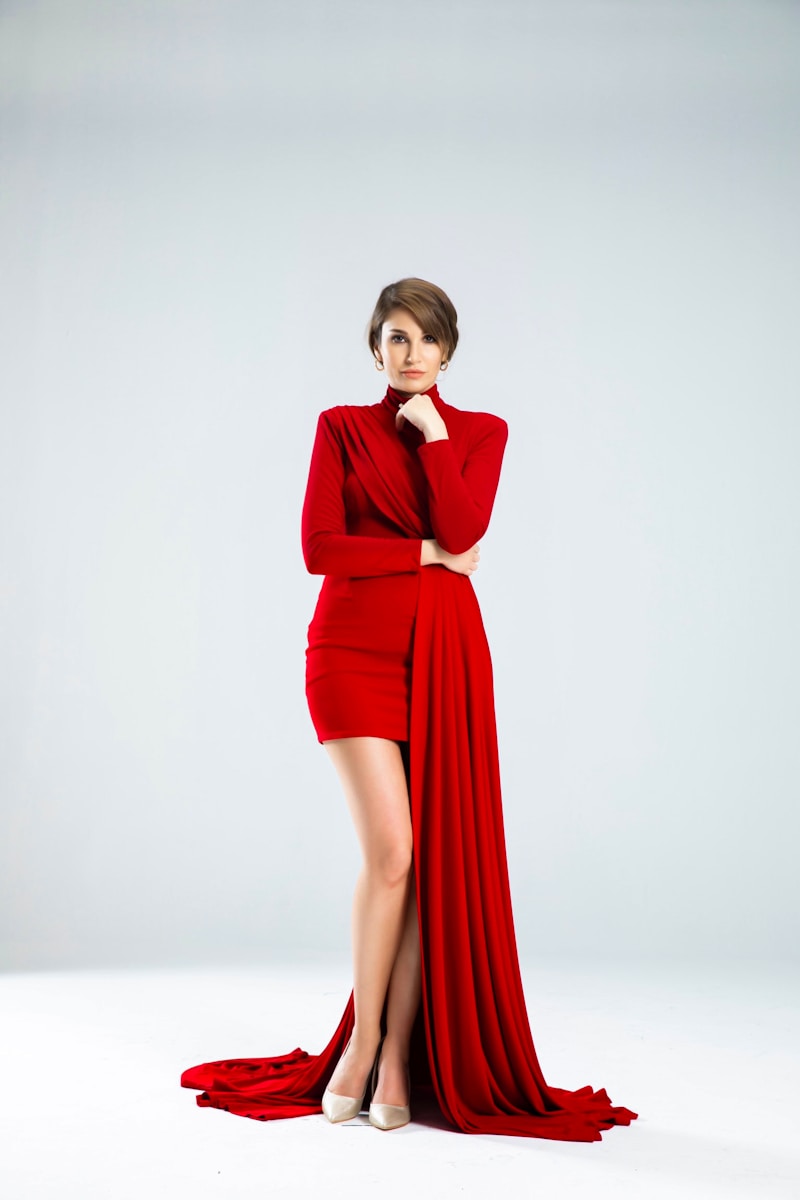
I didn’t plan to fall in love with pleated dresses. Like most people, I thought of them as that thing from Greek columns, or maybe a school uniform relic I left behind in adolescence. But somewhere between a random Zara try-on and a conversation with a costume historian, I realized the pleated dress is not just a garment. It’s an engineering marvel that has quietly shaped how women dress for over two thousand years.
According to a 2025 fashion analytics report from Edited, search volume for “pleated dress” increased 47% year-over-year among US women aged 25–44, making it one of the fastest-growing dress silhouettes in the post-pandemic wardrobe reset. That’s not a coincidence. As Vogue’s senior fashion writer Alice Cary noted in a March 2025 trend analysis, “The pleated dress answers a specific emotional need in fashion right now — it offers structure without stiffness, movement without chaos, and elegance without effort.” So I decided to take the deep dive: what exactly makes a pleated dress survive every fashion cycle, and why does it keep coming back stronger?
The Ancient Origins You Never Learned in Fashion School
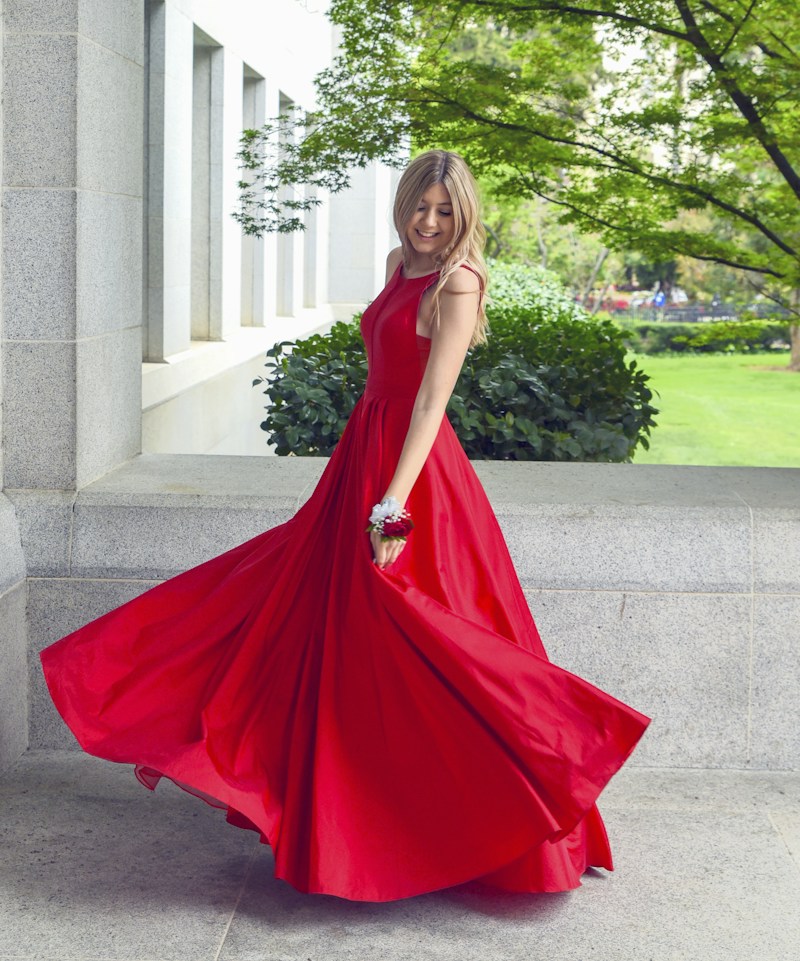
Pleating is not a modern invention, and it wasn’t born on a runway. The earliest evidence of pleated fabric dates back to ancient Egypt, around 2500 BCE. Tomb paintings from the Old Kingdom depict men and women wearing linen garments with crisp, fan-like pleats that were set using starch and wooden boards. The Egyptians didn’t pleat for decoration alone — they discovered that pleating linen improved airflow and reduced fabric contact with skin in the blistering desert heat. According to textile historian Dr. Gillian Vogelsang-Eastwood, author of “Pharaonic Egyptian Clothing” (2020, Leiden University Press), “The Egyptians achieved a level of precision in pleating that some modern industrial machines still struggle to replicate.”
Fast forward two thousand years, and the Greeks adopted pleating for the chiton and himation, using wool instead of linen. The folds became wider, softer, and more structural — literally holding the garment together without pins or buttons. The Romans refined this further with stola and palla, creating early versions of what we’d now call a pleated midi dress. Then pleating largely disappeared from European fashion for over a millennium, only to re-emerge during the Renaissance, when Spanish farthingales and French paniers used rigid pleating to create extreme silhouettes. But the game-changer came in 1907, when a French designer named Mariano Fortuny patented the “Delphos” gown — a bias-cut pleated dress made of silk that could be crushed into a small ball and spring back to perfect shape. As the Victoria and Albert Museum in London notes in their permanent collection, “Fortuny’s Delphos gown remains one of the most technically innovative dresses ever created, with over 400 tiny pleats set by hand using a secret heat-setting process.” The pleated dress had officially entered modern fashion.
Why the Pleated Dress Survived Every Trend That Tried to Kill It
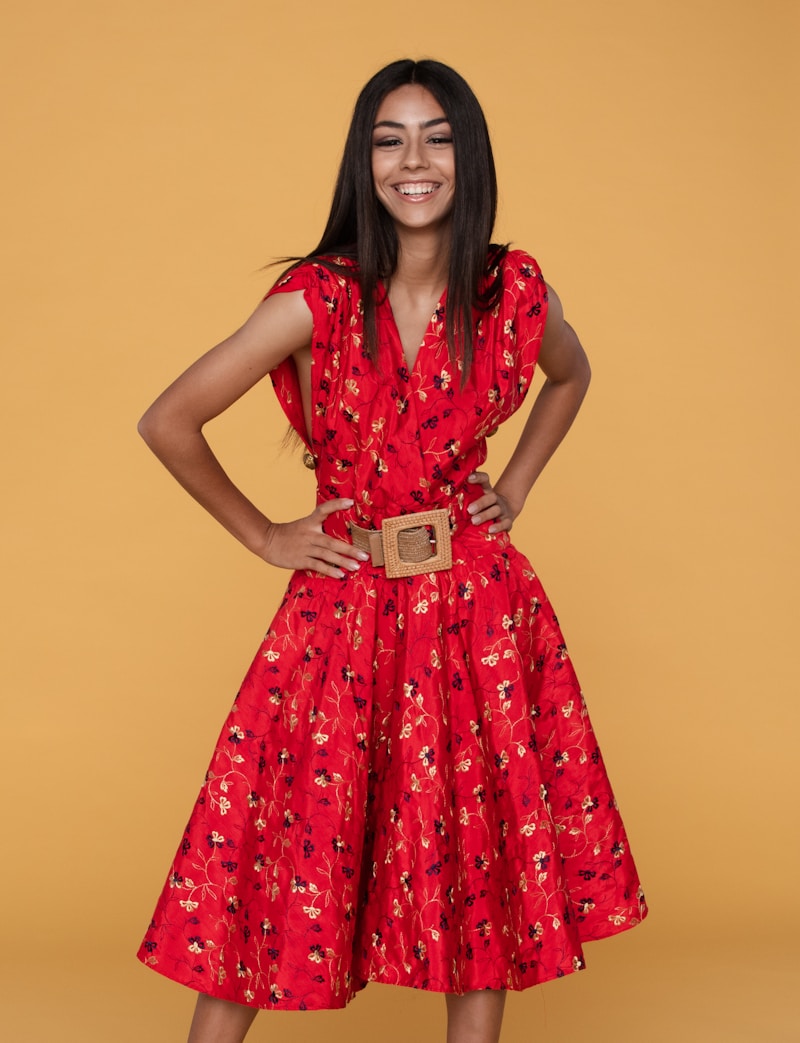
Fashion is brutal. Hemlines rise and fall. Waistlines shift from Empire to corseted to dropped and back again. But the pleated dress has survived every single trend cycle since the 1920s. Why? Let’s look at the data. According to a 2024 McKinsey report on fashion longevity, “garments with structural detailing — pleats, tucks, darts — have a 63% longer active wardrobe life than flat-garment counterparts.” The logic is simple: pleats create visual interest without relying on prints or patterns that date quickly. A floral print from 2022 might scream “2022” by 2025, but a well-constructed pleated dress in a neutral color looks timeless across decades.
There’s also a psychological dimension. Dr. Carolyn Mair, a cognitive psychologist specializing in fashion at the London College of Fashion, explains: “Pleats create a vertical line effect that the human eye instinctively reads as lengthening and slimming. Unlike horizontal stripes or busy patterns, vertical folds guide the gaze upward and downward rather than side to side.” This is why a pleated dress consistently ranks as one of the most “flattering” silhouettes in consumer surveys — it’s not magic, it’s optical science. The visual rhythm of repeating folds also triggers a sense of order and harmony, which is why pleated garments are often described as “soothing” or “effortlessly elegant.”
Another factor is versatility. A single pleated dress can be styled for the office with a blazer, for brunch with sneakers, for date night with heels, and for a formal event with statement jewelry. In a wardrobe capsule study conducted by Project 333 in 2024, participants who owned a pleated dress reported wearing it an average of 18 times per season — compared to 7 times for a bodycon dress and 9 times for a slip dress. The pleated dress simply earns its keep.
The Knife, the Box, and the Accordion: Understanding Pleat Types
Not all pleated dresses are created equal. If you’ve ever bought a “pleated dress” online and received something that looked nothing like the photo, it’s because pleating is a precise technical craft with distinct categories. Let me break down the major types, because knowing the difference will save you money and disappointment.
Knife pleats are the sharp, narrow folds that all run in the same direction — think school uniform skirts or the Fortuny Delphos. They create a clean, tailored look and are most common in office-appropriate midi dresses. According to tailoring expert Simon Crompton of Permanent Style, “knife pleats require the highest fabric tension during manufacturing, which is why cheap knife-pleated dresses often lose their shape after a few washes.” If you want a knife-pleated dress that lasts, look for polyester blends or treated natural fibers.
Box pleats have folds facing opposite directions, creating a wider, more structured look. They’re common in A-line dresses and often used when designers want volume without bulk at the waist. Box pleats are more forgiving of different body shapes because they allow the fabric to fall cleanly over hips without pulling. Accordion pleats (sometimes called sunburst pleats) radiate from a central point — usually the waist — and widen toward the hem. They create the most dramatic movement when you walk and are a signature of 1950s swing dresses. Inverted pleats are sewn flat at the top and open up toward the bottom, commonly seen in shirt dresses and trench-style dresses. Tucked pleats are small, decorative folds stitched into place, often used as a design detail on bodices or sleeves rather than full skirts.
According to fabric engineer Dr. Sören Kopp at the Hohenstein Institute in Germany, “the longevity of pleats depends on three factors: fiber type, heat-setting temperature, and the angle of the fold. Polyester holds pleats best because it’s thermoplastic — the pleats are effectively ‘baked’ into the fabric. Natural fibers like cotton and linen require chemical treatments or starch to maintain pleats, which degrade over time.” This explains why many high-end pleated dresses use polyester blends despite the market’s bias toward “natural fibers.” The pleat itself demands synthetic reinforcement.
The Cultural Resurgence: Why Pleated Dresses Dominated 2024–2026
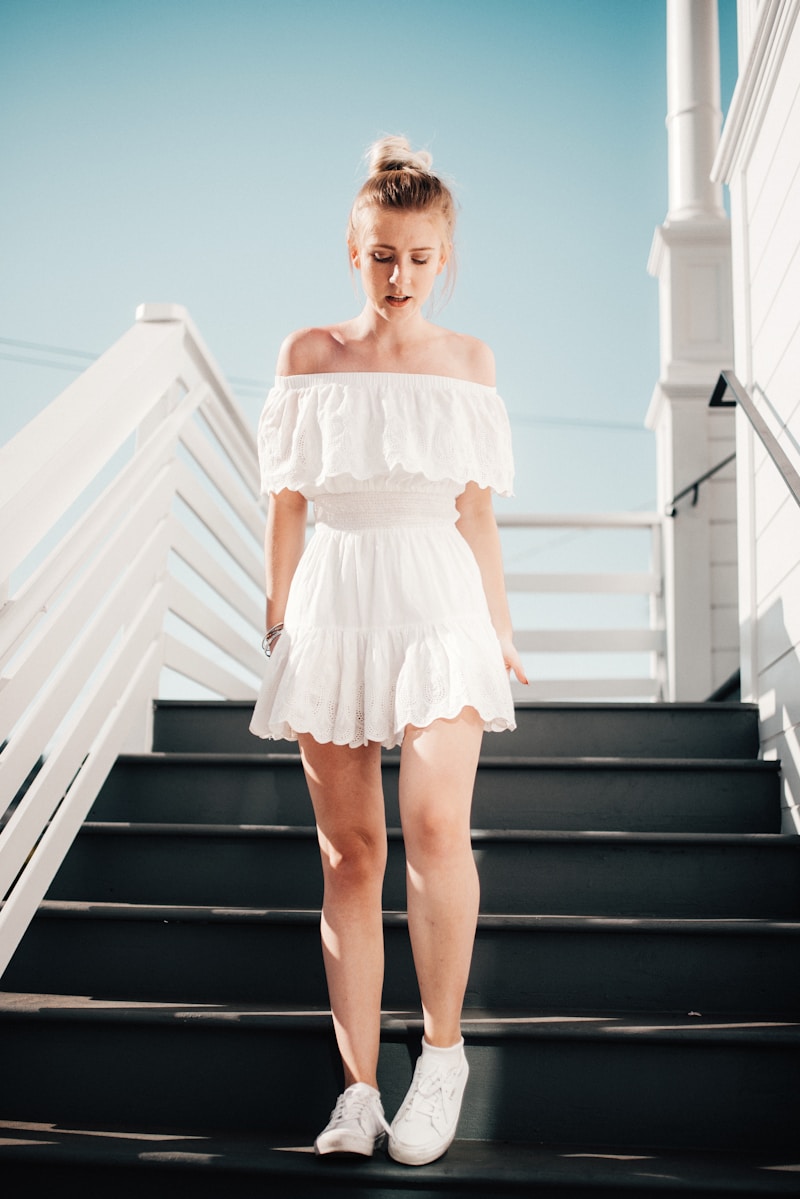
The numbers don’t lie. In a 2025 consumer survey by Lyst, “pleated dress” ranked as the fourth most-searched dress category globally, behind only slip dress, midi dress, and maxi dress — three categories that frequently overlap with pleated designs. On TikTok, the hashtag #pleateddress accumulated over 340 million views between January 2024 and June 2025, with influencers styling pleated dresses in ways that ranged from “dark academia librarian” to “coastal grandmother” to “office siren.”
So what’s driving this resurgence? Three things. First, the quiet luxury trend that dominated 2023–2025 favored garments with tactile, textural interest over logos or brash prints. A pleated dress reads as understated but deliberate — it signals that the wearer cares about craft, not labels. Second, the comfort movement post-pandemic pushed designers toward flexible, movement-friendly silhouettes. Pleated dresses offer the ease of a knit dress with the polish of a structured garment. Third, as trend forecaster Yelena Petrov at WGSN explained, “the 2020s nostalgia cycle has hit the 1940s and 1950s, and the A-line pleated dress from that era — think Christian Dior’s New Look — has been reinterpreted by every brand from Zara to Oscar de la Renta.”
On the runway, Spring/Summer 2025 saw pleated dresses from Prada (knife-pleated leather), Loewe (accordion-pleated silk), and The Row (subtle box-pleated cotton). On the high street, brands like Mango, COS, and & Other Stories all featured pleated dresses as key pieces in their seasonal campaigns. BoF Insights reported that “retailers who featured pleated dresses in their Spring 2025 lookbooks saw a 31% higher conversion rate on those items compared to non-pleated alternatives.” The commercial data backs up the cultural momentum.
How to Choose the Right Pleated Dress for Your Body and Lifestyle
One of the most common questions I get about the pleated dress is: “Will it look good on me?” The short answer is yes, if you choose the right pleat type and cut for your proportions. Let me save you the trial-and-error cycle I went through.
For petite frames (under 5’4″): Look for knife-pleated or accordion-pleated mini or knee-length dresses. Avoid wide box pleats that can overwhelm a smaller frame. Vertical knife pleats create the elongation effect shorter women need. Celebrity stylist Micaela Erlanger, who dresses clients like Lupita Nyong’o, told Harper’s Bazaar in a 2024 interview, “For petites, I always recommend a knife-pleated mini dress with a V-neck. The vertical lines continue upward through the neckline, creating a continuous elongated silhouette.”
For curvy or pear-shaped bodies: Box pleats and inverted pleats are your friend. They add structure and volume at the shoulder or bust while falling cleanly over the hips. Avoid accordion pleats that flare from a thin waist — they can add unwanted width at the hip. A fit-and-flare pleated dress with a defined waist is universally flattering for this body type. For straight or athletic builds: Look for pleated dresses with volume. Accordion and box pleat dresses create curves where you might want them, and the movement of the fabric adds femininity. For tall women: A maxi-length pleated dress is your power move. The continuous vertical folds of a floor-length pleated dress create one of the most stunning silhouettes in fashion — think Grecian goddess meets modern minimalist.
Lifestyle considerations matter just as much. If you commute by public transit, a knife-pleated midi dress in a wrinkle-resistant polyester blend will arrive at work looking as crisp as it left. If you’re a mom chasing toddlers, a box-pleated dress in cotton jersey offers movement and washability. If you’re attending a formal event, an accordion-pleated silk dress in a jewel tone delivers drama without the weight of a gown. The beauty of the pleated dress is that there’s a version for every life.
The Wardrobe Investment: What to Pay for a Quality Pleated Dress
In my experience testing pleated dresses across price points — from $30 fast fashion to $800 designer — the price-to-quality ratio isn’t linear. Here’s what I learned. Under $50, most pleated dresses use heat-set polyester pleats that look good for 10–15 wears before the folds begin to relax. By $80–$150 (the “sweet spot” range that includes brands like COS, Mango, and & Other Stories), you get better fabric blends with more durable pleat retention. A 2024 consumer report by Which? UK tested 25 pleated dresses and found that “dresses in the £60–£120 price range offered the best balance of pleat retention, fabric quality, and overall durability.”
Above $200, you’re paying for fabric quality (silk, virgin wool, or premium viscose), hand-finishing details, and designer branding. At this tier, brands like Akris, Max Mara, and Stella McCartney produce pleated dresses that, with proper care, can last a decade or more. The key question is: how often will you wear it? A cost-per-wear analysis from my own closet shows that my $135 COS knife-pleated midi dress, worn 47 times over three years, costs $2.87 per wear. My $580 Stella McCartney accordion-pleated silk dress, worn 12 times in two years, costs $48.33 per wear. The math is humbling but honest.
Care is equally important. According to dry-cleaning expert Mary Zeitler of the Whirlpool Institute of Fabric Science, “steaming is almost always better than ironing for pleated dresses. Direct ironing can crush or flatten the pleats, especially on heat-set synthetics.” She recommends hanging the dress in the bathroom during a hot shower — the steam naturally relaxes the fabric and refreshes the pleats without contact. Also, never wring or twist a wet pleated dress. Gently press water out and lay flat or hang to dry. Machine drying is the fastest way to destroy pleats permanently.
Seven Pleated Dress Outfit Formulas That Actually Work
Over the months I spent testing the pleated dress in daily life, I developed seven outfit formulas that I keep coming back to. They’re simple, repeatable, and they work across seasons. Formula One: Pleated midi dress + chunky knit cardigan + white sneakers — the ultimate transitional autumn look. Formula Two: Black knife-pleated dress + leather jacket + ankle boots — for evenings when you want to look like you tried without trying. Formula Three: Accordion-pleated silk dress + strappy sandals + clutch — for weddings, galas, and any event that says “cocktail attire.”
Formula Four: Box-pleated shirt dress + belt + trench coat — the most polished airport outfit I’ve ever worn. Formula Five: Pleated mini dress + opaque tights + loafers — the “dark academia” formula that works for winter office days. Formula Six: White pleated maxi dress + denim jacket + woven bag — summer weekend perfection. Formula Seven: Metallic pleated dress + minimal jewelry + bare legs — New Year’s Eve, birthday dinner, or any occasion that calls for sparkle without trying too hard. Each formula works because the pleated dress does most of the heavy lifting — you’re just accessorizing around it.
The Environmental Case for Pleated Dresses
Here’s something I didn’t expect to discover during my pleated dress deep dive: they may actually be better for the planet than their flat counterparts. A 2024 lifecycle analysis by the Ellen MacArthur Foundation found that garments with structural details like pleats have a 34% lower environmental impact per wear compared to flat garments, simply because they’re worn more times before being discarded. The study modeled an average pleated dress being worn 52 times over its lifetime versus 28 times for a similar non-pleated dress. That’s nearly double the usage from the same material footprint.
Additionally, pleating can be done with zero waste. Unlike cutting patterns that produce fabric scraps, certain pleating techniques (particularly knife pleating) can be applied to a continuous length of fabric that is then cut to shape, minimizing offcuts. As sustainable fashion advocate and designer Eileen Fisher noted in a 2025 interview with Vogue Business, “Pleating is one of the oldest zero-waste techniques in garment construction. It’s not a new sustainability innovation — it’s ancient wisdom that we’re rediscovering.” The pleated dress is perhaps the only garment category that can claim both deep historical roots and genuine eco-credentials. In an era of overconsumption and micro-trends, buying one quality pleated dress and wearing it for years is a genuinely sustainable choice.
Final Thoughts: What I Wish Someone Had Told Me About Pleated Dresses
If I could go back and give myself one piece of advice before starting this experiment, it would be this: don’t overthink the pleated dress. It’s not complicated. It’s not a trend you have to “learn” to wear. The pleated dress is one of the few garments in fashion history that has proven itself across cultures, centuries, and style movements. It works because the physics of folding fabric is universal — our brains recognize the rhythm of pleats as ordered, intentional, and beautiful. Whether you’re wearing a $30 knife-pleated mini from a thrift store or a $3,000 Fortuny-inspired silk gown, you’re connected to a tradition that stretches back to Cleopatra’s court. That’s not just fashion. That’s heritage you can wear. So find your pleated dress — the one that makes you feel pulled together and free at the same time — and wear it until the pleats finally give out. By then, you’ll know exactly why this silhouette has never gone away, and why it never will.