

Some silhouettes arrive with a trumpet fanfare, and others simply appear in shop windows one morning and refuse to leave. The barrel skirt belongs to the second camp. If you have walked through a city center lately and noticed skirts that curve outward at the hem like the rounded side of a barrel, or that stand away from the legs in a soft, sculptural arc instead of falling straight to the knee, you have already met this trend in the wild. Named for its shape rather than any single designer, the barrel skirt is cut with extra width through the lower half and finished with a curved, sometimes asymmetrical hem, so that it looks less like a traditional straight or A-line tube and more like a gently swollen column. It reads as new without looking costumey, which is why it has migrated so quickly from runway shows into the racks of mainstream retailers. Fashion search platform Lyst reported in its 2025 year-in-review data that searches combining “curved” and “skirt” grew by more than 60 percent over the previous twelve months, with the strongest demand coming from shoppers aged 25 to 40 in the United States, the United Kingdom, and Germany. That is not a fringe enthusiasm; that is a mainstream shift in what women expect a skirt to do. Where the pencil skirt disciplines the body and the A-line simply widens it, the barrel skirt proposes something subtler: a shape that holds its own structure, skims the hips, and finishes in a curve that flatters the leg line without clinging to it. For anyone building an autumn wardrobe and hunting for skirts that feel current yet wearable, this is the silhouette worth understanding before the season is over.
What Makes a Skirt a Barrel Skirt, Exactly?
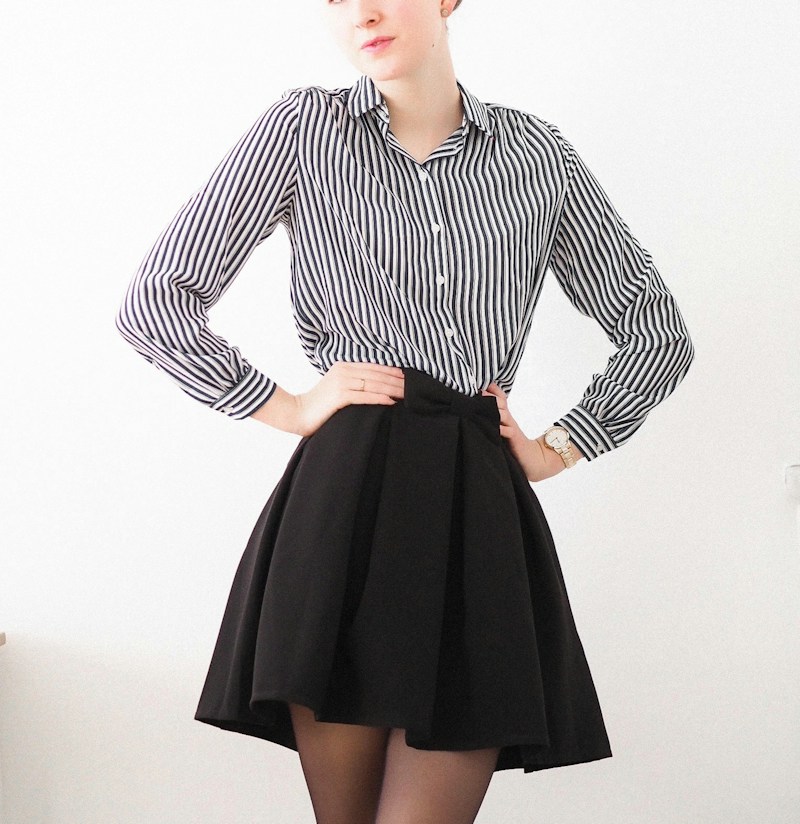
Because the barrel skirt is defined by proportion rather than by a single pattern piece, it helps to pin down what separates it from the neighbors it is constantly compared to. The easiest way to picture it is to imagine the silhouette of a rain barrel: the top is relatively narrow, the middle swells outward, and the bottom curves back in slightly or simply rounds off. Translated into tailoring, that means a barrel skirt is usually cut with a fitted or gently gathered waist, enough fabric through the hip and thigh to create a rounded profile, and a hem that is cut longer at the sides or curved along the bottom edge so the fabric appears to roll forward and back as you walk. Compare that with a straight skirt, which hangs in a flat vertical line; with a pencil skirt, which tapers toward the knee; or with an A-line, which flares steadily from the waist down. The barrel skirt sits between those extremes: it does not hug the body, and it does not swing freely like a circle skirt — it occupies space in a calm, architectural way. The Wikipedia overview of skirt history notes that most skirt silhouettes can be traced to how much fabric is gathered at the waist versus how it is released at the hem, and the barrel is essentially a modern answer to that old equation: moderate volume at the top, maximum volume just above the knee, and a controlled, curved release at the bottom. In practical terms, the cut creates two immediate visual effects. First, it adds deliberate structure to outfits built around soft knitwear, because the skirt holds a shape of its own rather than collapsing into the folds of whatever top you choose. Second, the curved hem draws the eye along a diagonal line down the leg, which subtly elongates the lower body in photographs and in real life alike. When you see a barrel skirt described as “sculptural” in a product listing, that is not marketing puffery — it is an accurate description of how the garment behaves on a moving body.
Where the Barrel Skirt Came From
Every shape in fashion has a genealogy, and the barrel skirt’s family tree is more interesting than its recent Instagram fame suggests. The rounded, space-occupying hemline has resurfaced in Western fashion at least three times before the current wave. In the late 1940s and 1950s, post-war designers experimented with stiffened petticoats and rounded crinolines that pushed skirt fabric outward into bell and barrel-like forms; Christian Dior’s celebrated “New Look,” which the Encyclopaedia Britannica credits with redefining mid-century dressing, depended entirely on skirts that stood away from the body in rounded, architectural volumes. Then, in the 1980s, Japanese designers working in Paris — most prominently Rei Kawakubo and Yohji Yamamoto — reintroduced sculptural, non-body-conscious skirts that treated fabric as a three-dimensional material rather than a covering for the legs. Their work, widely documented in the fashion archives of the Metropolitan Museum of Art, taught a generation of designers that a skirt does not need to follow the body to flatter it. The current barrel skirt moment, which began appearing on runways around 2023 and reached full momentum by 2025, borrows from both lineages: the controlled volume of the 1950s and the avant-garde freedom of the 1980s, softened into something that reads as wearable rather than theatrical. The trend was carried most visibly by labels such as Miu Miu, Loewe, and Prada, whose curved-hem skirts were photographed on celebrities and street-style figures through 2024 and 2025, and then filtered down through the high street within two seasons — the usual speed of a silhouette that flatters a wide range of bodies. Understanding this history matters for one practical reason: the barrel skirt is not a one-season gimmick but a recurring idea that fashion keeps returning to whenever women grow tired of body-hugging cuts. Buying one this autumn is not a gamble on a fad; it is an investment in a shape with a documented half-century of staying power.
What the Curved Hem Actually Does for Your Body
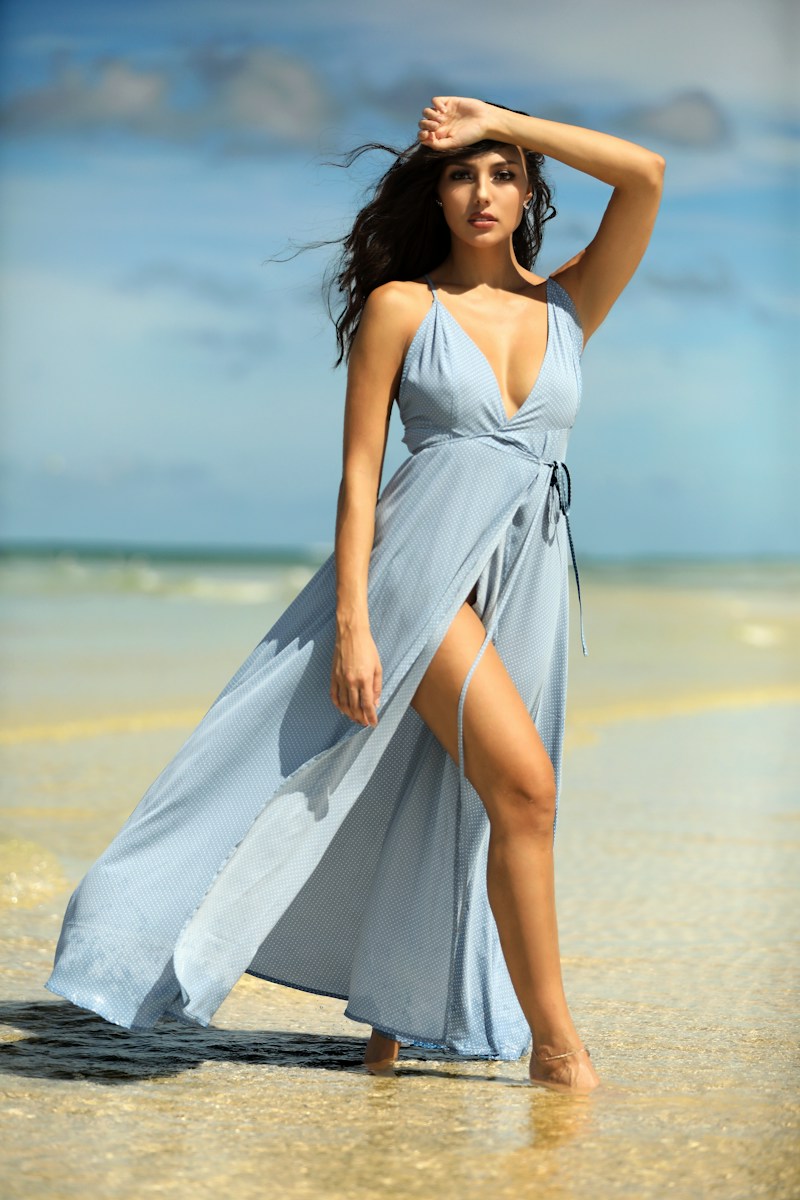
The most common question about the barrel skirt is also the most sensible one: does a shape this unusual actually flatter ordinary bodies, or does it only work on runway models? The honest answer, supported by the way the cut is engineered, is that the barrel skirt is one of the most body-forgiving silhouettes currently in stores — provided you choose the right version for your frame. Because the skirt does not cling below the waist, it never outlines the stomach, the outer thighs, or the upper hip, the three zones where most women carry tension and where fitted skirts create the most visible pressure marks. The rounded volume acts as a buffer of fabric between the body and the observer’s eye, which is precisely why stylists reach for it when dressing clients who want to look polished without feeling exposed. The curved hem adds a second advantage: by cutting the fabric longer at the sides and shorter at the front, it creates a continuous diagonal line that reads as leg length. Styling data from the fashion analytics firm Edited, cited in a 2025 retail trends briefing, showed that curved-hem skirt styles in the midi length range generated return rates roughly 20 percent lower than comparable straight-hem styles in the same category — a strong signal that customers who bought the silhouette found it more flattering and more comfortable in practice than its alternatives. The caveat is proportion. On petite frames, a barrel skirt cut too long or too wide at the hem can swallow the figure, so the best versions for smaller statures are those that end above the ankle and keep the curve moderate. On taller or curvier bodies, the fuller, longer cuts look magnificent because there is enough vertical line to carry the volume. On straight, athletic frames, the barrel skirt is something of a secret weapon: it manufactures the illusion of hips and curves through structure alone, without padding or shapewear. In other words, the silhouette does not demand a specific body; it asks only that you match the degree of volume to your own height and build.
How to Wear a Barrel Skirt This Autumn
Styling a barrel skirt is easier than most women expect, because the garment does half the work itself — it arrives with built-in structure, so the rest of the outfit only needs to complement rather than compete with it. The single most reliable formula for autumn is a fitted or tucked top with a barrel skirt in a midi length. Because the skirt already occupies visual space below the waist, the top should stay close to the body: a fine-gauge knit, a silk blouse tucked in at the waist, or a slim turtleneck all work perfectly. If you prefer looser layers, keep the proportions in mind — an oversized sweater can work, but only if it ends at or above the hip so the curved volume of the skirt remains the focal point rather than getting buried under a second volume. Footwear is where the barrel skirt’s curved hem creates its most interesting opportunities. Because the hem sits away from the leg, ankle boots slide cleanly underneath without bunching; knee-high boots worn with a longer barrel skirt produce a sleek column effect; and loafers or ballet flats keep the whole look grounded and daytime-appropriate. Heels are optional rather than required, which is a relief for women who have spent years being told that skirts only look right with a heel. In terms of color, autumn-friendly neutrals — camel, charcoal, forest green, burgundy, and cream — let the unusual shape speak without shouting, while a printed or brightly colored barrel skirt works best as the single statement piece of an otherwise quiet outfit. For readers who want to see how the same curved, body-skimming logic applies to a different wardrobe staple, our earlier guide to the A-line skirt for every woman’s closet covers the companion silhouette most often compared with this one. The practical takeaway is that a single barrel skirt, chosen in a neutral tone and a midi length, can generate a full week of autumn outfits with pieces you already own.
Fabric, Length, and Fit: Choosing the Right Barrel Skirt
Not all barrel skirts are created equal, and the difference between a version you will wear for years and one you will donate by December comes down to three decisions: fabric, length, and the way the curve is constructed. Fabric is the most important variable because the entire silhouette depends on the cloth’s ability to hold a shape. Structured materials — wool suiting, heavy cotton twill, denim, corduroy, and bouclé — are the natural partners for the barrel cut, because they keep the rounded volume crisp through a full day of sitting, walking, and commuting. Softer fabrics like fluid viscose or washed silk can work, but they produce a droopier, more relaxed curve, which is fine if that is the look you want and disappointing if you expected the sculptural runway version. Check the hem construction before buying: a true barrel skirt has a curved or asymmetrical hem that has been carefully finished, and the way the fabric falls when you hold it up should already suggest the rounded silhouette. Length is the second decision, and it interacts directly with your height. Midi lengths — ending between mid-calf and just above the ankle — are the most versatile and the most flattering on the widest range of bodies; knee-length versions read as more office-appropriate and slightly more conservative; maxi barrel skirts are dramatic but demand height or heels to avoid swamping the figure. Petite shoppers should look for barrel skirts with a higher waist and a curve that begins lower down, which keeps the eye moving vertically. The third variable is the waist treatment. Elasticated or drawstring waists make the skirt easy and forgiving; flat-front or pleated waists look more tailored but require a more precise fit. When you try one on, do not just stand in front of the mirror — sit in it, walk across the room, and climb a short flight of stairs if you can, because a barrel skirt that is too tight through the hip will ride up when you walk, while one that is too full at the hem will feel like you are wearing a lampshade. The right fit should feel like the skirt is moving with you, not around you.
The Mistakes That Ruin a Barrel Skirt Outfit
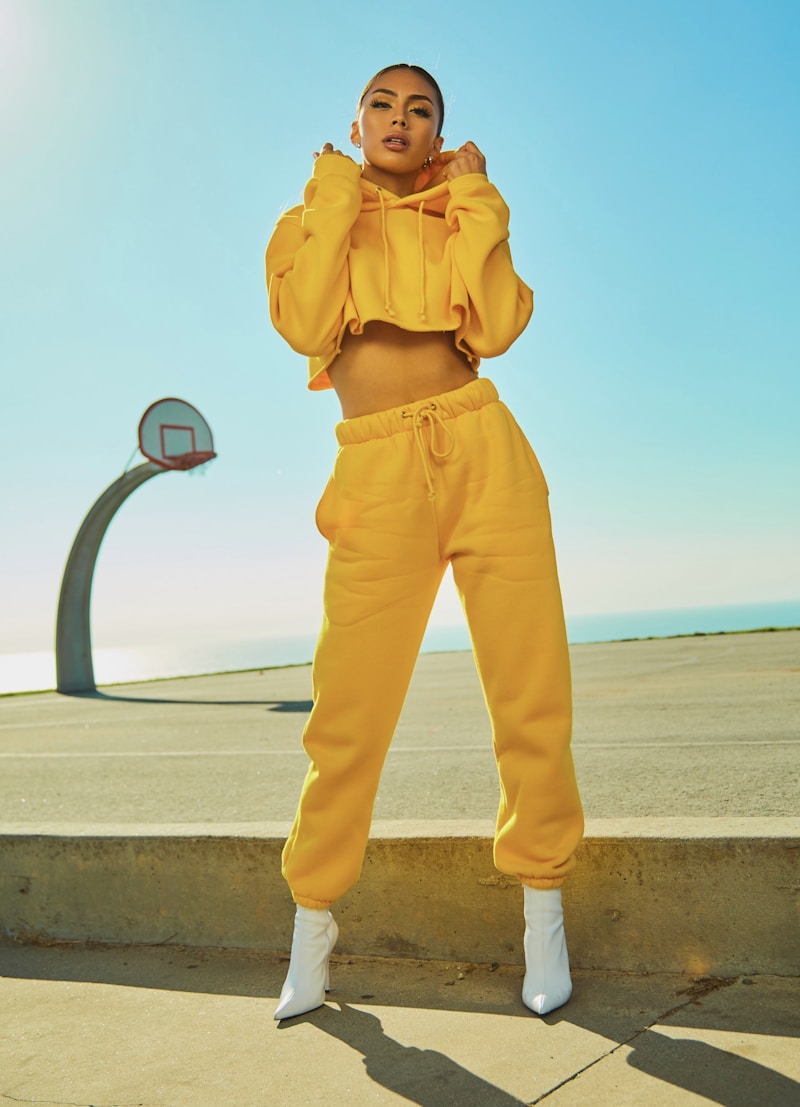
Every new silhouette comes with a learning curve, and the barrel skirt has a handful of predictable failure modes that are easy to avoid once you know what they are. The first mistake is treating the skirt like a normal straight skirt and pairing it with a top that is equally voluminous. Two rounded volumes stacked on top of each other — say, a puffy-sleeved blouse over a full barrel skirt — create a balloon effect that overwhelms the frame and hides the waist entirely. Keep one volume per outfit: if the skirt is sculptural, the top should be relatively fitted, and vice versa. The second mistake is choosing the wrong hem length for your shoes. A barrel skirt that ends at the widest part of the calf will visually shorten the leg, especially when worn with flat boots; the fix is to choose a hem that clears the calf or reaches past it to the ankle, and to keep the footwear simple so the curved hem remains the hero. The third mistake is buying the cheapest version without checking how the curve behaves in motion. Inexpensive barrel skirts are often made by cutting a straight skirt and simply curving the hemline, which produces a garment that looks fine on a hanger but collapses into an unflattering puddle of fabric once you start walking. A real barrel skirt is cut with extra width through the lower panels, so the curve holds even in motion. The fourth mistake is over-accessorizing. Because the silhouette is already distinctive, a barrel skirt worn with a belt, a statement necklace, a patterned scarf, and bold shoes reads as costume; the most elegant outfits built around this skirt use accessories sparingly, letting the shape do the talking. Finally, do not be afraid of the silhouette — the most common regret among women who try barrel skirts is that they waited too long, having assumed the shape would not suit them without ever putting one on. Try it with a plain fitted top and your usual shoes, in a fabric and length appropriate to your frame, and judge the result in motion rather than in the fitting-room mirror alone.
Is the Barrel Skirt Worth Buying This Season?
Stepping back from the styling details, the case for adding a barrel skirt to your wardrobe this autumn rests on three solid arguments. The first is versatility of the kind that actually survives contact with real life: the silhouette works for office days when paired with a fine knit and loafers, for weekend outings with a tucked shirt and sneakers, and for evening plans with a silk camisole and heeled boots — three distinct registers from a single garment. The second is durability as a style. As the history traced above shows, the curved, space-occupying skirt is not an invention of the last two seasons but a recurring idea that fashion has returned to every few decades since the 1950s, which means a well-made barrel skirt will not look dated when the next micro-trend arrives; it will simply look like a considered, architectural choice. The third argument is the one that matters most to the way women actually feel in their clothes: the barrel skirt flatters without demanding. It does not require you to hold your stomach in, to wear shapewear, or to stand at a particular angle for photographs. It does its job through structure rather than through grip, which is why the women who own one tend to describe it, again and again, as the skirt they reach for when they want to look put-together without spending the whole day adjusting their outfit. None of this means every woman should rush out and buy three of them — the silhouette rewards a single, thoughtful purchase in a fabric and length suited to your own frame, worn with clothes you already own. But for anyone who has spent the past few years cycling through body-hugging cuts and wondering why none of them ever felt quite right, the barrel skirt is worth a serious try. It is quiet, it is wearable, and it might just be the most flattering shape you have never considered.