

Every year, somewhere between the last hot week of September and the first genuinely cold morning of October, a quiet sorting happens inside every wardrobe. The linen pieces get pushed to the back, the heavy knitwear gets pulled forward, and a lot of women find themselves standing in front of a closet full of clothes that somehow do not match the weather. The one garment that solves this gap most elegantly is the dress built specifically for the shoulder season — and the numbers back up its quiet dominance. Lyst’s quarterly Index has repeatedly recorded transitional dresses climbing search rankings the moment temperatures begin to fall, while Pantone’s move toward warm, grounded neutrals for the season signalled to the entire retail industry that comfort and calm were going to define how people wanted to dress. An autumn dress is not a passing trend; it is the single most efficient purchase a woman can make between September and November, because it works as a complete outfit when mornings are chilly, stays breathable when the afternoon sun returns, and layers cleanly the moment true winter arrives.
The logic behind it is simple once you see it laid out. Spring gets endless attention because it feels like a fresh start, and summer gets the fun campaigns, but autumn is where most people actually spend their money — and it is also the season where getting dressed is hardest, because the day itself changes character three times before dinner. McKinsey’s State of Fashion research has consistently shown that consumers reward garments they can wear across multiple occasions and weather conditions, and a well-chosen autumn dress is exactly that kind of high-value, high-repeat purchase. What follows is a practical guide: what really makes a dress an autumn dress, which colours are carrying the season, how to layer without destroying the silhouette, and how to build a small capsule that quietly covers you from the first crisp morning to the last warm afternoon of the year.
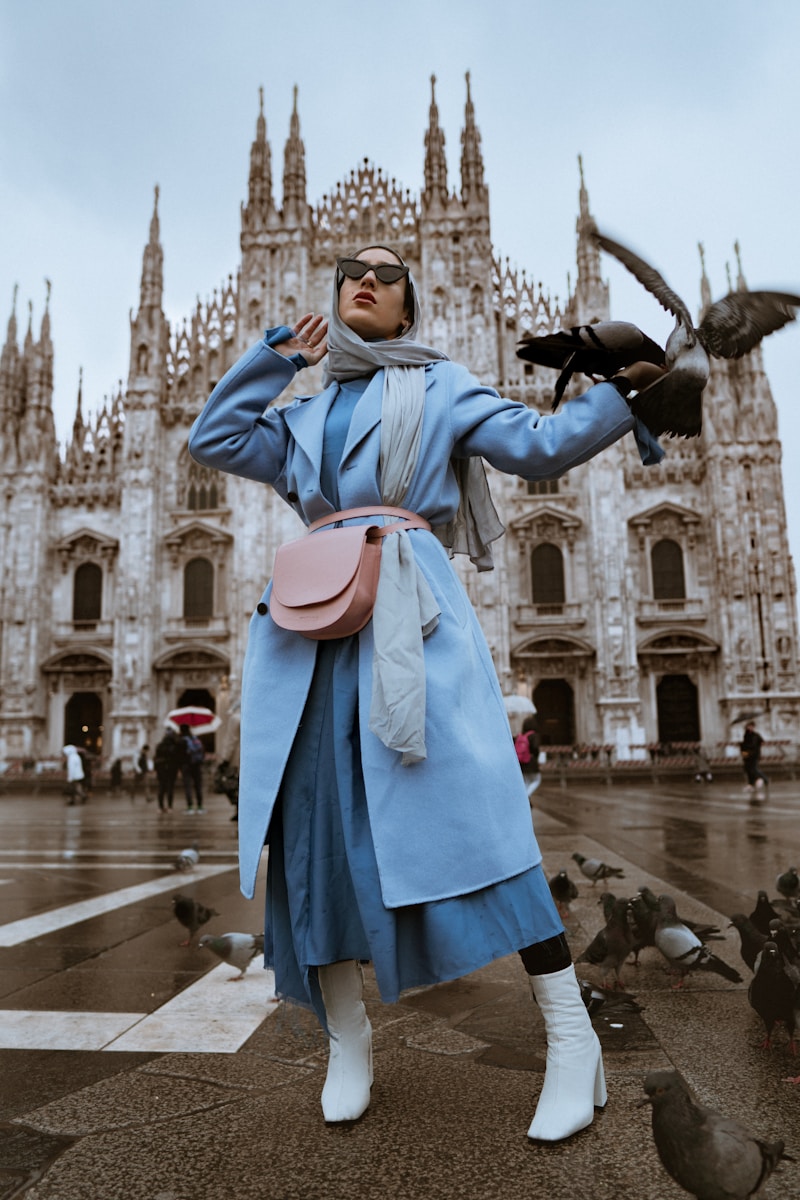
Why the Autumn Dress Outperforms Almost Everything Else in Your September Wardrobe
The autumn dress wins on a purely practical level before it wins on style. A single well-chosen piece removes the entire morning negotiation of top, bottom, and belt, and it does so while adapting to a temperature range that would defeat a fixed outfit. Consider what a September day actually asks of your clothes: you leave the house at eight in the morning when the air is cool enough to need coverage, you sit in an office or café where the heating is already on, you walk outside again at lunch when the sun has warmed everything by several degrees, and then the evening drops back down as quickly as it rose. A dress with the right weight and the right fabric handles all four of those moments without you changing anything, whereas a thin summer dress fails by mid-morning and a wool piece is too much by noon. This adaptability is not a marketing claim; it is the reason department stores have historically devoted entire floors to transitional dressing, and why stylists talk about the shoulder season as the true test of a wardrobe.
Statista’s apparel market data shows that autumn consistently drives one of the strongest seasonal spending spikes of the year in Western markets, and the reason is straightforward: this is the season when people rebuild the parts of their wardrobe that have to work hardest. Summer clothes are cheap to replace and easy to improvise; autumn clothes have to earn their keep across work, weekends, dinners, and travel, often within the same week. An autumn dress sits at the centre of that demand because it is inherently versatile. Worn alone with sandals it handles an unseasonably warm October afternoon; worn with tights, a fine turtleneck underneath, and a structured coat, the exact same dress becomes a cold-weather outfit that looks deliberate rather than improvised. The garment does the heavy lifting, and you simply adjust around it.
There is also a psychological dimension that explains why transitional dresses feel so satisfying to own. Researchers studying seasonal affective patterns have long noted that people reach for colour and texture as the light fades, and autumn dressing is the clearest expression of that instinct. A summer dress is about exposure and lightness; an autumn dress is about warmth, depth, and the pleasure of being enveloped by something that feels considered. That shift in mood is exactly why the season’s most successful pieces tend to be tactile — brushed cottons, fine wools, weighty jerseys — rather than purely visual. When you pull on the right autumn dress, you are not just dressing for the temperature; you are dressing for the way the season makes you feel, and that emotional fit is a large part of why these pieces get worn far more often than their summery cousins.
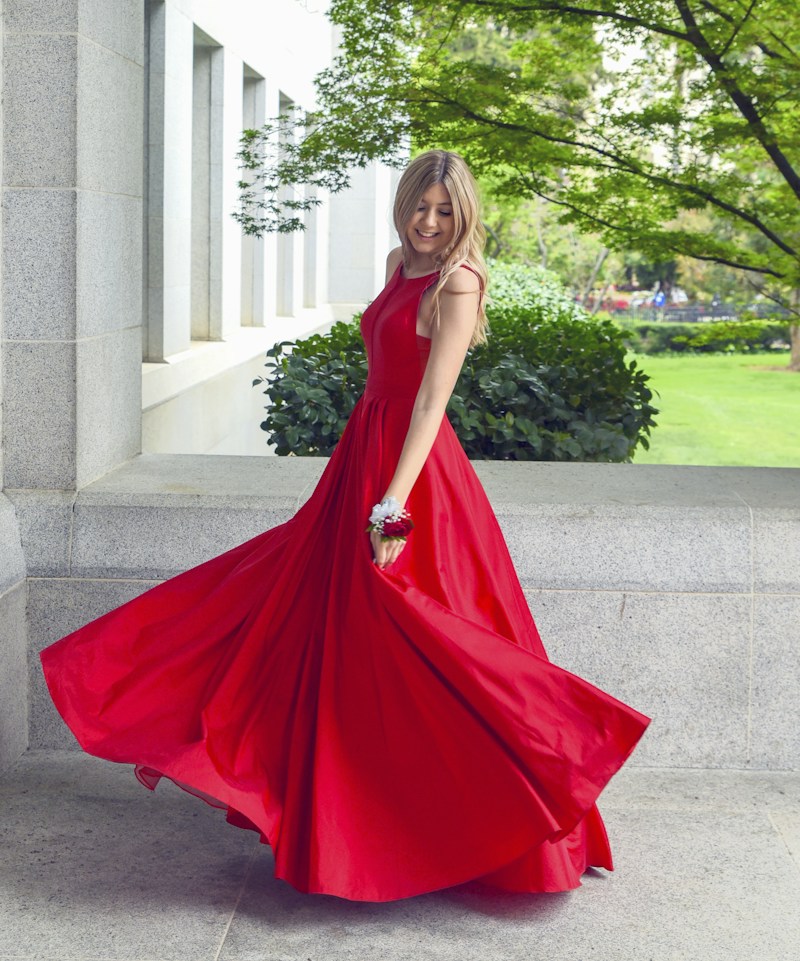
What Actually Makes a Dress an “Autumn” Dress, Fabric by Fabric
The word “autumn” attached to a dress is not decorative; it describes a specific set of material and structural choices that determine whether the piece actually works during the shoulder season or simply looks like it should. The first and most important variable is fabric weight. An autumn dress needs enough body to hold its shape against a cool breeze and to feel substantial against the skin, but not so much that it becomes unwearable indoors. Medium-weight fabrics sit in that sweet spot. Cotton twill and heavier cotton poplin are ideal early-season options because they breathe when it is warm yet block a chill wind, and they hold a crisp silhouette that reads as intentionally tailored. Linen, which dominates summer, is generally too light and too crushable for autumn unless it is blended with a little viscose or wool to give it structure.
Wool is the natural hero of the later part of the season, and not all wool is equal. A fine merino jersey drapes beautifully and regulates temperature without bulk, which makes it perfect for a dress you intend to wear from September into early winter. A denser wool crepe gives more of a sculpted, tailored effect and tends to photograph — and feel — more formal. Viscose and modal blends are the pragmatic middle ground: they mimic the drape of silk at a fraction of the cost and the care requirement, and they take dye deeply, which is why so many of the season’s rich tones appear in viscose pieces first. Knitted dresses deserve their own category entirely. A fine-gauge knit dress is the single most forgiving autumn garment you can own because it moves with the body, resists wrinkling, and layers under a coat without adding visible bulk. Heavier ribbed knits skew casual, while a smooth fine-gauge rib can look quietly expensive with the right boots and jewellery.
Structure matters as much as fabric. An autumn dress usually gains from a defined waist, a slightly longer sleeve, and a hem that clears the knee enough to work with boots and tights. Sleeves, in particular, are the detail people underestimate: a three-quarter or full sleeve instantly converts a dress from summer to autumn, and it removes the need to add a cardigan that would otherwise break up the line of the garment. Finishing details also carry seasonal signals — a slightly higher neckline, functional buttons, a belt that cinches, a subtle texture in the weave rather than a loud print. None of these choices is dramatic on its own, but together they are the difference between a dress you can wear in July and a dress you will reach for every cool morning from September onward, which is the entire point of buying for the season in the first place.
The Colour Palette That Is Defining Autumn This Season
Colour is where the autumn dress becomes genuinely strategic, because the palette of the season is both flattering and unusually easy to combine. The defining shift of the past two seasons has been away from high-contrast, high-saturation dressing and toward warm, grounded tones that sit close to nature. Autumn as a colour story has always drawn on the shifting landscape — rust, ochre, olive, burgundy, camel, chocolate — and this season the fashion industry has leaned into that language with unusual conviction. The practical advantage is that these tones flatter almost every skin tone far more readily than the icy pastels that dominate spring, because they share warmth with the skin rather than fighting it. A deep olive dress, a rust-toned jersey, a burgundy viscose midi — each of these reads as considered without requiring any styling effort.
The neutral end of the palette is doing the heaviest lifting. Camel, oatmeal, taupe, and soft grey are the colours that make an autumn dress work as a base layer for an entire outfit, because they pair with everything from leather boots to denim jackets to a classic trench. If you want a single dress that you can style five different ways across the season, choose it in a warm neutral, then let your accessories carry the variation. The richer end of the palette — burgundy, forest green, deep navy, and burnt orange — is where you go when you want the dress itself to be the statement, and these tones look particularly strong in fabrics with a little sheen, like viscose or a brushed wool, because the depth of colour catches the lower autumn light.
There is sound reasoning behind this palette preference beyond aesthetics. Designers and colour forecasters work from behavioural data as much as from taste, and the recurring finding is that as daylight shortens, people gravitate toward colours that feel warming and enclosing rather than cool and expansive. That is why the same shades return every autumn with small variations rather than radical reinvention. A red-based print or a warm floral also works beautifully in autumn, provided the background leans earthy rather than bright white — the same floral that looked fresh in June reads richer and more grown-up on a cream or bronze ground. The simplest test when you are shopping is to hold the colour against your face in daylight and ask whether it makes your skin look rested or tired. Warm, muted autumn tones almost always pass that test; that is their quiet advantage, and it is why a single autumn dress in the right shade can do more for your wardrobe than three pieces in colours you merely like.
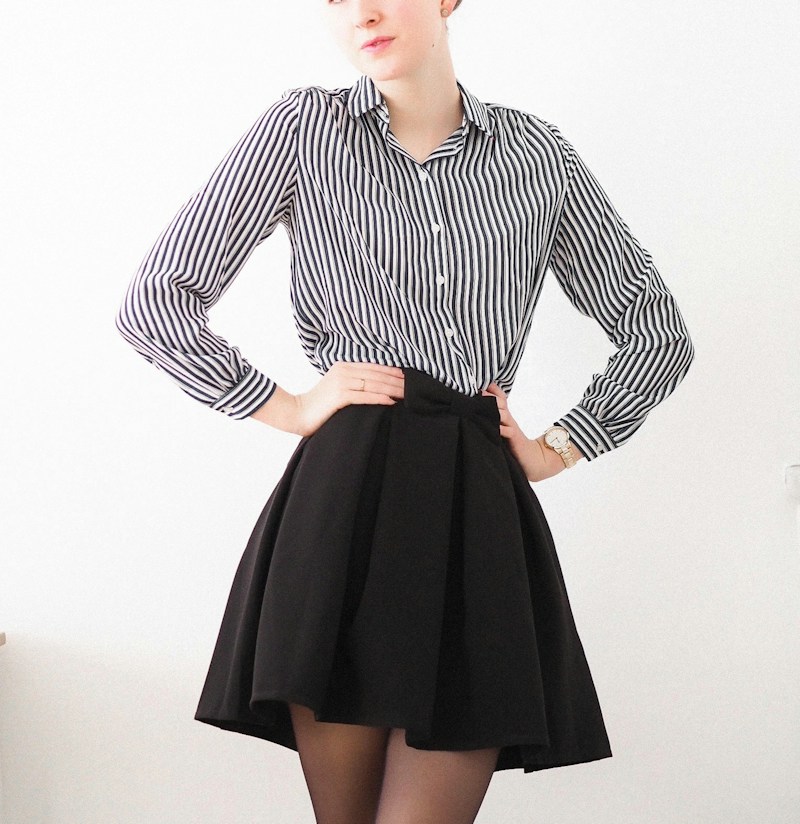
How to Layer an Autumn Dress Without Losing the Silhouette
Layering is the skill that separates a woman who gets real value from her autumn dress from one who merely owns it, and the guiding principle is simple: add warmth in the places that do not break the line of the garment. Start from the inside. A fine-gauge turtleneck or a lightweight long-sleeve tee worn underneath a sleeveless or short-sleeve dress extends the dress’s usable temperature range by ten degrees or more without changing its shape at all. This is the single most underused styling trick of the season. Choose the base layer in a colour close to the dress — cream under camel, black under burgundy, grey under navy — so the extra layer reads as part of the design rather than as an afterthought. The layer should be thin enough that it disappears beneath the fabric; if you can see its outline, it is doing the opposite of its job.
The middle layer is where most people go wrong. The instinct is to reach for a chunky cardigan, which is comfortable but visually heavy, and it hides the waist and the hem that made the dress worth buying. The better move is to choose a mid-layer that follows the dress rather than covers it: a fine knit cardigan that skims rather than blouses, a cropped jacket that ends at the natural waist, or a relaxed blazer left open so the front of the dress stays visible. If you want to use a belt to redefine the waist over a slip or jersey dress, keep it slim and place it high rather than at the hip, which preserves the leg-lengthening effect the dress was cut to create. The goal of every layer is to make the dress look more deliberate, not to hide it.
Outerwear is the final and most powerful variable. A long coat worn open over an autumn dress is one of the most reliably elegant silhouettes of the season, because the vertical line of the coat and the dress together make the wearer appear taller and more put-together than either piece alone. A cropped jacket creates a very different but equally useful effect, one that plays up the waist and works especially well with a flared or A-line hem. When choosing a coat to wear over a dress, mind the lengths: a coat that ends at mid-calf over a midi dress creates an awkward horizontal break, while a long coat or a hip-length jacket avoids it. Get the layering right and a single autumn dress becomes four or five genuinely different looks — bare and breezy for the warm days, softly covered for the cool ones, and fully wrapped for the first real chill — all from one purchase, which is exactly the economy the season rewards.
Shoes, Outerwear, and the Details That Finish the Look
The footwear you choose for an autumn dress decides its entire character, arguably more than any other accessory. Ankle boots are the default for good reason: they ground a midi or maxi dress, they work with tights, and they bridge the gap between casual and polished depending on the heel and the leather. A block heel reads comfortable and daytime-appropriate, while a slim heel or a pointed toe instantly formalises the same dress for an evening. Knee-high boots are the piece that makes shorter autumn dresses work in colder weather, and they create a strong, elongated line when the dress hem clears the top of the boot by a few centimetres. Loafers and chunky brogues, worn with tights, give a clever, preppy angle that suits relaxed autumn dresses perfectly, and they are the most forgiving option for long days on your feet.
Accessories do the finishing work, and autumn gives you more of them than any other season. A scarf in a contrasting warm tone can tie an entire outfit together in a way that a summer ensemble never needs. Textured tights — ribbed, opaque, or a subtle cable — add both warmth and visual interest, and they let you keep wearing a favourite dress well past the point where bare legs would look out of season. A leather belt worn over a dress defines the waist and adds a deliberate, intentional note. Jewellery should lean warm: gold and bronze tones sit naturally against rust, olive, and camel, while silver looks best against burgundy and deep navy. Bags follow the same logic — a structured leather tote or a soft bucket bag in tan or chocolate will pair with almost every autumn dress in a capsule.
The most common mistake is over-accessorising an already complete dress. An autumn dress is frequently substantial enough to be the whole outfit, and the seasonal temptation to add a scarf, a belt, a statement necklace, and a hat all at once is what makes outfits look busy rather than styled. Choose one focal accessory and let the rest support it. A clean rule is to pick either the scarf or the necklace, either the belt or the statement bag, and to keep the remaining pieces quiet. This restraint is what separates an outfit that looks expensive from one that looks merely assembled. When the dress itself is well cut, well weighted, and in a flattering autumn tone, the correct styling is often the lightest touch — a good pair of boots, warm tights, and a coat that respects the line of the garment. The details are supposed to complete the dress, never to compete with it.
A Five-Piece Autumn Dress Capsule That Covers the Whole Season
If you want the maximum return from a small amount of space and money, build the season around five autumn dresses rather than twenty random pieces, and let each one do a clearly defined job. That structure protects you from the two failure modes of seasonal shopping: buying the same dress five times in slightly different colours, or buying a series of one-off pieces that never combine into real outfits. Five well-chosen dresses, in the right fabrics and tones, will generate more wearable combinations than a much larger and more expensive collection, because each one covers a distinct temperature range and a distinct occasion.
Begin with a warm neutral base — camel, oatmeal, or taupe — in a midi or maxi length, which becomes your default piece for work, travel, and any day you do not want to think too hard. Add a rich-toned knit dress, ideally a fine-gauge merino or a wool blend, which is your comfort piece for genuinely cold mornings and the dress that layers most invisibly under a long coat. Then take a thin viscose or jersey midi in a deeper colour like burgundy or forest green: this is your dinner-and-events dress, formal enough with heels, relaxed enough with loafers. Add one patterned option for personality, choosing a print that sits on an earthy ground so it still reads as autumn rather than summer. Finally, choose a slightly heavier structure — a brushed wool or a thicker jersey with real shape — for the coldest end of the season, the dress that pairs with thick tights and knee boots when the mornings finally turn sharp.
Choose all five in the same tonal family and you will discover that the accessories, boots, and coats you already own suddenly work with every piece, which is the quiet economy of a considered capsule. You can shop more of these transitional pieces through our autumn dress selection, or start by exploring the full range of long sleeve autumn dresses on the site to see how the fabrics and tones described here translate into specific cuts. The best autumn dress is not the most dramatic one; it is the one you reach for without hesitation on a morning when the sky is grey and the temperature is undecided, because that garment is the one that actually earns its place in your wardrobe and quietly carries you all the way from the first crisp day of September to the last mild afternoon of November.