

If there is one dress that never has to argue for its place in a wardrobe, it is the sheath dress. It is the quiet workhorse of the dress world: narrow, clean, discreetly structured, and cut to follow the line of the body rather than fight it. Walk into any office, any wedding, any important meeting, and you will spot it — on the woman who always looks composed, the one who never seems to fuss over what she is wearing. That ease is not an accident. The sheath dress solves a problem that almost every other dress leaves open, because it works as hard at a 9 a.m. presentation as it does at a 7 p.m. dinner, and it does so without sequins, without volume, and without a single distracting detail. Fashion editors keep returning to it for exactly this reason. As Vogue has repeatedly noted in its coverage of minimalist dressing, the simplest silhouettes are the ones that survive every trend cycle, and the sheath has outlasted every rival shape for the better part of a century. This guide looks at why the sheath dress holds its position, where it came from, how to choose the right one for your body and your life, and how to style and care for it so that a single well-chosen dress quietly replaces half your wardrobe.
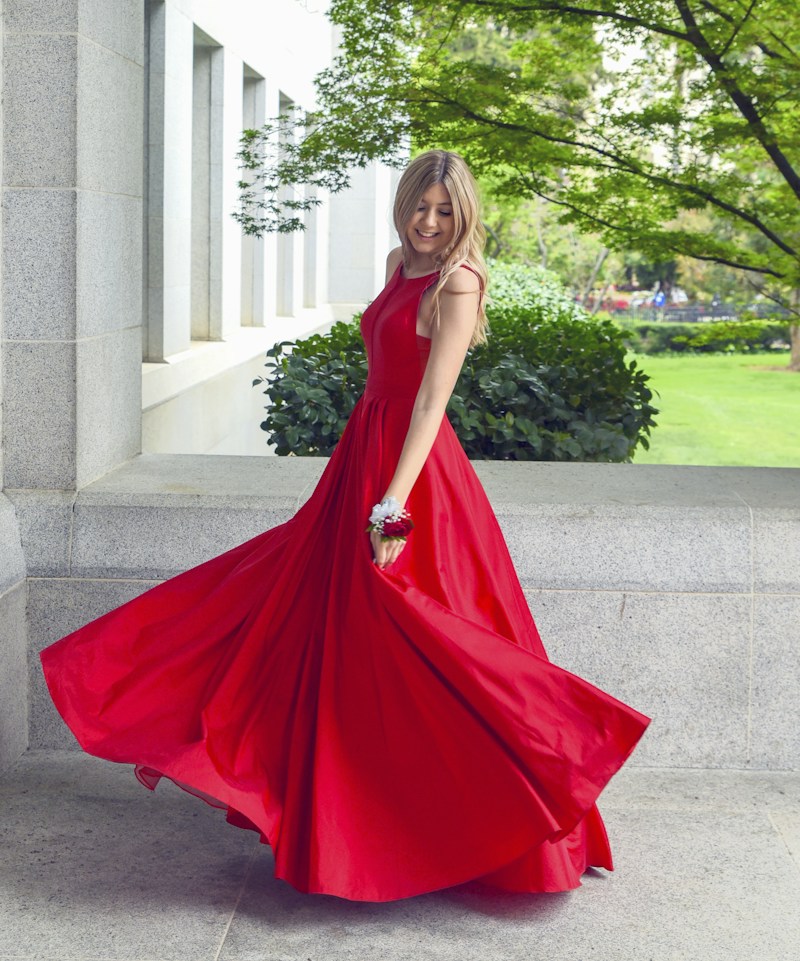
Why the Sheath Dress Still Sets the Standard for Modern Dressing
The sheath dress endures because it is engineered around a single idea: reduce a garment to its essentials and let the fit do the talking. Where other dresses rely on embellishment, tiering, or dramatic volume to make an impression, the sheath relies on proportion and clean lines. That restraint is precisely what makes it so useful. A sheath dress reads as formal when it is cut from a structured fabric and styled with heels, yet it reads as relaxed when it is made from a soft knit and paired with flat sandals, and it can slip into evening the moment you add jewellery and a heel. Few garments can move across that much ground without a change of clothes, and almost none can do it while remaining this understated. There is also a practical argument that women discover the moment they own one: the sheath eliminates decisions. Because the silhouette is complete on its own, you never have to think about whether the top works with the skirt or whether the layers are proportioned correctly — the dress has already resolved all of that. The result is speed without carelessness. Retail data supports the durability of the category. Analysts tracking the apparel market have consistently found that tailored, classic dress styles sell steadily regardless of the trend cycle, while more experimental silhouettes spike and disappear, and the sheath sits firmly in that dependable group because it satisfies both professional and social needs at once. That combination of versatility, speed, and longevity is rare, and it explains why the sheath dress has never truly left the stores. There is one further reason the shape keeps winning: it photographs and presents extremely well. Because the eye follows a single clean line rather than a busy surface, a sheath always looks deliberate in a way that more complicated dresses often do not, whether you are standing in a conference room or sitting for a portrait. For anyone building a wardrobe that has to perform in public, that reliability is worth more than novelty, and it is the quiet reason so many women keep coming back to the same silhouette season after season.
Where the Sheath Dress Came From and Why the History Still Matters
Understanding the sheath dress’s origins makes it easier to appreciate why it looks the way it does. The silhouette is a direct descendant of the 1920s move toward simpler, more body-conscious clothing, when designers began removing the corsetry and heavy layering that had shaped women’s dress for decades. Coco Chanel is the figure most often credited with pushing fashion toward pared-back, functional elegance in that period, and her influence set the stage for a dress that hugged the figure without constricting it. By the 1950s and 1960s the shape had matured into the sheath as we recognise it today: a narrow, generally unwaisted dress that skims the torso and hips and ends somewhere between the knee and the mid-calf. The name itself comes from the idea of a close-fitting cover, and that literal meaning is a useful reminder that the sheath is defined by how closely it follows the body, not by any decoration applied on top. The late Coco Chanel is often quoted as saying, “Simplicity is the keynote of all true elegance,” and the sheath dress is perhaps the clearest garment-level proof of that principle. It also connects to the history of the little black dress, which was introduced as a versatile, unfussy staple and quickly became a wardrobe anchor in much the same way the sheath did. Knowing this history is not trivia. It explains why the sheath reads as timeless rather than dated, and why a version bought today can still look current a decade from now. The same modernising instinct also explains why the shape returns every time fashion grows tired of excess: whenever volume, frills, or maximalism dominate the runways, the pendulum eventually swings back toward restraint, and the sheath is always waiting on the other side. That pattern has repeated through the minimalism of the 1990s, the quiet-luxury movement of the 2020s, and every understated moment in between, which is why the dress never feels like a revival. It is less a trend that comes and goes than a baseline that fashion keeps rediscovering.
What Separates a Sheath Dress From Every Other Fitted Dress
It is easy to confuse the sheath dress with its close relatives, but the differences matter when you are shopping. A bodycon dress is also fitted, yet it clings far more aggressively and is usually made from stretch fabric that emphasises every curve; the sheath, by contrast, skims, leaving a little breathing room so the line stays elegant rather than exposed. A pencil dress is often used as a synonym, but strictly speaking a pencil dress tends to be defined by a very narrow skirt and a defined waist, while the sheath is more of an overall principle — narrow throughout, generally without a cinched waist. A shift dress is the sheath’s opposite in one key respect: it skips the waist entirely and falls straight from the shoulders, which makes it forgiving but less shapely. A wrap dress adjusts at the waist and suits a wider range of bodies through its tie, but it is a softer, more casual register than the sheath. The distinction that matters most is structural. The sheath dress is built to create one continuous, vertical line from shoulder to hem, and every design decision — the placement of darts, the depth of the neckline, the length of the hem — serves that single goal. That is why a good sheath flatters so many different figures: it does not impose a shape, it refines the one you already have. When you try one on, look for that unbroken line. If it breaks — because the fabric bunches, the waist pulls, or the hem kicks out — the cut is wrong, not your body. A useful way to think about it is that the sheath dress is the tailoring equivalent of a well-cut suit jacket: it does not add anything, it simply organises what is already there into a cleaner version of itself. That is also why it flatters a fuller figure as readily as a slim one, provided the fit is correct, because the goal is a smooth, continuous outline rather than an hourglass imposed from outside. Once you understand that the shape is a line rather than a look, the whole category becomes much easier to shop for.
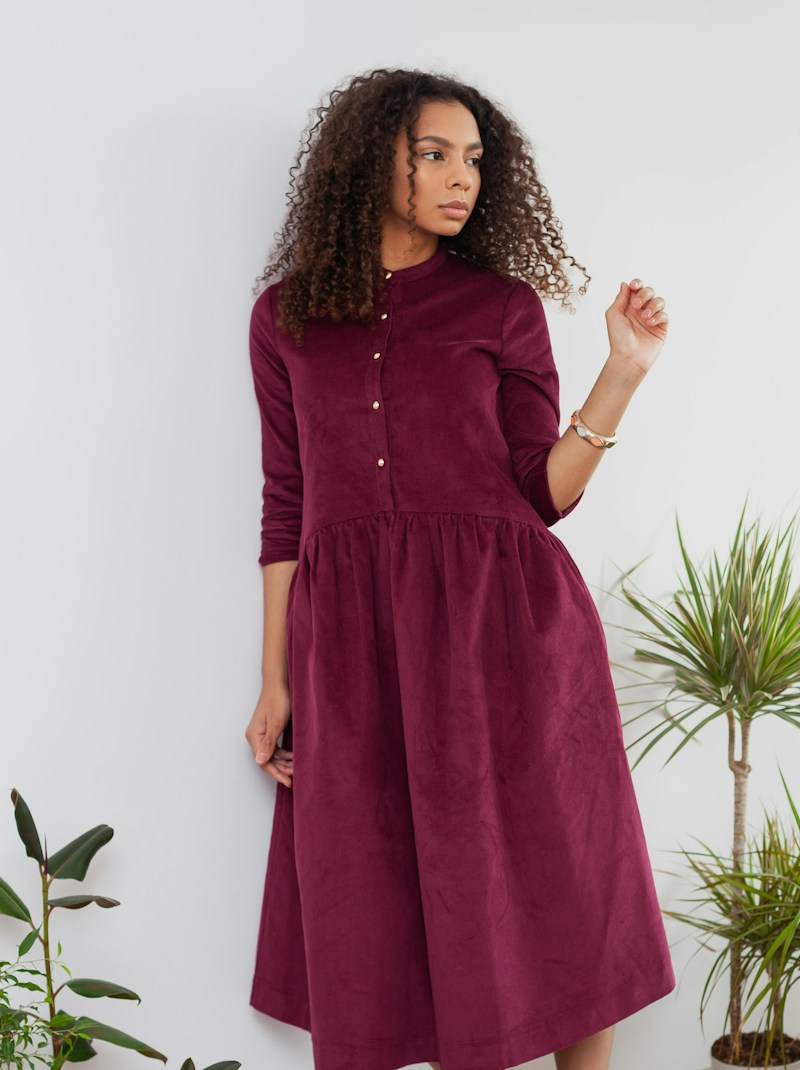
Choosing the Right Sheath Dress for Your Shape and Your Life
Because the sheath dress follows the body so closely, getting the details right matters more than it does with looser garments. Start with the neckline, which controls where the eye lands first. A scoop or V-neckline lengthens the neck and balances a fuller bust, while a higher boat or crew neckline creates a crisp, professional top line that suits a smaller frame. Then look at the waist. A true sheath usually has no waistband, but the position of the darts inside the dress determines whether the waist is gently acknowledged or entirely straight, and choosing the version that matches your proportions is what makes the difference between “fine” and “made for me.” Next, decide on length. A knee-length sheath is the most versatile and the most office-appropriate; a midi sheath reads more modern and is warmer for autumn and winter; a mini sheath leans younger and more casual and works best with opaque tights in cold weather. Fabric follows. A ponte or structured crepe holds its shape and forgives more, making it a good first purchase, while a fine knit is comfortable but shows every line, so it demands smoother underpinnings. Finally, think about your actual week rather than an imagined one. If most of your days involve work, buy the structured, knee-length version in a neutral colour, because it will earn its cost back fastest. If your schedule is divided between office and social occasions, a midi in a slightly richer colour stretches further. The single best test is simple: sit, stand, and walk in front of a full-length mirror, and buy the sheath dress that still looks composed after all three. It also pays to bring the shoes and the bra you actually intend to wear with the dress when you try it on, because both change the fit more than most shoppers expect, and a sheath that looks perfect with the wrong underpinning or the wrong heel can look entirely different once you get it home. Buying to suit the life you genuinely live, rather than the one you imagine, is what separates a dress that hangs unworn from one that becomes a weekly default.
Styling a Sheath Dress for Work, Weekends, and Evening
The reason a sheath dress feels so much more useful than its simplicity suggests is that its neutrality makes it a canvas. For work, keep everything around it precise: a structured blazer over the shoulders when you need authority, a slim belt if the cut allows it, pointed or square-toe heels, and a clean leather tote. Add a fine-gauge turtleneck underneath in colder months and the sheath becomes a winter-ready outfit without any loss of polish. For weekends, deliberately soften the register. Layer an oversized knit or a cropped cardigan over the sheath, swap the heels for clean white sneakers or ballet flats, and add a crossbody bag; the contrast between the fitted dress and the easy layers keeps the outfit from looking like office wear on a day off. For evening, the sheath needs almost nothing added — a silk scarf, a statement earring, a heeled boot or a strappy sandal, and a clutch are enough, because the silhouette is already doing the structural work. Proportion is the principle that holds all of this together. Because the sheath is narrow, a long, loose top worn over it can blur the line and make the whole outfit look shapeless, so tuck or half-tuck anything soft, or keep outer layers either cropped or tailored. Footwear changes the mood most of all: heels sharpen, boots ground, sneakers relax. Once you treat layering, proportion, and shoes as three simple levers, styling any sheath dress becomes instinctive rather than intimidating. It also helps to decide the dress’s role in advance: if it is your professional anchor, keep the accessories quiet and the palette neutral, and if it is your social piece, allow a little more colour and shine. Dressing with that intention in mind turns the same garment into two distinct wardrobes, and it removes the guesswork that so often makes getting dressed feel harder than it should. If you want a deeper set of ideas, our guide on how to style a sheath dress across every season walks through the full range of looks in more detail.
Fabric, Colour, and the Details That Tell Quality From Compromise
With a tailored dress, the fabric does as much of the work as the cut, so it deserves close attention. The most dependable choices for a sheath are mid-weight fabrics with a little structure: wool crepe, ponte, heavy jersey, structured cotton blends, and good-quality ponte knits. These hold a clean line, resist wrinkling through a long day, and drape well enough to skim rather than cling. Be cautious with very thin, high-stretch knits, which reveal every seam and ripple, and with stiff, unyielding fabrics, which can fight the body and crease at the hip. Lining is another marker of quality. A fully lined sheath sits better, slides over undergarments without catching, and keeps its shape over years of wear, so a lined dress is usually worth the extra cost. Then there is colour. Black, navy, charcoal, and camel are the classic neutrals for a reason: they work with everything, they look appropriate in almost any setting, and they hide the minor wear that shows up on pale fabrics. If you want your sheath to feel less like a uniform, add one or two richer tones to your rotation, such as deep burgundy, forest green, or a soft oatmeal, all of which read as considered rather than loud. The most telling details are often the quietest: the finish of the seams, the quality of the zip, the way the neckline is bound, and whether the hem hangs level. A sheath dress with excellent fabric, a full lining, and clean construction will out-perform a cheaper version in looks and in lifespan, which is why treating it as an investment rather than a bargain almost always proves the smarter financial decision. It is worth checking one or two physical details in person whenever you can, because they reveal more than any label: hold the fabric up to the light to judge its weight and opacity, run a finger along the inside seam to feel whether it is finished or raw, and check that the lining is attached smoothly rather than twisting. These small inspections take seconds, yet they reliably separate a dress that will hold its shape for years from one that will sag within months, and they are the fastest way to buy well.
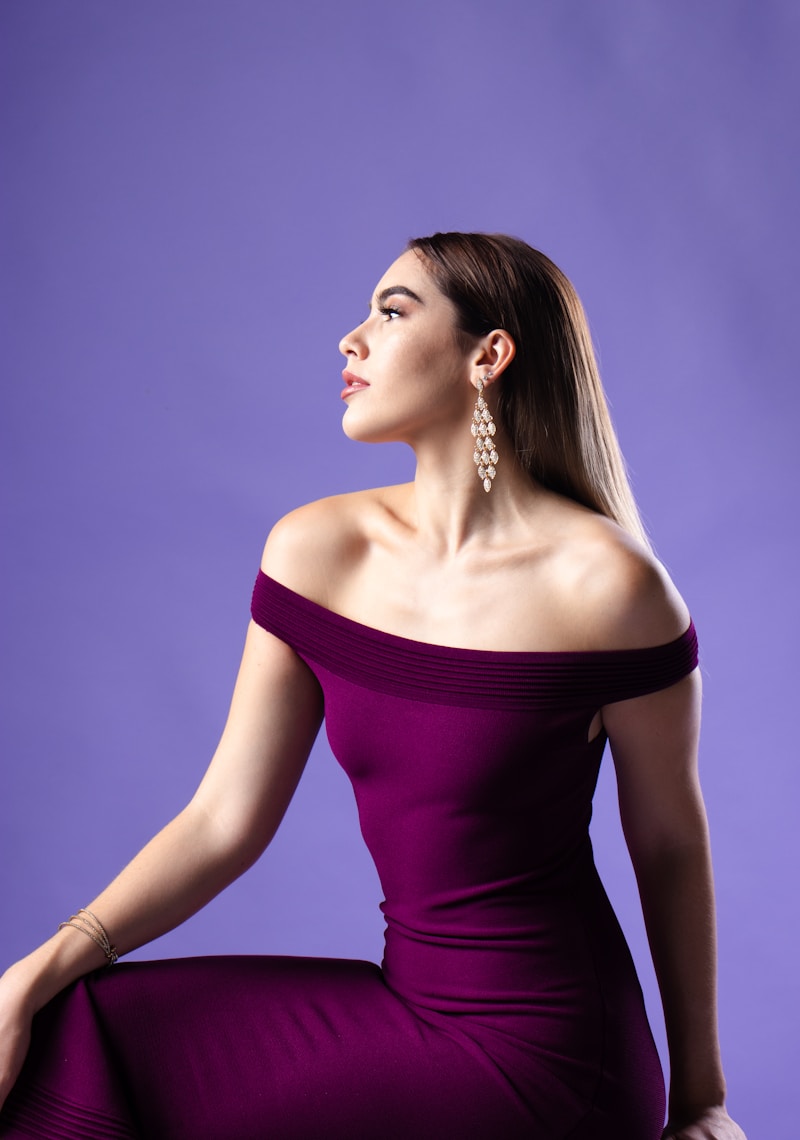
A Week of Outfits Built Around One Sheath Dress
The most convincing argument for the sheath dress is how much a single one can do, so it is worth mapping a real week around it. Take one structured, knee-length sheath in navy and watch how far it stretches. On Monday, wear it with a fine turtleneck underneath and pointed flats for a quietly authoritative start to the week. On Tuesday, add a cropped blazer and a slim belt to push the outfit into a sharper register for meetings. On Wednesday, layer an oversized cardigan over the top, add white sneakers, and let the dress read as smart-casual for a day of errands and desk work. On Thursday, wear it alone with a statement earring and heeled ankle boots for a dinner that follows straight on from the office. On Friday, soften the whole look with a chunky knit draped over the shoulders and ballet flats, turning the same dress into something relaxed and weekend-oriented. Across the weekend itself, a denim jacket and canvas trainers make it feel casual, while a silk scarf and a strappy heel transform it back into evening wear. The reason a single sheath can cover all of this is that it borrows the mood of whatever it is styled with rather than imposing a strong mood of its own. That efficiency is what makes a capsule built around one good sheath so powerful: instead of owning five dresses that each work for only one occasion, you own one that works for all of them. Worn across textures, layers, and shoes, one thoughtfully chosen sheath dress quietly outperforms a whole rail of one-note pieces. It is also the ideal travel companion, because it folds flat, weighs almost nothing, shrugs off wrinkles when it is made from structured fabric, and can be dressed up or down with only a scarf, a pair of shoes, and a jacket packed alongside it. Many frequent travellers build their entire suitcase around one or two sheaths for exactly this reason: the dress adapts to a business meeting in the morning and a dinner in the evening without a second outfit, which is efficiency no other single garment really matches.
How to Care for a Sheath Dress So It Keeps Its Line
A tailored dress is only as good as the line it holds, and that line depends on how you treat it between wears. The first habit worth building is to rest the dress. Hanging it back in the wardrobe immediately, especially after a day of sitting in it, allows the fabric and any slight stretch to recover, which keeps the fit truer for longer. Second, follow the care label precisely, because the fabric you chose dictates everything. Wool crepe and structured blends generally prefer gentle dry cleaning, while ponte and heavy jersey may tolerate a cool, gentle machine wash, but hot water and tumble drying will distort a tailored garment faster than almost anything else. Third, steam rather than iron wherever possible. A hand steamer lifts creases and refreshes the fabric without the flattened, glossy marks that a hot iron can leave on structured material. Fourth, handle the weak points gently: zips, hooks, and shoulder seams are usually the first components to fail, so fasten zips before storing and repair small faults early rather than letting them grow. Fifth, store the dress on a proper hanger in a ventilated wardrobe rather than a crowded one, and keep it away from damp walls and prolonged direct sun, both of which fade and weaken fabric over time. Treated with this level of care, a well-made sheath dress can comfortably last for years, and its cost per wear falls with every outing. Like any good investment, it rewards consistency rather than fuss, and a few small habits are all it takes to keep it looking as sharp as it did the day you brought it home.
A sheath dress is one of the few garments that earns its keep across work, weekends, and evenings without ever feeling like a compromise. It solves the daily problem of what to wear by removing the need to coordinate pieces, it flatters a wide range of figures because it refines rather than reshapes, and it stays current because its strength is proportion and line rather than fashion moment. The surrounding decisions are what protect that value: choose a neckline and length that suit your frame and your real life, invest in structured fabric and a full lining rather than a bargain, style it with deliberate contrast, and care for it so the line holds for years. Whether you begin with a structured navy knee-length sheath or a softer midi in a richer tone, the goal is the same — one dress that works harder and looks calmer than a dozen impulse buys. Buy it once, buy it well, and the sheath dress will quietly become the piece you reach for whenever you need to feel certain in what you are wearing.