

Some garments announce themselves. Others simply make the coldest months bearable, one warm night at a time. The flannel nightdress belongs firmly to the second group. It is brushed, it is soft, and it does something that almost nothing else in a wardrobe does well: it keeps you warm without making you sweat. As the nights draw in and the heating goes on, the sleepwear that served you through summer suddenly feels thin and unforgiving, and that is exactly the moment the flannel nightdress returns to the front of the drawer. This is not nostalgia for a grandmother’s nightgown; it is a practical decision that a growing number of women are making deliberately. According to a widely documented textile history, flannel has been woven and brushed for warmth for centuries, and the fabric has never really needed reinventing to stay useful. It is one of the few classic textiles that has quietly outlasted every synthetic challenger, because nothing man-made quite replicates the way brushed cotton traps warmth while still letting the skin breathe. This guide explains why the flannel nightdress deserves a permanent place in your winter drawer, how to choose one that fits your climate and your body, how to style it beyond the bedroom, and how to keep it soft for many seasons.
Why Flannel Is the Fabric Autumn Nights Were Made For
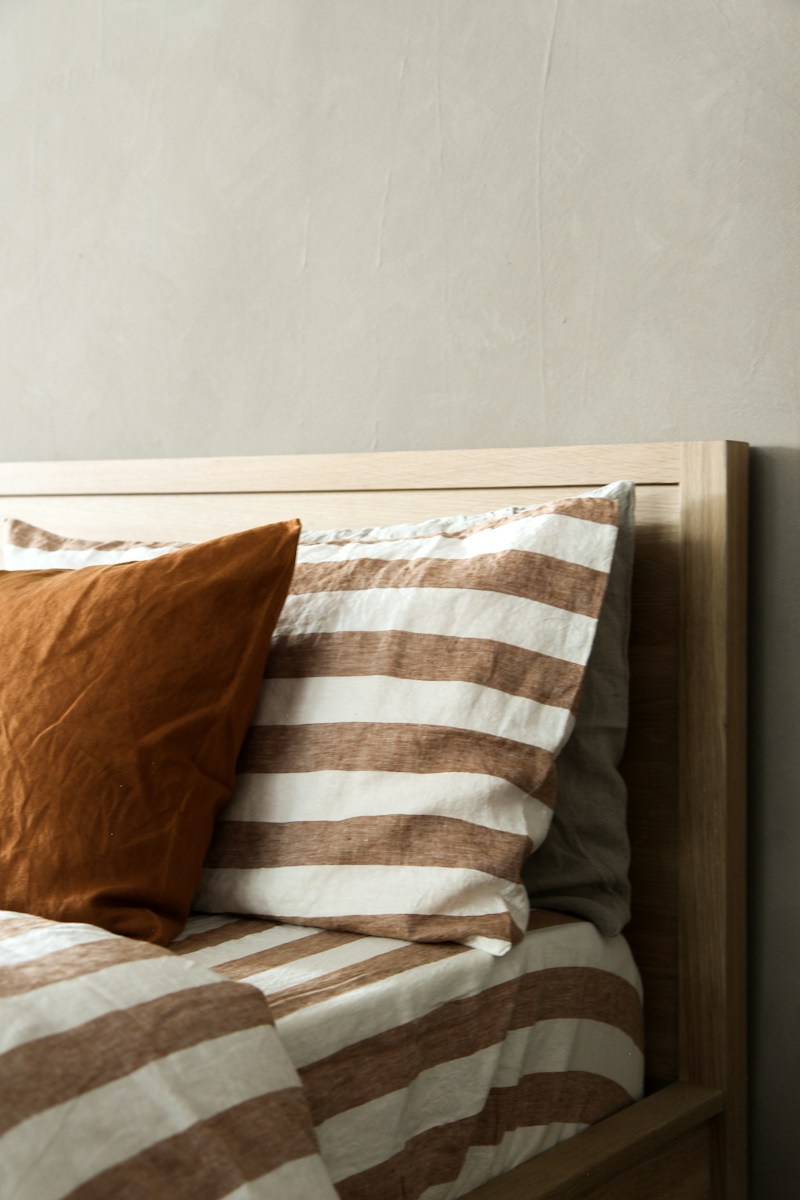
Flannel is not a fibre, it is a finish — and understanding that changes how you shop for it. The word describes cotton, wool or a blend that has been woven loosely and then brushed on one or both sides, raising a soft nap of fibres that traps a layer of still air against the body. That trapped air is the entire secret: it insulates, because air is a poor conductor of heat, yet the loose weave still allows moisture to escape, so the fabric warms without becoming clammy. A flannel nightdress therefore does what heavy fleece cannot. It holds warmth close to the skin on a cold night but never feels suffocating, and it stays comfortable even when the bedroom is heated or the duvet is thick. Historically, flannel earned its reputation the hard way. Welsh and English mills produced it as working fabric for cold, damp climates, and it became the standard winter textile for everyone from sailors to schoolchildren long before central heating existed. When you wear a flannel nightdress today, you are wearing a fabric that was engineered — over generations — for exactly the problem autumn and winter create. There is also a sensory reason the material has endured. The brushing process gives flannel a gentle, velvety surface that feels warm the instant it touches the skin, unlike crisp cotton or cool silk, which can feel shocking on a cold evening. That immediate softness is why so many people describe a flannel nightdress as comforting rather than merely warm. For anyone who reads in bed, gets up in the night, or simply hates the moment a cold sheet meets bare legs, that difference is not cosmetic — it is the whole point. And because the fabric is breathable, you avoid the trap many people fall into with fleece pyjamas, where a warm start turns into overheating at 2 a.m. A flannel nightdress is the rare piece of winter clothing that is genuinely comfortable for the entire night, not just the first hour.
What Flannel Actually Does for Warmth and Sleep
The case for flannel sleepwear is not just tradition — it is physiology. The *Sleep Foundation* notes that sleep quality depends heavily on the body’s ability to regulate temperature through the night, and that clothing is one of the most direct tools you have to support that process. A flannel nightdress helps in a specific, measurable way: by keeping the skin’s surface warm without trapping excess moisture, it prevents the cycle of overheating followed by chills that wakes so many people in winter. When your core temperature is allowed to fall gently toward sleep onset but your skin stays insulated from the cold air, you spend longer in the deep, restorative stages of sleep and wake less often. Brushed cotton is also gentle on reactive skin in a way that synthetic fleece is not: it is naturally hypoallergenic, it does not build up the static that irritates sensitive skin, and it is free from the chemical finishes that some petroleum-based fabrics carry. For anyone who suffers from winter itch — the dry, prickly skin that central heating and cold air produce — a flannel nightdress does real, practical good, because the brushed surface reduces friction against the skin and holds a little warmth that helps circulation in the extremities. There is a durability argument as well. A well-made flannel nightdress usually improves for the first year or two, as washing softens the nap further, and a quality brushed cotton can comfortably outlast several cheap jersey nighties. That combination of warmth, breathability, skin-friendliness and longevity is why flannel has never been displaced from the winter drawer, no matter how many high-tech fabrics arrive on the market.
How to Choose a Flannel Nightdress You’ll Wear All Winter
Because flannel varies so much in weight and quality, the choice is worth getting right. The first thing to check is the fibre content. Pure cotton flannel is the most versatile: soft, breathable and easy to wash, and it works for most bedrooms. Cotton-and-wool blends are warmer and better for genuinely cold houses, but they can be slightly scratchier and need more careful washing. Brushed cotton flannelette, the lighter brushed weave you often see in affordable nightwear, is excellent for autumn and mild winters but thinner than true flannel, so it will not hold up in an unheated house in January. Look closely at the label rather than the marketing name. The second decision is weight. A light, single-brushed flannel nightdress is ideal for transitional autumn weather and heated bedrooms; a double-brushed or heavier flannel is the right call for unheated rooms and cold climates. If you run hot at night, choose the lighter weight even in winter and layer with a dressing gown rather than buying one thick garment you will overheat in. The third is the cut. Flannel has a little stiffness of its own, so a generous, loose or A-line shape tends to drape better and feel less constricting than a tight-fit style. Side slits help you move in your sleep. Long sleeves and a button-front fastening are the most practical details for cold nights, and a long, ankle-covering length is the warmest option short of wearing a robe in bed. The fourth is sizing. Buy a flannel nightdress in the loosest size you are comfortable with, because a brushed fabric has less natural give than jersey and should never pull across the chest or shoulders. Get these four decisions right and you will own a flannel nightdress you genuinely reach for every evening, rather than one that stays folded at the back of the drawer until the coldest week of the year.
Styling a Flannel Nightdress Beyond the Bedroom
Flannel has quietly crossed over from the bedroom into everyday dressing, and that is one of the best reasons to invest in it now. The cosy, layered mood that defines recent autumn wardrobes — brushed textures, warm tones, relaxed shapes — means a well-cut flannel nightdress no longer looks strictly like sleepwear. Worn with thick socks and a soft knitted cardigan, it reads as comfortable weekend loungewear; tucked into an oversized jumper or worn under a long open coat, it can work as a genuinely wearable, slightly nostalgic outfit for a slow morning at home; and in the evening, thrown over with a robe and slippers, it becomes the warmest possible way to end the day. This versatility is exactly why the piece is good value. Many women now keep two flannel nightdresses — a lighter one for early autumn and spring, and a heavier one for the depths of winter — and both earn their keep far more than a single-purpose garment would. There is also a styling detail worth remembering: because brushed cotton absorbs light rather than reflecting it, flannel looks softer and more understated than satin or silk, which means it layers without the shine that makes fancier fabrics feel strictly indoor-only. A pale, muted flannel nightdress in oatmeal or dusty pink worn under a chunky cardigan looks deliberately relaxed; a deep, jewel-toned flannel reads warmer and more elegant. Colour matters more in flannel than in almost any other nightwear fabric, because the brushed surface diffuses and softens even strong shades, so a rich evergreen or berry tone stays wearable rather than loud. Whether you treat it purely as sleepwear or use it as loungewear on cold weekends, a flannel nightdress earns far more of its price the more you allow it out of the bedroom.
Flannel vs. Other Sleepwear Fabrics: An Honest Comparison
It helps to see flannel in context, because the “best” nightwear fabric depends entirely on the season and on how your body responds to warmth. Cotton jersey is soft and stretchy and unbeatable in summer, but it offers almost no insulation, which is why it struggles in an autumn or winter bedroom. Satin and silk feel luxurious and stay cool to the touch, which makes them ideal for warm climates and summer nights, but they are the opposite of warm and they show every crease. Fleece is the warmest option on paper, yet it is usually made from synthetic polyester, which traps heat and moisture and quickly becomes uncomfortable for anyone who runs warm. Flannel sits in the middle in exactly the right way: warmer than jersey, more breathable than fleece, warmer than satin, and far less fussy to launder than silk. The main trade-off is wear and tear — flannel can pill if it is washed carelessly, and cheap flannelette thins with repeated hot washes — but a quality flannel nightdress, cared for properly, comfortably outlasts the alternatives. There is also a sustainability dimension. Because natural-fibre flannel is durable and gets softer with age, one good flannel nightdress can replace several disposable synthetic ones over the same period, which means fewer garments bought and thrown away. The comparison points to a simple conclusion: rather than owning one nightdress for every temperature extreme, it makes more sense to build a small rotation — a jersey or cotton option for warm months and a flannel nightdress for everything from early autumn to late spring. That way the two fabrics cover the entire year between them, and you are never either shivering in summer cotton in November or overheating in fleece in a heated house.
How to Wash and Keep a Flannel Nightdress Soft for Years
Flannel is easy to live with, but a few simple habits decide whether it stays soft for a couple of seasons or a decade. Wash it inside out on a cool or lukewarm cycle, ideally on a delicate setting, with a mild, pH-neutral detergent. Hot water is the single biggest destroyer of brushed cotton: it mats the nap, shrinks the fabric and encourages pilling, so keep the temperature low. Skip fabric softener entirely. It leaves a waxy coating that flattens the brushed surface, reduces breathability and makes flannel feel stiffer rather than softer — the opposite of what the fabric is for. If you want extra softness, add half a cup of white vinegar to the rinse now and then; it removes detergent residue and helps the fibres stay supple. Never tumble-dry a flannel nightdress if you can help it. Line-dry it in the shade or lay it flat, because heat from a dryer not only shrinks flannel but roughens the nap and weakens the weave with every cycle. If you must use a machine dryer, choose the lowest heat and take the garment out while it is still slightly damp. Iron only the collar or cuffs if needed, on a low setting, and never press the brushed surface flat. Storage matters too: fold flannel loosely into a dry drawer rather than hanging it on a wire hanger, which distorts the shoulders over time, and let the fabric breathe rather than sealing it in plastic. Follow these habits and a good flannel nightdress will not age so much as mellow, getting softer and more comfortable with every winter it survives.
Mistakes That Ruin a Good Flannel Nightdress
Most disappointing flannel nightwear fails for predictable, avoidable reasons. The first is buying on price alone. Very cheap flannelette is often thin, loosely woven and prone to pilling within a few washes, so it looks tired long before it wears out. Pay a little more for a denser, properly brushed weave and you will feel the difference on the very first cold night. The second mistake is washing too hot and too often. As noted, heat is flannel’s enemy, and a nightdress does not need laundering after every single wear; airing it between nights keeps it fresh and saves the fibres unnecessary wear. The third is choosing a snug fit. Brushed cotton has less give than jersey, and a flannel nightdress that is too tight will pull, ride up and wake you up — always size up rather than down. The fourth is ignoring the seams and labels. Rough overlocked edges or a stiff, scratchy label are exactly the details that turn a warm, comfortable nightdress into an uncomfortable one, so check them before you buy and trim anything that rubs. The fifth is dismissing colour. While a classic cream flannel nightdress is lovely, deeper tones such as forest green, rust and navy hide wear far better and stay looking new for longer, which matters in a garment you will wash weekly for years. Finally, resist the urge to treat nightwear as disposable. Buy two or three flannel nightdresses you actually enjoy, care for them properly, and they will quietly outlast the trend pieces you would otherwise replace every season — delivering the same simple thing every night: warmth that does not turn into overheating, and comfort you feel the moment you put it on.
The flannel nightdress earns its place for the same reason the best basics always do: it solves a real problem well. It warms you on the coldest nights without making you clammy, it grows softer as the winters pass, it is kind to reactive skin, and it works as beautifully for a slow weekend at home as it does for a deep autumn sleep. Choose the right fibre and weight for your climate, a loose cut that lets you move, and a length that keeps you warm where you need it, then care for the fabric with the same attention you give your finest daytime clothes. Do that and a single flannel nightdress will keep its promise night after night, through autumn rain and midwinter cold, doing exactly what good winter clothing should: making the darkest, coldest hours of the year a little softer, a little warmer, and a great deal more comfortable.