

There is a stretch of the year — roughly from the first cool morning in September to the last grey afternoon in December — that quietly dismantles the rest of the wardrobe. Summer pieces feel too thin, winter pieces feel too heavy, and the day itself refuses to commit to either. The garment that has solved that stretch for me, season after season, is a long sleeve dress. Not a party dress, not a summer dress stored in the wrong month, but a proper one: sleeves that actually reach the wrist, a fabric with enough weight to hold a line, and a cut simple enough that it never announces how hard it is working. A long sleeve dress is what you reach for when the weather is undecided and your calendar is not, and it quietly covers everything from a nine a.m. meeting to a late dinner without a single change of clothes in between.
What makes the long sleeve dress unusual is that it does two jobs that most garments split between two separate pieces. It provides the coverage of a top and the polish of a skirt or trousers in one item, which means one decision instead of three, and it does so in a shape that reads as deliberate rather than lazy. The piece has spent decades being treated as the sensible, slightly boring option in a wardrobe — the one you buy for work and forget about — and that reputation has always undersold it. Below I have gathered what actually makes a long sleeve dress work: why it outperforms almost everything else in transitional weather, where the silhouette came from, what it does for the body, which fabrics and cuts are worth the money, how to wear one piece across a whole day, how to match it to your shape, and how to keep it looking sharp for more than one autumn. If you have been treating it as a compromise, the honest case is that it is one of the smartest buys you can make.
Why the Long Sleeve Dress Wins the Transitional Season
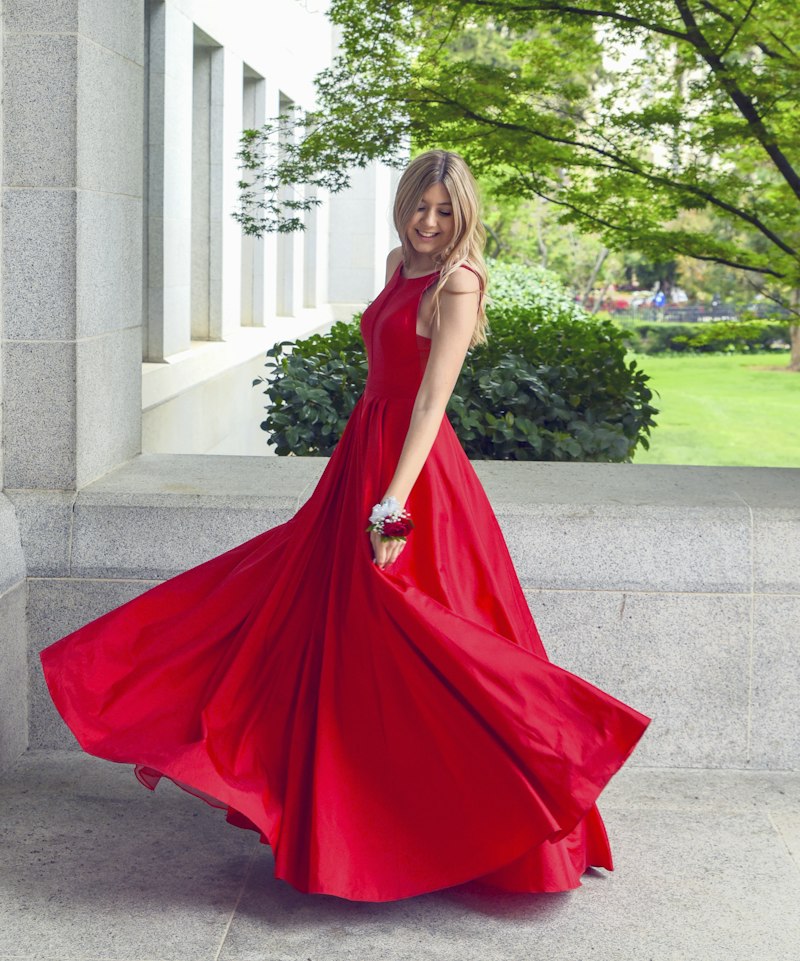
The core argument for the long sleeve dress is temperature range, and it is a stronger argument than it sounds. Sleeves add warmth where the body loses heat fastest — the arms and the wrists — without adding the bulk of a coat or the trapped heat of a sweater worn over a separate skirt. That means a long sleeve dress sits in the exact middle band where most autumn and early-winter days actually live: cool enough in the morning to justify full coverage, light enough by midday to avoid the overheating that makes a heavy knit feel like a mistake. You can wear the same long sleeve dress on a fourteen-degree afternoon and a six-degree evening and stay comfortable through both, which is a range that very few single garments can genuinely manage. Fewer layers also means fewer decisions, and fewer decisions on a rushed morning is its own quiet luxury.
The second, less obvious advantage is visual coherence. When the sleeves and the body of a garment are cut from the same fabric and colour, the eye reads one continuous shape instead of a top fighting a bottom, and the whole silhouette looks longer and calmer as a result. A long sleeve dress removes the horizontal break at the waist that comes with tucking, belting, or layering mismatched tones, so the body reads as a single vertical line from shoulder to hem. That is the same trick that makes a well-chosen coat or a jumpsuit look expensive, applied to a garment that costs a fraction of either. It is also why a long sleeve dress photographs so reliably and why it survives the transition out of a professional setting into something more social without any adjustment at all — the line does the work, and you simply move through the day inside it. According to McKinsey’s annual State of Fashion analysis, shoppers are increasingly buying fewer, more versatile pieces and prioritising garments that cover multiple occasions, which is exactly the logic a single well-made long sleeve dress embodies.
A Short History of the Long Sleeve Dress
The sleeve is one of the oldest and most loaded details in dress history, and its length has always carried meaning beyond warmth. According to the documented history of the sleeve, sleeve shapes have signalled class, modesty, profession, and rank for centuries, tightening and widening with each era’s anxieties. Full-length sleeves on dresses were once a mark of formality and respectability in European dress, and the plain long-sleeved dress was the working wardrobe of generations of women long before it became a fashion statement. The long sleeve dress inherited that seriousness, which is precisely why it reads as composed rather than casual today.
The twentieth century moved the piece in two directions at once. Couture and evening wear kept the long sleeve as a device for elegance, using fluid cuffs and dramatic shapes to turn a covered arm into a statement, while everyday ready-to-wear made the simple long sleeve dress the default for work, travel, and church. When the little black dress taught shoppers that a single dark garment could be the most versatile thing they owned, the long sleeve dress absorbed the same lesson in a warmer construction. Broadly, the exchange is well summarised in the general history of the dress as a garment, which traces how the one-piece dress repeatedly won the argument against separates whenever practicality and polish were both required. By the time modern designers revived clean, modest dressing in the last decade, the long sleeve dress was already sitting in millions of wardrobes, quietly ready for its second life as a style piece rather than a duty piece.
What a Long Sleeve Dress Does for Your Silhouette
The reason a long sleeve dress flatters so many body types comes down to continuity, and continuity is the single most powerful tool in the styling toolkit. Because there is no break between the sleeve, the bodice, and the skirt, the eye follows one unbroken line from the shoulder downward, which reads as height and smoothness rather than width. Sleeves also solve a specific problem that sleeveless dresses cannot: they soften and lengthen the arm, balance a broader shoulder line with a little structure rather than a bare strap, and remove the need to think about arm tone at all — a small thing that changes everything about how willing you are to stand up straight.
The second effect is control over proportion. A long sleeve dress lets you choose where the volume sits, because the sleeve adds weight at the shoulder and the skirt adds weight at the hem, and the two can be balanced deliberately. A fitted long sleeve dress gives a clean, lean column; a loose or balloon sleeve over a straight skirt shifts attention upward; a tucked waist with a flared hem creates the classic waist-to-length contrast. That flexibility means the same category of garment can flatter a petite frame and a tall one, a curvy figure and a boxy one, simply by changing the cut. It is important to be honest that a long sleeve dress is not magic — a poorly fitted one will look as awkward as any other badly sized garment — but when the shoulders sit correctly and the hem falls where it should, the covered, continuous line does more quiet favourability work than almost any detail you could add. That is the practical reason stylists return to it so often for clients who want to look put together without looking like they tried.
Fabrics and Cuts: Choosing a Long Sleeve Dress That Lasts
With a long sleeve dress, fabric decides whether the piece looks elegant or merely plain, and the rule is to look for weight and recovery rather than shine. A mid-weight knit, a fine wool blend, a ponte, a heavier crepe, or a good viscose blend will hold a clean line, drape softly, and resist the bagging and pilling that ruin lighter fabrics after a few wears. Sleeves are especially unforgiving: a thin fabric shows every wrinkle at the elbow, stretches at the cuff, and goes shiny with wear, while a slightly denser cloth stays smooth and keeps its shape all day. If you can see your hand through the sleeve when held to the light under ordinary conditions, the fabric is likely too thin for a long sleeve dress that you intend to wear as a staple.
Cut matters just as much as cloth. A straight or gently A-line long sleeve dress is the most universally useful, because it skims the body without clinging and works with a belt, a boot, or a bare ankle. A wrap or faux-wrap cut creates a defined waist and a flattering V, and a shirtdress cut gives structure and pockets in one move. For evening, a bias-cut long sleeve dress in satin or crepe skims rather than grips and moves beautifully, while a fit-and-flare version gives a small waist and a full hem. On construction, look for sleeves that are set well at the shoulder rather than dropping too far, a hem that hangs evenly all the way around, and a waist that sits where you want it without pulling. A quick test in the fitting room is to raise your arms and then lower them: a good long sleeve dress falls back into place, while a poor one drags at the shoulder and climbs at the hem. Buy the fabric and the cut that match your real week, and the piece will earn its cost many times over.

How to Style a Long Sleeve Dress for Work, Weekend, and Evening
One of the best things about a long sleeve dress is that it carries an entire day without a change, and the styling logic is simply to move what sits around it rather than overthinking the dress itself. For the office, choose a straight or wrap long sleeve dress in a solid dark or neutral tone, add a slim belt to mark the waist, finish with a low heel or a pointed flat, and keep jewellery restrained — the coverage already reads as professional, and the long line does the rest. For weekend, loosen everything: swap the belt for an open shirt or a cropped knit worn loose, add chunky boots or clean trainers, and carry a casual bag. The same dress that looked boardroom-ready on Monday reads relaxed on Saturday simply because the accessories changed, and that is exactly the economy the piece is built on.
Evening is where a long sleeve dress quietly surprises people who think of it as a daywear item. Swap the flat shoe for a heeled boot or a strappy sandal, add a silk scarf, a statement earring, or a metallic belt, and choose a small structured bag. A long sleeve dress in a jewel tone or a deep neutral reads as polished evening wear with none of the exposure or fuss of a sleeveless option, and it is far warmer for the walk between a car and a restaurant in late autumn. For colder days, layer a fine knit or a high-necked top underneath only if the dress is loose enough to allow it, or add a tailored coat draped over the shoulders so the vertical line survives. If you want to see how these combinations come together in finished pieces, from fluid bias cuts to structured everyday columns, browse the styling notes in the guide on the most elegant long sleeve dress and pick the cut that suits your own week. One good long sleeve dress can genuinely replace three separate outfits, which is why it so often becomes the most-worn thing in a wardrobe once the weather turns.
Finding the Right Long Sleeve Dress for Your Shape
Buying a long sleeve dress well is mostly about proportion rather than size, and the starting point is the shoulder. The sleeve seam should sit close to the edge of your natural shoulder; if it drops far down the arm, the whole dress will read as slightly oversized even when the body fits, and if it pinches, the sleeves will pull every time you reach forward. On a petite frame, a higher neckline, a shorter hem that finishes around the knee or just below, and a slimmer sleeve keep the line long and prevent the fabric from overwhelming the figure. On a taller frame, you can carry a longer midi or maxi hem, a wider or bell sleeve, and more volume at the skirt without losing balance.
For a curvy figure, a wrap or a defined-waist long sleeve dress with a slightly heavier fabric skims the body and creates a clear shape, and a V or scoop neckline balances a fuller bust far better than a high round one. For a straighter or boxy figure, a belted or shirred waist, a pleated or flared skirt, and a sleeve with a little volume all create the curve and movement that the body does not provide on its own. On length, the safest guide is to choose a hem that either finishes clearly above the ankle for a midi or clearly covers it for a maxi, because a hem that lands awkwardly in between tends to look accidental. Always try a long sleeve dress with the shoes you will actually wear it in, since a couple of centimetres of heel changes the entire line, and check the sleeve length with your arms both straight down and bent at the elbow. Match the cut to the body rather than to the trend of the season, and the long sleeve dress becomes a piece you wear for years rather than one you tolerate for a month.
Caring for a Long Sleeve Dress So It Lasts More Than a Season
A long sleeve dress is usually an investment piece, and it rewards the same care you would give any garment that cost real money. Most damage to a good dress comes from washing rather than wearing: hot water and a tumble dryer strip colour, shrink wool, and break down the elasticity that keeps a knit from sagging at the elbow. Turn the dress inside out, wash it cold on a gentle or wool cycle with a colour-safe detergent, and air-dry it flat or on a padded hanger in the shade. Wash it less often than you think you need to — airing a dress between wears removes most odour, and a day on a hanger plus a spot-clean will usually postpone a full wash by several wears without any harm to the fabric.
Storage and pressing keep both the colour and the line intact. Fold heavier knits rather than hanging them, so the shoulders do not stretch under their own weight, and hang structured wovens on a proper hanger so the hem stays even. When something needs pressing, use the lowest effective heat, work on the reverse, and use a pressing cloth on any fabric that could shine, because a shiny patch at the elbow or the seat is the fastest way to make an expensive dress look tired. A fabric steamer is usually kinder than an iron for anything with drape. Keep a lint roller within reach for knits, and repair a loose cuff or a small pull before it spreads, since a five-minute fix now saves a garment later. Looked after this way, one good long sleeve dress will hold its shape and its finish across several autumns and winters, which is the quiet case for choosing the better fabric in the first place rather than replacing a thin one every year. Treated as a staple instead of a season, it becomes the piece you reach for without thinking — and that, more than any trend, is what a real wardrobe is made of.