

Most wardrobe advice is really advice about colour, and most colour advice falls apart the moment the light changes. What actually separates an autumn outfit that looks resolved from one that looks unfinished is rarely the palette; it is the skirt and, more precisely, the way it is built at the waist. A bustier skirt solves a problem that has quietly annoyed women for decades: how to get a clean, held upper line without wearing a full corset, a tight belt, or fabric that pinches the moment you sit down. Instead of gripping the body with elastic or cinching it with a thin strap, a bustier skirt uses a structured, panelled waist that sits flat and stays flat, distributing pressure the way a well-made bodice does. The result is a silhouette that reads deliberate from the first glance, without any of the discomfort people associate with shapewear.
There is a second reason this particular piece has moved from the edge of the market to the middle of it. Autumn dressing is a negotiation between warmth and shape. Coats and heavy knits add volume, and once you are wearing three layers, the easy thing to lose is the waist — the whole outfit can turn into one soft block. A bustier skirt puts that waist back, but gently, by giving the eye a defined horizontal line where the bodice meets the skirt. It is the same trick a tailor uses when a jacket is cut to sit at the natural waist: nothing is squeezed, and yet everything suddenly looks intentional. Over the sections that follow, this piece looks at the bustier skirt properly — what the construction actually is, what the market data says about the appetite for defined waists, how to choose a version worth owning rather than a fast copy, how to style it for work, weekends and evenings, how to wear it across the whole autumn and winter, and how to look after it so it lasts for years. Read it once and you will be able to judge any bustier skirt on a rail in seconds, which is far more useful than another list of trends.
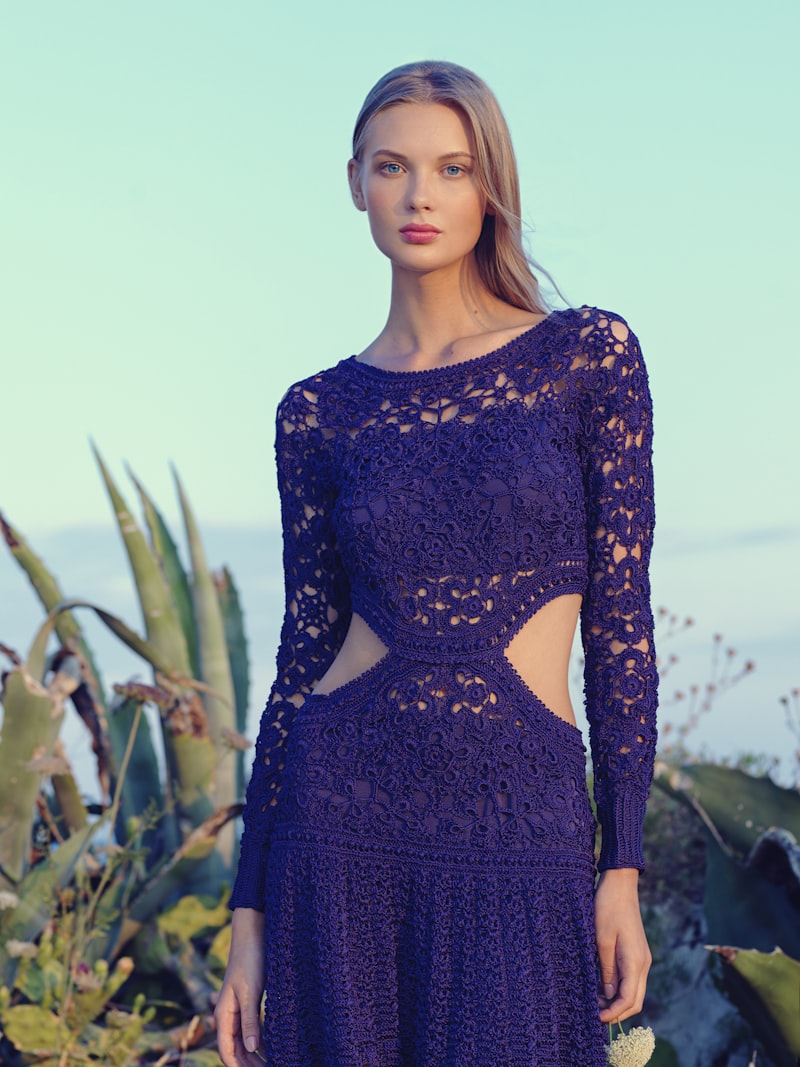
Why a Bustier Skirt Reads as Tailored, Not Trendy
The first thing a bustier skirt does is change the way the eye reads the body, and it achieves this almost entirely through structure rather than compression. A conventional fitted skirt relies on stretch fabric or darts to follow the hip and waist, which means it only looks as good as the day it was cut — sit, bend or eat, and the line softens. A bustier skirt is built differently. The upper section is usually panelled and sometimes lightly boned, so the fabric holds its own shape instead of clinging to yours. That single difference explains why the piece photographs so well and why it looks the same at nine in the morning and at nine at night. The skirt keeps a clean, architectural line across the waist, and because that line is stable, the whole outfit appears considered rather than thrown together. In a season full of soft, unstructured layers, a stable line is a genuinely rare thing.
The second advantage is proportion, and it is the reason the bustier skirt flatters across a wide range of body types rather than only the ones fashion usually celebrates. Because the waistband is a defined band rather than a tight cinch, it creates a visual break at the narrowest point of the torso, which lengthens the appearance of the legs without shortening the upper body. A high-waisted skirt can sometimes make the torso look short; a bustier waist, cut to sit slightly below the ribcage rather than at the navel, avoids that trap. It also handles the transition between top and bottom far more elegantly than a tucked shirt, which bunches, or an untucked shirt, which hides the waist entirely. The result is that odd, quietly luxurious feeling of being dressed rather than merely covered, which is exactly what people mean when they say a piece looks expensive.
There is a third, subtler point, and it concerns the historical weight of the idea. The structured bodice is not a new invention dressed up as novelty; it is one of the oldest ideas in Western dressmaking. As the reference entry on the corset explains, the aim of a stiffened bodice has, for centuries, been to support and shape the torso rather than simply to compress it — the boning distributes strain so that the garment, not the body, absorbs the pressure. The bustier skirt borrows that logic wholesale. It is not the corset returning as costume; it is the corset’s engineering applied to a modern, wearable garment, which is why it feels familiar and new at the same time. Trends come and go on the strength of their novelty, but pieces that borrow from genuine structural traditions tend to outlive them, and this is one of those pieces.
What Actually Makes a Bustier Skirt Different
To choose well, it helps to know exactly what you are buying, because the word “bustier” is used loosely in retail and a surprising number of so-called bustier skirts are nothing of the kind. A true bustier skirt has a high, panelled waist section — often between eight and fifteen centimetres deep — that is constructed with seams and, in better versions, with light boning or a firm interlining so that the band holds a shape independently of the body. The standard closure is a concealed side or back zip, sometimes with hooks for security, and the band usually sits on the natural waist or just above it. A skirt that simply has a wide, elasticated waistband, or a smooth high-rise with no internal structure at all, may look similar in a photograph but behaves completely differently on: it will roll, dig in, or collapse. The tell is always in the interior. Turn the piece inside out; if there is interlining, boning channels or a firm facing, it is the real thing.
The fabric matters just as much as the construction, and this is where the difference between a piece that lasts and one that does not usually reveals itself. A good bustier skirt needs a cloth with enough body to keep the waistband crisp — wool crepe, a firm cotton twill, heavy satin, a wool blend or a structured leather all work well, because they hold a line under their own weight. A very soft, fluid fabric such as a fine jersey or a lightweight viscose can technically be made into a bustier skirt, but unless the waistband is heavily interlined the structure fights the cloth, and the skirt ends up looking uncertain. This is not only an aesthetic point; it is a question of value. A structured fabric will not stretch out after a few wears, so the fit you loved in the changing room is the fit you still have two winters later, which is precisely the logic behind spending properly rather than often.
Finally, there is the question of lining and finishing, which is where a bustier skirt quietly declares its level. A lined skirt — particularly one lined in a smooth, breathable fabric rather than a cheap polyester — will glide over tights and knitwear instead of catching, and it will keep the outer fabric from stretching at the points of strain. Look, too, at the waistband’s inner facing: on a well-made bustier skirt it is usually stabilised with a strip of grosgrain or a firm woven tape, which stops the band from rolling down after an hour of sitting and standing. These are small, invisible details, and they are exactly the details that separate a piece you keep from a piece you end up donating. Once you know to look for them, a five-second inspection inside the waistband tells you more about a skirt’s quality than its price tag or its label ever will.
What the Data Says About the Return of the Defined Waist
It is one thing to argue that structured waists look good; it is another to show that the market has noticed, and here the numbers are unusually clear. In its annual trend reporting, the global fashion search platform Lyst has repeatedly recorded sharp rises in searches for corset-style and structured-waist garments, part of a broader shift sometimes described as “quiet structure,” in which consumers move away from shapeless comfort dressing and back toward clothing with an engineered fit. Retail analytics firm Edited, which tracks what retailers actually put on shelves, has similarly documented a steady increase in the share of new skirts launched with defined, high waistbands rather than simple elasticated ones — a supply-side signal that brands expect the demand to hold, not fade with the season.
The consumer-side picture is consistent with that. In survey work on dressing behaviour, research by the market-research group Statista found that a substantial and rising share of women aged roughly twenty-five to forty-five say they are willing to pay more for a garment that “fits well and holds its shape” than for one that is merely stylish, and that fit consistently outranks colour and trend as the single most important factor in a repeat purchase. Read together, the search data and the shelf data point the same way: structure is not being bought as an experiment but as a solution. The Business of Fashion, reviewing the same shift, framed it as a correction to a decade of oversized, body-skimming shapes, arguing that once consumers have tried defined tailoring they are reluctant to give it up because it simply performs better day to day.
There is a plausible reason for that, beyond fashion’s usual cycle. Structured garments reduce decision fatigue: they impose a shape, so the wearer has less to do. A bustier skirt does the work of a belt, a tuck and a tailored jacket in a single piece, which is why it tends to become a default rather than an occasional choice once it enters a wardrobe. That practical argument is far more durable than any seasonal mood, and it is the reason genuinely structured pieces tend to survive the trend cycle that produces them. The data does not prove that every woman should own a bustier skirt; it does show that the appetite for a defined, well-engineered waist is real, measurable, and — on the evidence of both search and supply — not going anywhere soon.
How to Choose a Bustier Skirt Worth Owning
The first decision is length, because the structured waist and the hem work together and a mismatch between them throws the whole proportion off. With a defined waistband, the most reliably flattering options are midi (roughly calf to ankle) and just-below-the-knee; both give the eye a long, unbroken line from the waist down. A mini can absolutely work, but it emphasises the waistband at the expense of the legs, so it suits a slimmer, stiffer fabric and a shorter jacket rather than a long coat. A floor-length version works beautifully in a fluid, heavy fabric, but be careful with very stiff cloth, which can balloon outward from the waist and lose the clean line that made the skirt worth buying in the first place. When in doubt, hold the skirt up against yourself and check that the hem falls where you want the eye to stop, not where it happens to end.
The second decision is the depth and height of the waistband, which is where most fitting mistakes happen. As a rule, a band that sits on the natural waist — the narrowest point, usually a little below the ribs — is the most universally flattering and the most comfortable, because it does not press on the hip bone or the stomach. A band that sits too low tends to fold over when you sit; one that sits too high can dig in under the ribs and look self-conscious. Try a size that lets you slide two fingers flat under the band while standing, then sit down in the changing room and stay seated for a full minute. If the band rolls, gapes or bites, size up or choose a different cut — a structured waistband that does not fit properly is worse than a simple elastic one, because it cannot give.
The third decision is colour and finish, and this is where the bustier skirt reveals how versatile it can be. A deep, flat colour — charcoal, navy, chocolate, deep burgundy or black — makes the structure the star and pairs with everything already in the wardrobe, which makes it the sensible first purchase. A textured or slightly sheeny finish, such as a heavy satin or a wool with a subtle grain, adds interest without shouting and works especially well for evening. Prints are worth it only if the pattern does not fight the seams, because a panelled waistband can slice through a large motif in ways that look accidental rather than designed. If you buy one bustier skirt first, buy the quiet, flat, midi-length one; it will earn its place long before the statement version does.
Styling a Bustier Skirt for Work, Weekends and Evenings
For the office, the guiding principle is to let the waist do the talking and keep everything above it calm. A fine-gauge knit tucked into the band, or a slim shirt with the collar left soft, gives a clean, professional line without the stiffness of traditional tailoring, and a short, single-breasted blazer left open preserves both the waistband and the vertical line it creates. Keep the shoe low and the bag structured; the outfit is already making a strong shape statement, so accessories should support rather than compete. In a formal workplace, a bustier skirt in a wool blend with a matching jacket reads as a modern suit — the same authority, far less weight — and it moves through the day, from desk to meeting, without the constant readjustment that a tucked blouse demands. This is one of the rare cases where a piece is both more comfortable and more polished than the conventional alternative.
For weekends, the trick is to soften the structure without losing it, which means leaning into texture and relaxed shapes above the waist. An oversized, chunky knit worn over the band — not tucked, just cropped enough to graze it — turns the skirt casual while keeping the proportion it was built for, and a plain white T-shirt with a denim or leather jacket does the same job in a sportier register. Flat boots, a cross-body bag and a fine scarf finish it without effort. The one rule worth keeping is to avoid anything that swamps the waistband entirely, because the moment the band disappears under a long, shapeless top, you have paid for structure and hidden it. Cropped cardigans, waist-length jackets and knits that stop at the band all preserve the point of the piece while making it feel far more relaxed.
For evening, the bustier skirt becomes genuinely powerful, because the same engineering that reads as “tailored” by day reads as “intentional” by night. Pair a dark, heavy-satin or leather version with a simple silk camisole or a fitted long-sleeve top, add a strappy heel and a single piece of jewellery, and the outfit is finished — no dress, no fuss. The structured waist creates a contrast with the fluid fabric above it that the eye reads as luxury, and it does so with fewer ingredients than almost any other evening formula. If the occasion calls for something more dramatic, choose a skirt with a high side slit or an asymmetric hem, which picks up the energy of the corset-inspired waist without turning the outfit into costume. The rule throughout is restraint: the skirt is the statement, so let it be one.
Wearing a Bustier Skirt Across the Whole Season
The real test of any investment piece is whether it survives the transition from mild October to hard January, and a bustier skirt passes that test more easily than most, provided you dress it in layers. In early autumn, wear it with bare legs, a fine knit and a light trench; the structured waist keeps the whole look crisp even when the clothing around it is soft. As the temperature drops, add opaque tights and a heavier knit, and swap the trench for a long wool coat. The key detail is the coat: choose one that closes high enough not to hide the waistband completely, or wear it open, so the defining line of the skirt still registers. This is the same layering logic you would use with a tailored jacket, and it is exactly why structure earns its keep in cold weather — soft layers collapse into one another, but a structured waist keeps the outfit legible underneath them.
Footwear carries more weight here than people expect, because the eye follows the line the skirt establishes and the shoe can either continue or cut it. A knee-high boot continues a midi line beautifully and is the simplest cold-weather answer; a pointed-toe flat or low heel keeps the daytime version light; an ankle boot or a strappy heel breaks the line deliberately for evening. Keep the volume of the shoe in proportion to the skirt: a wide, chunky boot under a slim, structured midi can make the feet look heavy, while a delicate shoe under a very heavy leather version can look underpowered. The safe rule is to match the shoe’s weight to the skirt’s fabric. It sounds fussy written down, but it is exactly the kind of detail that makes a structured outfit look deliberate, and it takes seconds once you have the habit.
Maintenance is simple and worth stating plainly, because a structured waistband rewards a little care. Hang rather than fold the skirt where possible, using clip hangers on the waistband so the structure is not crushed; if you must fold, fold along the side seams to protect the interlining. Give wool and wool-blend versions a day to breathe between wears, and brush rather than over-wash them. Spot-clean small marks, and dry-clean a bustier skirt sparingly and only when genuinely needed, choosing a cleaner who understands structured garments and will not press the waistband flat. Steamed rather than ironed, the band holds its shape far better, and the skirt keeps the crispness that was the entire reason you chose it. Looked after this way, a well-made bustier skirt will still fit and fall exactly as it did in the first season, which is the quiet definition of value in a wardrobe.
A bustier skirt is not a costume and not a gimmick; it is a piece of engineering disguised as a wardrobe staple. It gives back the waist that autumn layers steal, it holds its line from morning to night, and it does so without gripping, because the structure carries the strain instead of the body. Choose one with real interior construction, a fabric with enough body to hold a shape, a waistband that sits on the natural waist, and a length that lets the line run long. Wear it with calm clothes above and let the band speak. Buy that one quiet, well-built version first, and you will reach for it more often than anything louder in the closet — which is, in the end, the only test of a piece that ever really matters.