

There is a particular kind of September morning when the whole wardrobe stops making sense. It is too cool for the linen pieces you lived in all summer and too warm for the heavy coats you will need by November, and the twenty minutes you spend standing in front of an open closet are twenty minutes you will never get back. The garment that ends that argument, for me, is almost always the same one: a long sleeve maxi dress, floor-skimming and modest at the ankle, with sleeves that reach the wrist and a line that falls straight from the shoulder. I pull it on with a pair of boots, or plain flats if the day is mild, and the entire question of what to wear simply dissolves. It is the dress that behaves less like a piece of clothing and more like a decision already made.
This is not a trend report, and it is not an attempt to sell you something you do not need. It is a practical, season-long look at the long sleeve maxi dress: what makes the combination of full sleeves and a full-length hem so unusually useful, why it flatters a wider range of body shapes than almost any other silhouette, how to choose the right fabric, cut, neckline and length when you buy one, how to wear the same dress to the office, on a weekend and out in the evening, what the retail and search data actually shows about autumn demand for full-length dresses, and how to keep the cloth looking new across several seasons. By the end you will know not simply whether this dress deserves a place in your closet, but which long sleeve maxi dress to buy, and why something so simple quietly outperforms everything louder you own.
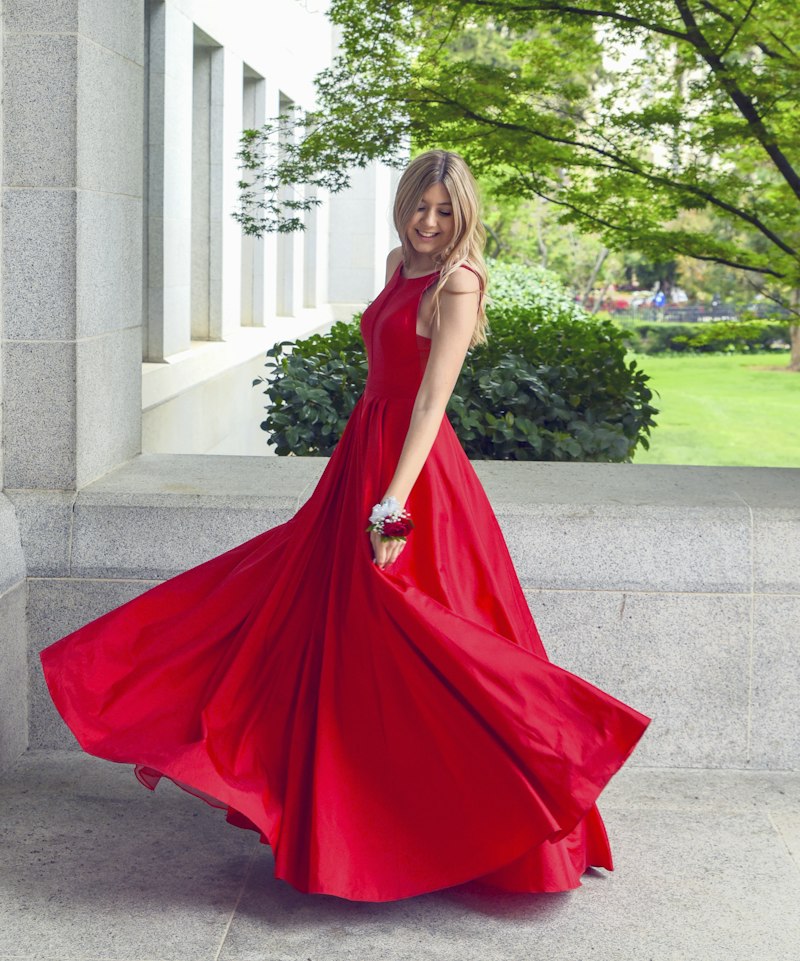
Why the Long Sleeve Maxi Dress Became Autumn’s Most Sensible Buy
The first reason is coverage without weight, and the balance is harder to find than it sounds. Full-length sleeves and an ankle-skimming hem mean the long sleeve maxi dress covers nearly every part of the body that feels the cold first, yet it does so with a single layer of cloth rather than the three or four pieces a skirt-and-jacket combination would require. That matters in a real autumn, where the temperature swings between a cold morning and a mild afternoon and back again before dinner. Instead of dressing for the coldest moment of the day and overheating by noon, you wear one garment that reads as warm when it is cool and airy when it is warm, and you spend the day comfortable rather than adjusting.
The second reason is that it removes an entire layer of decision-making. A long sleeve maxi dress is a complete outfit on its own: the top and the bottom are already resolved, the proportion is already correct, and there is no risk of a waistband sitting awkwardly over a tucked shirt or of a skirt fighting a sweater for attention. What you add — boots, a belt, a coat, a bag — becomes a finishing touch rather than the foundation of the look. That is why it works so well as a travel piece and as an autumn uniform: it takes one decision, the biggest one, off the table, and it does so without looking like your only option.
The third reason is its range of formality, which is wider than most people assume. The same silhouette can look relaxed in a cotton or jersey version with flat boots and a knitted scarf, quietly professional in a tailored wool or crepe cut with a slim belt and loafers, and genuinely elegant in satin, velvet or a fine knit with heels and a single piece of jewellery. Because the long sleeve maxi dress does not commit to a single mood, it survives the changes in your calendar that a more specific piece cannot, and it keeps earning its place in the closet long after the piece you bought for one occasion has been pushed to the back.
There is also a plain economic argument, and it is worth stating directly. A dress that can be worn to work, to lunch, on a weekend and to an evening event, and that can be layered under a coat in deep winter, replaces several separate purchases and is worn far more often per dollar than any single-occasion piece. When people describe a capsule wardrobe as efficient, this is the mechanism they mean: not that the clothes are cheap, but that each one is asked to do more. The long sleeve maxi dress is one of the very few garments that genuinely carries that load, which is why it keeps reappearing in thoughtful autumn edits year after year.
What a Long Sleeve Maxi Dress Actually Does for Real Bodies
The long sleeve maxi dress flatters first because of the single unbroken vertical line it creates, and the mechanism is easy to understand. A full-length hem means the eye travels from shoulder to ankle without interruption, and because the eye reads length where a line is continuous, the body reads as taller and leaner than it would in a shorter or two-piece outfit. Sleeves that reach the wrist extend that line again at the top, drawing the gaze outward along the arm instead of stopping at the shoulder. The result is a silhouette that lengthens rather than cuts, and it works on almost any frame precisely because nothing in the design breaks the vertical.
The second effect is that the dress skims rather than clings, so the fit forgives far more than a body-hugging piece. A straight, relaxed or gently A-line long sleeve maxi dress falls away from the waist and hips and settles into a clean line below, which means it does not trace the areas most people are self-conscious about and does not require a particular undergarment to look right. That drape is why this dress suits such a wide range of shapes, from straight to curvy, and why so many people who avoid close-fitting dresses reach for a maxi without hesitation. It is a silhouette that flatters by covering cleanly rather than by revealing carefully.
The third thing it does is give you a controlled frame for everything you add. Because a long sleeve maxi dress is itself a complete column of colour and cloth, whatever you put on top — a long coat, a denim jacket, a belt, a scarf, a piece of jewellery — reads as deliberate styling rather than as a random pairing. The eye gets a stable anchor in the centre of the outfit and interprets everything around it as intentional. That is the same principle that makes a well-cut dress so reliable in a capsule wardrobe, and it is why the long sleeve maxi dress functions as more than a garment: it is the frame that holds an autumn wardrobe together and makes the rest of it look considered.
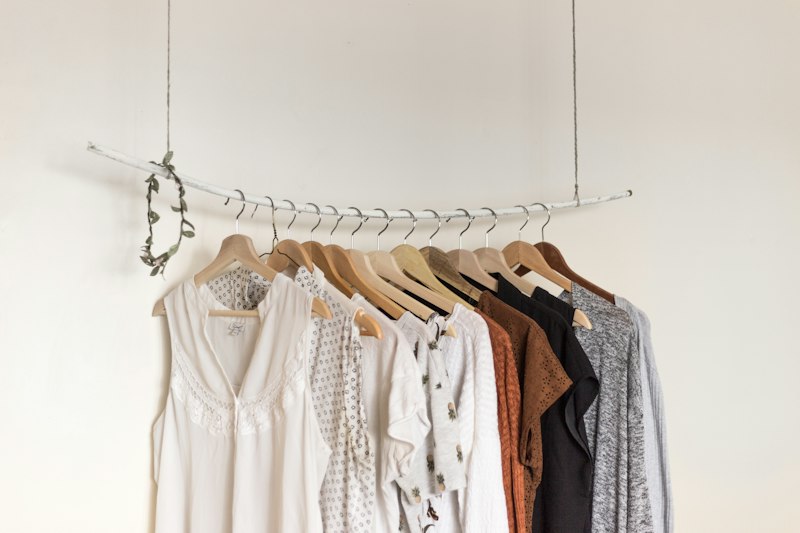
Choosing Your Long Sleeve Maxi Dress: Fabric, Cut and Length
The first decision is fabric, because the cloth decides how expensive the dress will look and how well it will hold its shape. A mid-weight wool, wool blend or structured crepe long sleeve maxi dress holds a clean line, resists creasing and reads as rich rather than flat, which makes it the strongest all-round choice for autumn and winter. A jersey or fine-knit version is softer, more forgiving and easier to wear on long days, but it drapes close to the body, so it suits people who are comfortable with a traced silhouette. A satin, velvet or silk-finish long sleeve maxi dress takes the opposite route and turns the same plain shape into something quietly dressy, catching light softly across the surface. Hold any candidate up to a window before you commit: if light passes straight through or the surface looks thin and grey rather than deep and saturated, it will look tired inside a season.
The second decision is cut, and here the goal is to let the tailoring carry the look. A straight or softly tailored long sleeve maxi dress is the most versatile and the most obviously modern, working at a desk with a belt and flats and at the weekend with a chunky knit over the top. A wrap or bias-cut version adds drape, a little quiet drama and easy adjustability at the waist, which is helpful if your weight fluctuates. A relaxed, smock-style cut is the most comfortable and the most casual, while a structured shirt-dress version leans smart and pair-with-anything. Match the cut to how you genuinely dress on an ordinary morning, not to the person you imagine you might become; the dress you reach for without thinking is the one whose shape already fits your habits.
The third decision is neckline, sleeve and length together, because they change the whole temperament of the dress. A high or roll neck with full sleeves reads warm and serious, ideal for deep autumn and winter; a V-neck, wrap neckline or simple round neck keeps the line open and is easier to layer with a scarf or a fine necklace. On sleeves, a fitted sleeve is the most flattering under outerwear, while a slightly loose or blouson sleeve adds softness but can bunch under a tight coat. On length, the safest long sleeve maxi dress stops between the lower calf and the top of the ankle, low enough to look refined and warm, high enough that it never catches underfoot. Sit, walk and climb a flight of stairs in the fitting room before you decide, because a maxi that photographs perfectly can pull awkwardly the moment you move.
Styling a Long Sleeve Maxi Dress for Day, Office and Evening
For the office, treat the long sleeve maxi dress as a neutral column and let one element do the talking. The strongest professional version is a tailored dress in a single flat tone — black, navy, charcoal, camel or a deep tonal green — with a slim belt to mark the waist, loafers or a low heel, and one restrained piece of jewellery. Because the dress already supplies the full length and a clean line, the outfit needs no sharp contrast and reads as considered with very little effort. Keep the accessories minimal and matte, and add a structured tote or a slim shoulder bag in a neighbouring tone. The result is formal enough for a meeting and comfortable enough for a full day at a desk, which is exactly the balance this dress is built to strike.
For weekends, push the same dress towards ease and let texture carry the mood. Wear it with a chunky knit pushed up the sleeves, flat boots or clean trainers, and a canvas tote, or layer an oversized denim or utility jacket over the top and let the hem of the dress show beneath. Natural, matte materials echo the plain character of a long sleeve maxi dress and make the whole thing feel unforced rather than styled. Add a knitted scarf in a neighbouring tone or a simple beanie and the look is complete. This is the version that proves how hard the dress works: it looks like something thrown on without a second thought, which is the highest compliment a daily piece can receive.
For evenings, lean into the depth of the cloth and make the look sharper rather than softer. A long sleeve maxi dress in satin, velvet or a deep wool tone, worn with a heeled boot or a slim heel, a fine belt and a single piece of gold jewellery, turns the same dress into something quietly dressy — and because the fabric already reads as rich, you need very little else to make it feel special. For colder nights, add a long coat that stops just above the hem so the line of the dress shows at the ankle, and keep the palette tonal rather than high-contrast. The real advantage of the long sleeve maxi dress is that it can be practical on a Tuesday morning and quietly elegant on a Friday evening, and garments that manage both are the ones that get worn until the seams finally show.

What the Data Says About Autumn Demand for Full-Length Dresses
It is tempting to treat a long sleeve maxi dress as a matter of personal habit, but the demand behind it is well documented, and the numbers support what a well-stocked wardrobe already knows. Market research collected by Statista has repeatedly shown that women’s dresses and neutral, season-spanning separates outperform narrower, single-occasion categories in cross-border online clothing retail, and that demand concentrates on pieces a shopper can wear across many months rather than on novelty items tied to one event. Full-length and long-sleeve dresses, and muted, versatile tones, appear disproportionately often in those results, because shoppers search for them throughout the shoulder seasons and not only at the peak of a trend — precisely the behaviour of a garment people wear hard rather than buy impulsively.
The reason the numbers behave this way is behavioural rather than purely aesthetic. A shopper who buys a dress they can wear to work, to lunch and to a dinner returns to that category and buys again; a shopper who buys something that suits a single weekend does not. Because a long sleeve maxi dress works across all three and can be worn from early autumn well into winter with no more than a change of layer and shoe, it generates repeat demand in a way a strictly seasonal piece never can. Retail analysts describe garments with this profile as having a long wear cycle, and a long wear cycle is what turns a dress from a single purchase into a habit — the point at which a piece stops competing with the rest of the wardrobe and begins to anchor it. Wider industry work on wardrobe value, such as the cost-per-wear research popularised by McKinsey’s retail practice, points to the same conclusion from a different angle.
There is also a cultural layer the numbers quietly reflect. The long, covering dress has a long and well-recorded place in modern fashion, from the modest, practical wardrobes that shaped twentieth-century dressing to the muted, structured palettes that return whenever style turns towards craft, durability and a more serious idea of getting dressed. As the reference material on the maxi dress and on the dress records, and as BBC Culture and Vogue have both observed across their fashion coverage, clothes rooted in long-lasting, functional design fall in and out of favour far less violently than bright novelty pieces, because they are tied to how people actually live and what they actually wear for years. That is why the long sleeve maxi dress keeps resurfacing in serious autumn edits while the loudest prints of any given season fade, and why people who follow the category treat it as a wardrobe foundation rather than a passing accent.
Caring for a Long Sleeve Maxi Dress So It Lasts for Years
The first rule is to wash less often than instinct suggests. Because a long sleeve maxi dress usually covers the body fully, it picks up far less direct contact than a fitted top or a bare-armed piece, so it often needs airing rather than laundering after a normal day. Hang it to breathe overnight, brush it lightly, and spot-clean small marks instead of sending the whole dress through a cycle. Over-washing is the fastest way to dull colour and weaken fibres, so when the dress genuinely needs cleaning, follow the care label, turn structured or wool versions inside out, and use a cool, gentle wash or a careful hand-wash for delicate finishes such as satin, velvet or fine knit. Treating the cloth gently is what keeps a long sleeve maxi dress looking deep and new rather than grey and tired.
The second rule is to protect the colour and the shape from light and heat. Prolonged direct sunlight fades even the best-dyed fabric, so store the dress away from a bright window and avoid drying it in strong sun. Skip the tumble dryer for wool, blends and knits, which shrink and pill, and instead reshape the dress flat or hang it to dry in the shade. For a deep, even tone, steam rather than iron wherever you can, because a hot iron can leave a sheen on dark cloth that is very hard to remove, and press on the reverse through a cloth if a press is unavoidable. Stored correctly and dried gently, the same dress will still look genuinely rich after several autumns, which is the whole point of buying one plain, well-made piece rather than several thin ones.
The third rule is to repair early and store deliberately. Fix a loose hem, a small tear or a misbehaving zip the moment you notice it, because a dress that is nearly perfect gets worn and one that is broken gets left hanging. Store it clean, folded or on a shaped hanger, with a little breathing room so the fabric does not press into permanent creases, and keep wool and knit versions with a care product that guards against moths. Keep strong colours away from pale pieces in a shared wash so no trace of dye migrates, and keep shoes and bags that shed colour well apart from it. A long sleeve maxi dress that is looked after properly becomes the rare thing every wardrobe wants: a piece you can trust for years without ever having to think about it again.
None of this is glamorous, and that is the entire argument. The long sleeve maxi dress thrills no one in a shop window and sells no fantasy, yet it beats almost everything else in the one test that matters — it is the piece you actually wear, week after week, season after season, without ever wondering whether it was the right choice. That reliability is not the opposite of style; it is the quiet engine of it. Buy one in the fabric, cut and length that suit the way you really live, keep the cloth clean and rich with a little care, and let everything else in the wardrobe rotate around it.