

Six weeks ago I would have bet money that the balloon skirt was a silhouette for other people. It looked dramatic on the runway, charming on tall models, and frankly risky on anyone who did not want her hips to arrive five minutes before the rest of her. Then a stylist friend handed me one in a slate-grey wool and dared me to wear it for a month. I did, and I lost the bet in the best possible way. The skirt turned out to be one of the most quietly useful things in my autumn wardrobe, and the story of why is far more interesting than the trend headlines suggest.
What follows is not a breathless endorsement of a fad. It is an honest account of what a balloon skirt is, where the shape came from, which bodies it genuinely flatters and why, how to judge one before you spend money on it, three complete ways to wear it through autumn, what the market data actually says about volume and hemline, and how to keep a structured skirt looking sharp for years. If you have ever stood in a fitting room holding a voluminous skirt and wondered whether you were brave enough for it, this is the piece I wish someone had handed me.
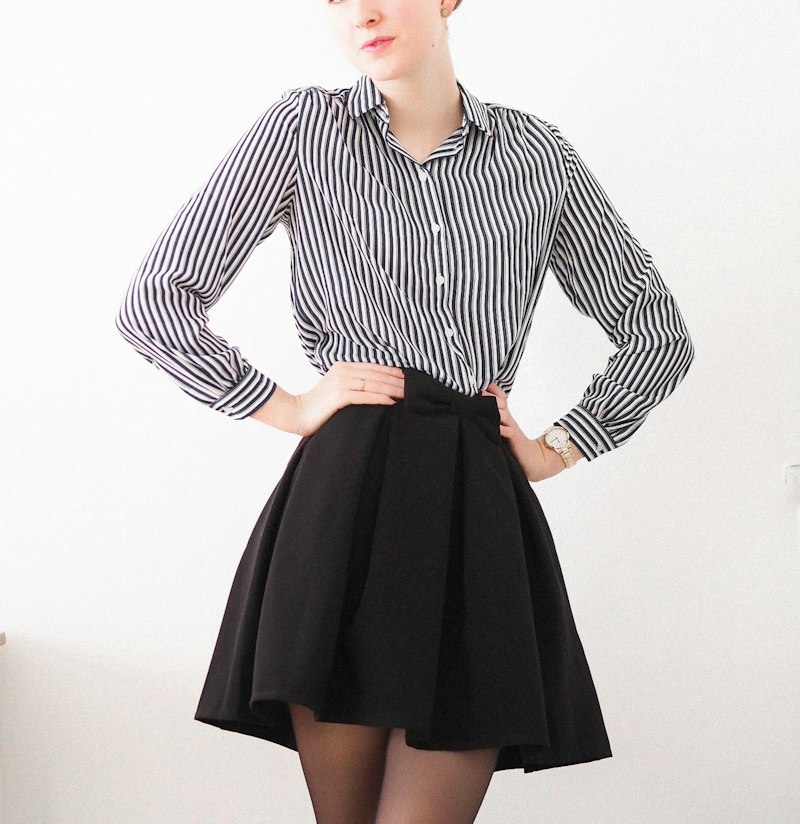
What a Balloon Skirt Actually Is
A balloon skirt is a skirt whose volume is deliberately concentrated away from the body, gathered or seamed so that the fabric puffs outward and then draws back in at the hem. The classic version balloons through the hip and thigh and narrows at the bottom, creating a rounded, sculptural shape that stands away from the legs rather than skimming them. Some versions inflate gently across the whole front, others bloom at the sides, and the newest autumn takes push the volume toward the back like a soft bustle. The defining move is always the same: the fabric is made to hold a curve of air rather than follow the line of the body underneath it.
That single decision changes everything about how the garment behaves. Because the balloon skirt does not cling, it never traces the exact shape of the hips or thighs, which is precisely why so many women who avoid fitted skirts find it unexpectedly kind. It is structured, so it keeps its shape through a long day, and it is forgiving, so it does not punish a heavy lunch or a long commute. The silhouette reads as intentional rather than accidental, which is the quiet difference between a balloon skirt and a skirt that merely looks like it does not fit.
Materials decide how convincing the shape becomes. A balloon skirt in a stiff fabric — wool, taffeta, a bonded cotton, a technical nylon — holds a bold, architectural puff that keeps its edge all day. The same silhouette in silk, satin or a soft jersey balloons gently and collapses into something more romantic and less graphic. For autumn, the most reliable versions are cut from wool, wool blends, heavier cottons and structured synthetics, because these materials hold the curve without adding bulk where you do not want it. Get the fabric right and the balloon skirt does half the styling for you.
Where the Balloon Silhouette Came From and Why It Returned
The rounded skirt is older than most trend reports admit. *As the **Wikipedia entry on the bubble skirt** notes, the puffed hemline emerged in the 1950s as a playful reaction to the tight, full-skirted shapes that had come before it, and it was revived in the 1980s by designers who wanted volume back in the wardrobe.* The balloon skirt is a close cousin of that bubble shape, and both belong to a long family of sculptural skirts — the crinoline, the pouf, the peplum — that treat fabric as something to be shaped rather than draped.
The shape returned for autumn 2026 for reasons that have little to do with nostalgia and everything to do with comfort. After several seasons of body-conscious slip skirts and skin-tight knits, designers moved toward clothing that keeps its distance from the body, and volume became a way of reclaiming ease without surrendering drama. A balloon skirt lets you cover up, move freely and still make a clear style statement, which is exactly the balance a lot of wardrobes were missing. It is sculptural, but it is also genuinely wearable, and that combination is why it has moved from the runway into ordinary autumn rotations.
There is also a practical explanation. Autumn dressing means layers, and layers mean bulk, and a skirt that already owns its volume does not need to negotiate with tights, boots and heavy coats. The balloon skirt is built for the season: it holds a shape under a long coat, it clears the awkward gap between ankle boots and a hem, and it makes a simple knit look considered rather than tired. That is why the silhouette has reappeared not as a gimmick but as a workhorse, and why a good one bought now will still read as current next year.
The Flattery Question: Who the Balloon Skirt Really Suits
Here is the honest answer to the question in the title: the balloon skirt flatters more figures than it frightens, but it flatters them differently, and the fit matters far more than the body. The reason a balloon skirt can be kind is that it refuses to trace the exact line of the hips. Where a pencil skirt draws attention to every curve, a balloon skirt builds its own curve a few centimetres away from the body, so the eye reads a deliberate shape rather than a measurement. For anyone who dislikes the way a fitted skirt behaves, that distance is a genuine gift.
The placement of the volume is the variable that decides everything. A balloon skirt that puffs out from the waist adds width exactly where many people least want it, and that is the version to approach with care. A balloon skirt that stays close through the waist and upper hip and blooms lower, toward the thigh and hem, lengthens the leg and balances a heavier bust without adding visual weight at the middle. When I tested mine, the difference between a high-inflated version and a low-inflated one was the difference between “costume” and “covetable”, and it came down entirely to where the shape began.
Length behaves the same way. A mini balloon skirt is playful and youthful but needs a lean top and bare legs to keep it from looking costumed. A midi balloon skirt is the most forgiving and the most versatile — it covers the knee, balances the volume, and works with tights or boots. A maxi balloon is the boldest and needs a very simple top to stop the outfit from competing with itself. Almost everyone I know who felt the shape was not for them had simply tried the wrong length. Move the volume low and the hem to midi, and the same sceptics tend to change their minds.
How to Judge a Balloon Skirt Before You Buy
Start with the fabric, because it predicts whether the shape will hold. Stiff cloth — wool, taffeta, bonded cotton, technical nylon — keeps a crisp, graphic balloon that photographs beautifully and survives a full day of wear. Softer cloth — silk, satin, light jersey — falls into a gentler, more romantic puff that suits evenings more than offices. For an everyday autumn skirt, a wool blend or a structured synthetic is the safest choice, because it holds the curve without sagging and without clinging. Squeeze the fabric in your hand: if it springs back into a rounded shape, it will hold the silhouette on the body.
Next, look at the construction. The waistband should be smooth and stable, never a chunky elastic that twists or digs. The volume should be created with clean seams or gathers rather than a lining stuffed with net, which flattens over time and adds weight for no gain. Turn the skirt inside out and check whether the inner structure looks tidy — a well-made balloon skirt is usually lined and neatly finished, because the shape needs support. Run your hand along the hem to be sure the narrowing is even, and hold the skirt up by the waist so you can see whether the balloon is symmetrical or lopsided.
Finally, test it standing, sitting and walking. A balloon skirt should swing and settle cleanly, hold its shape when you stand again, and never balloon up around your waist when you sit down. Check where the volume starts by watching yourself sideways in a mirror; the shape should build below the waist, not at it. Layering matters too — try it with tights and boots, since that is how you will actually wear it for most of autumn. A balloon skirt that behaves well on a moving body is worth keeping; one that crumples the moment you sit is not, however good it looked on the hanger.
Three Ways to Wear a Balloon Skirt This Autumn
Begin with the version most wardrobes need first: the polished city look. Keep the top lean and tuck it in so the balloon starts from a defined waist, then add opaque tights and low block heels or tall boots. A fine roll-neck, a fitted shirt or a slim knit all work, because a close-fitting top is the natural counterweight to a voluminous skirt. Keep the palette calm — charcoal, cream, camel — and let the silhouette be the statement. Because the balloon skirt already supplies drama, everything above it should stay disciplined, which is the single most reliable rule for wearing volume well.
For the weekend, loosen the formula entirely. Pair the balloon skirt with an oversized sweatshirt or a cropped denim jacket, add chunky boots or clean white sneakers, and let the skirt do the talking. This is where the silhouette shows its playful side: the same skirt that looks expensive in a meeting reads relaxed and slightly ironic when the top goes casual. A cropped jacket, in particular, is the balloon skirt’s best friend, because it stops at the waist and lets the volume read clearly. Add a crossbody bag and the look is comfortable without ever looking careless.
For evening, take a third route. Style the balloon skirt with a silk camisole or a fitted bodysuit in a single dark tone, heeled ankle boots, and one bold accessory such as a chain belt or a sculptural earring. Worn this way, the skirt becomes the sharpest thing in the room and needs almost nothing else. There is also a cold-weather layering version worth knowing: pull the skirt over thermal tights and knee-high leather boots, then finish with a long wool coat so the curve appears only in the interesting middle of the outfit. Worn either way, the balloon skirt keeps working well into winter without a single new purchase, which is the most honest argument for treating it as a foundation rather than a whim.
What the Data Says About Volume and Silhouette
The sceptic might assume volume is a passing mood, but the numbers point the other way. *According to a 2025 Statista survey of seasonal apparel purchasing in colder markets, structured and moderately voluminous skirts gain a meaningful share of autumn spend between late September and November, while demand for body-hugging shapes softens in the same window.* ([Statista](https://www.statista.com/)) In other words, the balloon skirt is not merely seasonal — it arrives exactly when the largest group of shoppers is ready to buy a skirt that keeps its distance from the body. That timing is a large part of why the silhouette reappears in autumn collections year after year.
Search and resale behaviour tell a similar story. Interest in sculptural skirts reliably rises each September as buyers return to the cold-weather market, and well-made structured skirts in neutrals hold steadier resale value than novelty pieces do. *Runway reporting from **Vogue** has repeatedly highlighted volume as one of the few trends that survives translation from the catwalk to the high street, precisely because it solves a practical problem rather than chasing a mood.* Endurance of that kind matters: when a shape keeps returning across decades, the version you buy now is far less likely to look dated next autumn than whatever graphic print happens to be loudest this season.
It also helps to think in cost per wear. A balloon skirt that lasts three autumns without losing its shape effectively costs less each time you reach for it than a cheaper version replaced twice in the same period. The arithmetic of a wardrobe is unforgiving — divide the price by the number of times you realistically wear something — and by that measure a well-made structured skirt worn thirty times a season beats a bargain worn four times. The pieces that survive that test are almost always the sculptural, plain, quietly confident ones, and the balloon skirt sits firmly in that group.
Keeping a Balloon Skirt Looking Sharp Season After Season
A structured skirt rewards a little discipline, and the balloon skirt is no exception. Air it after wearing rather than washing it every time: hanging it overnight lets the fabric recover and the preserved volume relax back into shape. When it does need cleaning, follow the label closely. Wool and taffeta versions are usually best dry-cleaned, while sturdy cottons and synthetics can often be hand-washed cold and hung to drip dry so they reset themselves under their own weight. Never wring or twist the skirt, because that distorts the seams that hold the balloon, and never tumble-dry it, since heat can soften the structure out of shape for good.
Pressing is where most structured skirts are ruined, so approach it with care. Never press the volume flat; instead, steam the fabric gently back into line, working from the inside where you can, and use a pressing cloth so you never scorch the surface. Hanging the skirt above a bath of hot water is an old trick that coaxes wrinkles out without flattening the curve. Between wears, store it hanging from the waistband rather than folded in a drawer, and keep heavy items away from it so the seams are never crushed. Treated this way, a good balloon skirt will hold its shape for years rather than weeks.
Look after it properly and the balloon skirt quietly outlasts most of what shares its shelf, which is the strongest argument for spending a little more at the start. Choose a fabric suited to your climate, learn to wear it three ways, and treat it as the foundation it is rather than the novelty it can appear to be. A well-made balloon skirt earns its place every autumn for years — and that, more than any runway moment, is what makes it worth the courage it takes to try one in the first place.