

There is a particular morning in late October when getting dressed stops being a pleasure and becomes a negotiation with the weather. The air is cold enough to sting, the sky is the colour of wet slate, and you need something that reads as polished the moment you walk into a room but still keeps you warm on the walk there. For years I solved that problem with two separate garments — a dress hidden under a heavy overcoat — and for years I was never quite happy with the result. Then I bought a coat dress almost by accident, and the whole equation simplified. One piece, one decision, one silhouette that does the work of two, and suddenly the coldest mornings of the season stopped being a chore.
What follows is the result of a full autumn spent testing that claim rather than admiring it from a distance. I want to explain what a coat dress actually is as a design idea, why this structured silhouette has returned so strongly this season, which cuts and fabrics define the very best versions, how to wear one without looking as though you borrowed it from a boardroom, what the retail and search data say about our appetite for one-and-done dressing, how to choose the right cut for your frame, and how to keep the piece looking sharp for years rather than weeks. I will also point you toward a companion edit already living on the site — a curated selection of wool coat dresses — because the idea makes far more sense once you see the pieces side by side.
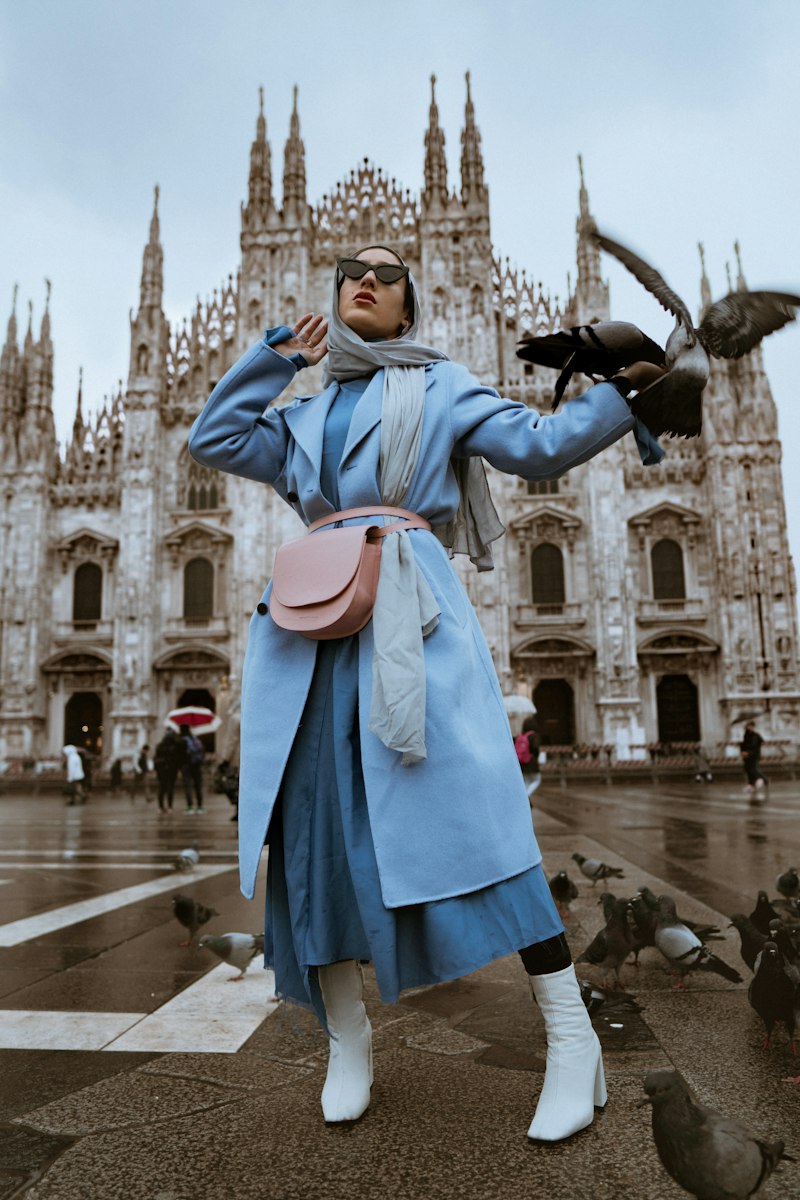
What a Coat Dress Actually Is
A coat dress is a tailored garment that borrows the construction of a coat — its collar, its lapels, its structured shoulders, often its double-breasted buttons and its belted waist — and cuts it to the length and drape of a dress. The result sits deliberately between the two categories, and that hybrid nature is precisely the point. It is formal enough to wear to an office or a lunch, substantial enough to wear as outerwear on a mild winter day, and complete enough that it needs almost no styling to look finished. You do not simply add a coat over an outfit; the coat dress *is* the outfit, and that economy of decision is why it keeps coming back into my rotation week after week.
The idea itself is not new, and that history is part of its appeal. The coat dress emerged as a distinct garment in the mid-twentieth century, when designers began cutting tailored exterior fabrics into one-piece dresses for women who wanted structure and elegance without the bulk of a separate outer layer. *As the **reference entry on the coatdress** notes, the garment was popularised in the 1950s and 1960s as a versatile, neat daytime piece, favoured by designers who understood that a single well-built shape can do more for a woman than a whole rail of separates.* That origin tells you why the coat dress feels trustworthy: it was invented for exactly the problem I face every autumn morning, and it has been quietly solving it for the better part of seventy years.
It helps to separate the coat dress from the garments it is often confused with. It is not a trench coat, because a trench is outerwear first and a dress never; it is not a blazer dress, though the two share a tailored shoulder, because the blazer dress is shorter and sharper and reads more as evening wear; and it is not simply a heavy dress, because the construction — the interfacing, the lining, the set-in sleeves, the structured collar — is what makes a true coat dress hold its line. When the architecture is right, the coat dress stands slightly away from the body, skims rather than grips, and keeps its shape whether you are standing at a podium or sitting in the passenger seat of a car. That quiet engineering is invisible in a photograph and unmistakable in the wearing.
Why the Coat Dress Returned This Autumn
Fashion moves in corrections, and after several seasons that pushed body-hugging, high-shine, nightlife-driven dressing, the correction this autumn has been firmly toward structure, warmth and clothes that look like they were made to be lived in. The coat dress sits exactly at the centre of that shift: it is polished without being fussy, warm without being bulky, and finished without requiring a stylist’s eye. When shoppers grow tired of assembling an outfit from five separate decisions, they gravitate toward a single piece that resolves all of them at once, and a well-cut coat dress is the most elegant answer fashion currently offers to that very modern fatigue.
There is an emotional pull at work as well, one that deepens as the light turns golden and the days shorten. *Writing for **BBC** about the return of “investment” and quietly tailored dressing, fashion journalists have repeatedly observed that when the wider world feels fast and uncertain, wardrobes tend to turn toward pieces that feel solid, warm and dependable — the very qualities a structured, substantial coat dress supplies in abundance.* Autumn is the season when that instinct is strongest, because the temperature drops, the wind picks up, and the idea of a single tailored layer that protects and flatters at the same time simply feels correct. The coat dress answers the emotional weather of the season as much as the meteorological one.
Practicality keeps it in the wardrobe once the first flush of enthusiasm fades. A coat dress layers over almost anything — a fine knit, a silk slip, a slim turtleneck — so it stretches from a mild September afternoon into a hard December morning without being replaced. Its tailored weight means it works as outerwear when you do not want a coat, yet it is elegant enough to wear indoors the moment you take your scarf off. Those small efficiencies are what turn a structured-looking garment into a genuine workhorse, and they are why this particular silhouette keeps returning in the collections season after season rather than vanishing when the mood moves on. In a wardrobe built on real mornings, that quiet usefulness beats any headline trend.
The Silhouettes That Define a Coat Dress
The coat dress lives or dies by its shape, and a handful of silhouettes carry the look reliably. The first is the classic belted coat dress, cut long and cinched with a fabric belt or a self-tie waist, which is the most flattering version for most bodies because the belt restores a waistline to a structured garment that might otherwise read as a rectangle. The second is the double-breasted coat dress, whose overlapping front and strong button line give it a military neatness and a confident, slightly formal edge. Both share the same discipline: a defined shoulder, a controlled volume, and a hem that ends deliberately rather than trailing into shapelessness.
Then come the variations that change the mood. A single-breasted coat dress with a narrow lapel is the most minimalist and the easiest to wear to an office, while a collarless or round-neck version softens the whole look and moves it toward the romantic. Sleeve choices do a great deal of the styling work: a long, straight sleeve is the most classic and the warmest, a three-quarter sleeve keeps the line clean and suits a bracelet or a watch, and a slightly puffed or gathered sleeve adds softness to an otherwise architectural shape. Also worth considering is length. A knee-length coat dress reads sharp and modern; a midi length is the most versatile and the most elegant; and a long, almost full-length version behaves like a proper coat and is the boldest choice of the three.
Finally, the details separate a considered coat dress from a merely heavy dress. Look for a clean set-in sleeve, a lining that lets the garment slide on without catching, functional or convincing faux pockets, a substantial belt with a well-finished buckle, and buttons that are actually sewn to last rather than glued on for the photograph. A defined or drawstring waist keeps the volume from swallowing the figure, while a slightly fitted bodice balances a fuller skirt or a longer hem. None of these elements is expensive on its own, but together they signal a genuine commitment to construction rather than a quick copy — and they are the reason one coat dress looks quietly authoritative while another, superficially similar, looks like a costume. Read the seams before you read the price tag.
Fabrics and Details That Make a Coat Dress Work
The fabric decides whether a coat dress feels like an investment or a mistake, and the guiding principle is simple: choose cloth with enough body to hold a structured line without turning stiff. Wool, in its many honest forms, is the natural heart of the style — a mid-weight wool or a wool blend gives the collar and shoulder crispness while still draping kindly over the hips, and it breathes well enough to wear indoors without overheating. A wool-twill or a wool-crepe is especially good for a tailored coat dress, because both cloths resist creasing and keep their shape through a long day of sitting and standing, which is exactly what a garment built on structure needs from its material.
Beyond wool, several cloths carry a coat dress beautifully into different moods. A firm cotton or cotton-blend canvas gives the style a clean, slightly sporty edge and comes in a range of deeper autumn shades; a fine needlecord or a soft corduroy adds texture and a touch of casual warmth on a cold morning; and a wool-blend bouclé, with its looped, speckled surface, lends the coat dress the soft, couture-adjacent richness that has made it so visible this season. The one thing to resist is a hard, high-shine synthetic, which can make a structured shape look cheap and synthetic, because its surface refuses the matte depth that a tailored coat dress depends on. Touch the cloth before you trust the photograph.
Weight and finish matter as much as fibre. A cloth with real substance holds the belt at the waist and keeps the hem hanging cleanly, while a thin, flimsy fabric collapses at the waist and loses the silhouette within a single wear. A full lining is a genuine mark of quality in a coat dress, not a luxury: it lets the garment glide over a knit or a blouse, prevents the fabric stretching at the elbows and knees, and quietly extends the life of the dress by several seasons. Fastenings deserve a close look too — a good coat dress has buttons reinforced on the reverse, an invisible zip that does not gape, and a belt long enough to tie comfortably rather than tightly. Match the weight to the season you intend to wear it in, and the piece will reward you for years.
How to Wear a Coat Dress in Real Life
Start with the everyday version, because it is the one you will actually use. Take a midi-length coat dress in a warm neutral — camel, charcoal, deep olive — and wear it with knee-high leather boots and a slim knit or a fine turtleneck underneath if the day is cold. Keep the palette close to nature and let the tailoring do the talking while everything else stays calm. Add a structured leather bag and a simple gold pendant and you have an outfit that reads deliberate rather than overworked: it works for the office, a lunch, a gallery visit or a long walk on a cool afternoon without changing a single thing. This is the version that quietly becomes a uniform.
For a sharper, more formal effect, lean fully into the structure rather than softening it. Button the coat dress closed, cinch the belt tightly at the waist, and finish with pointed heels or sharp ankle boots and a single statement accessory — a silk scarf at the neck or a bold pair of earrings. Keep the rest of the styling disciplined: no competing prints, no clutter, nothing that fights the strong shoulder and the clean lapel. The trick with a structured garment is restraint, because when the dress is already architectural, the styling should add silence rather than more noise. Worn this way, a coat dress carries you through a client meeting or a smart lunch with an ease that few everyday garments can match.
For the coldest days, treat the coat dress as outerwear rather than a dress at all. Pull a chunky knit and thick tights underneath, add a wool scarf, a soft beanie and a pair of sturdy boots, and the same garment that felt summery in September carries you through a grey November morning without missing a beat. A long, almost full-length coat dress works especially well here, because the extra length does the work a coat would normally do, though a midi version layered over a fine wool trouser is just as effective and lets you sit down easily. Worn these three ways, one well-chosen coat dress can cover most of an autumn week, which is the strongest argument for keeping one permanently in rotation.
What the Data Says About One-and-Done Dressing
The sceptic may dismiss the coat dress as a niche piece for the well-heeled, but the numbers tell a more practical story. *According to consumer and apparel research compiled by **Statista**, comfort, versatility and value for money consistently rank among the top reasons shoppers say they rewear a garment, ahead of how trend-led it happens to be.* In plain terms, the piece we return to again and again is rarely the loudest one; it is the one that made the morning easy in the third week of wearing it, and a single structured garment that replaces a dress and a coat is built to do exactly that. That is why the coat dress survives longer than the trend cycle that produced it.
Retail and search reporting points the same way. *Style desks that track seasonal buying, including coverage carried by **BBC**, have repeatedly observed that pieces which sell through across multiple seasons tend to be the quiet, tactile, easy-to-layer ones, while the loudest novelties fade within a year.* A purchase built on a genuine need — here, the need for warmth and polish in a single decision — tends to outlast one built on novelty alone, and the coat dress answers that need more directly than almost anything else on the rail. That endurance matters to your wallet too, because a tailored piece that stays in favour next autumn is far better value than something defined by a single season’s headline.
It also pays to think in cost per wear, the only wardrobe maths that genuinely holds up. A well-made coat dress worn through a whole autumn costs less each time you put it on than a cheaper dress and a cheaper coat bought and discarded within the same year. The arithmetic is unforgiving — divide the price by the number of times you realistically reach for something — and by that measure a substantial, structured garment worn three times a week comfortably beats two fast-fashion bargains worn twice a month. The pieces that survive that test are almost always the warm, versatile, quietly confident ones, and the coat dress sits firmly in that group. Buy one that fits, wear it on repeat, and watch how quickly it earns its keep.
Choosing the Right Coat Dress for Your Frame
Almost anyone can wear a coat dress, provided the cut respects the figure, and the style is unusually forgiving while you work that out. If you are petite, choose a shorter — knee or just-below — coat dress with a defined waist and a hem that stops before it swamps the leg, so the extra fabric does not shorten you further. A belted version is your friend here, because the belt lifts the eye to the waist and lets you adjust the line of the torso. Add a heel or a pointed ankle boot and the proportions snap into place. The goal is to keep the waist visible and the volume controlled, so the silhouette reads intentional rather than overwhelmed.
If you are tall or want a stronger line, a long or midi coat dress with a full, structured skirt or a straight, column hem will hang beautifully and give you the presence the style is known for — but keep the waist defined with a belt, a seam or a drawstring so the dress does not turn into a shapeless block. If your figure is fuller, choose a cloth with a touch of stretch and a defined or elasticated waist, so the body of the fabric holds a line rather than flattening the body inside it, and look for vertical detail — a strong lapel, a centre seam, a long button placket — to draw the eye up and down. For apple shapes, an empire or raised waist just under the bust lengthens the whole figure; for pear shapes, a structured shoulder balanced by an A-line skirt shifts attention upward and evens out the silhouette.
The single detail that matters most, in every case, is the waist, because a coat dress without one tends to read as a rectangle. A tidy, level belt or seam does more for a silhouette than any amount of clever styling, since it sets the proportion of the whole look in one line and stops the tailored bodice above and the skirt below from merging into shapelessness. Length is the second decision worth taking slowly: a knee-length version reads sharp and modern, a midi is the most versatile and the most classic, and a long coat dress is the most dramatic. Match the cut and the length to the season and to how you actually spend your days, because a piece that only works in a photograph will always lose to one that works on an ordinary morning — and it is the ordinary mornings that make a garment worth owning.
Keeping a Coat Dress Looking Sharp for Years
A coat dress rewards a little discipline, and it punishes carelessness quickly, especially in wool and wool blends. Air the garment overnight instead of dry-cleaning it after every wear, because wool holds freshness far better than most people assume and repeated cleaning quietly wears down the cloth that makes the piece worth owning. Brush the fabric lightly after wearing to lift dust, and hang the dress on a broad wooden hanger rather than folding it, so the shoulder keeps its shape and creases fall out between wears. When it does need cleaning, follow the label closely: a wool coat dress is usually best dry-cleaned, while a cotton or corduroy version can often take a cool, gentle cycle. Never tumble-dry it, because heat can shrink the fibres and flatten the finish for good.
Pressing is where most structured garments are quietly ruined, so take your time. Use a steam iron on a low setting with a pressing cloth, and press on the inside wherever you can, so you never scorch a shine into the cloth or crush the collar and lapels. Smooth the seams and the lining with a light press rather than hard pressure, so the tailoring keeps its crispness without developing sharp creases. Store the dress on a hanger with a little breathing room rather than cramming it against heavier pieces, and keep a fine wool away from anything coarse that might abrade its surface. A little attention at the end of each wear keeps the line clean and the colour rich for far longer than most people expect.
Looked after properly, a coat dress quietly outlasts most of what shares its rail, which is the strongest reason to spend a little more at the start. Choose a shade that flatters your face, a cut that suits your frame, and a fabric that suits the season; learn to wear it three ways; and treat it as the dependable workhorse it genuinely is rather than the seasonal extra it can appear to be. After a full autumn of testing, my own conclusion is simple: the coat dress earned its place in my wardrobe faster than almost anything I have bought, and I reached for it far more often than the separate coats and dresses it quietly replaced. If you are still deciding whether to add one this season, the honest answer is that you probably already own everything it needs to work.