

Ask a woman to name the silhouette she reaches for on the days she wants to feel comfortable and elegant at the same time, and the answer is rarely a trend piece. It is usually a shape she cannot quite describe — fitted gently near the shoulders, then loosening into a clean, floating skirt that never touches the hip. That shape has a name, and the name is the dress we call the trapeze: a garment cut to fall from a narrow top into a wide, swinging hem, so the fabric does all the work and the body does not have to. It is one of the very few silhouettes in fashion that flatters without gripping, hides without turning shapeless, and moves through a room before the woman inside it has said a single word.
I have worn a trapeze dress through four full years of ordinary life now — to the office, to dinners, on trains, through weddings and long summer afternoons — and the case for it has only grown stronger. It forgives the days when nothing else in the closet feels kind, it pairs with nearly everything I already owned, and it does something a fitted sheath never quite manages: it keeps a quiet, effortless glamour without ever asking the body to apologise for itself. What follows is a genuine account of the trapeze dress — what separates it from a plain A-line, where the swing silhouette comes from, why it fits the way we dress now, how it sits beside the skinnier shapes, how to choose the fabric and the length, how to wear it from morning to midnight, what the data says about forgiving cuts, and how to keep one good for years. If you would rather see the idea in the hand first, there is a considered edit of trapeze dresses already on the site.
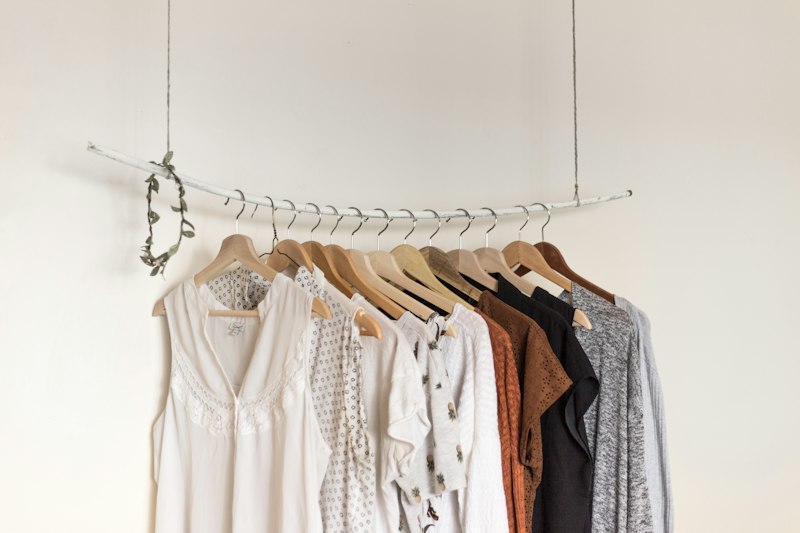
What Exactly Is a Trapeze Dress?
Start with the definition, because the definition is what explains why a trapeze dress behaves so differently from everything hanging next to it. A trapeze dress is a one-piece garment cut on a triangular line: it is narrow and close across the shoulders and the upper chest, and then, from just below the bust or the natural waist, it widens steadily towards a hem that can be broad without ever being heavy. There are no darts fighting the hip, no tight waistband digging in, and no attempt to trace the curve of the body. Instead the dress stands slightly away from the figure and falls in a clean, swinging line, which is exactly why it reads as relaxed rather than formal and why it feels so much easier to wear than a fitted sheath or a bodycon style.
The cut also changes how the fabric behaves against the body, and that is the difference most people feel within seconds of trying one on. A fitted dress holds the eye at the waist and the hip, so every small change in the body is visible; a trapeze dress lets the eye travel straight from the shoulder to the hem, which lengthens the body and quietly smooths the outline. The wide hem adds movement, so the dress swings a half-step behind the wearer as she walks, and that movement is a large part of its charm. It is worth being exact about what a trapeze dress is not: it is not a shapeless sack with no shoulder line at all, it is not a bodycon tube that clings from bust to knee, and it is not a formal ballgown with a fitted bodice and a separate full skirt. A true trapeze dress keeps a crisp, defined top and lets everything below it float free, which is the whole point.
Where the Swing Silhouette Comes From
The trapeze is not a random shape; it was designed, dated and named, and it arrived at one of the most interesting moments in modern fashion. After Christian Dior transformed the postwar wardrobe with the fitted waist and full skirt of the New Look in 1947, the search began for something lighter and freer, and a young designer found it. In 1958, Yves Saint Laurent — then barely into his twenties and in charge of the house of Dior — showed a collection built around dresses that fell from narrow shoulders into a wide, swinging hem, and the shape was christened the trapeze because the wide base of the triangle and the tight top reminded everyone of the bars of a circus swing. *The reference entry on **Yves Saint Laurent** records that this 1958 collection, shown under the Dior name, was a critical and commercial turning point and is widely cited as the moment the trapeze silhouette entered the mainstream.*
Two things made the trapeze unusually durable as an idea. The first is that a shape which hangs away from the body is technically simple to cut and easy to fit, so it was adopted quickly by the ready-to-wear factories that were growing fast through the late fifties and sixties, and it reached ordinary wardrobes within a few seasons. The second is that the silhouette has returned in almost every decade since, carried forward by the sixties shift, the seventies maternity dress, the nineties minimal slip, and the roomy cotton styles of the last few summers, always arriving whenever comfort and freedom matter more than definition. *Fashion historians writing for **BBC** Culture have repeatedly traced how silhouettes that free the body return whenever the way people live turns more casual, and the trapeze is one of the clearest examples.* Each generation rescues it for its own reason, and each time the swing shape proves it was never really about one era.
Set the two stories together and the logic of the trapeze becomes clear. The old idea gives the garment its lightness, its movement and its forgiving fit, and each revival gives it a fresh fabric and a fresh length, so the same shape can read as a gamine sixties shift or as a soft, floating summer dress without ever changing its bones. That is why the trapeze has outlasted dozens of louder trends: because it is not a decoration applied to a garment, it is the garment itself. A silhouette that flatters by geometry rather than by tailoring does not need reinvention, only restyling, and that is precisely why the swing shape keeps finding its way back to the front of the rail.
Why the Trapeze Dress Suits the Way Women Dress Now
The trapeze is unusually efficient, and the reason is contrast. Because the top of the dress is neat and defined, a swing hem below it reads as deliberate rather than dowdy, so a single dress can look polished with nothing more than the right shoes. Because the hem moves, the outfit carries a sense of ease that a stiff, fitted dress never quite achieves, and because the shape stands away from the body, it works across a wide range of figures, heights and moods without a single alteration. In a world where women choose clothes for real days rather than for runways, that combination of polish and ease is exactly the balance most people are hunting for.
There is also a deeper shift in how people want to feel in their clothes, and the trapeze sits at the centre of it. As wardrobes have turned towards comfort, longevity and pieces that do not punish the body, the demand for silhouettes that flatter without constriction has grown steadily. *In its reporting on apparel and lifestyle, the **BBC** has described a durable move towards clothing bought to be worn often and kept for years, with shoppers favouring versatile, comfortable pieces over one-season novelty.* The trapeze dress fits that instinct precisely: it is comfortable enough to wear all day, simple to style because the shape does the talking, and flexible enough to move from a working morning to a summer evening with nothing more than a change of shoe. It is, in short, the shape of a wardrobe that has stopped performing and started living.
Practicality keeps it in rotation once the first novelty of a new season fades. Because a trapeze dress hangs away from the hip and the waist, it is one of the most comfortable dresses to wear through a long day, which matters more than most people admit when they are choosing what to put on at seven in the morning. Because it is a single piece, it removes the daily puzzle of matching a top to a bottom, and because it needs no tight waist band, it slides on easily and layers neatly under a cardigan, a blazer or a light coat. Those small efficiencies are the real reason it works so hard, and the reason one good trapeze can cover more occasions than three fussier dresses combined. It is the quiet workhorse of a modern wardrobe, and it earns its place every single time it is worn.
The Trapeze Dress Beside the A-Line, the Shift and the Tent
The fastest way to understand a trapeze dress is to set it beside the silhouettes it is most often confused with, because the differences that matter are subtle on a rail and obvious on a body. An A-line dress is the trapeze’s closest cousin: it also widens towards the hem, but it usually begins to flare from the waist and keeps a gentler diagonal, so it reads more tailored and more classic. A shift dress is cut almost straight, narrow through the body and barely flaring at all, so it reads sharper, more formal and far less forgiving. A tent dress is the trapeze at its widest extreme, flaring from the shoulder line itself so that it hides everything and touches nothing, which makes it wonderfully cool in summer but easy to lose the figure inside completely.
Construction changes everything about how each one behaves. Because an A-line keeps a firm, straight waist, it can be cut in structured wool or crisp cotton and worn almost like a suit. Because a shift holds a clean vertical line, it flatters best in a fine, dense fabric that skims rather than clings. Because a trapeze flares from high up, it needs a fabric with enough body to hold the swing but enough softness to move — a mid-weight cotton, a linen blend, a fine wool crepe or a fluid viscose — and it flatters best when the top is kept neat and the hem is left to float. Read the flare point and the fabric together, and you can predict exactly how a given dress will sit before you ever step into a fitting room.
There is a place for every version, and the choice usually comes down to the day and the mood. Choose an A-line when you want polish with structure; choose a shift when you want a sharp, office-ready line; choose a tent when the heat demands the coolest possible shape; choose a trapeze when you want warmth of movement, elegance and ease at once — which is to say, for most of the ordinary days when you want to look considered without being constrained. Read that way, the shapes are not rivals but options, and the trapeze is the one that shows up most often without ever asking the wearer to trade comfort for style. That balance, more than any single detail, is what keeps it in constant rotation.
Choosing a Trapeze Dress: Fabric, Weight and Length
Because a trapeze dress lives on how its fabric falls, the material is where to start. A mid-weight cotton or a cotton-poplin holds a crisp, structured swing and is the most dependable for spring and summer, keeping the triangle sharp and clean. A linen or linen-blend gives the same shape a softer, more relaxed drape and is superb in heat, though it creases and should be chosen with that in mind. A fine wool crepe or a heavier viscose flatters the cooler months, falling in a denser, more liquid line that holds its shape without stiffness. And a fluid silk or satin turns the trapeze into something closer to evening wear, catching the light as the hem moves. The useful rule is simple: the higher the flare begins, the more body the fabric needs to avoid looking thin.
Length and fit come next, because with a swing shape the proportions matter as much as the cloth. A mini trapeze reads playful and young and works best with a simple flat or a low boot; a knee-length or just-below-the-knee trapeze is the most versatile of all, easy for work and weekends alike; a midi trapeze is elegant and covers the leg without losing the movement that makes the shape special. Keep the shoulder line neat and close, whatever the length, because that fitted top is what stops the dress from reading like a tent, and check that the flare begins above the fullest part of the hip rather than across it. Get the fabric, the length and the flare point right and a trapeze dress will flatter almost any figure, at any height, without a single trip to the tailor.
Colour and finish complete the picture. A solid trapeze in a neutral — black, navy, camel, cream, olive, soft grey — will combine with almost everything already in the closet and will look calmer in flat daylight, while a print, a stripe, a floral or a bold tone turns the same silhouette into the whole statement of an outfit. Look for a clean finish: a well-set neckline, an even hem all the way around, and seams that sit flat rather than puckering when the fabric swings. A lining helps in a very fine or a sheer cloth, but a good mid-weight fabric usually needs none. Choose once, carefully, and the dress will do more work than three impulse buys ever could, season after season.
Styling a Trapeze Dress From Morning to Midnight
Start with the daytime version, because it is the one that earns its keep. Take a trapeze dress in a neutral tone, keep the top looking crisp, and let the swing hem set the mood: add a slim flat, a clean loafer or a low heel, a structured tote and a single piece of jewellery, and the outfit is finished and composed in the time it takes to put on a coat. The classic styling works because the dress is already a complete idea, so anything added should stay quiet and let the silhouette speak. For a lighter, more casual mood, choose a cotton trapeze and wear it with sneakers and a crossbody bag, and for a sharper, more modern line, tuck nothing, add a cropped jacket and let the hem swing free below it.
For the evening, use contrast instead of softness. The same trapeze dress becomes deliberate with a heel, a small structured bag and a bold earring, especially in a fluid satin or a deep colour that catches the light as the hem moves. To warm the shape for cooler months, choose a fine wool or viscose trapeze, add opaque tights, a long coat left open and a pair of boots, and the wide hem keeps the layering from feeling heavy. For travel, the trapeze is one of the easiest dresses to pack, because a good mid-weight fabric resists creasing and the forgiving cut means a single dress can carry a weekend on its own: wear it with flats by day, swap to a heel by night, and you have packed one garment that behaves like three. Across all three versions, one well-chosen trapeze covers most of a season’s occasions.
A few small habits make the shape work even harder. A belt worn loosely at the natural waist can define the figure inside a very wide trapeze without strangling the line, and a small shoulder bag or a neat necklace draws the eye up to the fitted top, where the dress is at its most flattering. Keep the layers above the waist light, because a bulky knit over a trapeze adds width where the shape already has plenty. And let the hem do its job: the charm of the trapeze is the movement, so a slightly shorter coat, an open jacket and a dress that never clings will always look better than anything that tries to pin the shape down. Style it with restraint, and it rewards the wearer every time she moves.
What the Numbers Say About Forgiving Silhouettes
It is tempting to treat the trapeze as a purely aesthetic choice, but the consumer research tells a consistent story about what people actually wear and re-wear. When shoppers are asked why they return to a garment again and again, comfort, fit and versatility reliably outrank how trend-led a piece happens to be, and dresses that flatter without gripping score unusually well on exactly those measures. *According to apparel and consumer research compiled by **Statista**, practical attributes such as comfort, easy care and suitability for multiple occasions are among the strongest drivers of repeat wear and repurchase.* That is precisely the profile of a well-cut trapeze: it is comfortable all day, simple to style, and it moves from morning to evening with a change of shoes, which is why it tends to outlast the trend cycle that first brought it back.
Search and retail data point the same way. Interest in roomy, forgiving shapes and in fabrics that move and breathe has grown steadily as dressing has shifted towards ease and longevity, and the words shoppers use to find them — swing, floaty, relaxed, effortless, comfortable — cluster around movement and comfort rather than novelty. That matters, because it shows the demand is not driven by a single runway moment but by a lasting change in how people want to feel in their clothes. When a whole category of dresses is searched for using words about ease, a shape as dependable as the trapeze stops looking like a seasonal statement and starts looking like the answer to a real, durable question.
The economics reinforce the point. A garment that is comfortable, hard-wearing and easy to combine gets worn far more often than a delicate or highly specific piece, and cost-per-wear is the truest measure of value in any wardrobe. A good trapeze dress in a mid-weight cotton or a fine wool can be worn through several seasons, dressed up or down with a change of shoe or a layer above, and refreshed with a careful wash rather than replaced. By that measure it is one of the most efficient purchases a woman can make, and the data only confirms what anyone who owns a good one already suspects: the pieces that get worn most are rarely the most complicated — they are the ones that make getting dressed feel like no work at all.
Keeping a Trapeze Dress Looking New for Years
Choosing well begins with the fabric and the finish, because those decide whether a trapeze dress lasts one summer or five. Look for a dense, even weave in cotton, linen, wool or a good blend, and check the neckline, the side seams and the hem, because a weak finish shows far more clearly in a swing shape than in a fitted one. The hem should fall evenly all the way around, the seams should lie flat when the fabric moves, and the fabric should feel substantial rather than thin when you hold it up to the light. If you are unsure about the quality, give the hem a gentle tug and watch how it springs back: a well-made trapeze recovers its line, while a cheap one sags and twists after the first wash.
Fabric and quantity matter too, and both come down to how you intend to wear it. A crisp cotton in a neutral will combine with almost anything and stay sharp through a hot day, while a wool or viscose trapeze reads calmer and more elegant in cooler months. One or two well-chosen trapeze dresses will usually outwork a rail of impulse buys, so it pays to decide on the fabric, the length and the flare point you actually want before you commit. If you are building from scratch, start with a mid-weight cotton or linen in a neutral and a knee-length cut, then add a satin or a wool version once you know how often you reach for the first.
Caring for a trapeze dress is simpler than its elegance suggests. Wash cotton and linen in a cool, gentle cycle and hang or lay them to dry in the shade so the colour holds and the hem keeps its shape. Wool and viscose are best washed cool and by hand or on a delicate cycle, then dried flat on a towel rather than hung, since a swinging hem can stretch on a line. Iron on the inside or steam the fabric rather than pressing it hard, fold rather than hang the heavier cloths, and store them away from strong sunlight. A stitch of reinforcement on a loose hem takes a minute and saves the whole dress. Looked after this way, a good trapeze dress stays crisp, cool and ready for years of ordinary days — which is the highest compliment a silhouette can be paid.
What makes the trapeze dress worth returning to, in the end, is not a trend and not a headline; it is the simple fact that it works. It flatters without effort, it moves without fuss, and it treats the body with a generosity that very few garment shapes bother to offer. Born from a single clever collection in 1958 and carried quietly through every decade since, it has survived because it solves a real problem — how to look elegant on a day that asks for comfort — and because it never asks the woman wearing it to change a thing about herself. On the days when the closet feels unfriendly and the mirror feels unkind, the trapeze dress is the shape that simply says yes, and that is the reason it will always have a place at the front of the rail.