

Styling the Traditional Qipao for the Chilly Season
The winter qipao, a timeless piece of Chinese fashion, is not just a garment; it’s a statement of elegance and cultural heritage. As the chilly season approaches, the winter qipao becomes a perfect choice for those seeking to embrace warmth and style simultaneously. The traditional qipao, with its distinctive high collar, snug fit, and elegant slit, has been adapted to suit the cold weather, making it a fashionable and functional choice for winter.
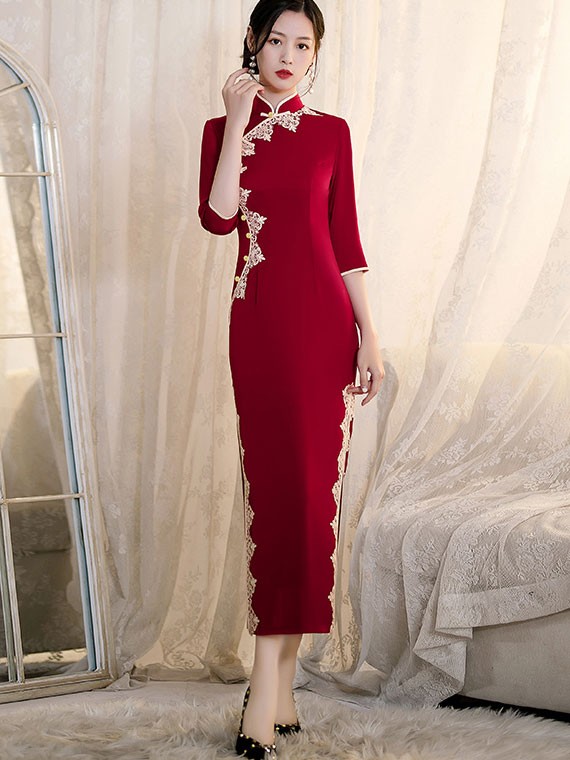
Cultural Significance of the Qipao
The qipao, also known as the cheongsam, has a rich history dating back to the Qing Dynasty. It symbolizes the grace and poise of Chinese women and has evolved over time to reflect modern sensibilities. The winter qipao, with its incorporation of luxurious fabrics such as velvet and cashmere, not only keeps one warm but also exudes an aura of sophistication.
Choosing the Right Fabric for Winter
Selecting the appropriate fabric is crucial when styling the winter qipao. Cashmere, for instance, is renowned for its softness and warmth, making it an ideal choice for the cold season. The use of such fabrics not only provides insulation against the cold but also adds a touch of luxury to the traditional qipao. As stated by renowned fashion designer Vivienne Tam, “Cashmere is the epitome of elegance and comfort, perfect for the winter qipao.”
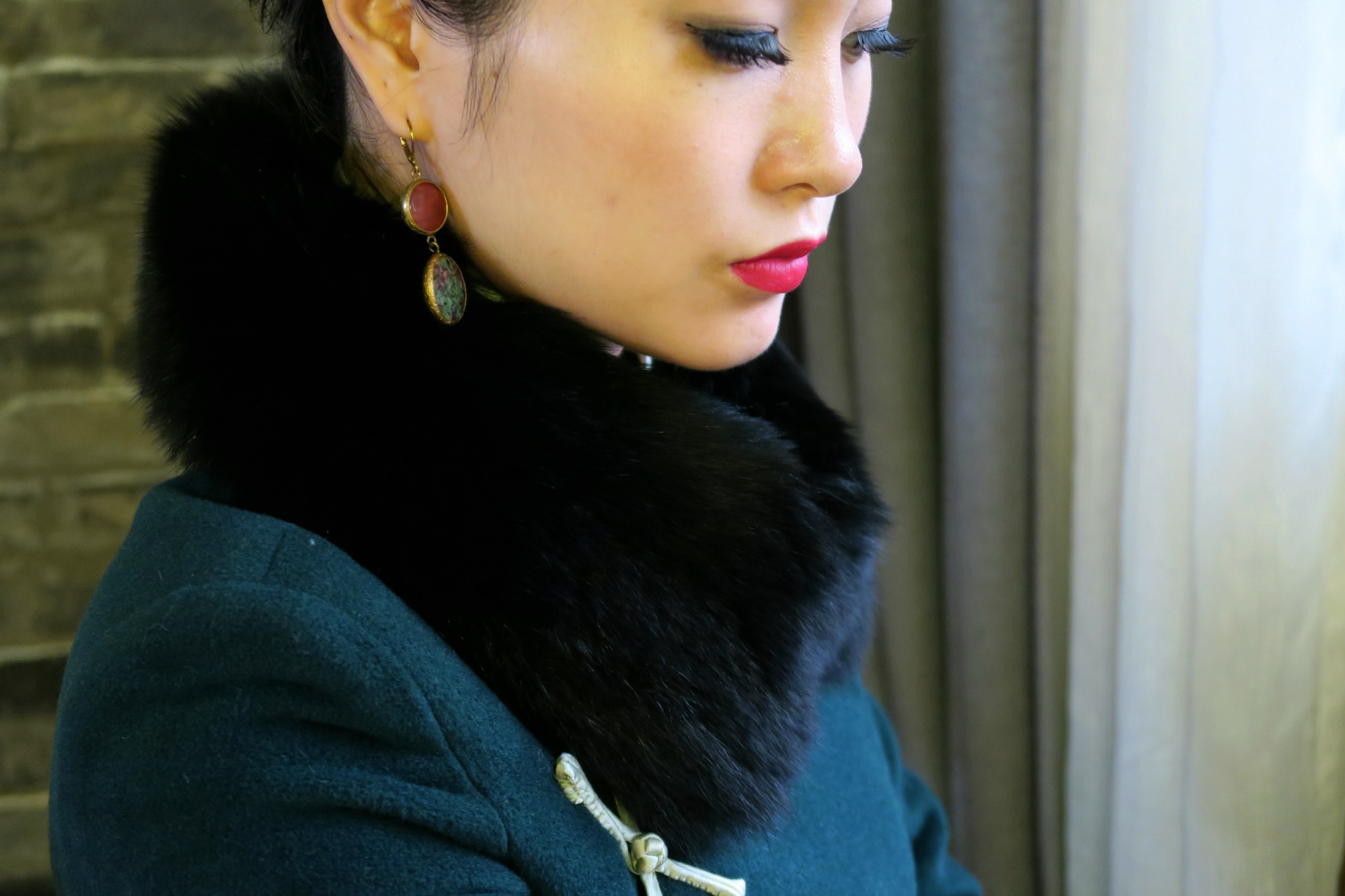
Accessorizing the Winter Qipao
Accessorizing a winter qipao can enhance its appeal and provide additional warmth. A fur shawl or a cashmere scarf can be draped over the shoulders, adding a layer of insulation and a touch of glamour. The choice of accessories should complement the qipao’s color and design, creating a harmonious ensemble. As fashion icon Anna Wintour once said, “Accessories are the exclamation marks of a complete look.”
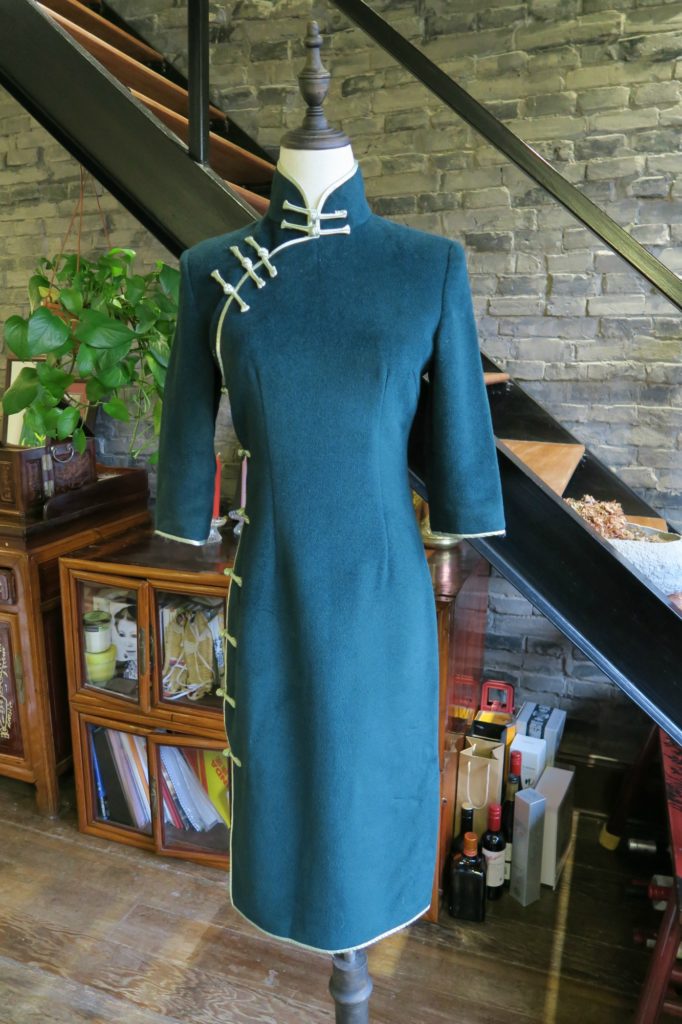
Layering for Extra Warmth
Layering is a practical and stylish way to stay warm in the winter qipao. Wearing a silk or cashmere underlayer beneath the qipao can provide extra insulation without compromising the silhouette. This method allows for flexibility in adjusting to different temperatures throughout the day. The winter qipao, with its tailored fit, can accommodate layering while maintaining its elegant lines.

Conclusion
The winter qipao is a versatile and stylish option for the chilly season, offering a unique blend of tradition and modernity. By choosing the right fabric, accessorizing appropriately, and layering for warmth, one can embrace the winter qipao as a fashionable and comfortable garment. It’s not just about staying warm; it’s about making a statement that reflects one’s cultural identity and personal style.

I’m a mom of two, and I’d love to find a winter qipao that’s both stylish and easy to maintain. Silk and cashmere sound luxurious, but are they practical for everyday wear?
The idea of accessorizing with a fur shawl sounds glamorous, but I’d prefer faux fur for ethical reasons. Does anyone know where to find cruelty-free options?
The winter qipao’s design is stunning, but I’d like to see more inclusive sizing options to cater to all body types.
As someone who travels frequently, I wonder if winter qipaos are versatile enough for different climates and occasions.
As a retiree, I find the winter qipao to be a comfortable and stylish option. The layering options make it perfect for the fluctuating temperatures of winter. The cultural significance adds an emotional value that makes it more than just a piece of clothing.
The winter qipao’s high collar and snug fit make it so flattering for all body types. It’s refreshing to see a traditional garment that celebrates femininity in such a timeless way.
I’d like to see more winter qipaos designed for outdoor activities, like ice skating or winter festivals.
I’m a history enthusiast, and I appreciate how the article highlights the cultural significance of the qipao. It’s not just a dress; it’s a symbol of Chinese heritage and elegance.
I’m a vegan, so I’m a bit conflicted about the fur shawls mentioned in the article. However, I love the idea of using cashmere scarves instead. The winter qipao is beautiful, but it should be accessorized responsibly.
I’m a fashion designer, and I applaud the use of cashmere in the winter qipao. It’s a fabric that exudes luxury and comfort, making it perfect for the chilly season. The attention to detail in the design is commendable.
Living in a cold climate, I’ve always struggled to find stylish winter wear. The winter qipao solves that problem perfectly. The layering options and luxurious fabrics make it a must-have in my wardrobe.
The article mentions Vivienne Tam’s quote about cashmere, but I think it’s worth noting that silk underlayers can also be a great option for layering. They’re lightweight yet surprisingly warm.
The winter qipao’s design aesthetics are unmatched. It’s a perfect blend of tradition and modernity, making it a timeless piece.
The winter qipao is perfect for travel. It’s lightweight yet warm, and the elegant design makes it suitable for both casual and formal settings. I always pack one when I visit colder regions.
As a working professional, I’d love to see more winter qipao options that are office-appropriate. Maybe tailored designs with subtle patterns and neutral tones?
I wish the article had included more budget-friendly options for winter qipaos. While cashmere and velvet are stunning, they can be quite expensive.
The article could have included more about the social value of the winter qipao. How does it foster community or cultural pride?
The winter qipao is a bit formal for my taste, but I love the idea of a more casual version for everyday wear. Maybe a denim or wool blend could work?