

Unveiling the Fashionable Women’s Clothing Trends of the 1930s
The 1930s was a decade of significant transformation for women’s fashion. It was a time when the world was recovering from the Great Depression, and yet, the fashion industry managed to create styles that reflected the resilience and optimism of the era. The era’s clothing was characterized by a departure from the restrictive fashions of the past, embracing more comfortable and practical designs. This article delves into the key trends that defined women’s clothing in the 1930s, exploring the cultural and social influences that shaped these styles.
The Emergence of the Little Black Dress
Perhaps one of the most iconic fashion statements of the 1930s was the little black dress, popularized by Coco Chanel. This simple yet elegant garment became a symbol of sophistication and modernity. The little black dress was a versatile piece that could be dressed up or down, making it a staple in many women’s wardrobes. Its popularity can be attributed to its practicality and the way it allowed women to express their individuality while adhering to the social norms of the time.

Tailoring and the Power Suit
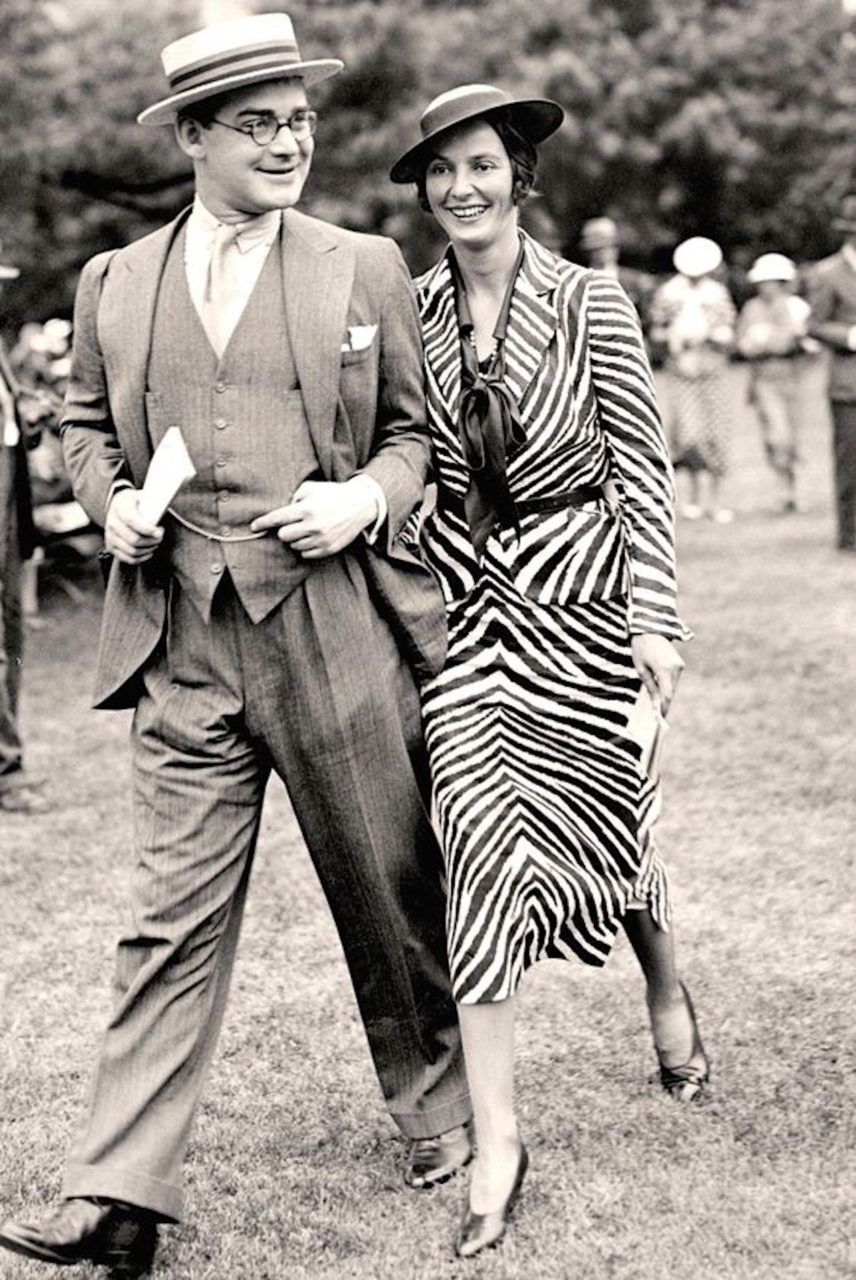
The 1930s also saw the rise of tailored clothing for women, with suits becoming increasingly popular. This trend was influenced by the growing number of women entering the workforce and the need for professional attire that was both stylish and functional. The power suit of the 1930s was typically characterized by a well-fitted jacket and a straight skirt, often made from luxurious fabrics like wool or silk. This shift towards tailored clothing not only reflected the changing roles of women in society but also their desire for clothing that was both fashionable and practical.
Hollywood Influence and Glamour
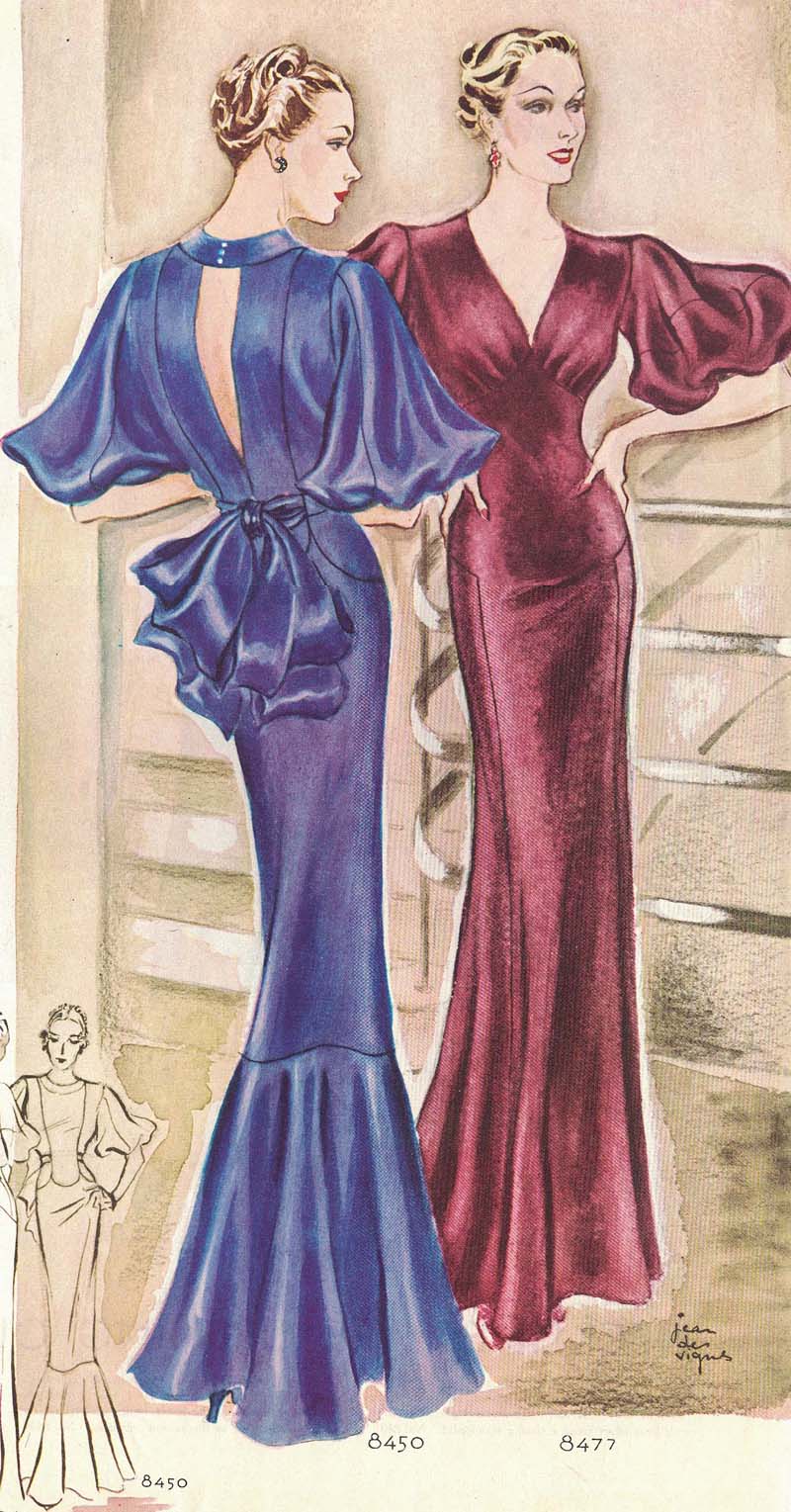
The world of cinema played a significant role in shaping the fashion trends of the 1930s. Hollywood stars like Marlene Dietrich and Greta Garbo set the standard for style, with their glamorous screen outfits influencing the fashion choices of women worldwide. The glamour of Hollywood was characterized by luxurious fabrics, bold colors, and intricate detailing, which were often incorporated into evening wear and cocktail dresses. The influence of Hollywood on women’s clothing in the 1930s cannot be overstated, as it helped to popularize a more opulent and extravagant style of dressing.
Sportswear and the Active Lifestyle
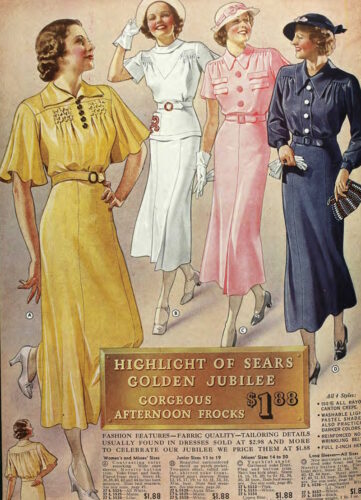
As women became more involved in sports and outdoor activities, the demand for comfortable and practical sportswear increased. The 1930s saw the introduction of casual clothing designed for leisure and physical activities, such as tennis dresses, swimwear, and tailored trousers. This shift towards activewear was a reflection of the changing lifestyles of women, who were embracing a more active and health-conscious way of life. The popularity of sportswear in the 1930s also highlighted the growing importance of fitness and well-being in society.
Conclusion
The 1930s was a decade that witnessed a significant evolution in women’s fashion, with trends that not only reflected the social and cultural changes of the time but also the growing independence and confidence of women. From the little black dress to tailored suits and sportswear, the fashion of the 1930s was a testament to the resilience and creativity of the era. These styles continue to influence modern fashion, serving as a reminder of the importance of style, practicality, and self-expression in women’s clothing.
