

Embarking on a Journey through African Clothing for Women
The vibrant tapestry of African culture is intricately woven into the fabric of its clothing, particularly for women. From the flowing dashikis to the ornate kente cloths, each garment tells a story, a history, and a tradition that spans centuries. Let’s delve into the world of African clothing for women, exploring its rich diversity and the significance it holds.
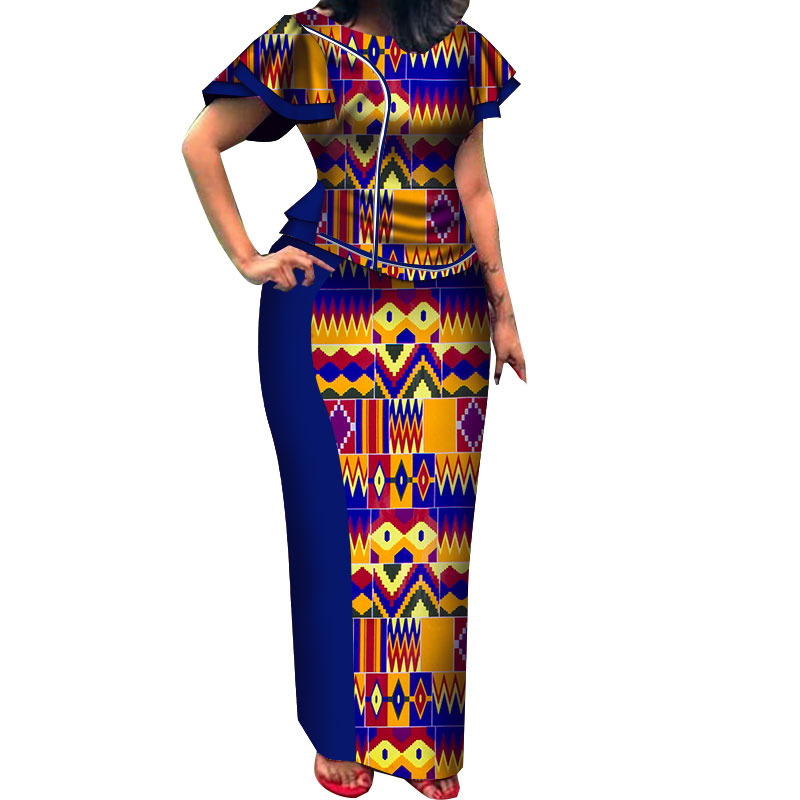
The term african clothing women encompasses a multitude of styles, each with its unique characteristics and cultural significance. To truly appreciate these garments, we must look beyond the surface and understand the craftsmanship and history behind them. For instance, the Maasai shuka, a brightly colored cloth worn by Maasai women, is not just a piece of clothing but a symbol of their identity and resilience.
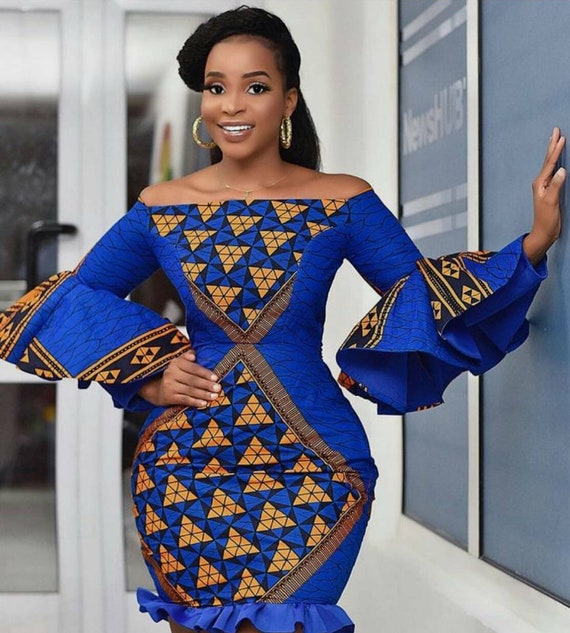
“African clothing is more than just fashion; it’s a form of expression, a way to connect with our roots,” says Lupita Nyong’o, the renowned actress and a proud advocate for African fashion. Her words echo the sentiment of many who see these garments as a bridge between the past and the present, between tradition and modernity.
The Diversity of African Clothing for Women
The diversity of African clothing for women is staggering. From the african clothing women of the Yoruba people in Nigeria, known for their adire fabrics, to the wax prints popular across West Africa, each region has its own distinct style. The adire, for example, is a resist-dyed fabric that has been used for centuries, and its patterns are often associated with specific events or social statuses.

To understand the importance of african clothing women, one must consider its role in social and cultural events. Whether it’s a wedding, a naming ceremony, or a traditional festival, these garments are not just worn but are central to the celebration. They are a visual representation of the occasion’s significance and the wearer’s place within it.
The Role of African Clothing in Cultural Identity
The cultural identity of African women is deeply intertwined with their clothing. Clothing is not merely a covering but a canvas on which their heritage is painted. The african clothing women is a testament to the continent’s rich history and the women’s role in preserving and passing on these traditions. As Chimamanda Ngozi Adichie, the acclaimed Nigerian author, once said, “Culture does not make people. People make culture.”

The influence of african clothing women extends beyond the continent’s borders. With the rise of global fashion and the increasing interest in cultural diversity, African clothing has found its way into the international fashion scene. Designers and fashion enthusiasts alike are drawn to the bold patterns, colors, and the stories these garments tell.
Preserving Traditions and Embracing Modernity
In today’s fast-paced world, there is a growing appreciation for the handmade and the unique. African clothing for women stands as a beacon of this ethos. The intricate beadwork, the detailed embroidery, and the traditional dyeing techniques are not just skills but art forms that have been passed down through generations.
As we bring this exploration to a close, it’s clear that African clothing for women is more than just attire; it’s a celebration of culture, a display of artistry, and a connection to the past. It’s a reminder that fashion is not static but evolves with the times, carrying with it the stories of those who wear it.