

Discover the Perfect Revolve Dress for Every Occasion
In the realm of fashion, few garments offer the transformative power of a well-chosen dress. The revolve dress stands as a testament to this versatility, seamlessly adapting to diverse settings while maintaining an aura of sophistication. Whether you’re navigating professional environments, social gatherings, or intimate celebrations, understanding how to select and style these pieces can redefine your wardrobe’s potential. This exploration delves beyond superficial aesthetics, examining the structural elements, psychological impacts, and cultural significance that make these dresses indispensable.
The Architectural Foundation of Versatile Dressing
Every exceptional revolve dress begins with intentional design architecture. The term “architecture” in fashion refers to the structural composition of garments, encompassing everything from seam placement to fabric behavior. According to the Fashion Institute of Technology’s curriculum, successful dress design balances three fundamental elements: silhouette, proportion, and drape. Silhouette defines the garment’s overall shape against the body—whether A-line, sheath, or fit-and-flare—each creating distinct visual effects. Proportion determines the relationship between different sections of the dress, such as bodice length to skirt volume, which directly affects perceived body proportions. Drape describes how fabric falls and moves, with materials like silk charmeuse offering fluid movement while structured cottons provide defined shapes. These technical considerations transform a simple garment into a versatile tool that can emphasize or minimize physical attributes, adapt to different climates, and transition across occasions through strategic accessorizing. The true mastery lies in designs that appear effortlessly elegant while containing sophisticated structural planning.
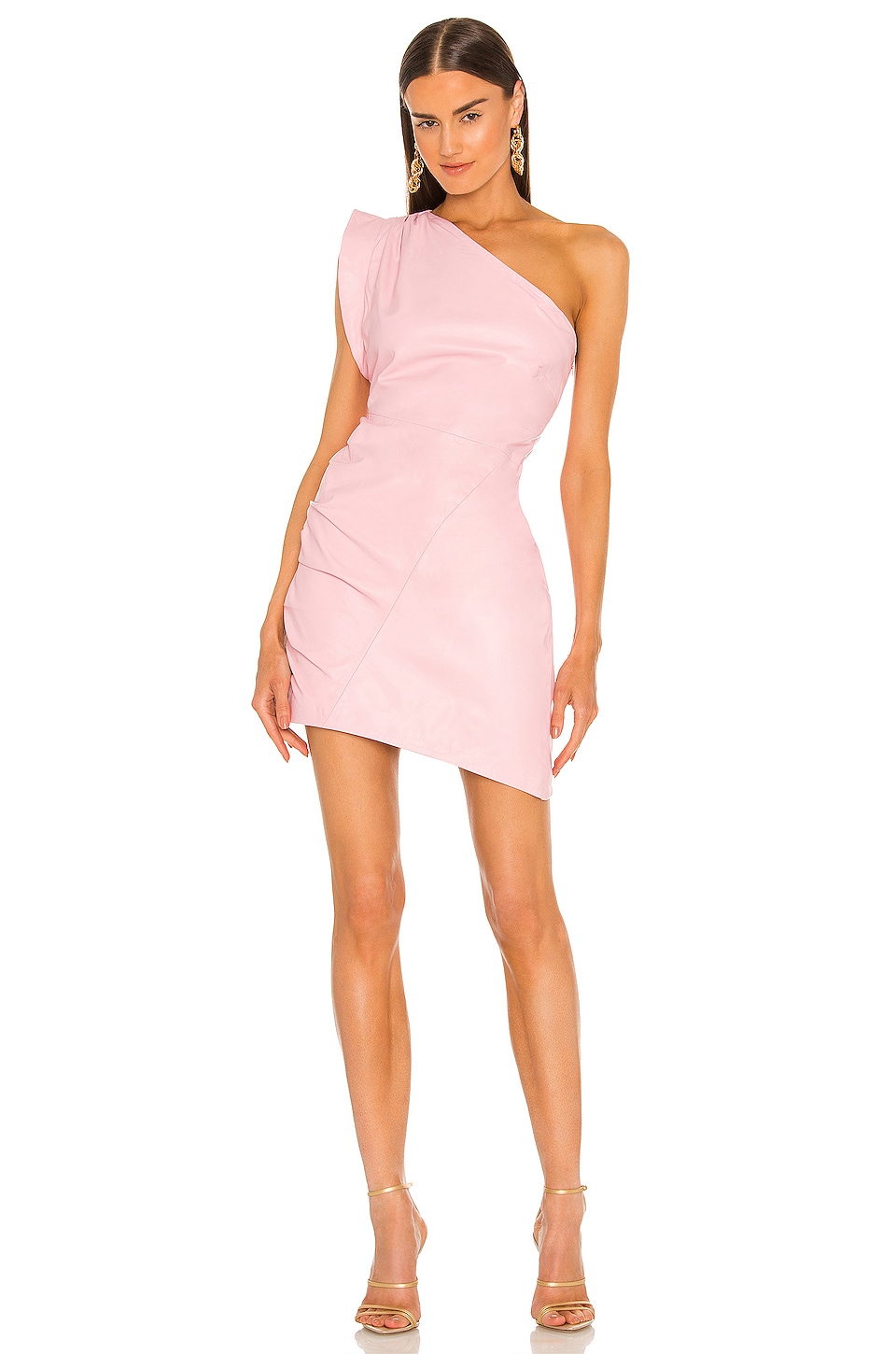
Color Psychology in Occasion-Specific Selection
Color represents one of the most powerful yet frequently underestimated elements in dress selection. Scientific research from the Pantone Color Institute reveals that colors trigger neuropsychological responses, influencing both wearer confidence and observer perception. For professional settings, deep blues and charcoal grays convey authority and trustworthiness—a phenomenon documented in Harvard Business School’s studies on professional presentation. Social gatherings benefit from jewel tones like emerald or ruby, which stimulate conversation and approachability according to psychological assessments published in Color Research Journal. The classic little black dress maintains its dominance not merely through tradition but through verifiable optical science; black creates a slimming effect through lateral inhibition in visual processing, where contrasting edges appear more defined. Beyond basic color theory, consider seasonal color analysis—a system developed by cosmetic consultants in the 1980s and refined by style platforms like The Concept Wardrobe. This methodology categorizes skin undertones (cool, warm, or neutral) and matches them with harmonizing palettes, ensuring your revolve dress enhances natural coloring rather than competing with it. This scientific approach to color selection transforms random choice into strategic dressing.
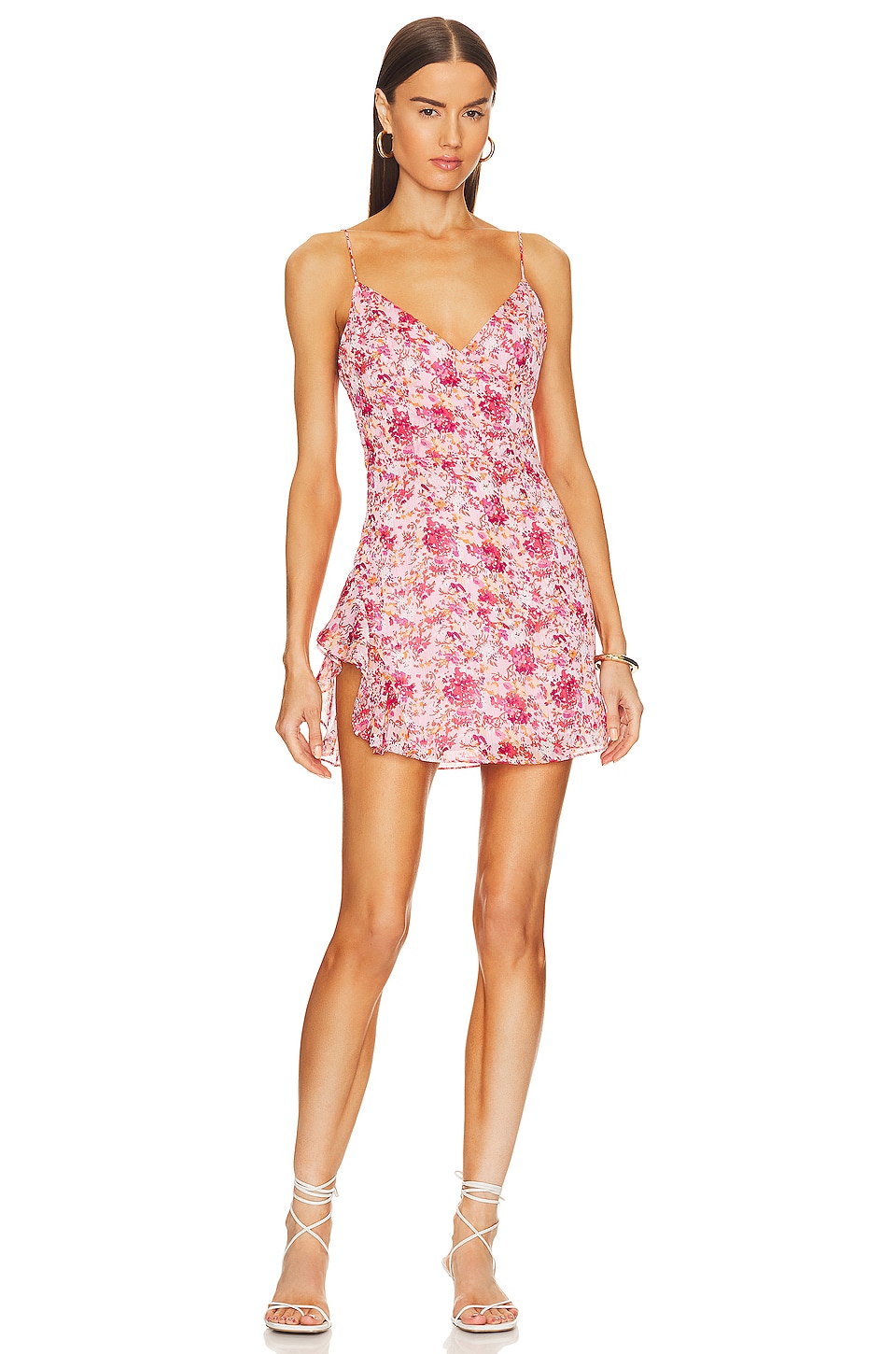
Fabric Technology and Seasonal Adaptation
Modern textile innovation has revolutionized dress functionality beyond mere aesthetics. Technical fabrics now offer properties once considered impossible for fashion garments. Temperature-regulating materials like Outlast®—originally developed for NASA—incorporate phase-change materials that absorb excess body heat and release it when needed, creating personal microclimates. Moisture-wicking technologies, prominently featured in athletic wear, have been refined for everyday dresses through brands like Ministry of Supply, using capillary action principles to move perspiration away from skin. For formal occasions, fabric weight and composition determine both comfort and presentation. Heavy silk satins drape with luxurious weightiness appropriate for evening events, while lightweight cotton voile offers breathability for daytime summer gatherings. The University of Leeds’ School of Design published comprehensive research on sustainable fabric choices, highlighting Tencel™ lyocell as a premium option—derived from renewable wood sources through closed-loop processing that recycles 99% of solvents. Understanding these textile properties allows strategic selection of revolve dress options that provide comfort without compromising style, adapting to environmental conditions while maintaining impeccable appearance throughout extended wear.
Investment Valuation in Wardrobe Staples
Approaching dress purchases as strategic investments requires understanding cost-per-wear calculations alongside quality assessment metrics. The investment value of a revolve dress extends beyond initial price tags to encompass longevity, versatility, and timelessness. Luxury economist Dr. James Shortt’s research at Cambridge Judge Business School established that mid-range designer pieces often offer superior value retention compared to both fast fashion and haute couture extremes. His study tracked garment lifespan across price categories, finding that dresses priced between $200-$400 typically delivered optimal cost-per-wear when worn regularly over five-year periods. Quality assessment should examine stitch density (stitches per inch), seam finishes (French versus overlock), and fabric composition integrity. Author and textile expert Kate Fletcher emphasizes in her book “Craft of Use” that well-constructed garments can outlast trends by decades when properly maintained. Current market analysis from fashion resale platform The RealReal indicates that specific revolve dress styles maintain approximately 60-70% of their original value when resold within two years, outperforming many accessories categories. This financial perspective, combined with aesthetic considerations, creates a framework for building a wardrobe that serves both immediate needs and long-term value.
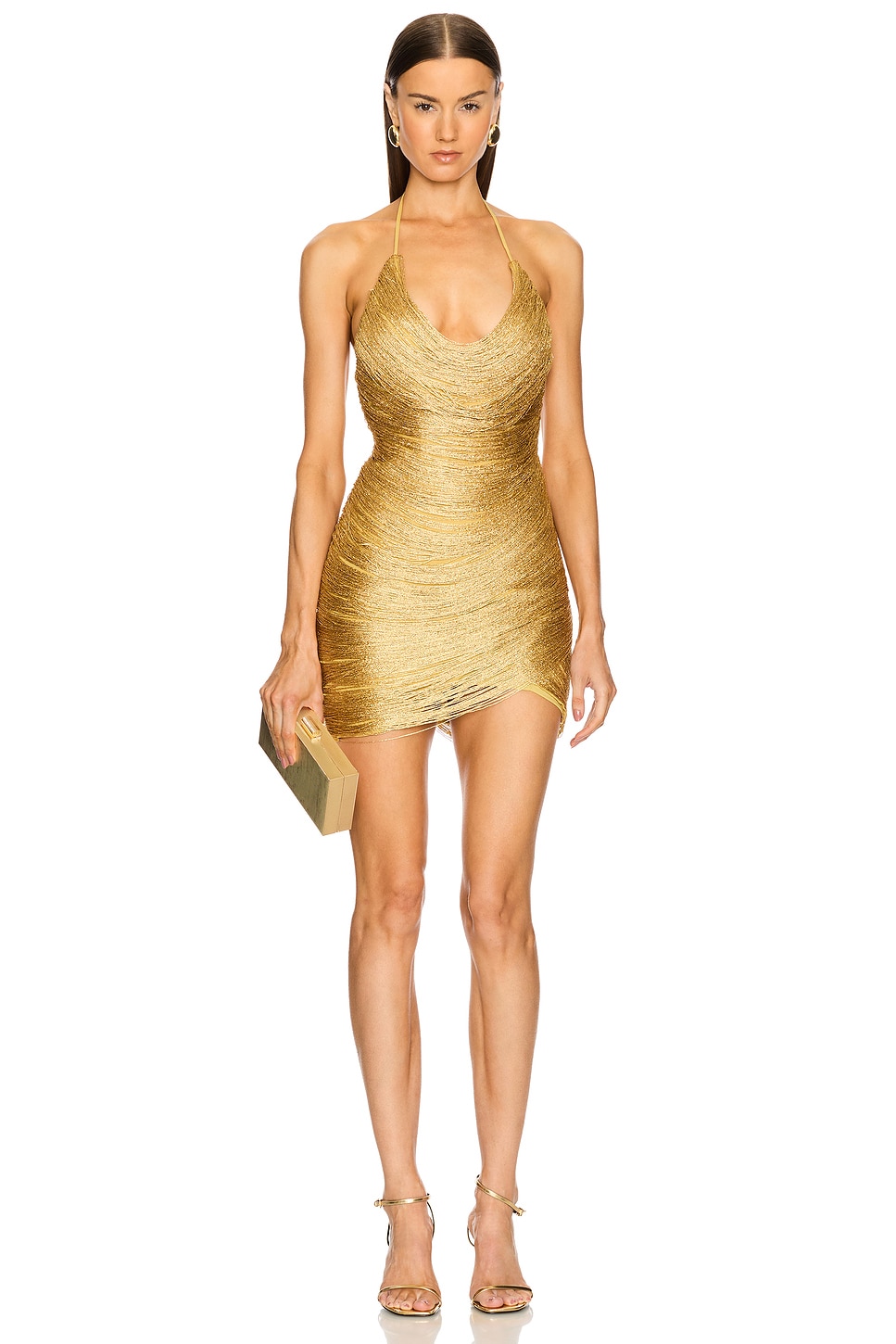
Cultural Semiotics in Dress Communication
Every garment communicates cultural codes beyond personal style preferences. Semiotics—the study of signs and symbols—applied to fashion reveals how dresses function as non-verbal communication tools. Professor Malcolm Barnard of University College London argues in “Fashion as Communication” that clothing constitutes a language with grammar (construction) and vocabulary (styling). The little black dress, for instance, carries different connotations based on context: professional when paired with structured blazers, romantic with delicate jewelry, or edgy with leather accessories. Cultural anthropologist Dr. Jennifer Craik’s research documented how dress codes operate as unwritten social contracts, with particular emphasis on how women’s professional dressing evolved through feminist movements. The power suit of the 1980s, for example, represented female entry into corporate spheres, while contemporary workplace dressing blends authority with individuality. Global variations further complicate these sartorial languages; a revolve dress suitable for Milanese aperitivo might differ significantly from appropriate attire for Tokyo business dinners. Understanding these nuanced cultural signals enables more intentional dressing that aligns with personal objectives while respecting contextual expectations—a skill particularly valuable in our increasingly globalized social and professional landscapes.
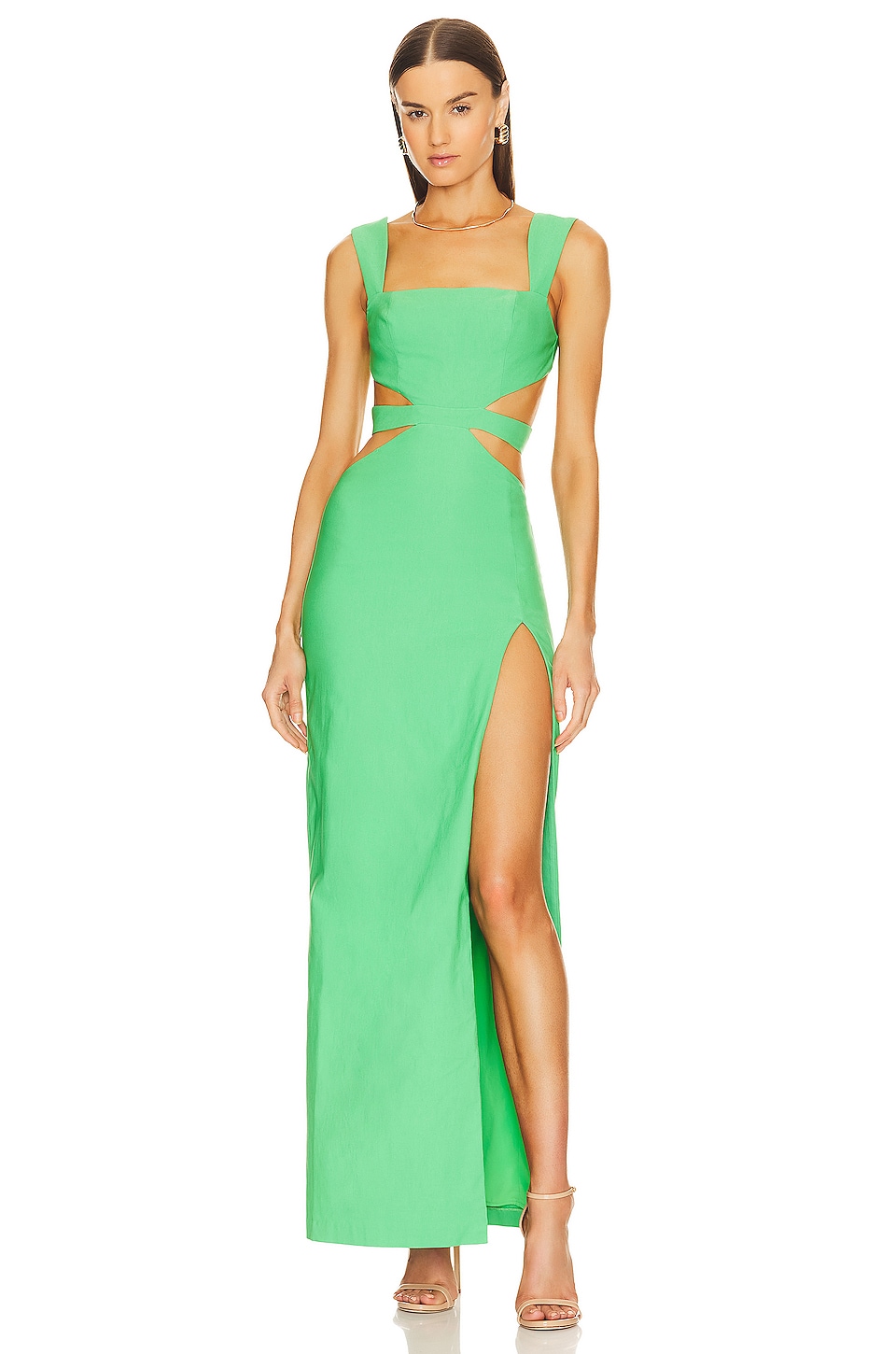
The Future of Versatile Dressing: Technology and Personalization
Fashion’s evolution continues accelerating through technological integration and personalized approaches. 3D knitting technology, pioneered by companies like Ministry of Supply and Uniqlo, now enables custom-fit dresses produced on demand, reducing waste while improving fit precision. Artificial intelligence platforms like Stitch Fix’s style algorithm analyze individual preferences alongside objective body metrics to recommend ideal revolve dress options with increasing accuracy. Augmented reality fitting rooms, developed by Zeekit and acquired by Walmart, allow virtual try-ons using avatars calibrated to personal measurements. Sustainability innovations similarly transform dress production; circular fashion models championed by Ellen MacArthur Foundation promote designs intended for disassembly and material recovery. Biofabricated materials—such as Bolt Threads’ mushroom-based leather alternative Mylo™—offer luxury aesthetics without environmental compromise. These advancements collectively point toward a future where the perfect revolve dress becomes increasingly personalized, sustainable, and technologically enhanced. The intersection of these developments suggests a coming era where dresses adapt not only to occasions but to individual bodies, values, and changing needs throughout their lifecycle.
The pursuit of the ideal revolve dress transcends fleeting trends, connecting instead with fundamental principles of design, psychology, investment, and communication. These garments serve as versatile tools in constructing personal and professional identities, adapting to countless scenarios while maintaining stylistic integrity. By applying these multifaceted considerations—from architectural foundations to technological futures—each selection becomes an intentional step toward a cohesive, expressive, and functional wardrobe.