

Mastering Semi-Formal Dresses for Every Occasion
Navigating the world of dress codes can often feel like deciphering an ancient language. Among the most versatile yet frequently misunderstood categories is the semi-formal dress. It’s the sartorial sweet spot that bridges the gap between casual comfort and formal grandeur, offering a canvas for personal expression while adhering to social expectations. This guide isn’t about rigid rules; it’s about unlocking the principles that make a semi-formal dress the most powerful item in your wardrobe. We’ll move beyond vague definitions, grounding our understanding in cultural context, design theory, and practical psychology to equip you with the knowledge to select, style, and own this look for any event life throws your way.
Decoding the Semi-Formal Lexicon: More Than Just “Dressy Casual”
The term “semi-formal” or “half-dress” has evolved significantly from its historical roots in Western fashion, where it denoted specific attire for evening events. Today, as noted by fashion historians and resources like the Business of Fashion, it represents a flexible standard influenced by time of day, event setting, and regional culture. A semi-formal dress fundamentally implies a polished, intentional appearance that shows respect for the occasion without the strictness of white- or black-tie attire. The key scientific principle at play here is social signaling. Your clothing communicates volumes before you speak. A well-chosen semi-formal outfit signals that you understand the context—be it a sophisticated garden wedding, an important corporate dinner, or an opening night gala. It balances individuality with conformity, allowing you to stand out for your style, not for being under or overdressed. This balance is not arbitrary; it’s rooted in societal norms studied in fields like sociolinguistics and nonverbal communication, where dress acts as a primary code in social interaction.
The Architectural Elements of a Perfect Semi-Formal Dress
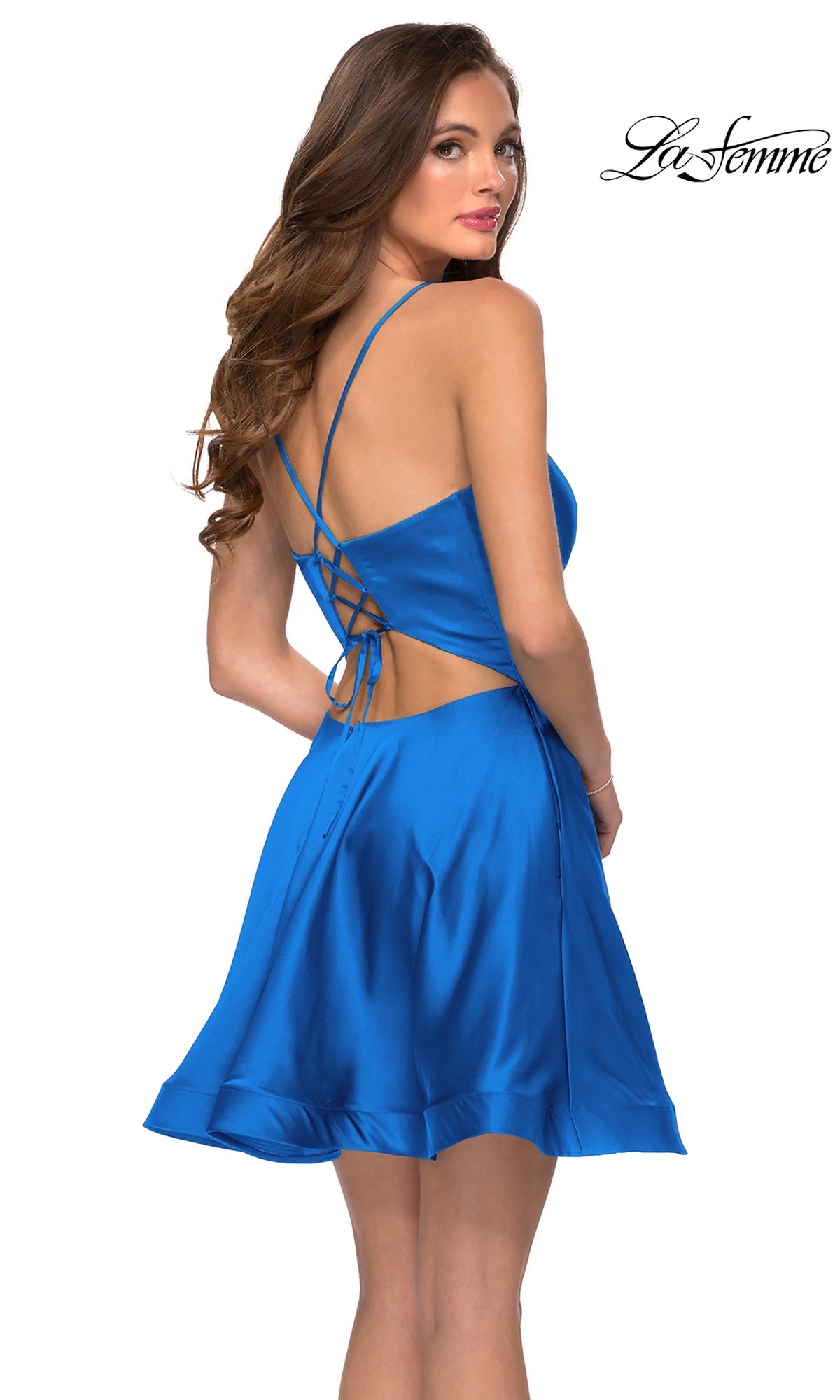
What transforms a simple dress into a quintessential semi-formal dress? The answer lies in its architectural elements: silhouette, fabric, length, and detail. Let’s dissect these objectively. First, the silhouette. Options like the universally flattering A-line, the elegant sheath, or the playful fit-and-flare are mainstays. The science of aesthetics, often referenced in design programs at institutions like Parsons School of Design, suggests that balanced proportions create visual harmony. A semi-formal silhouette should enhance the wearer’s form without being overly revealing or restrictive. Second, fabric is the cornerstone of perception. Luxe materials such as chiffon, lace, satin, crepe, or high-quality jersey drape elegantly and convey a sense of substance. As legendary designer Coco Chanel once implied, quality is remembered long after price is forgotten. The tactile experience of a fabric—its weight, flow, and texture—directly impacts the perceived formality. Third, length is a critical variable. While the classic “cocktail length” (falling just above or below the knee) is a safe benchmark, contemporary semi-formal wear embraces midi (calf-length) and selective tea-length styles. The governing principle is context: a daytime semi-formal event may welcome a chic midi, while an evening affair might lean toward a more dramatic length. Finally, detailing should be intentional, not excessive. Strategic embellishments like delicate beading, a tasteful slit, or unique sleeve structuring can elevate the garment.

Occasion-Based Mastery: From Daytime Soirées to Evening Galas
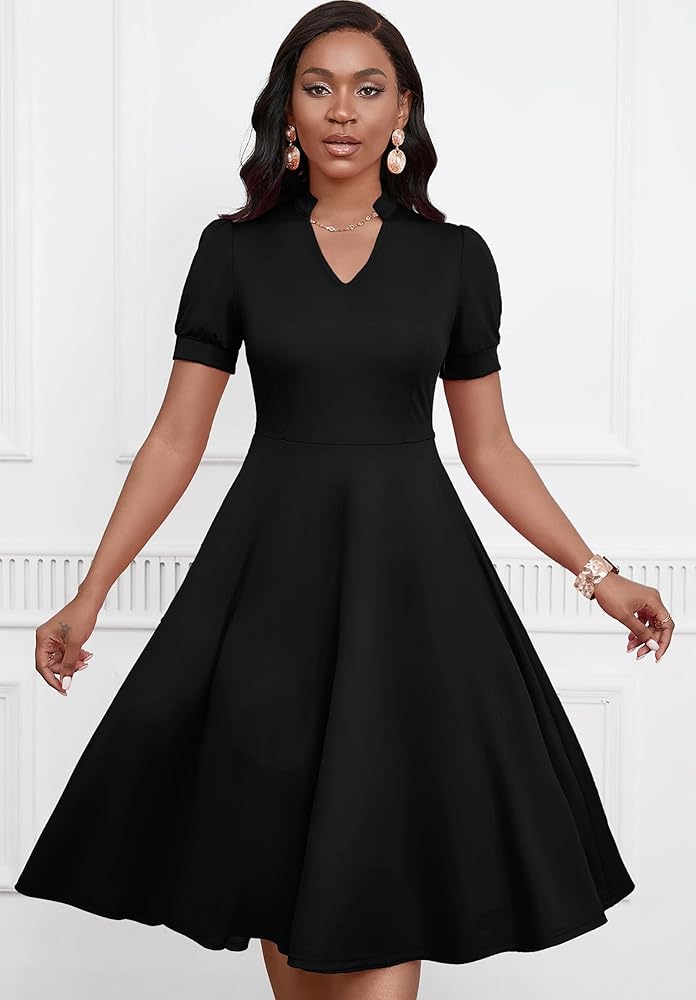
The true mastery of the semi-formal dress lies in its contextual application. A one-size-fits-all approach fails here. For a daytime wedding or a brunch event, your strategy should leverage lighter colors, breathable fabrics like linen blends or cotton sateen, and potentially playful prints. Think of a sophisticated floral-print wrap dress or a pastel-colored A-line. The mood is joyful yet refined. Contrast this with the corporate semi-formal landscape, such as a company holiday party or an industry awards ceremony. Here, the palette often shifts toward deeper, more authoritative tones—navy, emerald, burgundy—or classic black. Silhouettes become more structured, perhaps a tailored sheath dress with a statement necklace. Fabric choices like matte crepe or double-knit wool convey professionalism. As Sheryl Sandberg has discussed in the context of professional presence, what you wear can affect both your own confidence and how you are perceived in a professional hierarchy. For evening events like a charity gala or an anniversary dinner, this is where you can embrace drama. Velvet, silk satin, or sequined details come into play. A sleek slip dress or a gown with a bold cut can be perfectly semi-formal if balanced with minimalist accessories. The common thread across all occasions is intentionality: every choice, from hue to hemline, should be a conscious response to the event’s time, place, and purpose.
The Psychology of Color and Pattern in Your Selection
Moving beyond cut and cloth, the visual language of color and pattern holds immense power in your semi-formal presentation. Color psychology, a field studied in both marketing and design, isn’t pseudoscience; it’s about the cultural and emotional associations colors evoke. Wearing a crimson dress can project confidence and energy, while a sapphire blue might communicate trust and stability. A study from the University of Rochester even suggested a link between wearing red and being perceived as more attractive. When selecting your semi-formal dress, consider the message you wish to broadcast. Is it approachability (soft blues, lavenders), authority (black, charcoal, deep green), or creativity (jewel tones, color-blocking)? Patterns, too, carry weight. A geometric art deco print can feel modern and bold, suitable for a cosmopolitan event, while a delicate ditsy floral leans romantic and is ideal for a garden party. The key is scale and placement. A large, bold pattern makes a statement and can be the focal point of your outfit, requiring simpler accessories. A subtle, all-over pattern adds texture without overwhelming. Remember, as film costume designers like Edith Head demonstrated, clothing is a tool for character development. Your semi-formal dress is the costume for your role in the event’s narrative.
Strategic Accessorizing: The Finishing Calculus
A perfect semi-formal dress is only a foundation; the architecture is completed with strategic accessorizing. This is a calculus of balance, not accumulation. The golden rule, often cited by stylists on platforms like YouTube (e.g., fashion experts like Alexa Chung or Audrey Coyne), is to choose one focal point. If your dress is detailed with sequins or a bold neckline, opt for understated jewelry—simple studs and a delicate bracelet. If your dress is a minimalist sheath, that’s your invitation to don a chunky, artistic necklace or dramatic earrings. Footwear is non-negotiable. A sleek pump, a sophisticated block-heel sandal, or an embellished flat can define the vibe. Consider practicality alongside style; a cobblestone courtyard at a wedding favors a block heel over a stiletto. The handbag should be compact and elegant—a clutch or a small structured bag. Furthermore, outerwear like a tailored blazer, a chic wrap, or a faux-fur stole for cooler weather must be considered as part of the ensemble, not an afterthought. Each accessory is a variable in an equation that must sum up to a coherent, polished whole.
Building a Cost-Effective Semi-Formal Arsenal: Knowledge as Your Greatest Asset
Mastery isn’t about owning a closet full of expensive, one-time-wear dresses. It’s about building a versatile, cost-effective arsenal through informed choices. This is where professional knowledge directly translates to savings. First, invest in two or three foundational dresses in neutral colors (black, navy, taupe) and classic silhouettes. These are your workhorses, easily transformed with different accessories for multiple events. Second, understand fabric care. Proper steaming, storage, and cleaning will extend the life of your garments exponentially, a principle any textile conservation department at a university would endorse. Third, be a savvy shopper. Look for end-of-season sales on high-quality brands, explore reputable consignment stores for designer finds, and consider rental services for highly specific, trendy pieces you may only wear once. The rise of the “rental economy” for fashion, analyzed in business publications, is a testament to the desire for variety without waste. Finally, sometimes a simple dress can be elevated immensely by a skilled tailor. Spending $50 to perfect the fit of a $100 dress yields a garment that looks and feels custom-made, offering a return on investment far beyond its price tag. True style intelligence lies in maximizing the value and versatility of every piece you own.
The journey to mastering the semi-formal dress is ultimately a journey in understanding context and self-presentation. It’s an exercise in visual rhetoric, where fabric, cut, and color become your vocabulary. By grounding your choices in an understanding of design principles, social psychology, and occasion-specific norms, you move beyond following trends to cultivating a personal style that is both adaptable and authentic. You learn that the right dress doesn’t just make you look prepared for an event; it makes you feel empowered within it. So, the next time an invitation arrives, see it not as a sartorial challenge, but as an opportunity to articulate a part of yourself, perfectly pitched for the moment.