

5 Chic Semi-Formal Dresses Perfect for Any Dressy Occasion
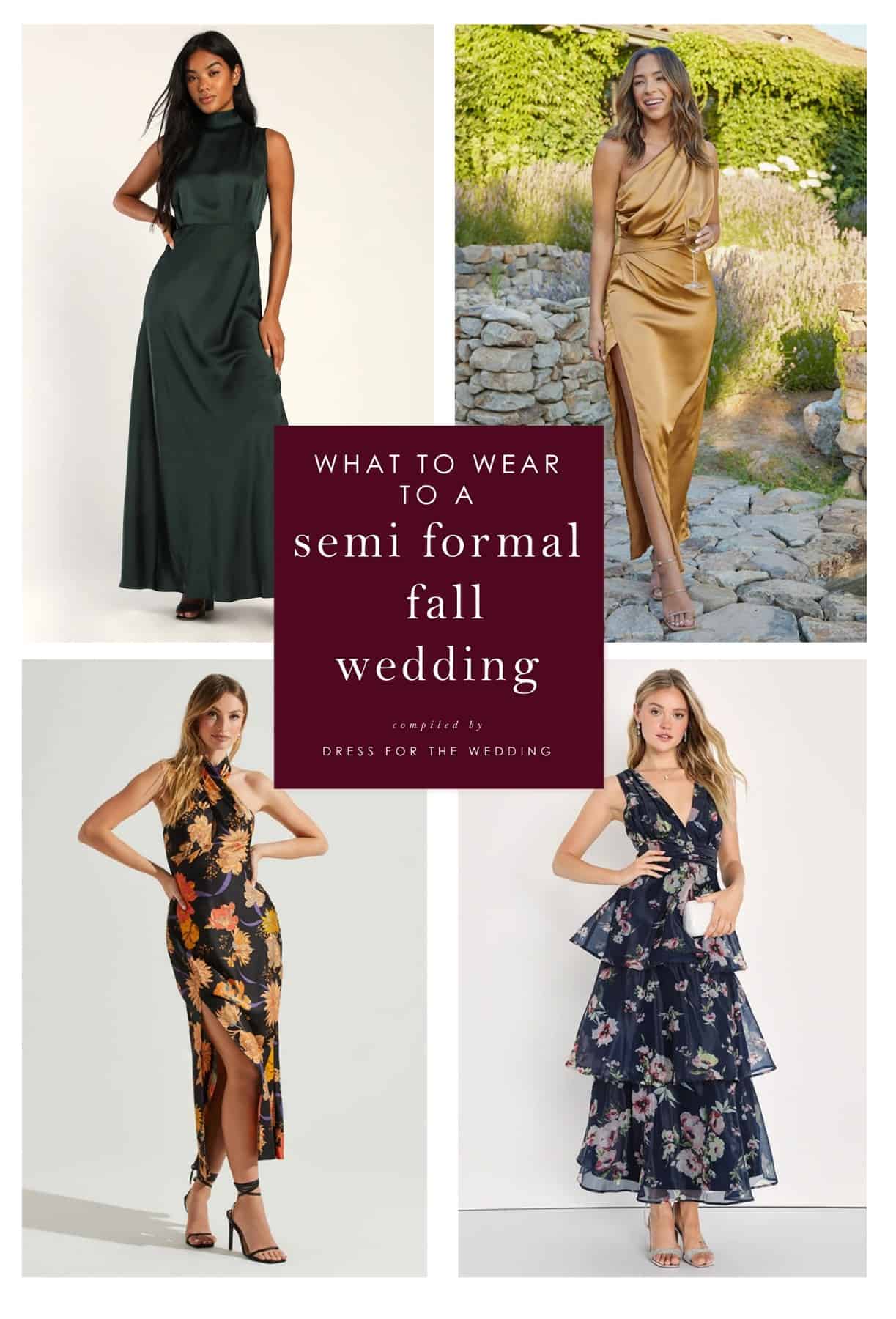
Navigating the world of dress codes can often feel like deciphering a secret language. “Semi-formal” or “dressy casual” invitations, in particular, leave many wardrobes in a state of panic. The sweet spot between a casual sundress and a full-length evening gown is precisely where the most versatile and stylish options reside. This guide is dedicated to demystifying that category and presenting five quintessential semi-formal dresses that are not just garments but sartorial solutions. We will move beyond subjective style opinions, grounding our choices in design principles, cultural context, and objective aesthetics to build a foundational understanding of what makes a dress perfect for these ubiquitous events.
The Anatomy of a Semi-Formal Dress: Beyond the Label
Before we explore specific styles, it’s crucial to establish what “semi-formal” truly entails from a sociological and fashion-historical perspective. The term itself emerged in the 20th century as social structures became more fluid, requiring a dress code that bridged the gap between daywear and strict evening wear. As noted in fashion literature from institutions like the Fashion Institute of Technology, semi-formal attire for women is traditionally characterized by knee-length to midi-length hemlines, refined fabrics (think silk, chiffon, lace, or high-quality synthetics), and a cut that is elegant without being overtly revealing. It is attire that commands respect and shows effort without attempting to outshine the host at a wedding or dominate a boardroom presentation. The key is intentional polish. A semi-formal dress operates on the principle of “elevated basics”—it takes a simple silhouette and amplifies it through texture, detail, or impeccable tailoring. This is not merely about looking nice; it’s about understanding non-verbal communication through clothing. As style icon Iris Apfel once quipped, “Fashion you can buy, but style you possess.” The goal with semi-formal is to project your personal style within a framework of established elegance, making choices that are both appropriate and authentically you.
1. The Timeless Wrap Dress: Engineered Flattery
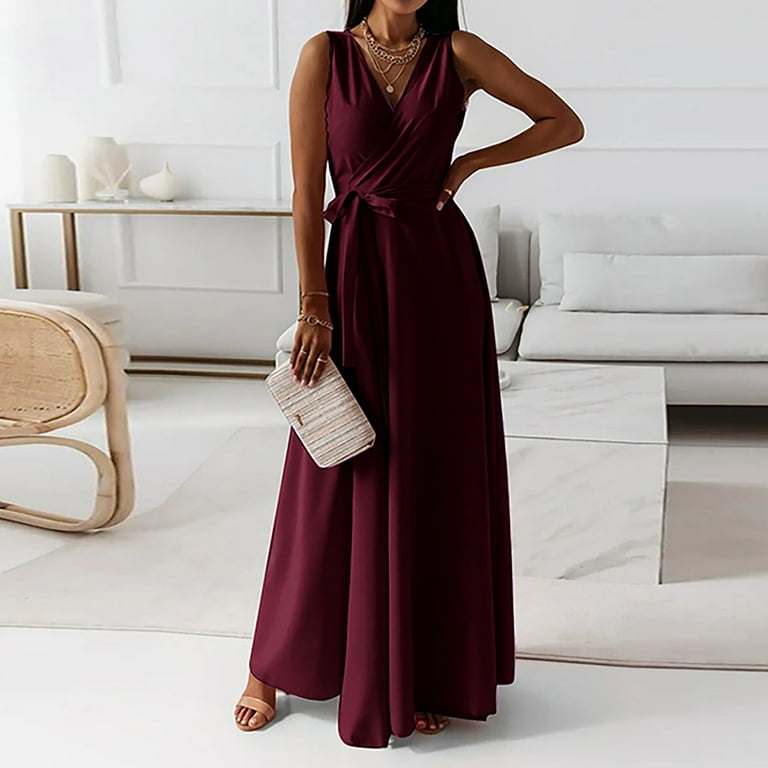
No list of versatile dresses is complete without the wrap dress, a design immortalized by Diane von Fürstenberg in the 1970s. Its genius lies in its universally flattering architecture. The cross-over wrap silhouette creates a natural V-neckline that elongates the torso, while the tie waist defines the smallest part of the body, accommodating a wide range of figures without the need for precise sizing. This is less a fashion trend and more a triumph of inclusive design. From a scientific standpoint, the wrap dress utilizes the golden ratio in its construction, creating pleasing proportions that the human eye naturally finds attractive. It’s a dress that works as hard as you do, transitioning seamlessly from a daytime garden party to an evening dinner with a simple change of accessories. Swap flats for heels, add statement earrings, and you’ve transformed your look. The fabric choice dictates its formality: a jersey wrap leans casual, while a silk satin or floral chiffon wrap firmly places it in the semi-formal dresses category. Its enduring popularity, documented everywhere from Vogue archives to street style blogs, is a testament to its objective success as a design formula.
2. The Modern Midi Slip Dress: Minimalist Elegance
The slip dress, once strictly lingerie, was catapulted into the realm of high fashion in the 1990s and has evolved into a semi-formal staple. The modern iteration for dressy occasions is typically a midi-length slip in a luxe fabric like silk, satin, or velvet. Its power is in its minimalist lines and sensual drape. This dress speaks a language of confident understatement. It aligns with the minimalist philosophy championed by designers like Calvin Klein, where the focus is on form, fabric, and fit rather than overt decoration. Psychologically, clean lines and simple silhouettes are often perceived as more sophisticated and authoritative—a principle leveraged in both corporate branding and high fashion. When selecting a slip dress for a semi-formal event, the details are paramount. Look for delicate spaghetti straps, a subtle bias cut that skims the body, and a hemline that falls between the calf and ankle. This is a dress that requires impeccable tailoring; any pulling or gaping disrupts its fluid elegance. As author and style observer Vanessa Friedman has noted, the contemporary slip dress represents “a kind of armor in reverse—it’s about vulnerability as strength.” It is a perfect choice for gallery openings, chic cocktail parties, or romantic dinners where you want to feel effortlessly polished.

3. The Structured Fit-and-Flare: Architectural Joy
For those who adore defined shape and a touch of retro charm, the structured fit-and-flare dress is a cornerstone of the semi-formal wardrobe. Characterized by a fitted bodice (often with darts or seams for shape) and a skirt that flares out from the waist, this silhouette creates a joyful, feminine hourglass figure. Its design roots can be traced to Christian Dior’s iconic “New Look” of 1947, which celebrated a return to opulence and defined waists after the austerity of wartime. The fit-and-flare is architecture for the body. It provides structure and confidence, making it an excellent choice for events where you want to make a polished, memorable impression, such as weddings or celebratory lunches. The semi-formal version often features sophisticated necklines like a sweetheart, boatneck, or modest V-neck, and is rendered in structured fabrics like brocade, taffeta, or high-quality cotton sateen. This dress doesn’t just hang on the body; it interacts with it, creating movement and shape. It answers a fundamental desire for clothing that provides both comfort and clear, beautiful form—a principle explored in design textbooks from universities like Parsons School of Design. A well-chosen fit-and-flare is an investment in timeless style.
Expert Insight: The Fabric Foundation
“The difference between a dress that is merely pretty and one that is semi-formal often boils down to fabric. Natural fibers like silk, wool crepe, and high-grade cotton communicate quality and care. They drape, breathe, and reflect light in a way that synthetics often struggle to mimic. When building a capsule wardrobe for dressy occasions, prioritize fabric content as much as silhouette. A simple dress in exceptional material will always outclass a complicated design in cheap fabric.” — This viewpoint is consistently echoed by textile experts and stylists on platforms from YouTube to MasterClass, emphasizing the objective, tactile science of style.
4. The Elegant Shirt Dress: Polished Androgyny
Borrowing from the menswear wardrobe, the shirt dress reimagined for semi-formal events is a masterpiece of tailored sophistication. It takes the classic button-down shirt—a symbol of authority and simplicity—and extends it into a dress form. The semi-formal shirt dress is defined by precise tailoring, a belted waist (often self-tied or with a complementary leather belt), and luxe fabrics such as silk crepe de chine, lightweight wool, or linen blends. It represents a fusion of masculine and feminine codes, offering a look that is both powerful and graceful. This style is deeply rooted in the history of women entering professional and social spheres previously dominated by men; it is attire that commands respect without sacrificing femininity. From a practical standpoint, the shirt dress is incredibly versatile. Unbuttoned slightly at the neckline, with sleeves rolled up, it can be daytime appropriate. Cinched with a sleek belt and paired with heels and fine jewelry, it becomes unequivocally dressy. Its clean lines make it a perfect canvas for bold accessories. When searching for the perfect semi-formal dress that bridges professional and social settings, the shirt dress is an objectively intelligent choice, offering maximum style impact with minimalist effort.
5. The Embellished Cocktail Dress: Strategic Sparkle
For occasions that lean toward the “formal” side of semi-formal, an embellished cocktail dress is your strategic ally. This category encompasses dresses that feature deliberate decorative elements: beading on the sleeves, a sequined bodice, intricate lace overlay, or delicate embroidery. The key is moderation—the embellishment should be a focal point, not an all-over assault. This aligns with the design principle of “one statement piece,” which prevents visual overload and creates a more sophisticated impression. The science of attraction suggests that subtle sparkle and texture catch light and movement, drawing the eye in a positive, engaging way. A dress with beaded cap sleeves or a lace-paneled skirt offers visual interest and tactile depth, setting it apart from simpler styles. When selecting an embellished dress, ensure the base silhouette is still classic and flattering; the decoration should enhance, not disguise, the cut. This type of semi-formal dress is ideal for holiday parties, evening weddings, or any event held after dark where a touch of glamour is not just accepted but expected. It embodies the celebratory spirit of the occasion without requiring a full-length gown.

Curating Your Wardrobe: Knowledge as Your Best Accessory
Understanding these five archetypes of semi-formal dresses provides a framework, but the final step is personal curation. Your wardrobe should work for you. Consider your lifestyle, color palette, and the specific events you attend most often. Invest in one or two exceptional pieces from these categories in neutral colors (black, navy, emerald green, or burgundy) that can be accessorized repeatedly. Remember, professional knowledge informs smart purchases. Look for signs of quality: fully lined skirts, secure zippers, French seams, and pattern matching at the seams. These are the objective markers of a garment built to last. And while investment is key, value is paramount. Many contemporary brands and reputable retailers offer high-quality versions of these styles at accessible price points, especially during seasonal sales. A classic wrap dress or a tailored shirt dress on sale is not a compromise; it’s a smart acquisition. The goal is to build a collection of dresses that make you feel impeccably dressed for any dressy occasion, eliminating last-minute panic and ensuring you always have the perfect thing to wear.
Arming yourself with this knowledge transforms shopping from a chore into a strategic, even enjoyable, endeavor. You are no longer just buying a dress; you are acquiring a tool for self-expression and social navigation, chosen with discernment and an understanding of the enduring principles of style.