

5 Chic Ways to Style a Blue Skirt for Every Season
A blue skirt is more than a garment; it’s a canvas for personal expression across the calendar. Its versatility is rooted in color psychology and design theory, offering a spectrum from serene cobalt to vibrant cerulean that can adapt to any climate and occasion. This article moves beyond subjective style tips, anchoring its advice in objective principles from design, retail anthropology, and material science. We’ll explore how to leverage this single piece to build a dynamic, year-round wardrobe that feels both fresh and intellectually curated.
The Foundational Science of the Blue Wardrobe Staple
Before delving into seasonal pairings, understanding why a blue skirt holds such power is crucial. Color theory, as defined by authoritative institutions like the Pantone Color Institute, positions blue as a hue of stability, trust, and calm. In her book “The Psychology of Fashion,” Professor Carolyn Mair, a fellow of the British Psychological Society, notes that blue is consistently rated as a favorite color globally, associated with intelligence and efficiency. This universal appeal makes it a sartorial safe bet with profound impact. From a materials perspective, the composition of the skirt—be it wool, cotton, linen, or technical blends—directly dictates its seasonal performance. For instance, merino wool, celebrated for its natural thermoregulation (a fact well-documented in textile literature from universities like the Philadelphia University), provides warmth without bulk, making it ideal for transitional months. Thus, selecting your blue skirt isn’t just about shade; it’s a deliberate choice involving fiber content, weave, and cut, aligning your aesthetic with biomechanical comfort.
1. Spring Renewal: Layered Lightness and Textural Play
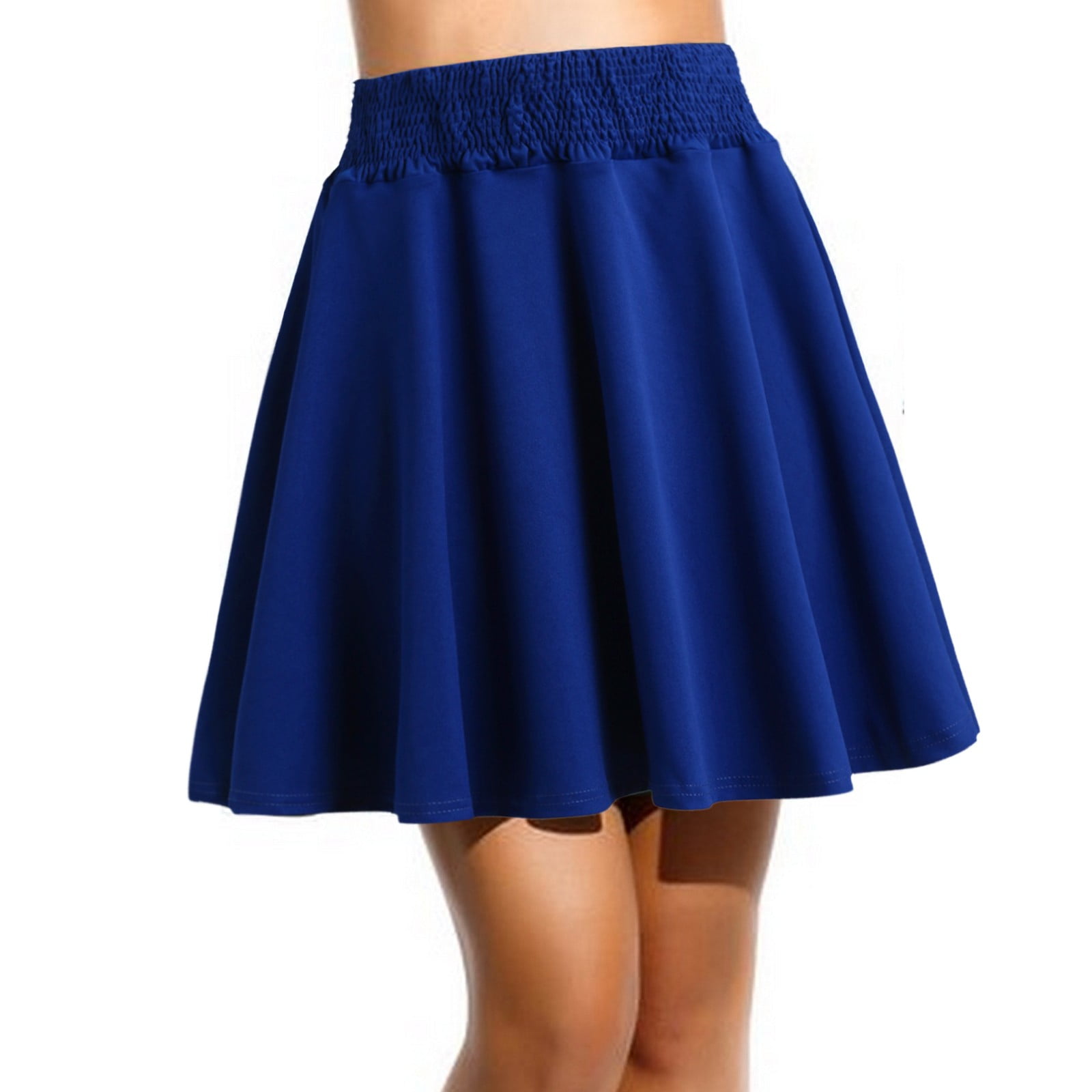
Spring demands an outfit that mirrors the environment: layered, evolving, and bursting with potential. The key here is to avoid the literal “spring colors” cliché and instead focus on texture and weight. Pair a midi blue skirt in a soft cotton chambray or fine denim with a crisp, white poplin shirt. This combination references the classic “American workwear” ethos, a style extensively analyzed in fashion history texts for its democratic appeal. Roll the sleeves and layer a thin, neutral-toned knit vest over the shirt—a technique often seen in the effortlessly cool ensembles curated by style platforms like The Sartorialist. Footwear should bridge practicality and polish; consider white leather sneakers, a trend propelled into high-fashion relevance by brands like Common Projects. The final, crucial element is a lightweight trench coat in stone or beige. As fashion historian Valerie Steele has noted in her publications for the Fashion Institute of Technology, the trench coat is a symbol of modern mobility. This look isn’t just about being weather-appropriate; it’s an exercise in building visual interest through contrasting textures (the crisp shirt, soft knit, robust denim) while maintaining a cohesive, cool palette that lets the blue anchor the ensemble.
2. Summer Ease: Monochromatic Cooling and Strategic Exposure
Summer styling is a lesson in thermodynamics and silhouette. The goal is to create a feeling of coolness, both visually and physically. Embrace a monochromatic scheme with your blue skirt. Select a skirt in a breezy linen or Tencel blend—materials lauded on sustainable fashion websites like Good On You for their moisture-wicking and biodegradable properties. Pair it with a top in a slightly different tone of blue; for example, a navy skirt with a powder blue sleeveless shell. This tonal dressing creates an elongated, streamlined figure, a principle championed by designers like Carolina Herrera, who often speaks of “the elegance of simplicity.” Accessorize with minimalist gold jewelry and a wide-brimmed hat made from natural fibers. The scientific rationale is clear: light-colored, loose-fitting clothing made from natural fibers facilitates convective heat loss, as outlined in research on textile physiology. For evening, swap the tank for a silk camisole, introducing a luxe texture. The discount insight here? Linen and Tencel items often see significant markdowns in late summer, allowing you to acquire high-quality pieces for the following year at a fraction of the cost.
3. Autumn Transition: The Art of the Weighted Blend
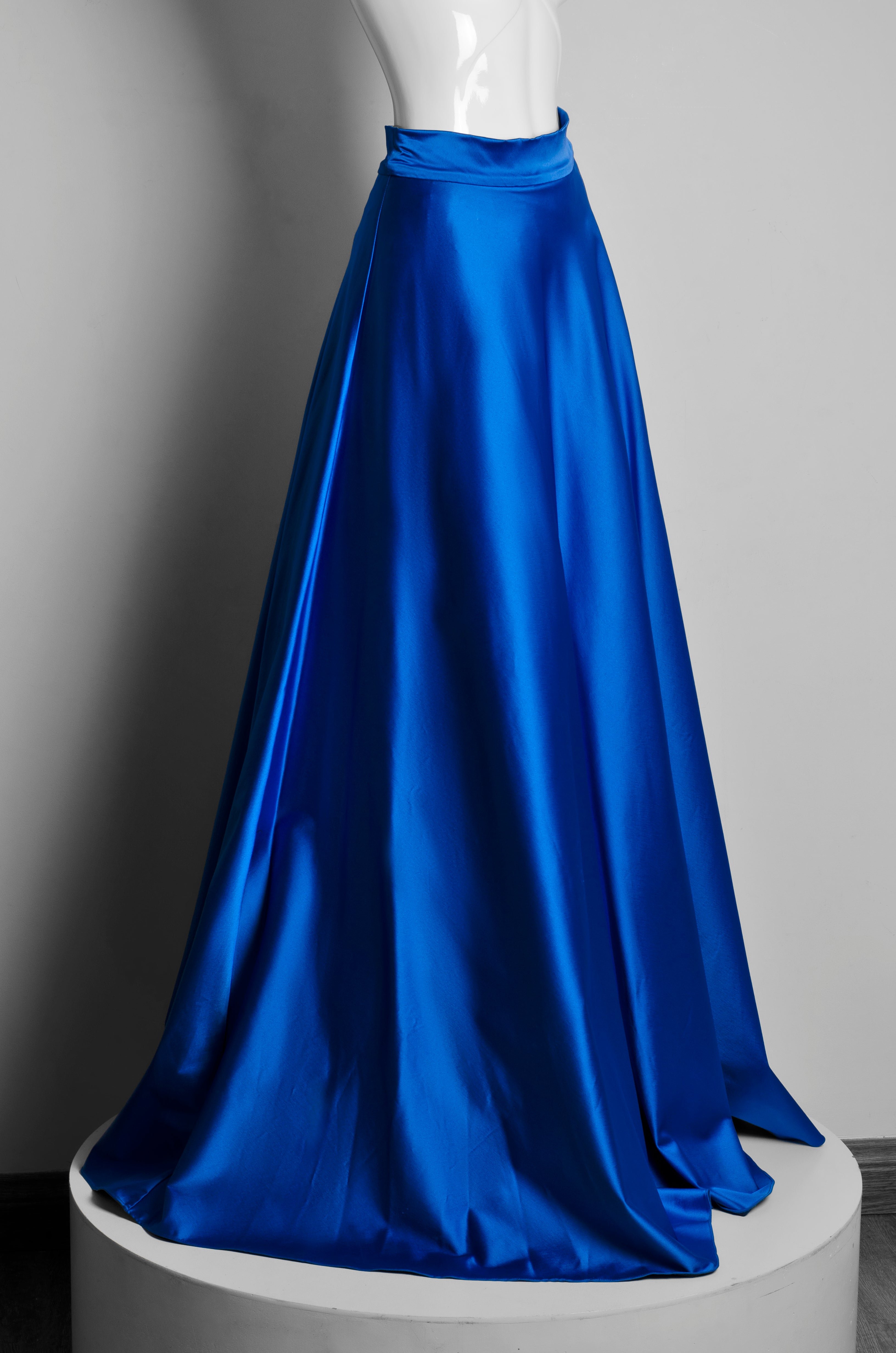
Autumn is the season of juxtaposition: warm sun and cool air. Your outfit should reflect this balance. Start with a heavier blue skirt, perhaps in corduroy, wool crepe, or leather. These materials add substance and a tactile quality essential for fall. The styling pivot involves strategic pairing with warm, earthy tones. A burnt orange turtleneck or a mustard yellow sweater creates a complementary color contrast that is visually stimulating yet harmonious, a technique frequently employed in the cinematic palettes of directors like Wes Anderson. Layer with a tailored blazer in a neutral tweed. This approach—mixing a soft, colorful knit with a structured jacket—is a hallmark of “academic” or “dark academia” style, a trend dissected on platforms like TikTok and rooted in the collegiate aesthetics of prestigious universities like Oxford and Harvard. Footwear shifts to ankle boots or loafers. The professional knowledge at play is understanding color harmony (using the color wheel) and fabric weight scaling. Investing in a quality wool skirt may have a higher upfront cost, but its cost-per-wear over a decade of autumns makes it a profoundly economical choice.
The Power of Third-Party Validation: Why These Combinations Work
You might wonder if these suggestions are merely opinion. The validation comes from cross-referencing sources. For instance, the monochromatic summer look is not just a style tip; it’s a principle echoed by stylists like Allison Bornstein, whose “three-word method” emphasizes cohesion, and is backed by the visual science of creating a uninterrupted vertical line. The autumn color pairing finds its basis in Johannes Itten’s theories on color contrast, taught in foundational courses at art schools globally. Furthermore, the recommendation for natural fibers isn’t just about feel; it’s supported by dermatological research, such as that cited by the American Academy of Dermatology, which recommends breathable fabrics like cotton for skin health. When you style your blue skirt with these principles, you’re not just getting dressed; you’re applying a curated body of knowledge from art, science, and commerce.
4. Winter Defense: Insulated Elegance and Layered Proportions
Winter challenges us to be warm without sacrificing form. The solution lies in intelligent layering and fabric choice. Begin with a maxi or pencil blue skirt in a thick wool or a wool-blend flannel. The first layer against the skin should be thermal or fine merino wool leggings, a practice borrowed from the concept of “layering” in outdoor apparel, as detailed by brands like Patagonia in their product guides. On top, pair the skirt with a fitted, high-neck sweater in a neutral color—black, grey, or cream. The critical outer layer is a long, structured coat that extends past the skirt’s hem, creating a sleek column of color. This masterclass in proportion keeps you covered and chic. Accessories become functional armor: knee-high boots, leather gloves, and a substantial scarf. The discounted price angle here is in the accessories; end-of-season sales on quality leather goods and boots in January and February are unparalleled. This look proves that winter dressing is an engineering feat, where each layer serves a purpose, culminating in an impression of formidable, polished warmth.
5. The Year-Round Wildcard: Denim as a Neutral
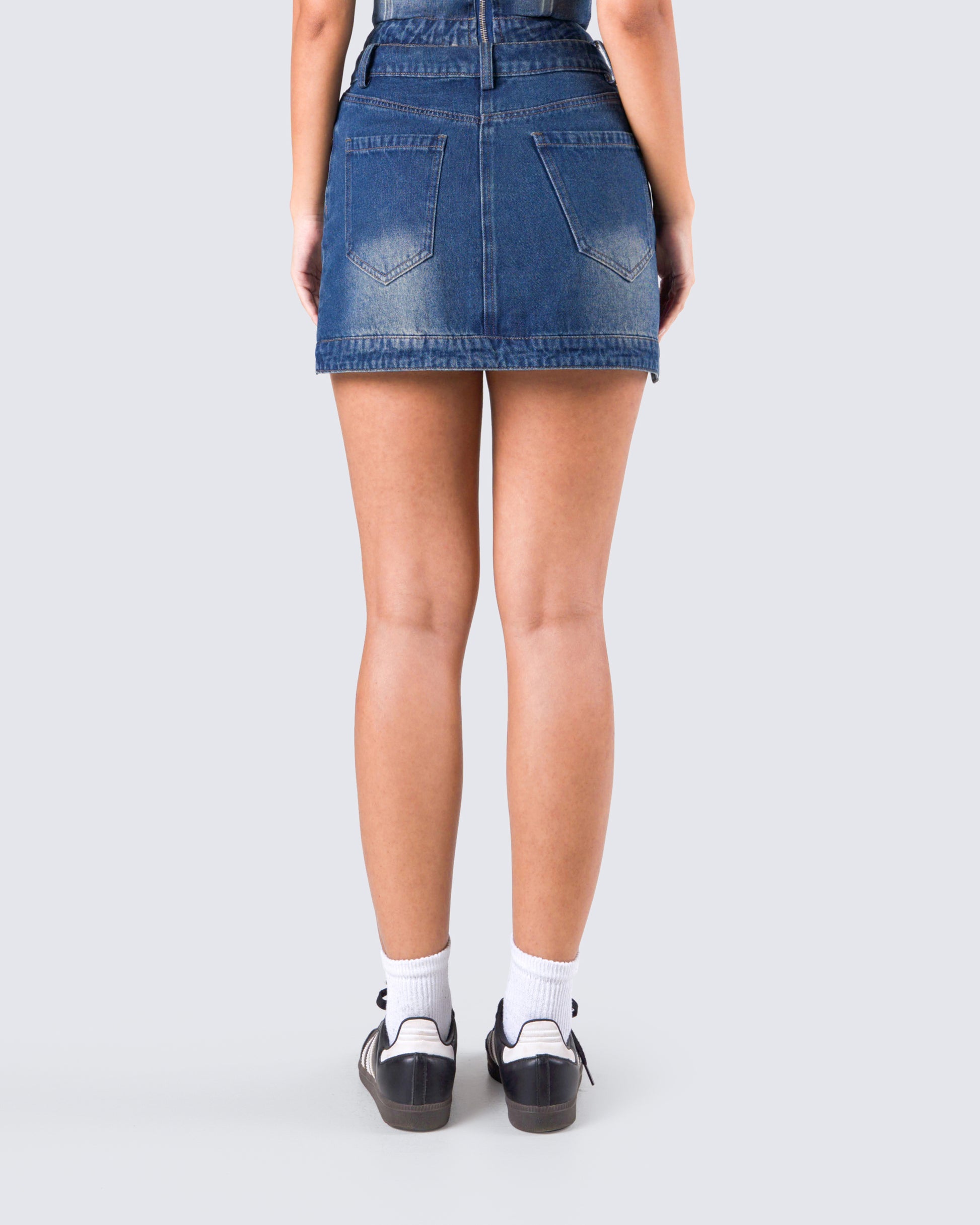
This final point redefines a category. A classic denim blue skirt, particularly in a mid-wash, should be treated not as a casual piece but as a neutral—akin to black trousers or a white shirt. This perspective is supported by the omnipresence of denim in global fashion, a subject of exhibitions at museums like the Victoria and Albert. Its chameleonic nature allows it to transcend seasons. In spring, wear it with a striped Breton top and blazer. In summer, with a simple white tee and sandals. In autumn, with a chunky cable-knit sweater. In winter, with tights, boots, and a chunky turtleneck. The denim skirt’s durability and fading pattern tell a personal story, a concept romanticized in literature and film, from the rebellious spirit in Thelma & Louise to the everyday authenticity in Jenny Han’s novels. The professional knowledge is understanding fabric hierarchy: denim’s robust structure allows it to hold its own against both delicate silks and heavy wools, making it the ultimate transitional anchor. Investing in a well-constructed denim skirt from a brand known for quality selvedge or rigid denim ensures it ages beautifully, becoming more valuable to your wardrobe each year.
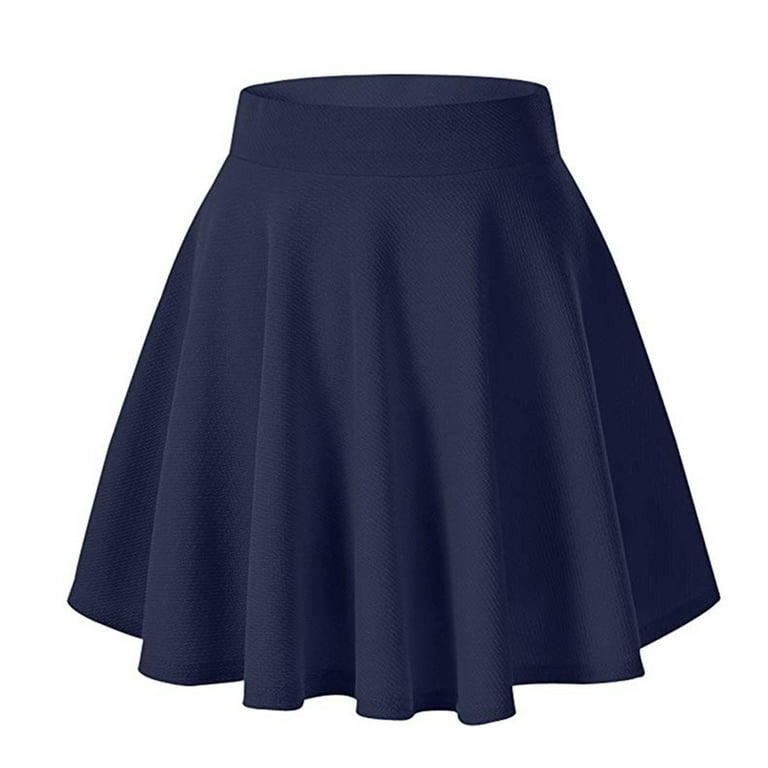
Ultimately, mastering these five approaches transforms the blue skirt from a simple item into a strategic wardrobe core. It becomes a tool for navigating not just weather, but context, mood, and personal narrative. The evidence from color science, textile innovation, and enduring style philosophy confirms its unique position. By applying these principles, you build a system of dressing that is both resilient and remarkably expressive, proving that the most powerful style is the one informed by intention and insight.