

Effortless Elegance: Mastering the Art of Shift Dress Styling
The pursuit of a flawless, versatile, and intelligent wardrobe often leads to a single, powerful silhouette: the shift dress. Its deceptively simple design belies a profound capacity for expression, offering a canvas upon which personal style, occasion, and confidence are painted. This is not merely about wearing a dress; it is about embracing a philosophy of dressing that champions ease, form, and timeless sophistication. The true art lies not in the acquisition of the garment itself, but in the nuanced mastery of its styling—transforming a simple shift from a wardrobe item into a statement of personal elegance.
The Architectural Foundation: Deconstructing the Shift Dress
To master styling, one must first understand the architecture. A classic shift dress is defined by its straight, clean lines, falling from the shoulders with little to no waist definition. Its origins are often traced to the 1920s flapper era, a symbol of liberation from restrictive corsetry, but its modern incarnation was crystallized by designers like Cristóbal Balenciaga in the 1950s and later popularized as a staple of 1960s mod fashion by figures such as Audrey Hepburn and the designs of Mary Quant. As the Victoria and Albert Museum notes, this silhouette represented a radical shift towards comfort and a modern, youthful aesthetic. The genius of its construction is its reliance on geometric shape rather than contouring. This creates a flattering, often forgiving, line that skims the body rather than clinging to it. The objective science of its appeal lies in its visual simplicity; the eye perceives an unbroken vertical line, which inherently creates an illusion of height and leaner proportions. This foundational understanding is crucial: the shift dress is a tool for creating optical harmony. Its value is not in hiding the figure, but in re-framing it within a sleek, architectural form. From the structured wool shift suitable for a boardroom to a fluid silk version for an evening soiree, the core principle remains this elegant neutrality, waiting to be activated by the wearer’s choices.

Beyond the Basic: Strategic Silhouette Manipulation
While the shift stands proud on its own, its true styling potential is unlocked through strategic layering and silhouette play. The first-person experience of wearing a shift often involves a delightful exploration of proportion. Consider the transformative power of a tailored blazer or a structured leather jacket thrown over the shoulders; it instantly adds authority and sharpness, creating a powerful vertical panel that narrows the frame. Conversely, a long, flowing cardigan or a duster coat introduces a contrast in texture and line, offering a more relaxed, artistic vibe. The key is intentionality. Belting, once considered a stylistic faux pas for a true shift, is now a celebrated technique. A slim belt at the natural waist or even higher at the empire line can create definition without compromising the dress’s inherent ease. This approach is championed by stylists like Allison Bornstein, who advocates for the “three-word method” where one word might be “architectural,” achieved by the dress, and another “defined,” added by the belt. Footwear is another potent tool. The same shift dress travels from day to night based on this single choice. Minimalist sneakers or flat loafers ground the look in contemporary casualness, while a sleek stiletto or pointed-toe pump elevates it to formidable elegance. As fashion historian Dr. Valerie Steele has often articulated, shoes are not an accessory but the foundation of an outfit’s attitude. The unadorned shift provides the perfect blank slate for this foundational statement.
The Alchemy of Texture and Chromatics
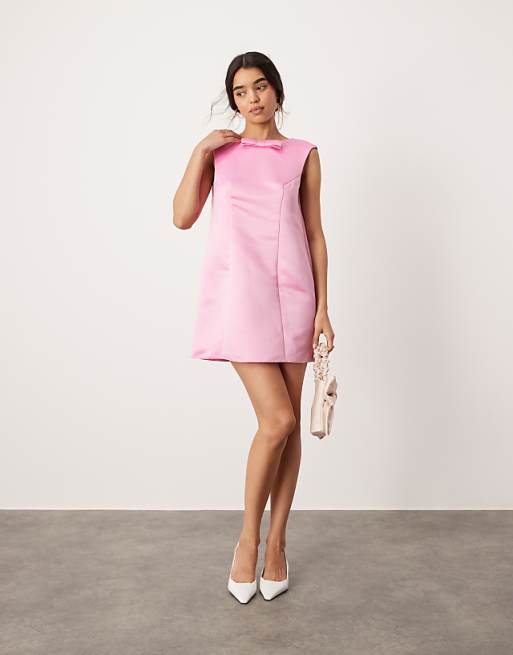
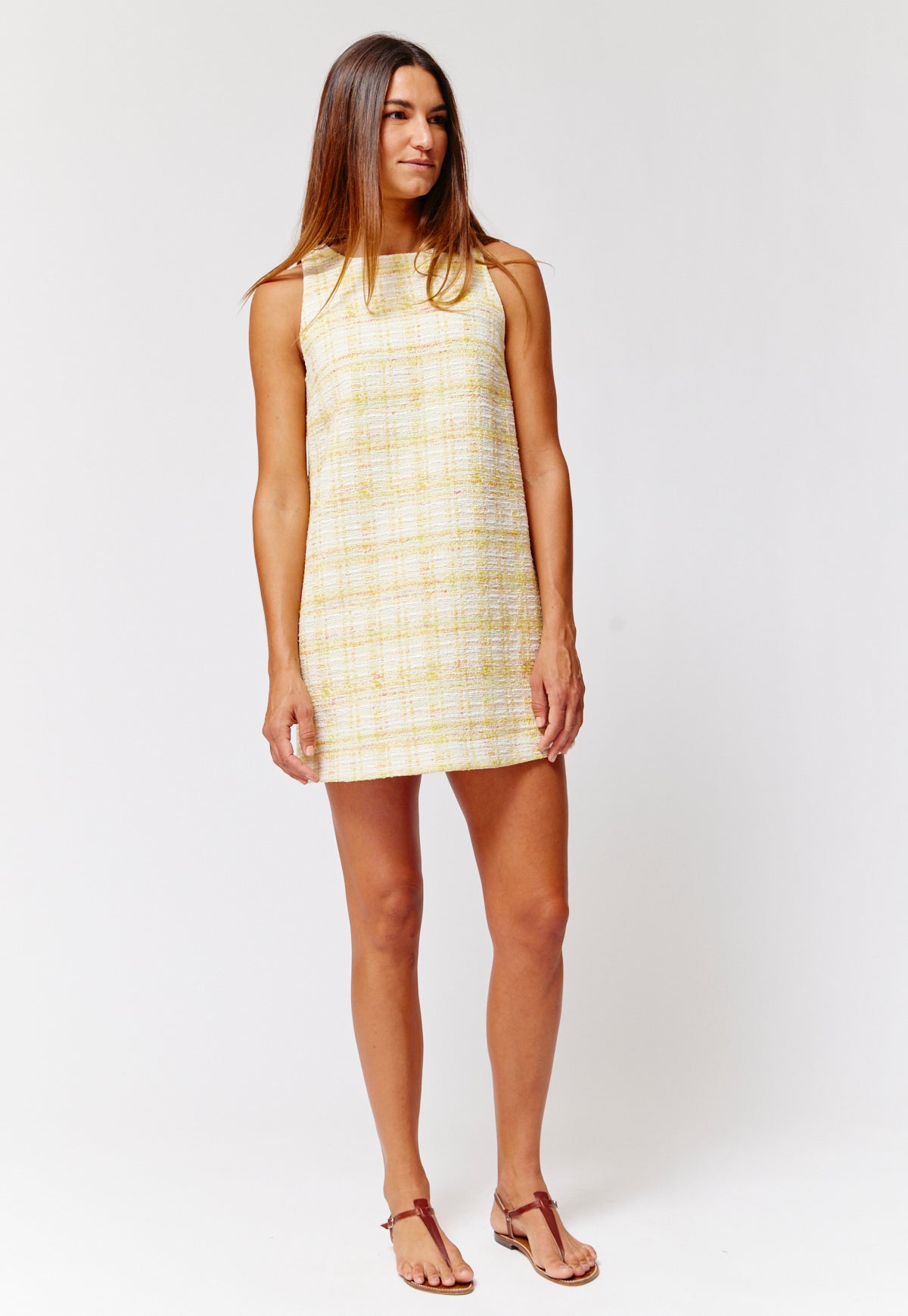
If silhouette provides the structure, then texture and color are the soul. A shift dress in a crisp cotton poplin projects a vibe of fresh, academic precision. The same cut in a luxe wool crepe or a delicate jacquard, like the iconic tweeds often seen from brands such as Chanel, communicates refined luxury. The tactile experience—how the fabric moves and feels—directly influences the perceived formality and emotional weight of the outfit. Color psychology, a field studied in institutions like the Pantone Color Institute, plays a starring role. A vibrant fuchsia shift, as seen in contemporary collections, commands attention and exudes confidence, aligning with research that links bright pinks to energy and creativity. A neutral beige or navy shift, however, speaks to sophistication and timelessness, acting as a sartorial anchor. The mastery here involves understanding context. For professional settings, authoritative yet approachable tones like deep emerald or cobalt blue can be powerful, a tactic often employed by public figures known for their sartorial diplomacy. The beauty of the shift format is that it allows these complex narratives of texture and color to be delivered in one, impactful sweep, without competing elements. It is a single, decisive note that resonates deeply.
Intelligent Accessorizing: The Final Layer of Narrative
Accessories are the punctuation marks of an outfit, and with a shift dress as the core sentence, they determine whether it ends in an exclamation, a thoughtful period, or a curious question mark. The minimalist nature of the shift demands that each accessory be chosen with curatorial precision. Statement jewelry is a natural partner. A large, sculptural necklace or bold cuffs, in the vein of pieces favored by fashion icons like Iris Apfel, transform the neckline into a gallery wall. This aligns with the design principle of having a single focal point. As legendary designer Coco Chanel purportedly advised, “Before you leave the house, look in the mirror and take one thing off.” With a shift, you start with almost nothing on, allowing you to add with purpose. Bags, too, tell a story. A structured top-handle satchel complements the dress’s clean lines for a polished look, while a slouchy leather tote introduces an element of effortless cool. Even eyewear can complete the narrative; classic cat-eye frames suggest a retro-modern intellect, while oversized aviators add a touch of glamorous mystery. The goal is cohesion. The accessories should not fight the dress but converse with it, enhancing its character rather than obscuring it. This final layer is where personal identity shines through, turning a universally flattering garment into a uniquely personal emblem.
The Shift Dress as a Wardrobe Philosophy
Ultimately, mastering the shift dress transcends seasonal trends. It represents an investment in a wardrobe philosophy centered on versatility, quality, and intelligent design. From a practical standpoint, a well-chosen shift dress offers an unparalleled cost-per-wear value. Its ability to morph across occasions—from a pivotal client presentation to a weekend gallery opening—makes it a strategic purchase. Many savvy retailers and direct-to-consumer brands now offer these timeless pieces at accessible price points, especially during seasonal sales or through member-exclusive discounts, bringing professional-grade style within reach. The knowledge of how to style it—layering for weather, accessorizing for tone, choosing the right fabric for the event—is the professional expertise that unlocks its full potential. This mastery empowers you. It eliminates the morning dilemma of “what to wear” and replaces it with the confident certainty of looking impeccably appropriate and distinctly yourself. The shift dress, in its elegant simplicity, becomes not just a garment, but a reliable tool for self-presentation in a complex world.
Embracing the shift dress is an exercise in cultivated ease. It is a commitment to clarity of line, confidence in color, and the intelligent application of detail. This mastery is not about rigid rules, but about understanding principles—of architecture, proportion, and narrative—and then bending them to your will. The result is an elegance that appears effortless precisely because it is so thoughtfully achieved. It is the quiet power of a singular, perfect line.