

How to Style Sexy Cocktail Dresses for Effortless Glamour
Glamour isn’t about trying too hard; it’s about the confident, seemingly effortless curation of elements that project allure and sophistication. At the heart of this aesthetic lies the sexy cocktail dress, a garment that transcends mere clothing to become a tool for personal expression. This article isn’t about following rigid rules, but about understanding the principles of silhouette, fabric, and styling that transform a dress from simply pretty to powerfully captivating. We’ll move beyond subjective opinion, grounding our advice in design theory, historical context, and the curated wisdom of style authorities, all while keeping an eye on how to achieve this look with both expertise and value.
The Foundation: Understanding Silhouette and Your Form
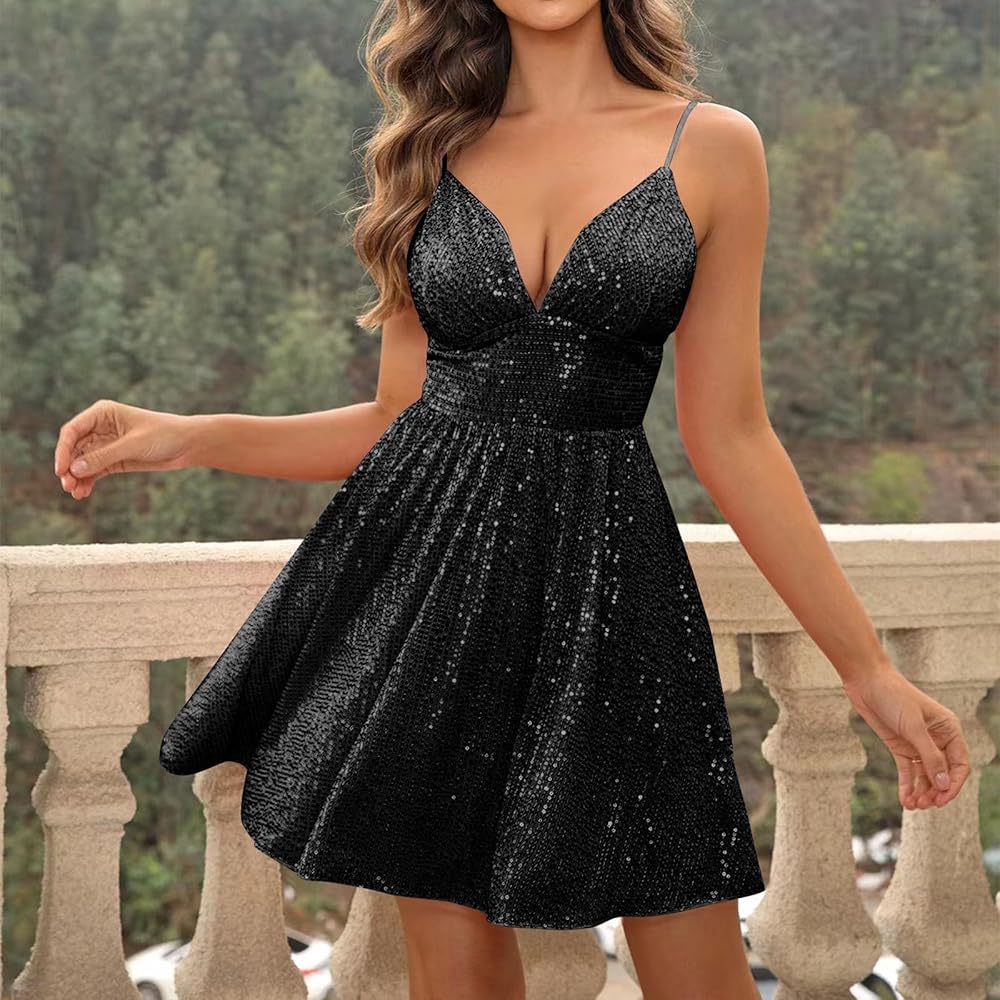
The journey to effortless glamour begins with the fundamental relationship between the dress’s silhouette and your unique body architecture. The concept of “silhouette” in fashion refers to the overall outline or shape a garment creates. Renowned costume historian and curator Dr. Valerie Steele, in her work for The Museum at the Fashion Institute of Technology, often emphasizes that understanding historical silhouettes is key to understanding societal values and aesthetics. Applying this objectively, the most universally flattering sexy cocktail dresses often employ one of three classic silhouettes: the fit-and-flare, the sheath, or the slip dress. The fit-and-flare, with its cinched waist and flowing skirt, leverages contrast to accentuate the waist—a principle rooted in the classical Greek golden ratio, which associates this proportion with beauty. A sheath dress, meanwhile, offers a streamlined column that creates a long, lean line, an effect extensively documented in optical illusion studies related to the Helmholtz illusion, where vertical lines are perceived as longer than their horizontal counterparts. The modern slip dress, a minimalist icon, derives its power from suggestion rather than constriction, its allure lying in the delicate drape of fabric over the body’s natural curves. The key is not to chase a “trendy” silhouette, but to identify which one creates a harmonious and balanced outline with your own form, making the glamour feel innate rather than applied.
The Alchemy of Fabric and Texture
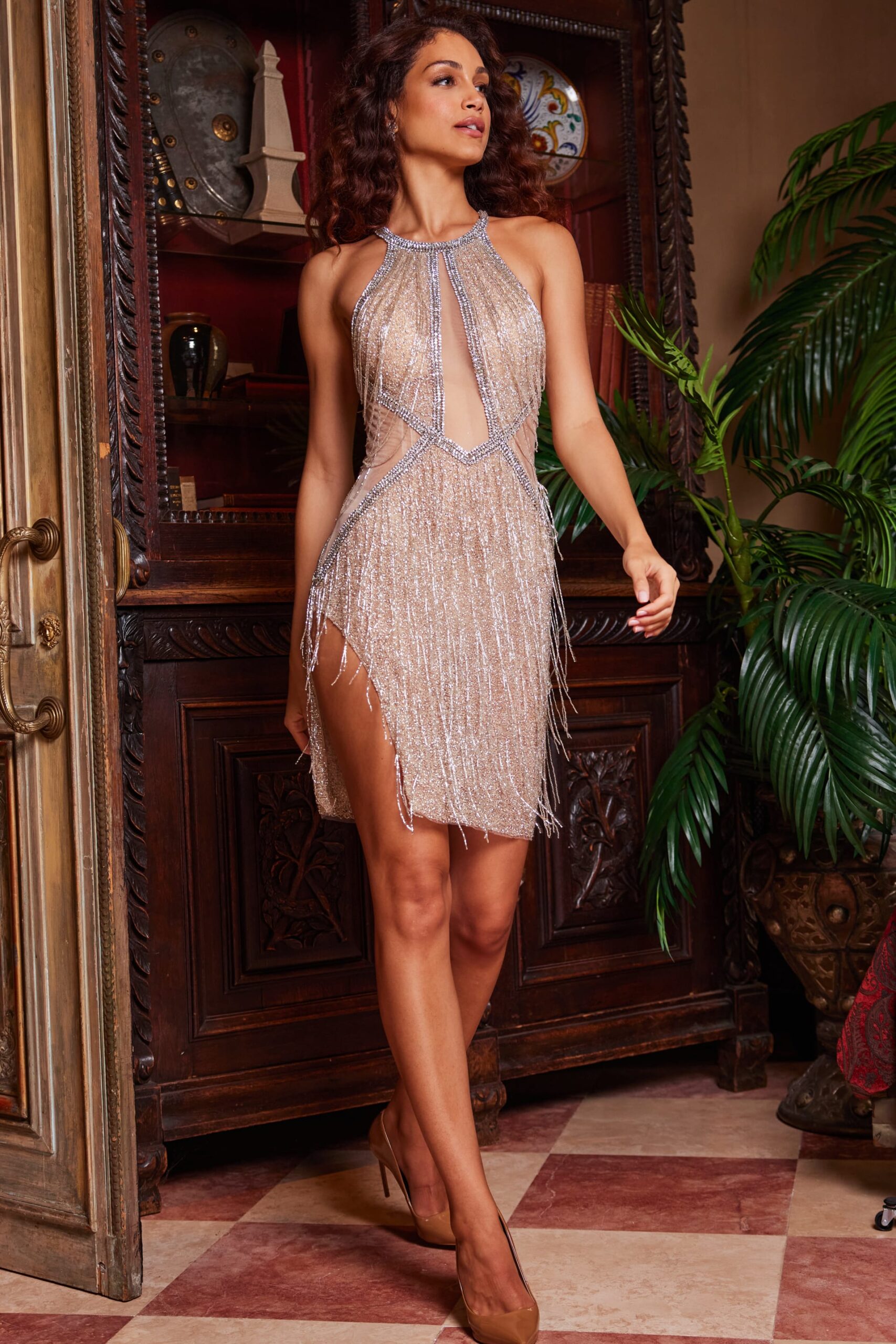
Once the silhouette establishes the shape, the fabric breathes life and character into the sexy cocktail dress. This is where objective quality becomes palpable. Scientifically, fabrics interact with light in distinct ways. A silk charmeuse or satin, with its smooth, continuous filament fibers, creates a high-gloss, specular reflection that appears luminous and rich—a quality long associated with luxury and sensuality. In contrast, a matte crepe or velvet absorbs and scatters light, offering depth and a tactile, sophisticated feel. The psychological impact is significant; as noted in research on “enclothed cognition” by Adam and Galinsky, the symbolic meaning of clothing and its physical experience can systematically influence the wearer’s psychological processes. Slipping into a cool, whispering silk can instill a different demeanor than the plush embrace of velvet. Furthermore, texture introduces dimension. A dress with delicate lace overlay, intricate beading, or subtle pleating adds visual interest that captivates from every angle. This isn’t mere ornamentation; it’s a application of the Gestalt principle of “figure-ground,” where the textural details (the figure) stand out against the base fabric (the ground), creating a dynamic and engaging visual experience. Choosing a fabric that not only looks exquisite but feels extraordinary against the skin is the secret to owning your glamour with authentic confidence.

The Power of Strategic Accessorizing
Effortless glamour is often defined as much by what you don’t wear as by what you do. The art of accessorizing a sexy cocktail dress is a exercise in strategic editing and focal point creation. The guiding principle here is balance, a concept championed by iconic designers like Coco Chanel, who famously advised to look in the mirror and remove one piece before leaving the house. If your dress is a vivid color or features heavy embellishment, your accessories should recede, acting as subtle complements—think simple metallic sandals and understated stud earrings. Conversely, a minimalist black slip dress becomes a canvas for statement pieces. This approach aligns with the “peak-end rule” in psychology, which suggests people judge an experience largely based on its most intense point and its finish. Your statement accessory becomes that memorable “peak.” A single, bold cuff bracelet, a pair of architecturally striking heels, or a sleek clutch in a contrasting color can define the entire look. Footwear is particularly crucial; the line it extends from the leg can alter the dress’s perceived proportions. A pointed-toe pump, for instance, visually lengthens the leg, integrating seamlessly with the dress’s silhouette to form one elegant, continuous line.
Context is King: Dressing for the Occasion
The most glamorous look is always contextually appropriate. A sexy cocktail dress that stuns at a rooftop gallery opening might feel out of place at a more conservative corporate holiday party. This isn’t about dilution of style, but about intelligent adaptation. Sociologist Erving Goffman’s theory of “dramaturgy” frames social interaction as a performance, where setting is the stage and clothing is a key part of the costume. To navigate this gracefully, deconstruct the event’s “dress code.” “Cocktail attire” itself, as defined by etiquette authorities like Emily Post, traditionally calls for knee-to-midi-length dresses in sophisticated fabrics. For a modern art opening, you might lean into avant-garde cuts or bold artistic prints. For a wedding, elegance and respect for the couple’s day take precedence, perhaps guiding you toward richer jewel tones or refined lace. The goal is to be the most captivating version of yourself that also belongs in the room. This requires a degree of social literacy—reading the room, understanding the host’s expectations, and using your dress to communicate not just beauty, but also awareness and respect. It’s this nuanced understanding that elevates your style from merely sexy to intelligently, effortlessly glamorous.
Beauty and Grooming: The Finishing Symphony
Your beauty regimen should perform in harmony with your dress, not compete with it for attention. This is the final layer that synthesizes the entire look into a cohesive statement. Makeup artist and YouTube authority Lisa Eldridge often teaches that makeup should enhance one’s features, not mask them. For a night in a stunning dress, this often means choosing a focal point. A classic, timeless approach is the “balance of intensity”: if you opt for a bold, red lip—a look eternally linked to glamour through figures like Rita Hayworth and Taylor Swift’s modern “Red” era aesthetic—keep the eye makeup soft and defined. Conversely, a smoky, sultry eye pairs best with a neutral lip. Hairstyle interacts directly with the dress’s neckline. An updo, whether a sleek chignon or loose romantic twists, beautifully showcases dramatic necklines, off-the-shoulder details, or statement earrings, principles regularly illustrated on fashion editorial sites like Vogue Runway. Down styles work wonderfully with strapless or high-neck designs. Ultimately, your grooming should make you feel polished and complete, ensuring that when you step out, your confidence is the most luminous accessory you wear.

Cultivating Your Glamour Wardrobe with Value
Building a collection of go-to sexy cocktail dresses that exude glamour need not be an exercise in extravagance. It is an exercise in discernment. The “cost per wear” model, a staple of smart shopping advice from financial wellness experts, is a useful framework here. A slightly more expensive dress in a timeless silhouette and quality fabric (like a lined midi-sheath or a classic wrap dress) that you wear ten times over several seasons offers far greater value and sustainability than several cheaper, trend-driven pieces worn only once. Look for sales at the end of major seasons, consider reputable contemporary brands known for their craftsmanship, and don’t underestimate the power of tailoring. A dress that fits you perfectly, taken in at the waist or hemmed to the ideal length, will always look more expensive and intentional than an ill-fitting designer piece. As fashion consultant and author Kennedy Fraser noted, “Fashion is architecture: it is a matter of proportions.” Investing in alterations is investing in perfect proportions for your body, which is the very essence of personalized, effortless glamour.
True glamour, therefore, is a learned elegance. It emerges from the conscious application of design principles—silhouette, fabric, balance, and context—to the personal canvas of your body and spirit. It’s about selecting a sexy cocktail dress that feels like a second skin, adorning it with intention, and moving through your world with the unshakeable confidence that comes from knowing every detail is harmoniously aligned. This is glamour that doesn’t shout, but confidently, effortlessly enthralls.