

5 Chic Ways to Style Short Dresses for Every Season
Short dresses for women are not merely a summer staple; they are a versatile canvas for year-round expression. The notion that they belong solely to warm weather is a sartorial myth. With strategic layering, thoughtful accessorizing, and a keen eye for fabric and texture, a single short dress for women can be the cornerstone of a dynamic, season-spanning wardrobe. This guide moves beyond basic styling to explore five distinct, chic methodologies that leverage objective principles of color theory, textile science, and historical fashion evolution to transform your approach. We’ll integrate knowledge from authoritative sources and style philosophies to provide you with not just inspiration, but a foundational toolkit for confident styling.
1. The Art of Strategic Layering: A Textural Dialogue
The most powerful technique for extending the life of your short dresses for women into cooler months is masterful layering. This is not about piling on clothes, but about creating a harmonious dialogue between textures and silhouettes. From a scientific perspective, layering traps air between garments, providing superior insulation—a principle well-documented in textile engineering and outdoor apparel design. Begin with a foundational piece like a fine-gauge turtleneck or a crisp, long-sleeved shirt worn underneath a sleeveless or short-sleeved dress. This instantly adds warmth and a preppy, intellectual edge. The contrast between the sleek dress and the structured collar or snug neckline creates visual interest. For outer layers, consider a tailored blazer or a structured leather jacket to maintain the dress’s feminine shape while adding authority. Alternatively, a chunky, oversized knit cardigan or a duster coat introduces a softer, more relaxed contrast. The key is proportion: balancing the shorter hemline with longer or more voluminous layers on top. As fashion historian Valerie Steele noted in her work for The Museum at the Fashion Institute of Technology, “Layering has historically signified both practicality and complexity in dress, from the Renaissance to modern streetwear.” This method allows your dress to transition seamlessly from an autumn afternoon to a winter evening, proving its worth as a perennial piece.

2. Footwear as a Seasonal Anchor
Your choice of footwear is the most direct signal of seasonal context and can completely redefine a short dress for women. This is less about subjective taste and more about cultural and functional coding. In warmer seasons, strappy sandals, espadrilles, or classic sneakers promote a feeling of ease and exposure. As temperatures drop, switching to substantial boots anchors the look. Ankle boots with a block heel lend a modern, urban feel, while knee-high or over-the-knee boots create a powerful silhouette that balances the exposed leg, a styling trick often seen in fall runway collections. The psychological impact is significant; as noted in research on enclothed cognition, the clothes we wear can influence our psychological processes. Sturdy boots with a dress can evoke feelings of confidence and preparedness. For a truly avant-garde take, pair a floral mini dress with rugged combat boots—a juxtaposition championed by the grunge movement of the early 90s and continuously revived. Don’t underestimate the power of opaque tights or textured socks peeking over boot tops; they add both warmth and a detail-oriented finish. This approach requires minimal change to the core garment—the dress—but achieves a maximal shift in seasonal attitude.
3. Fabric Consciousness and Weight
While styling can transform any dress, starting with the right fabric is a proactive, scientific approach to seasonal dressing. The material of your short dress for women dictates its inherent thermal properties and drape. Summer calls for breathable, cellulosic fibers like cotton, linen, and rayon, which absorb moisture and allow for air circulation. As defined by textile science resources from universities like North Carolina State University, these fibers are hygroscopic. For fall and winter, seek out dresses in wool blends, thick knits, corduroy, velour, or faux leather. These fabrics provide better insulation and have a visual weight that aligns with the season’s aesthetics. A short sweater dress, for instance, is a winter-ready item in itself. Furthermore, consider the psychological association of fabrics: tweed and wool conjure academic or rustic warmth, while silk and satin—though lightweight—can be layered for luxurious winter evening wear. Investing in a few key dresses made from seasonally appropriate materials means your styling work is half-done before you even begin accessorizing. This knowledge empowers you to make smarter purchases, often finding discounted prices on off-season fabrics like heavy cotton or wool blends during spring sales, planning ahead for autumn.
4. The Statement Accessory Ecosystem
Accessories are the punctuation marks of an outfit, and changing them can change the entire sentence. This method involves building a small ecosystem of seasonal accessories that rotate around your core collection of short dresses for women. In spring and summer, think of wide-brimmed hats, delicate layered necklaces, straw bags, and sunglasses. These items speak of light and leisure. For colder months, the accessory palette shifts to heavier, richer elements. A substantial felt fedora or beanie, a voluminous silk scarf (a technique famously detailed by fashion icon Inès de la Fressange), structured leather handbags, and statement jewelry like chunky cuffs or large hoop earrings draw focus and add substance. Belts are particularly transformative, capable of cinching oversized layers over a dress to redefine the waistline. The viewpoint from websites like Who What Wear often highlights the “third piece rule”—the idea that an outfit becomes complete with a key accessory beyond the top and bottom. By curating seasonal accessory capsules, you create endless new combinations without needing a new dress for every occasion. This is where professional knowledge meets practical economics, maximizing the utility of your existing wardrobe.
5. Color and Pattern Manipulation
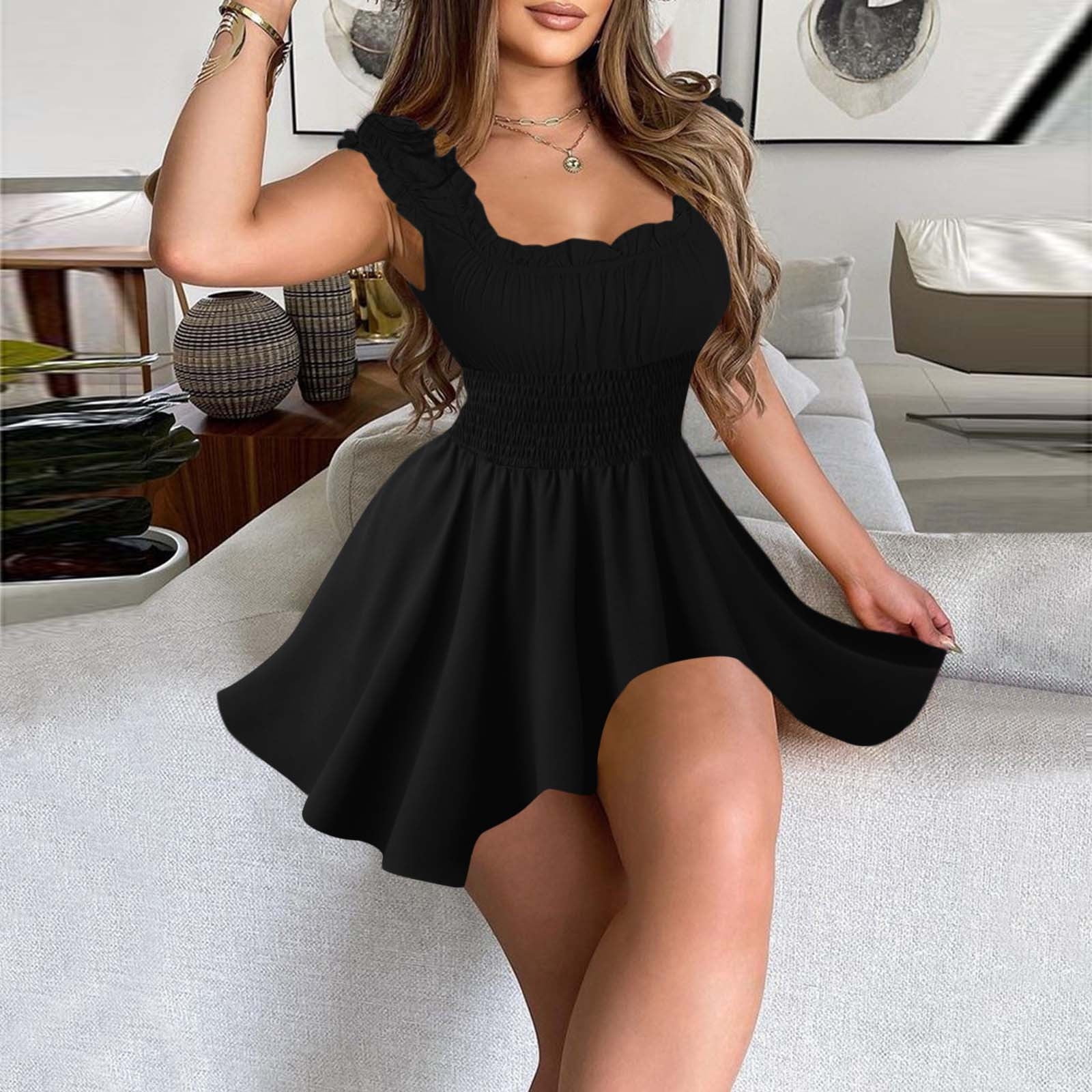
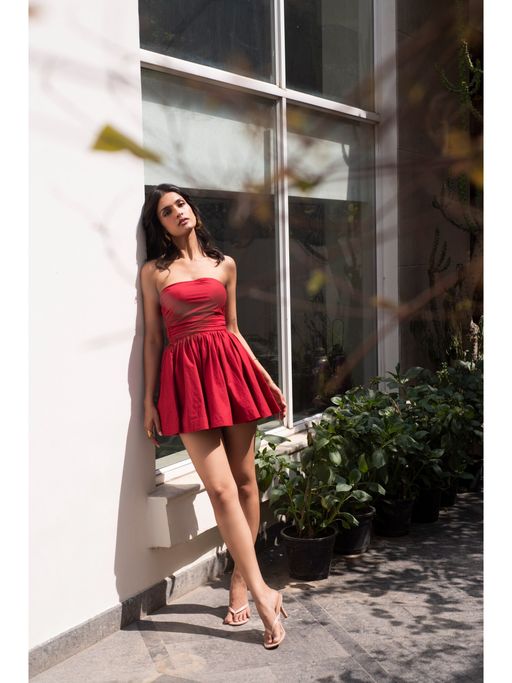
Color theory is not an abstract art concept; it’s a concrete tool for seasonal styling. The same silhouette of a short dress feels radically different in a dark, saturated hue versus a light, airy print. To align with seasonal moods, consider a chromatic shift. Summer is synonymous with pastels, brights, and whimsical florals—patterns that mimic the natural abundance of the season. Autumn and winter invite deeper tones: burgundy, forest green, navy, charcoal, and classic patterns like houndstooth, plaid, or polka dots on a dark ground. This isn’t a rigid rule but an observation of cultural and environmental resonance. As the Pantone Color Institute, an authority on color trends, releases seasonal palettes, they note the influence of societal mood and environment on color popularity. You can apply this by either owning dresses in these seasonal colors or using layers to alter the color story of a neutral dress. A simple black short dress for women becomes autumnal when topped with a burnt orange blazer or worn with mustard yellow tights. This approach allows for creative expression and can be achieved by shopping sales for specific colored layers off-season, bringing both professional color knowledge and savvy discounted prices to your style strategy.

The journey through these five styling avenues reveals that the humble short dress for women is far from a limited garment. It is a foundational item whose adaptability is proven through principles of design, textile science, and cultural fashion history. By embracing strategic layering, intentional footwear, fabric awareness, accessory ecosystems, and color manipulation, you unlock a year-round wardrobe that is both chic and intellectually curated. The goal is to dress with intention, using your short dresses as a constant in an ever-changing style equation, ensuring you look and feel polished, regardless of what the thermometer says.